Tag Archives: Brigitte Helm

Brigitte Helm: the perils of hedonism

There is no face more closely associated with the grandeur of Weimar Cinema than that of Brigitte Helm. Her first appearance on film was in the iconic dual-role of the teacher and the robot in Fritz Lang’s Metropolis (1927). As the villainous clone, her frenzied dancing and her kohl-rimmed eyes in winking close-ups incarnated a particularly timely force of evil: the giddy whirl of decadent 1920s Berlin. This was a time, according to German politician Gustav Stresemann, in which the people of Germany, intoxicated by the possibilities of the post-war world, were dancing on a volcano. Danger was afoot. In Metropolis, Helm’s crooked finger lured the hapless citizens to the brink. And audiences followed.


Brigitte Helm in Metropolis (Fritz Lang, 1927)
Continue reading Brigitte Helm: the perils of hedonism

Pirmoji Banga 2023: Come up and see Mae sometime

Life is short, people are busy, most of us have no time to waste. Pirmoji Banga, Vilnius’s hip festival of silent and early sound cinema, knows the importance of getting straight to the good stuff. How so? When the festival’s remit covers decades of film history?

In 2023, Pirmoji Banga, directed and curated by Aleksas Gilaitis, concentrated solely on the female contribution to beginning of film, which we all know by now is substantial. This year’s edition of Lithuanian festival Pirmoji Banga screened films starring Asta Nielsen, Mae West, Brigitte Helm and Louise Brooks, directed by Elvira Notari and Lotte Reiniger, and female-led stories such as The Nortull Gang, directed by Per Lindberg in 1923. Beautiful programming.

Continue reading Pirmoji Banga 2023: Come up and see Mae sometime

Giornate journal 2020: Pordenone post No 5

Did you spend your Thursday evening straying with Brigitte Helm? I hope so …

Day Six

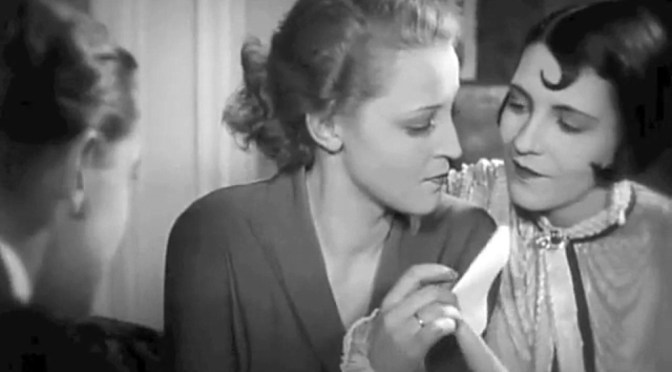
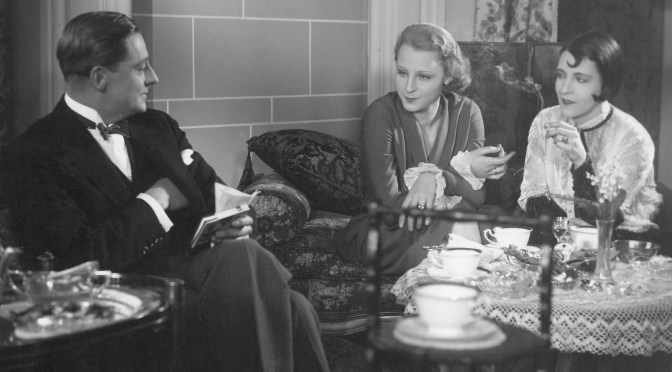
GW Pabst’s Abwege (1928) is, as Jay mentioned in his intro, a certain thread of what we think of when we imagine Weimar cinema. Not the exoticism of Expressionism of high-concept fiction, nor the relentless realism of Street Films, but a sampler of the era’s endless fetisished culture. This is a tale of infidelity, intrigue, independence and the famous temptations of the Berlin nightlife in the 1920s.

Continue reading Giornate journal 2020: Pordenone post No 5

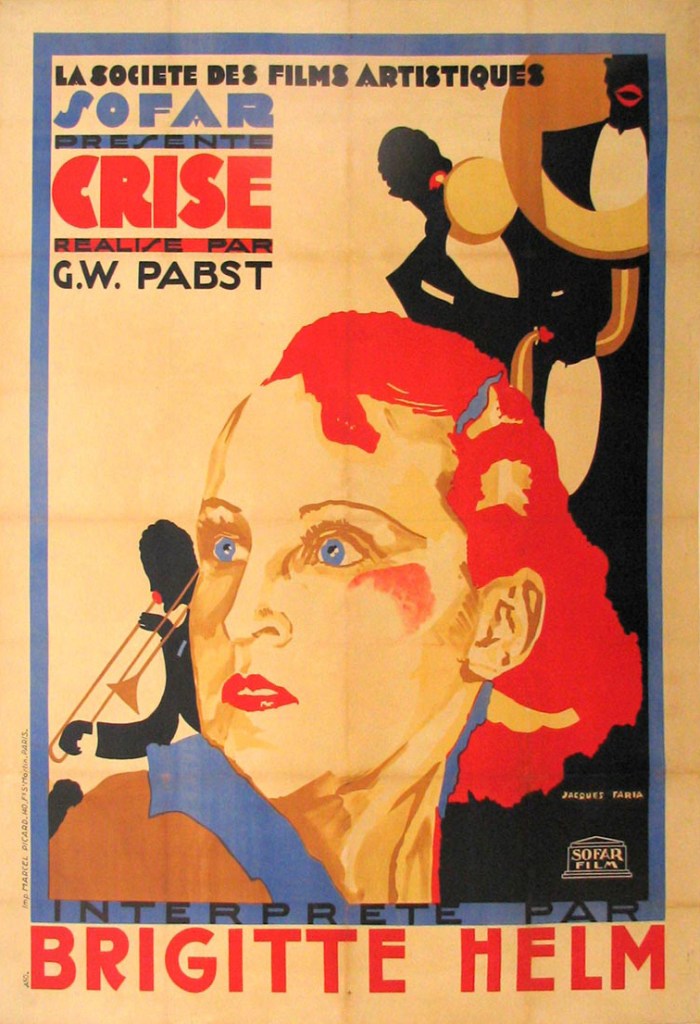
Abwege (1928): delirious dissolution in the Weimar nightlife

Abwege, otherwise known as Crisis, or The Devious Path, is streaming as part of the 2020 Limited Edition Pordenone Silent Film Festival. You can sign up here – tickets start at €9.90.

Abwege, GW Pabst’s 1928 film about the descent of one respectable married woman into the depth of the notorious Weimar nightlife is one of the unmissable titles in the programme, and it will be available for 24 hours from Thursday 8 October, with musical accompaniment by Mauro Colombis. You can explore the rest of the programme online.

Pabst was born in Austria in 1885. He started out in the theatre, an actor turned director who only began making films in 1923 at the age of 37. He soon became known as an actor’s director, and especially an actress’s director. His 1925 film The Joyless Street, for example, starred both the Danish diva Asta Nielsen and a then little-known Greta Garbo. He also made two films with the iconic Louise Brooks. But Brigitte Helm, the star of Abwege, was the special one for him.

Continue reading Abwege (1928): delirious dissolution in the Weimar nightlife