Category Archives: Screening

The Manxman: London film festival review

The Manxman (1929)
The Manxman (1929)

A folk romance that stumbles into melodrama, an adaptation of a blockbusting novel that is now all-but forgotten, The Manxman may seem to be far more of its time than ours. But the London film festival’s archive gala screening of this neglected Hitchcock film was having none of that. The red carpet was rolled out in Leicester Square and the crowds in the Empire cinema foyer were stocking up on nachos and popcorn before taking their seat. OK, so some of assembled throng were clutching tickets for Dredd or Madagascar 3, but Screen One was devoted to a lush, heartbreaking night of silent cinema.

And the venue was oddly appropriate. Back in its music-hall days, the Empire was the first London venue to run a paid-for programme of films. It’s a long journey from the Lumiéres’ actualities to the gorgeousness of The Manxman – arguably they have more in common with the 3D thrills on offer in the neighbouring screens – but it’s a happy connection to make.

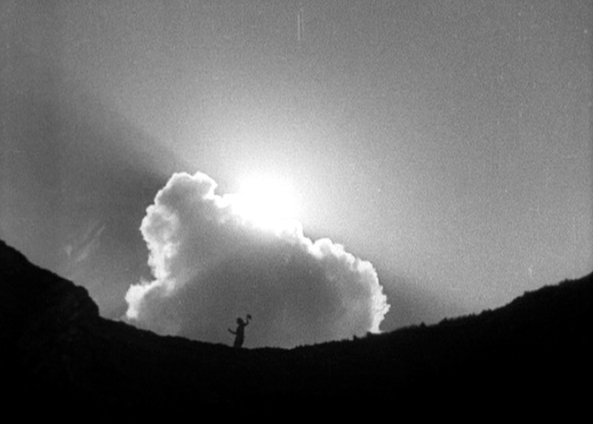
The Manxman was Hitchcock’s final “pure” silent – he was to shoot his next film Blackmail in both silent and sound versions – and the romance of the film’s story is augmented by the thought that the director was leaving his beloved silent cinema days behind him. Perhaps that is why the film is so unashamedly picturesque. The Cornish coast that doubles for the story’s Manx setting is imposing, but gorgeous. Hungarian star Anny Ondra is filmed as a tiny silhouette in front of sun-punctured cloud, skipping down vertiginous cliffs or strolling with her lover in dappled woods – and the film begins and ends with a view of fishing boats  in the harbour. These images, like the film itself, combine prettiness with an air of intangible, elemental danger, and it’s this that makes The Manxman such a gripping watch.

Because this movie can be tough too: when a crisis arrives, a disconcerting cut from a body falling into water to a pen plunging into an inkwell is as violent as Hitchcock at his familiarly cold-hearted best. On this screen, and with the benefit of the BFI’s new gleaming restoration, it looked spectacular.
The Manxman (1929)
The Manxman (1929)

Ondra plays Kate, the daughter of the local pub landlord (a brilliantly grim-faced turn by Randle Ayrton). Best pals daft-but-dishy Pete, a fisherman (Carl Brisson), and Philip, an ambitious lawyer (Malcolm Keen), are each in love with Kate, but the latter is playing his cards close to his chest. In an excruciatingly twisted balcony scene, Pete coaxes Kate into an engagement, a promise to wait for him while he goes overseas to make his fortune. At first Kate doesn’t take him seriously, and it’s not clear which of the men – the one proposing or the faithful chum who is (literally) supporting him – is causing her to simper and pout. However it was extracted, it’s a rash promise to make, and as we’ll see, it will have terrible implications. Needless to say, while the cat is away, Kate strays, but what happens next is horrific, and not so easy to predict.

We have heard a few silent film scores recently (in this Hitchcock season no less) that have seemed to smooth out, or trample over the nuances of each  scene. Not so here. Stephen Horne‘s rich score for The Manxman is alert to each turn of conversation, each double-meaning, furtive glance or blush. It’s a piece that is always a pleasure to listen to, but unafraid to sacrifice its melody to the drama when needed. This is crucial for The Manxman, where the plot hinges on whispered revelations, changes of heart and emotionally gruesome details – Kate’s face when her fiancé appoints his friend best man at their wedding, or she cuts her hand on their cake. The tempo slackens forebodingly when mid-speech, Phil is distracted by the sight of Pete and Kate together and the music follows the lead of Hitchcock’s stormy lighting effects, colouring each scene with shades of what is yet to happen. While the strings and piano offer folk melodies, there’s often a rumbling bass drum warning of impending disaster and even, at one crucial point, a very assertive oboe. The flute solo when Pete visits Phil towards the end of the film is particularly poignant; the ensemble together replicating the texture of nagging voices in the final scene especially cruel.

No one will argue that The Manxman is Hitchcock’s finest hour, the acting from the two male leads is often very weak, and the storyline offers only emotional trauma rather than his familiar bloody shocks. Despite those reservations, it is a sharply beautiful film and Anny Ondra’s sleepy-eyed romantic fool gives us a great Hitchcock Blonde before icy Grace Kelly was even born. The joy for us now is that Horne’s score gives The Manxman its best possible chance to shine, not just following but enhancing our pleasure in watching Hitchcock toy with this doomed love triangle.

Stephen Horne’s score for The Manxman was performed by Stephen Horne (piano/accordion/flute), Jennifer Bennett (fiddle/viola), Joby Burgess (percussion), Janey Miller (oboe/oboe d’Amore) and Ruth Wall (lever harp/wire harp).
Win tickets to see His People (1925) at the UK Jewish film festival

His People (1925)
His People (1925)

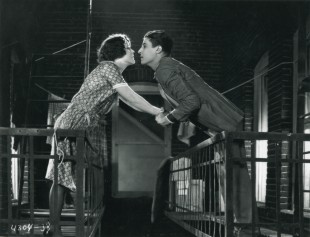
The UK Jewish film festival features screenings across the country from 1-18 November, but we’re especially lucky in London as we will be able to see Edward Sloman’s 1925 silent classic His People, with a new improvised score. The film is set in Manhattan and film historian Tom Gunning praised it, saying that: “few silent films give so thorough a picture of Jewish home life in the American ghetto”.

This is an exciting chance to see the work of a director whose work Kevin Bownlow described as: “remarkable … with a very American smoothness of narrative”. Unfortunately, very many of Sloman’s pictures are now lost, but His People was his biggest commercial success, taking millions at the box office on its original release. It also stars Rudolph Schildkraut, one of the director’s favourite actors: “Whatever you planned with Schildkraut always came off – sometimes even better than you’d dreamed it. Rudolph Schildkraut was one of the great actors of his era,” he told Brownlow in The Parade’s Gone By.

The festival website has this to say about the film:

A rare opportunity to see one of the most evocative films of the 1920s with a new, live score. The sights and smells of New York’s bustling immigrant Jewish Lower East Side have seldom been captured better than in this sparkling tale of a generational clash of cultures. The two sons of a Jewish migrant family opt for different paths in life and love, but as the story progresses, assumptions about good and bad are soon firmly challenged.

A classic morality tale with a bold, contemporary cinematic feel, accompanied by an improvised live soundtrack from Sophie Solomon, (violinist and artistic director of the Jewish Music Institute), Quentin Collins (trumpet), Ian Watson (accordion) and Grant Windsor (piano).

To win a pair of tickets to see His People at the Barbican, just send the answer to this question to silentlondontickets@gmail.com by noon on Friday 9 November. The winner will be chosen at random from the correct entries.

  • His People director Edward Sloman was born in Britain – but in which city?

His People screens at 7.30pm on 13 November 2012 at the Barbican Cinema. To book tickets, please click here.

Blancanieves (2012): London film festival review

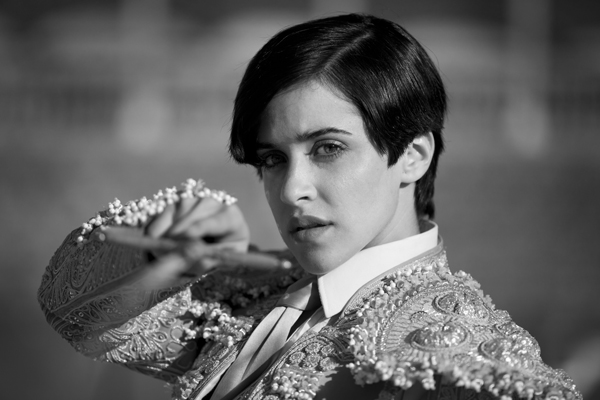
Macarena García in Blancanieves (2012)

You may feel weary at the prospect of another love-letter to the silent era. You may feel fatigued by the thought of another Snow White movie. Wait, though – nothing should deter you from seeking out this intriguing, gorgeous film. Director Pablo Berger describes his Blancanieves as a “homage to European silent cinema”, but happily, it has the confidence to wear its influences lightly and transform them into something new, magical and utterly distinctive.

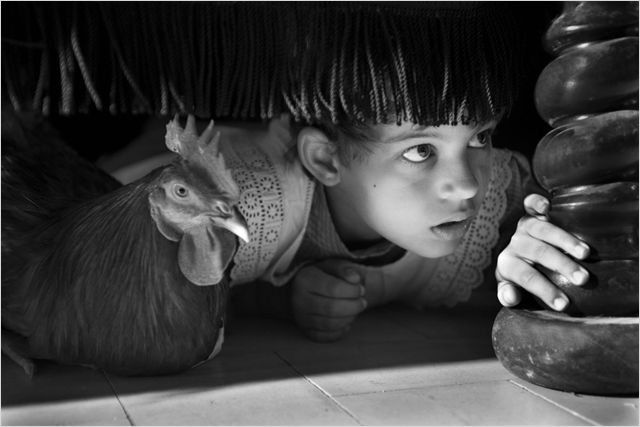
Blancanieves is a sharp, heady cocktail of fairytales, Spanish iconography and silent cinema: a black-and-white film with gorgeous musical accompaniment that tells the story of Carmen, whose matador father remarries after her flamenco dancer mother dies in childbirth. But if you’re expecting a straight 1920s-set adaptation of Snow White, you will be wrongfooted right to the bittersweet end. When we finally encounter the dwarves, we find they’re bullfighters, they’re not all sweet, and there aren’t quite seven of them. A celebrity magazine takes the place of a magic mirror, the wicked stepmother indulges in S&M with her chauffeur and the young heroine’s best friend is a neckerchief-wearing rooster called Pépé.

Maribel Verdú in Blancanieves (2012)

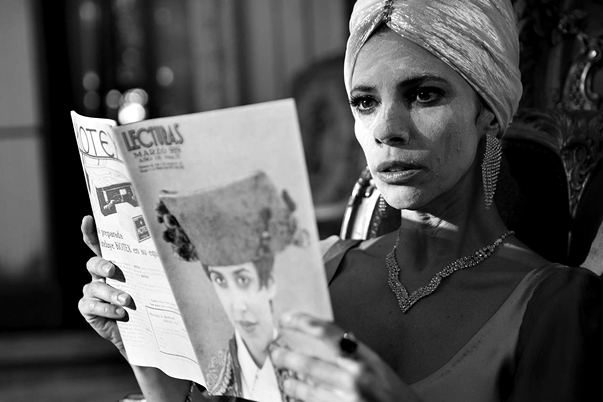
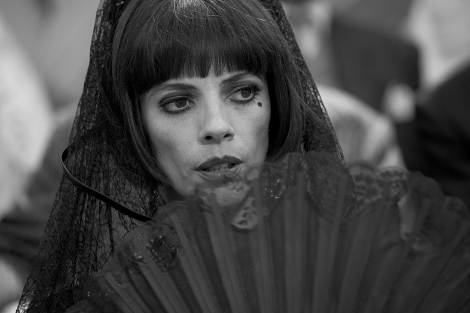
Carmen is no fairytale princess either, but in both her younger (Sofía Oria) and older (Macarena Garciá) incarnations, she is a serious, lonely young woman on a tragic path – both actresses share intense, dark eyes, which Berger makes the utmost of. Maribel Verdú turns in a wickedly funny pantomime performance as her scheming stepmother – although it often feels as if she is in a different, more histrionic, film to everyone else – and Daniel Giménez Cacho is heartbreaking as the destroyed father. Plaudits must also go to the rooster, or rather his handler. There may never have been a cuter cockerel in the cinema.

So why is Blancanieves a silent film? Perhaps it’s because in this version the girl’s parents are both wordless performers, in old-fashioned artforms. Her grandmother teaches her to dance, and her first encounter with bullfighting is via the flickering images of a praxinoscope. Berger also says he was inspired by a screening of Greed with Carl Davis’s orchestral score, and by silent film-makers including Sjöstrom, Herbier, Murnau and our own Anthony Asquith. Whatever the cause, it’s an artistic choice that pays dividends.

Sofía Oria in Blancanieves (2012)

This is no pastiche, although I will admit I could have lived without the Instagram-style rough edge to the Academy frame, a bafflingly naff decision considering the film’s visual achivements: sumptuous photography, and impressionistic editing. There’s so much here that recalls the silent era – a clatter of flashcuts, the rustic faces in the crowd, superimpositions, irises and a restrained number of intertitles – but it feels modern too, with lovely soft light washing over the interiors and nimble, intimate handheld camerawork. There’s nothing in Blancanieves’ exquisite cinematography that could not have been achieved in the 1920s, but its strength is that it never feels anachronistic or nostalgic. And those sumptuous images tell the story too, as when Carmen’s first-communion dress is plunged into a tub of black dye, or she sees Pépé’s face hovering on her dinner plate.

With such riches at his disposal, I almost wish Berger had made a more serious film than this twisted fairytale, which occasionally veers into camp. Blancanieves is a strange piece of work, but a precious one, however, so even if it lacks ambition, its integrity and beauty are to be treasured.

Blancanieves screens as part of the London film festival at the ICA on 18 October. You can book tickets here. 

Silent films at the London film festival 2012

The Manxman (1928)
The Manxman (1928)

There are plenty of changes afoot at the BFI London film festival, with a new artistic director, more venues being used around the capital and a rejigged set of thematic categories across the programme. The Treasures strand has been beefed up, and that can only mean good news for silent film enthusiasts. So, without further preamble, here’s what you can look forward to this year:

The Manxman

This is the big one, the archive gala presentation. Hitchcock’s tragic coastal romance is one of his most beautiful films, and an accomplished, fascinating silent. Anny Ondra, Carl Brisson and Malcolm Keen take their places at the corners of an Isle of Man love triangle, and Hitchcock milks their doom-laden situation for every drop of suspense. This will of course be a presentation of the BFI’s new restoration of the film, and as he did last year with The First Born, Stephen Horne will be writing and performing a brand new score.

19 October, 8.30pm, Empire Leicester Square

Blancanieves (2012)

Rather dishearteningly described as ‘Tim Burton meets The Artist’, Pablo Berger’s modern silent plays three times during the festival, in the Cult strand. It’s a Gothic adaptation of Snow White, set in the world of bullfighting in 1920s Spain and it looks very intriguing. You can read more here and we’ll have a better idea what to expect when the reviews come in from its screenings at the San Sebastian and Toronto festivals later this month.

12 October, 6.30pm, Ritzy

15 October, 9pm, Renoir

18 October, 2pm, ICA

Continue reading Silent films at the London film festival 2012 →

Japanese silent films at the Cinema Museum, Zipangu Fest, 15 September 2012

Crossways (Jujiro, 1928)

This is a guest post for Silent London by Jasper Sharp – scroll down for a chance to win tickets to these events.

Taking place at the Cinema Museum between 14-16 September, the UK’s premiere celebration of cutting-edge Japanese film, Zipangu Fest, returns for its third year, with a number of choice items of interest to silent film fans.

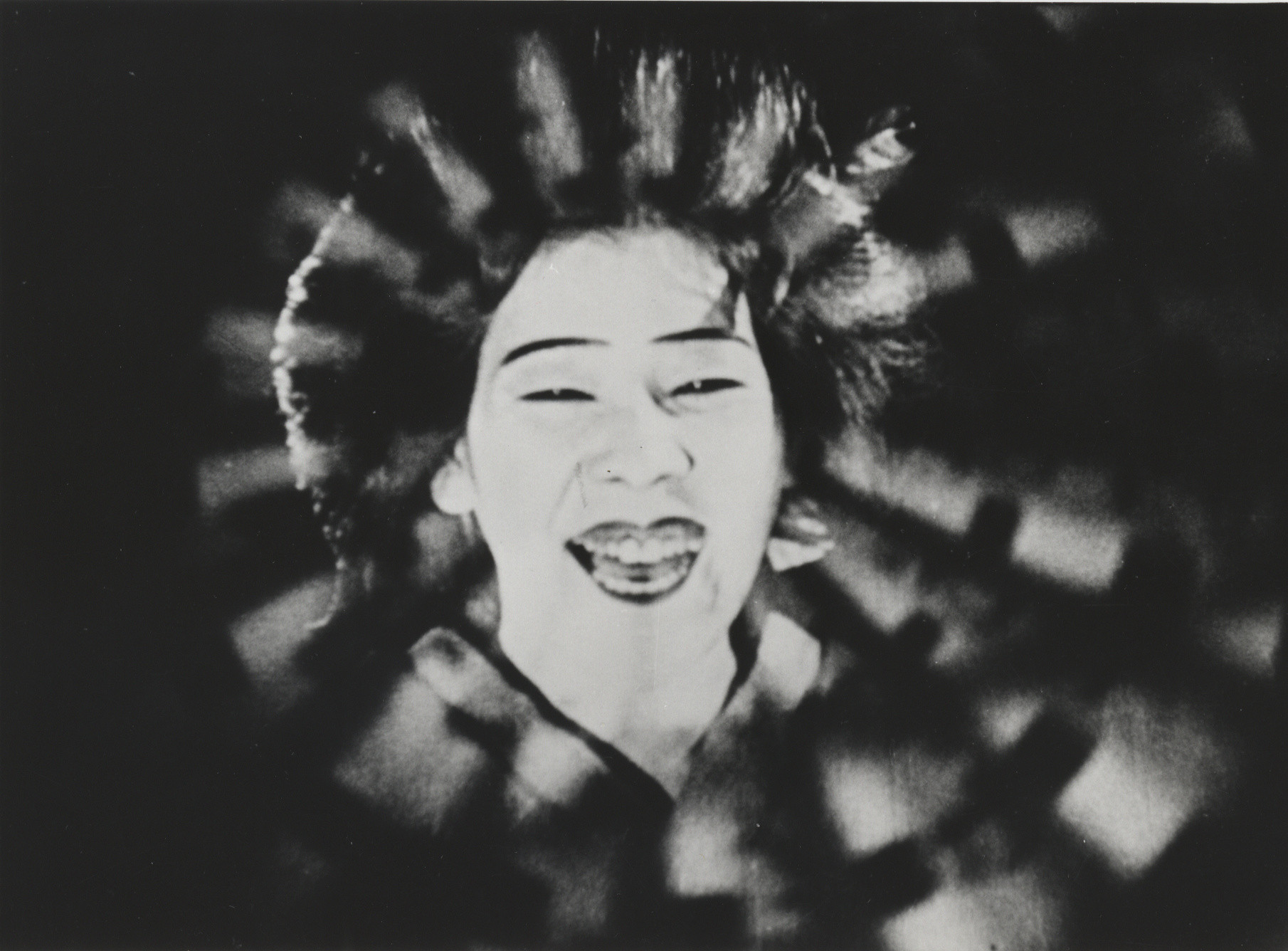
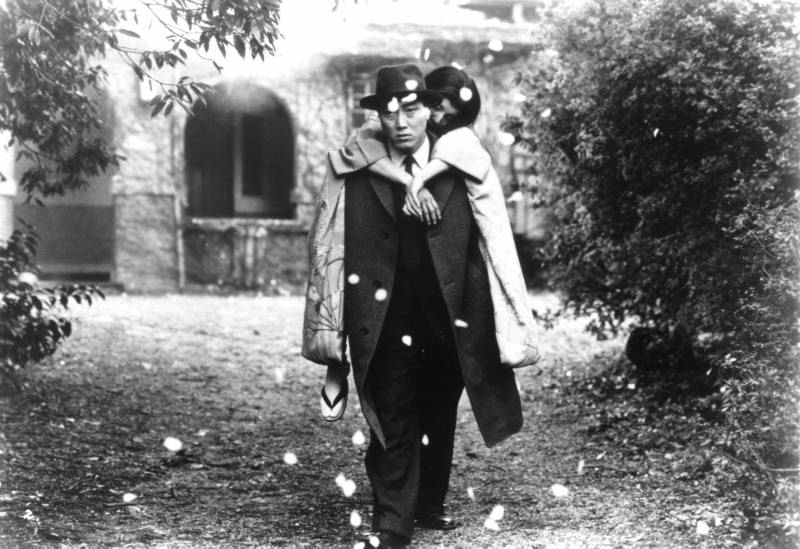
The centrepiece is the screening on Saturday evening of Kinugasa Teinosuke’s classic of the avant-garde, Crossways (Jujiro, 1928) from 35mm, with a new score performed live by Minima. One of the first Japanese films ever shown in the West, Crossways was Kinugasa’s follow up to his better-known Page of Madness (Kurutta ippeiji, 1926). Set in Tokyo’s Yoshiwara pleasure district, Crossways was described by its director as a “chambara [samurai action film] without swordfights” and was heavily influenced by German Expressionism.

This screening will be introduced by a visual presentation on the history of the film by Zipangu Fest director and author of the recent Historical Dictionary of Japan Cinema, Jasper Sharp. The evening kicks off at 7.30pm, and tickets are available from the Zipangu Fest website.

To Sleep So as to Dream (Yume miru you ni nemuritai)

Crossways will be preceded by another very rare screening for those with an interest in Japan’s early cinema, To Sleep So as to Dream (Yume miru you ni nemuritai), the 1986 debut from Kaizô Hayashi (Circus Boys, Zipang, and the ‘Yokohama Mike’ trilogy).

Two private detectives hunt for an actress trapped within a frame of an ancient ninja film in this magical double-handed homage to the movie worlds of the 1910s and 1950s. Predating Michel Hazanavicius’ recent faux-silent work The Artist by 25 years, To Sleep So as to Dream is chockfull of references to Japan’s rich cinematic heritage, featuring cameos from a host of veteran talent including the benshi (silent film narrators) Shunsui Matsui and Midori Sawato, and the baroque sets of Takeo Kimura, the Nikkatsu art designer fondly remembered for his flamboyant work with Seijun Suzuki in the 1960s. Playing for the most part without dialogue, it toys with the conventions of both the silent film and hardboiled detective genres, leading the viewer through a maze of colourful locales such as a carnival fairground and a deserted film set.

The essence of celluloid – Spirit Made Flesh

Both of these titles will be screened from film. Indeed, cinema purists might want to also note Zipangu Fest’s Sunday afternoon session, beginning at 4.30pm, Spirit Made Flesh: Works from 3 Experimental Filmmakers, featuring work by Shinkan Tamaki, Momoko Seto and Takashi Makino, all of which interrogate and explore the very essence of celluloid and analogue technologies. The screenings will be followed by a panel discussion “Is There Still a Need for Film in a Digitising World?” in what promises to be a lively and fascinating event.

Competition

Zipangu Fest is generously offering a pair of tickets to all three of these events. All you have to do is sign up to our mailing list, and tell us which of the films in our 2012 lineup interests you. On submission you will be signed up to our responsibly-managed mailing list, and three names will be selected at random for a prize. The first gets a pair of tickets to the Crossways event, the second to To Sleep so as To Dream, and the third to Spirit Made Flesh. Click here to enter.

Zipangu Fest was established in 2010 to shatter existing preconceptions about what ‘Japanese cinema’ is, and to celebrate one of the most vibrant and dynamic moving image cultures anywhere in the world. The third Zipangu Fest, hosted by the Cinema Museum in Kennington from 14-16 September, looks set to be our most ambitious and exciting yet.

Website: zipangufest.com
Facebook.com/zipangufest
Twitter: @zipangufest

Jasper Sharp is a writer and film curator.

Orochi (1925) with benshi narration at Ciné Iluminé, 2 September 2012

Orochi (1925)
Orochi (1925)

The next screening from the silent film club at central London burlesque bar Volupté Lounge is not to be missed. This is not just because the film in question, a Japanese samurai adventure from 1925, is little seen, but because the method of presentation is a rare pleasure too. Orochi will be screened with live musical accompaniment in the form of a tsugaru-shamisen (a traditional Japanese stringed instrument) played by Hibiki Khikawa – and with benshi narration.

Benshi consists of a narration, lines of dialogue and an introduction to the film, delivered at the side of the screen. The benshi for this screening at the Ciné Illuminé will be delivered by actress Kyoko Morita. While early films were regularly screened with narration all over the world, benshi is a little bit special and is more or less unique to Japanese cinema: it’s a full performance and designed into the structure of the film,  to enhance as well as explain, and it derives from kabuki theatre traditions. It is in part due to the popularity of benshi narrators, some of whom became very famous, that silent cinema lasted well into the 1930s in Japan, providing space for directors such as Ozu, Naruse and Mizoguchi to make so many silent masterpieces.

Orochi (The Serpent) is a film that colours its tragedy with a political subtext and it was very controversial when it was first released. Director Buntarō Futagawa was known for his innovations, but only two of his films, this one and a short, survive to this day. Orochi is about a samurai railing against an unjust world, who is played by the silent film star Tsumasaburō Bandō. The swordfighting scenes play to the star’s natural abilities: they’re fast, frenzied and a step-change from the more sedate kabuki-influenced Japanese cinema of the time. However, it’s the message rather than the mayhem, that resonates here.

The story revolves around the protagonist, Heizaburo Kuritomi, an honorable but low-class samurai who is given an emotional depth, previously unseen in Jidaigeki films, as he battles with inner conflict and the injustices of society. This is especially evident in the closing sequence of the film where the protagnoist is dragged away by his enemies after his tremendous effort to protect his love. In the essay, “Bantsuma’s ‘New Breeze'”, Midori Sawato cites the ending of Orochi as one of the most ‘heroic and heartcrushing’ images she has seen. In the past, the heroes of the films were proud samurai of the upper classes who always triumphed over their evil opponents, upholding what was truly right in the world. However, Orochi was created in response to the national and military fanaticism that was prevailing at the time.

With its now famous opening lines:

‘Not all those who wear the name of villain, are truly evil men. Not all those who are respected as noble men, are worthy of the name. Many are those who wear a false mask of benevolence to hide their treachery and the wickedness of their true selves,’

the film evoked provocative ideologies and rebellious ideas during a time where liberal performers and writers were being repressed throughout Japan. Consequently, the film was severely censored with over 20% of its content being completely cut out and several scenes having to be re-shot. When the film was finally released, the hype around its creation resulted in crowds flocking to theaters all around the country. Bantsuma’s exhilarating new sword fighting style he displayed in the film may have attracted audiences but it cannot be denied that there were many who were also deeply touched by the profound message of the film.

Doors are at 5pm for a screening at 6.30pm. Tickets are £7 in advance or £9 on the door. You’ll find the Volupté Lounge at 9 Norwich Street, EC4A 1EJ. Call 0207 831 1622 or email reservations@volupte-lounge.com to book tickets. Don’t forget to check out the Facebook page or the Twitter feed for future screenings.

Silent films at the West London Trades Union Club, 2012 season

Hindle Wakes (1927)
Hindle Wakes (1927)

The West London Trades Union Club in Acton, London W3 is a welcoming place for those who enjoy a well-kept ale and a natter, and a haven for left-leaning cinephiles too. The venue’s Saturday afternoon film club is friendly, and pleasingly broad-minded: recent seasons have taken a look at the work of film-makers ranging from Joseph Losey to Paul Robeson as well as giving club members the chance to show their own favourite titles, week by week.

Last year I spent four hugely enjoyable, chatty Saturday afternoons in west London showing silent films chosen in collaboration with members of the club. The discussions afterwards were well-informed, not to say boisterous, and one topic we often returned to was: what are you going to show next year?

So, the silent film club is back, with some much-longed for comedy, another British film, some Weimar glamour and French impressionism. Here’s what’s coming up this autumn in Acton:

Buster Keaton in The General (1926)

Comedy double-bill: The General (1926) and The Circus (1928)

Two classic films from the two titans of silent comedy: Buster Keaton’s ingenious civil-war chase film The General and Chaplin’s poignant, hilarious The Circus. These two films offer an opportunity to marvel at the best of silent comedy, but also to compare and contrast the different styles of these two great film-makers. Buster Keaton’s deadpan mechanical inventiveness versus Chaplin’s sentimental appeal and graceful physicality – you decide.
8 September 2012, 4pm

Hindle Wakes (1927)

This adaptation of the much-loved northern melodrama was filmed by Maurice Elvey, a giant of British silent cinema, now sadly all but forgotten. Elvey was a trade unionist himself, and Hindle Wakes is the story of a clandestine romance between a factory worker and an industrialist’s son. It’s gorgeously filmed, with some fantastic “Wakes Week” sequences shot in Blackpool – and the heroine, played by Estelle Brody, is a refreshingly modern woman. Not to be missed.
20 October 2012, 4pm

Louise Brooks Pandora's Box (1929)
Louise Brooks in Pandora’s Box (1929)

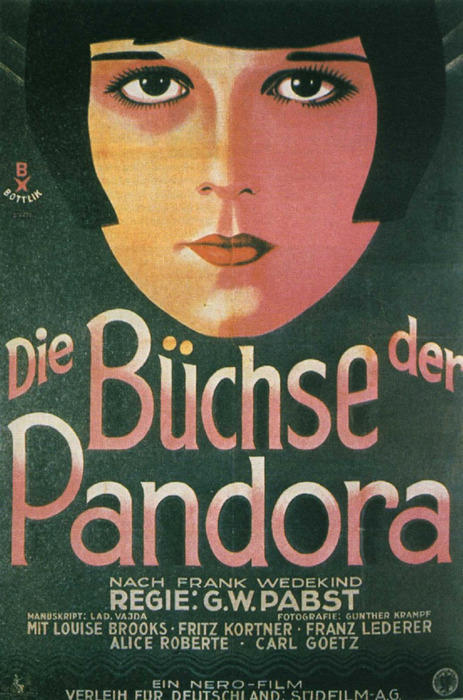
Pandora’s Box (1929)

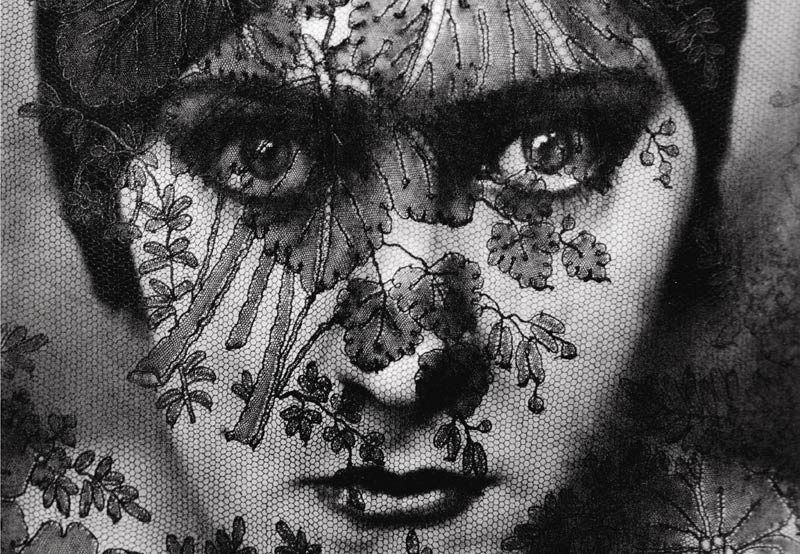
Another modern woman, and one of the most famous films of the silent era. Louise Brooks is truly iconic as the liberated, amoral Lulu breaking hearts in swinging Weimar Germany. Erotic, witty and ultimately tragic, Pandora’s Box is a classic that rewards repeated viewing and while coolly received at the time, has subsequently made an international star or its reckless leading lady – it now stands as the definitive portrait of a decadent society.
10 November 2012, 4pm

L’Argent (1928)

When Marcel Herbier announced his intention to adapt Zola’s L’Argent but to place it in the contemporary setting of the 1920s Paris stockmarket, many were horrified that he would take an acclaimed historical novel about ruthlessly greedy, over-reaching bankers out of its context. But Herbier’s passion, “to film at any cost, even (what a paradox) at great cost, a fierce denunciation of money”, proved as pertinent in pre-crash Europe as it does now, in the fallout of the global financial crisis. L’Argent is not just social commentary, it’s an ambitiously innovative film, a masterpiece of poetic impressionism.
15 December 2012, 4pm

Charlie Chaplin in The Circus (1928)

You don’t have to be a member of the club, or even of a trade union, to turn up and receive a warm welcome – and you will find the venue at 33 Acton High Street, London W3 6ND. It’s about five minutes walk from Acton Central train station, and on plenty of bus routes.

The Great White Silence at the Exhibition Road Show, 28 July 2012

The Great White Silence (1924)

The Royal Borough of Kensington and Chelsea is contributing to Olympic mania by staging what it describes as “London’s most sophisticated street party”. It’s a festival really, featuring games, dance, science, debates, music, writers’ commissions and visual art installations, with a little nod to the Great Exhibition that took over Hyde Park in 1851. The Exhibition Road Show will take place on the street they’re calling “London‟s cultural and intellectual heartland”, just a short hop from the Olympic beach volleyball venue in Earl’s Court.

The Show runs from 28 July to 5 August, and on its opening night you can pop along to a free outdoor screening of Herbert Ponting’s elegant, unflinching Scott of the Antarctic documentary The Great White Silence – with its acclaimed live score by Simon Fisher Turner and his musicians.

Fisher Turner’s score for The Great White Silence premiered at the London Film Festival in 2010, and was described by The Guardian as “”skillfully judged, and the blend of real sounds – such as the gramophones that would have played on the ship, the Terra Nova, as well as a recording of the ship’s bell – and sparse musical scoring seemed to respect the idea of silence while making sound”.

The Great White Silence screens on the evening of Saturday 28 July 2012. For more details, see the Exhibition Road Show website.

Sonic Cinema: Drifters (1929) with Jason Singh at the BFI

Drifters (1929)
Drifters (1929)

UPDATE:  This event has been rescheduled for 5 November 2012.

In November, the BFI will release a dual-format DVD/Blu-Ray edition of an intriguing double-bill: Sergei Eisenstein’s Battleship Potemkin (1925) and John Grierson’s Drifters (1929). It’s the second instalment of the BFI’s The Soviet Influence series, which has the stated aim of revealing the impact of 1920s Russian films on later British film-makers.

Drifters premiered at the Film Society on November 10, 1929, on the same bill as Battleship Potemkin, which was receiving its British premiere. Grierson had previously produced an English language version of Eisenstein’s film for its American screening and the influence of Eisenstein is clearly revealed in Drifters.

To tide us over until the home video release, we have a screening of Drifters, a film about herring fishing, and fishermen, directed by the father of the British documentary movement, John Grierson:

Like Potemkin, Drifters employs montage in an expressive manner, creating dramatic tension in the absence of any psychological characterisation. Both films also use ‘types’ (non-professional actors) instead of actors in order to create a more ‘authentic’ reality, and both films make use of extensive location shooting. Grierson, nevertheless, always stressed that he was keen to make a film with distinctively ‘British’ characteristics, which he saw as moderation and a sense of human importance. Drifters is, therefore, slower paced than Potemkin, and focuses on more mundane, less inherently dramatic events. (BFI Screenonline)

I am resisting making a “red herring” gag, but you should feel free to do so. This NFT1 screening of Drifters will be accompanied by a live score from Jason Singh, a recording of which will also be presented with the film on the disc. Singh is a “beatboxer, vocal sculptor and sound artist”, and his score combines both live and prerecorded vocals with all manner of processing and sampling. You can read more here, and watch a snippet of Singh in action below. I think you’ll agree it’s very atmospheric.


Anna Pavlova at the BFI: ballet and silent film

Dance and silent cinema have a natural affinity. Many of the earliest films were records of serpentine dances: mesmerising, rainbow-tinted swirls. And these days, when choreographer Matthew Bourne discusses his blockbuster productions with grand sets inspired by German Expressionism, he says: ”it’s almost like pure cinema. It’s like a silent film.”

It’s no surprise then that silent film-makers pointed their camera at the dance stage and the best ballerinas of the day. And the ballet world was fascinated by cinema too. This intriguing article by Henry K Miller relates the thwarted ambitions of Sergei Diaghilev, director of the Ballets Russes, to make a colour film of Tchaikovsky’s ballet The Sleeping Princess. A short season at the BFI this August celebrates one of the greatest ballerinas of all time, Anna Pavlova, who arranged for many of her dances to be filmed and appeared in a feature film too:

‘Next to seeing Pavlova in person, there is no better substitute than seeing her through the mechanism of the kinema.’ So noted a critic in The Guardian following the release of her American feature film, The Dumb Girl of Portici, in 1916. As a ballerina, Anna Pavlova (1881-1931) was as an inspiration; she was also an independent career woman and mega-star loved by the media and her audiences throughout the world. She was also the first major ballerina to truly investigate the medium of film during the 1910s and 1920s. Not only did she star in a Hollywood feature film, but also had a number of her solos filmed. At the end of her life, Pavlova travelled with two movie cameras to record her productions and travels. This season includes documentaries, recordings of dance and features indicating the range of ballets she performed and placing her screen career in context with contemporary recordings of dance.

The BFI will be showing that film, Lois Weber’s The Dumb Girl of Portici (1916), which features this beautiful sequence of Pavlova dancing with an “invisible” partner. The film will be screened with live piano accompaniment and an introduction by dance historian Jane Pritchard.

The Dumb Girl of Portici is an adaptation of the French opera of the same name. Watch out for the character Masaniello, who is played by Rupert Julian, the same man who directed The Phantom of the Opera in 1925, which opens with this gorgeous ballet scene:

You can see The Phantom of the Opera at the Volupté Lounge on 19 August with a live score by electronic duo Cipher.

In the BFI’s Pavlova season, there will also be a chance to see Evgeni Bauer’s The Dying Swan (1917), in which Vera Karalli, a Russian silent film actor and dancer with the Bolshoi ballet, performs the famous routine from Swan Lake. The film will be shown alongside an Omnibus documentary about Pavlova, and with a score by Joby Talbot.

Click here for more details of the BFI’s Anna Pavlova season.

The Cabinet of Dr Caligari with Martyn Jacques at the Soho Theatre, July & August 2012

Martyn Jacques and his accordion

Well I do enjoy posting news of silent film screenings, but 12 in a row takes some beating. Martyn Jacques, of punk-cabaret band The Tiger Lillies, will perform his own score to expressionist classic The Cabinet of Dr Caligari at the Soho Theatre this summer four days a week, three weeks on the trot. Jacques is known for his eccentric performances and his powerful falsetto voice – he will accompany himself and the film on piano and accordion.

It’s very lazy blogging to copy and paste Wikipedia. However, this is really all the introduction to Mr Jacques you’ll need I feel:

Martyn Jacques spent 7 years living above a brothel in Soho while training his characteristic falsetto voice. In his Tiger Lillies appearances, Jacques commonly sings about “sexual perversions, seedy underbellies, the gruesome, macabre and visceral”. Jacques has been described as enjoying when audience members walk out of his shows, noting “It’s always funny when people are offended by what I do … after all, I’m just an entertainer.”

The Cabinet of Dr Caligari (1920)

So this is clearly not going to be your common-or-garden silent film screening. However, Jacques is a devotee of silent cinema and this is a very personal project for him:

‘When I was fourteen my childhood desire to play the piano was finally satisfied. My first teacher was Florence De Jong. This was forty years ago and Florence was a very old lady. She had been a famous theatre organist accompanying silent films. She was so good she made gramophone recordings. I’ve always remembered her and this is my tribute to her and the profession. Silent films were for me the golden age of film. They had a magic and enigma you don’t get with talkies. Dr Calagari is a fine example. A freak show in the fairground…
If you’re not familiar with The Cabinet of Dr Caligari, you have a treat ahead. It’s a nightmarish, audacious and superbly stylish horror film, featuring a carnival, a sinister medic, a bloodthirsty somnambulist and a string of murders, let alone some mindbending sets and unforgettable imagery. It sounds as if Jacques’ music could be the perfect fit.
The Cabinet of Dr Caligari screens at the Soho Theatre in London from 25 July to 11 August 2012. To find out more and to buy tickets, visit the Soho Theatre website.

Nosferatu: A Symphony of Horror at the East End film festival, 7 July 2012

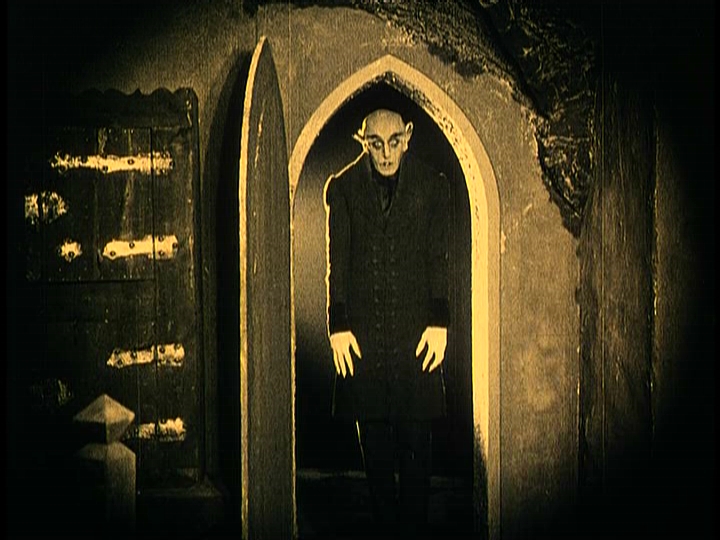
Nosferatu (1922)
Nosferatu (1922)

The outdoor silent film screenings at the East End film festival are always a highlight of the year. Held in the centre of Spitalfields market, the screenings are accompanied by live music from Minima – guaranteed to send a shiver down the spine. But this year Minima, and the festival, have come up with something that promises to be extra-special.

This summer’s screening is of Nosferatu, the landmark vampire horror by FW Murnau, which is 90 years old this year. It’s a movie Minima have accompanied many times before, but not like this:

East End Film Festival presents the World Premiere of A Symphony of Horror, a unique collaboration between soundscapers Minima, Paul Ayres’ Queldryk Choral Ensemble and Hackney-based spatial artist Lucy Jones to create a re-imagined film score and performance on the 90th anniversary of the classic 1922 film.

Enter the fully immersive eerie and unsettling world of Nosferatu where the very walls of Spitalfields Market will be alive with creeping shadows and silhouettes, and reverberating with the soaring tones of the Queldryk Choral Ensemble, featuring 60 choristers, accompanied by the festival’s favourite soundtrackers, Minima.

Silent film screenings with live music have always spearheaded the immersive, live cinema trend, but this event goes a step further, combining an atmospheric location with projections and a spooky soundtrack turned up to eleven.

Admission is free, and the film won’t start until the sun goes down, but you’ll want turn up early to get a good seat and bring your own cushions/blankets/cagoules. For more information, visit the East End film festival website.

For more on Nosferatu, check out Sight & Sound contributing editor Mark Sinker discussing the film on the first Silent London podcast.

Making Tracks at Rich Mix, 30 May 2012

Making Tracks

File this one under Not Quite Silent Film – but that doesn’t mean it  won’t be of interest to the esteemed readers of this blog. And if you scroll down, you’ll be able to get yourself a special deal on tickets too.

Pioneered by Whirlygig Cinema and film-score artists The Cabinet of Living Cinema, Making Tracks is an ongoing interactive event that provides a unique platform for new filmmakers to get their work seen. The premise is simple; Whirlygig seek out amazing films to showcase, strip them of their original soundtracks, and The Cabinet perform brand new live re-scores. It is a perfect way for filmmakers who have had problems with music copyright to get their work screened in public.

Put simply, Making Tracks is all about the magical combination of movies and live music, and even if the films themselves weren’t originally silent, they will be on the night. They can be, however, and you may remember that the award-winning short film Dogged featured at a Making Tracks night a few months back.

Here’s a lovely blog review of a Making Tracks night that puts it in context of the silent film revival and how lucky we are in London to have so many silent film and live music screenings.

With a live soundtrack you feel the vibrations, hear and see everything intensely, get a few shivers down your spine, and share your entrapment in the vision of the filmmaker with your fellow audience.

Making Tracks returns on 30 May at the very hip Rich Mix arts centre in east London. You can find out more details on the Making Tracks website, but the properly fantastic news is that if you follow this link, you can get a special two for one deal on tickets. Don’t forget to tell them I sent you!

Robin Hood with the Royal Philharmonic at Cadogan Hall, 12 July 2012

Douglas Fairbanks in Robin Hood (1922)

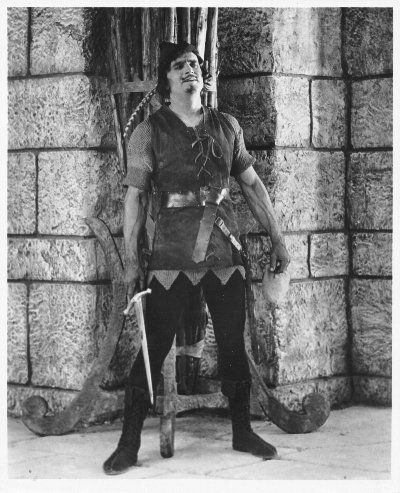
I can tell you right now – the 2012 summer blockbusters will have nothing to match Robin Hood (1922). The towering sets, the impossible stunts, the mischievous humour, the prancing Merrie Men and at the heart of it all, handsome lunatic Douglas Fairbanks springing from one perilous situation to the next. In tights. It’s ridiculous, sure, but it’s ridiculously good fun too. Not for nothing did Kevin Brownlow call it “unique in every respect … as legendary as the story which inspired it.”

This July, Robin Hood will be shown in the grand surroundings of Chelsea’s Cadogan Hall, with an equally grand accompaniment – the Royal Philharmonic Orchestra playing a new score composed by John Scott. If you want to introduce your children to silent cinema, I can think of few better ways to do it. This quote from Scott bodes well for a feisty soundtrack and a thrilling night.

The film calls for an action-packed score. There is romance, intrigue, terror, spectacle, suspense, and as the story progresses it demands more and more, culminating in the spectacle of a royal wedding.

Robin Hood screens at Cadogan Hall on 12 July 2012 at 7.30pm. Tickets start at £12.50 and you can buy them here on the Cadogan Hall website.

A Woman Redeemed at the Cinema Museum, 14 June 2012

A Woman Redeemed (1927)

On 14 June, the Cinema Museum is showing a programme of little-seen British silent films, including a new print of the racy spy thriller A Woman Redeemed (Sinclair Hill, 1927), starring Brian Aherne and Joan Lockton, with musical accompaniment from Stephen Horne.  I’ve seen A Woman Redeemed, and it’s a stylish, well-paced film from the latter end of the silent era that deserves a far more exciting title – and a wider audience. Here, to introduce the film more fully, is a guest post from Amy Sargeant, author of British Cinema: a Critical History (BFI, 2005).

'Hollywood taste' – A Woman Redeemed (1927)

Stoll’s 1927 release, A Woman Redeemed, was adapted by Mary Murillo from Frederick Britten Austin’s Strand magazine short story, ‘The Fining Pot is for Silver’. Both scenarios exploit a contemporary appetite for spy fiction – possibly best exemplified by John Buchan’s The Thirty-Nine Steps, Huntingtower and Greenmantle – and the audience for wartime memoirs published by former Secret Service personnel. Basil Thomson, appointed head of the Criminal Investigation Department in 1913, was twice charged with interviewing the alleged spy, Mata Hari. Self-servingly, he concluded:

No drama, no film story yet written has been so enthralling as our daily repertory on the dimly lighted stage set in a corner of the granite building in Westminster. In a century after we … are dead and gone, the Great War will be a quarry for tales of adventure, of high endeavour, and of splendid achievement: when that time comes even some of the humbler actors who play their part in these pages may be seen through a haze of romance.

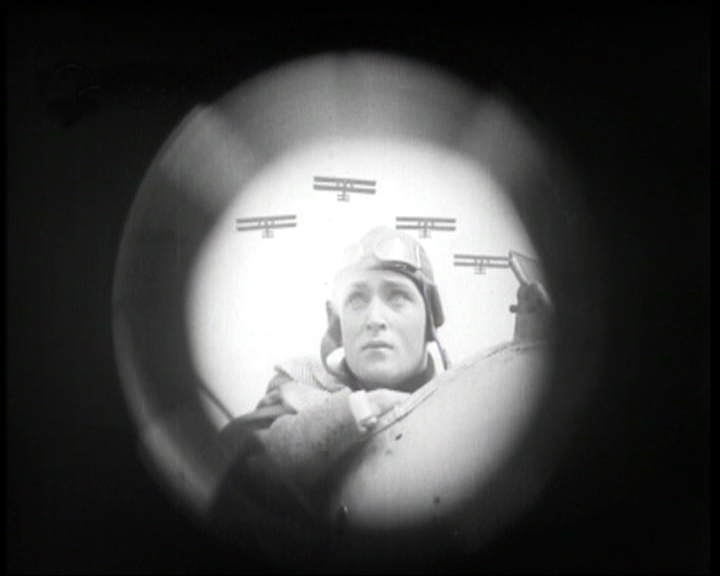
Both Britten Austin’s story and Sinclair Hill’s film feature an organisation of foreign agents, intent upon power and destruction. Geoffrey Wayneflete (Brian Aherne), an irreproachable young pilot distinguished for his service in the Great War, has designed a wireless controlled, pilotless aeroplane ‘that shall make Britain strong enough to keep peace in the world’. The agents conspire to steal his plans, pressing into service Felice Annaway (Joan Lockton), ordering her to use her ‘charm and beauty’ to seduce Geoffrey. Stella Arbenina, meanwhile, plays the darkly enigmatic and heartless Marta, threatening to expose Felice should she fail to comply with the instructions of a dastardly ‘Twisted Genius’. The Criminal Investigation Department is not to be outwitted and pursues the agents to France; a chase ensues, from Paris to London, the centre of a ‘Proud Empire’.

A foreign agent, 'intent upon power and destruction' – A Woman Redeemed (1927)

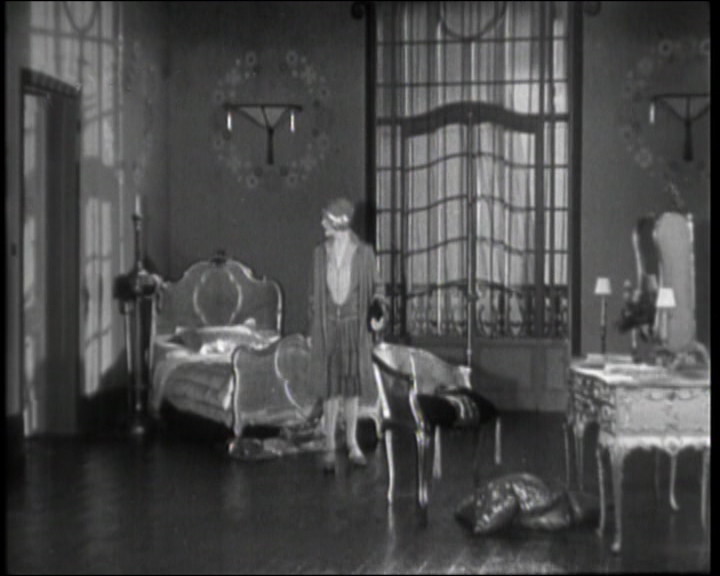
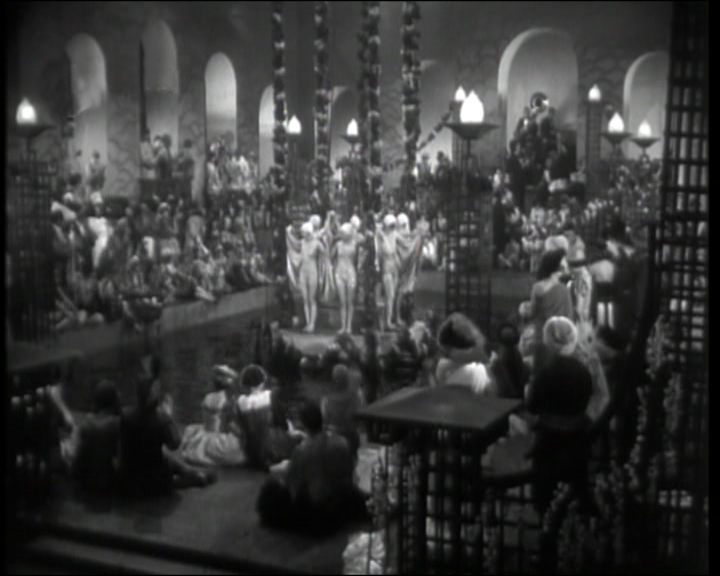
A masked ball afforded Walter Murton, Hill’s designer, the opportunity to produce the most spectacular set witnessed to date in British Cinema: spangled bathing belles dive into a pool from tiered platforms. A 1927 Bioscope reviewer commented wryly on the decors provided for Felice’s Paris hotel suite:

The bedrooms with gold and silver draperies seem rather to suggest Hollywood taste, but for anything we know that may be the taste that appeals to ladies in the pay of alien governments.

One guest at the ball has drawn inspiration from Douglas Fairbanks; Geoffrey comes dressed as Harlequin.

'Spangled bathing belles' – A Woman Redeemed (1927)

As an author, Britten Austin was something of a pasticheur, with a range spanning from popular farce to a modish fascination with the occult: Buried Treasure, combining parapsychology, adventure and costume drama, was filmed by Cosmopolitan in 1921 from a Britten Austin short story, as a vehicle for Marion Davies. However, as a prediction of future aerial warfare, A Woman Redeemed bears comparison with Maurice Elvey’s 1929 High Treason, likewise featuring a gang of alien, deracinated mercenaries and idealists.

A Woman Redeemed uses multinational aliases to designate suspect characters. It gestures towards a return to nationalism in Europe in the late 1920s and early 1930s as a guarantor of inner security and the potential incubator of external conflict.

A Woman Redeemed screens at the Cinema Museum in south London on 14 June 2012 at 6.30pm, with musical accompaniment by Stephen Horne. Tickets cost £8.50 or £6.50 for concessions and are available online here.

Images courtesy of the National Film and Television Archive.

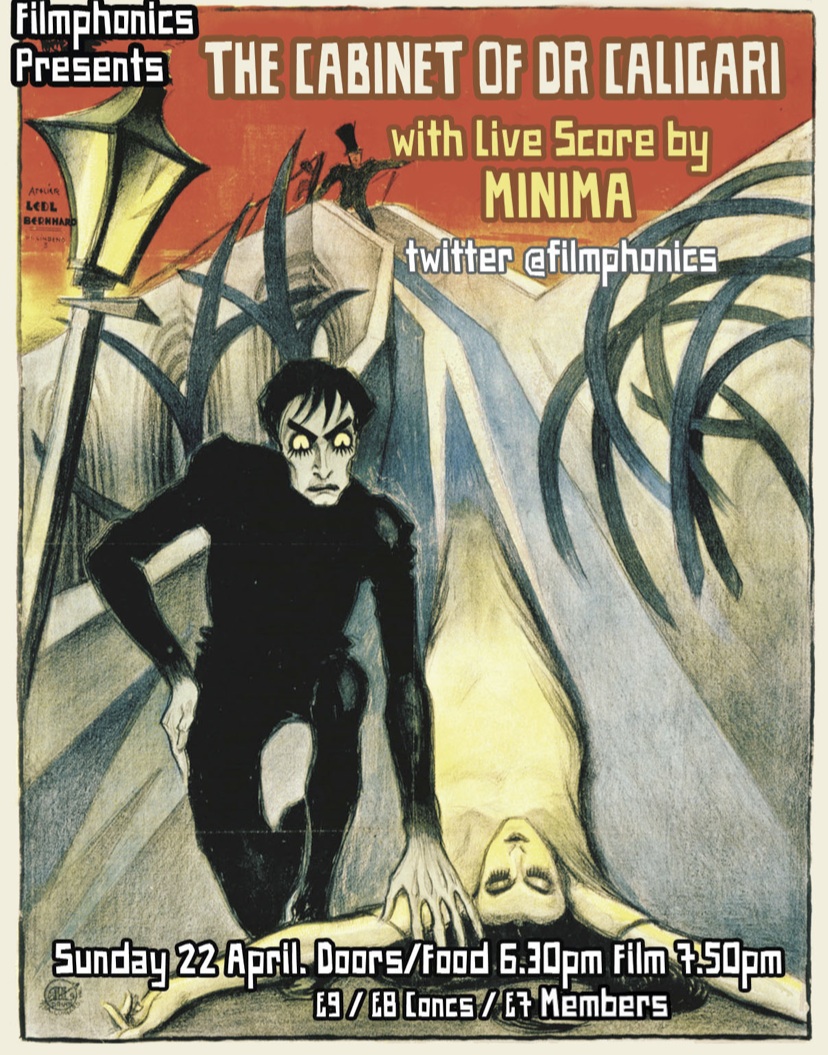
The Cabinet of Dr Caligari with Minima at Hackney Attic, 22 April 2012

Filmphonics presents The Cabinet of Dr Caligari

Glad tidings from east London. The capital’s newest cinema, the Hackney Picturehouse on Mare Street, also boasts the capital’s newest silent film screening venue. Hackney Attic hosts all kinds of live music and cinema events, scheduled by an outfit called Filmphonics. They have already dipped their toe into the silent waters with a sold-out screening of The Adventures of Prince Achmed, complete with belly dancers. Now Filmphonics are officially launching a series of monthly screenings with an event that is sure to be popular – a screening of the nightmarishly creepy The Cabinet of Dr Caligari, with live accompaniment from rock band Minima. if you’ve never seen Minima accompany a silent film, you’ve been missing out. They’re a rock band, albeit one with a cheeky cello, who specialise in the kind of spine-chilling soundscapes perfect for a film this creepy and strange.

The Cabinet of Dr Caligari screens at Hackney Attic on Sunday 22 April 2012. Doors open at 6.30p and the films begins at 7.50pm. Tickets for the screening cost £9, but less for concessions and members. Alternatively you can buy a dinner ticket, which includes the movie, a meal and a glass of wine for £20. That’s a pretty unbeatable night out, I’d say. Tickets are available online here.

Argentine silent films at the Ritzy Cinema, 22 April 2012

It takes, er, three, to tango

Every so often a groovy film festival sweeps into town and shakes up the schedules a bit, introducing us to some silent movies that were hitherto a mystery to us. This month, the Argentine Film Festival arrives, complete with critical hits such as Las Acacias, but also with a programme of silents and live music at the Ritzy Cinema in Brixton.

I’ll admit, I’m not au fait with Argentine silent cinema. A little reading around tells me that only a handful of films made in the silent era in Argentina are still with us today, and that the films the Ritzy is showing have never been seen in the UK before. So this event should be a surprise to most of us.

These four short films, including the newsreel Film Revista Valle (1926), My Sorrel Horse (Mi alazán tostao -1923), The Return to the Bulin (La vuelta al bulín -1926) and Creole Mosaic (Mosaico criollo -1929) – one of the oldest preserved sound films – form part of the first collection of silent films to be recovered by the Pablo C. Ducrós Hicken Film Museum in Buenos Aires, and have never before been screened in the UK.

Together, they offer an intriguing vignette of life in 1920s Argentina, a country that was very much under Europe’s influence – as could be seen in the leisure pursuits of its upper classes – yet retained its own distinct character, not least through the tango.

The news reels featuring fox-hunts, visits from foreign dignitaries and elegant river cruises present a glamorous world which does much to explain how Buenos Aires acquired its title as the “Paris of South America”. At the same time the comic scenes from the tango underworld in The Return to the Bulin and the lawlessness in the country drama My Sorrel Horse are more reminiscent of North American genre films. Creole Mosaic sees one of the first attempts to include sound in films, using a synchronised gramophone record along with the actual screening. More of a musical review than a movie, it presented audiences with the voices and figures of popular radio artists.

It wasn’t easy to be a film-maker in Argentina in the 1920s. Money was tight, equipment was scarce and directors often found them selves multitasking, working on both sides of the camera, and editing films not on a Moviola but with a pair of scissors. Jose Ferreyra, who directed The Return to the Bulin, managed these challenges better than most. His films were made on the fly, often taking tango lyrics as the inspiration for the story. Sadly, Ferreyra’s films were not very well received, but those directed by one of his actors, Italian-born Nelo Cosimi, picked up better reviews. Cosimi didn’t restrict himself to tango themes, but looked farther afield for his subjects. My Sorrel Horse is one of his first films, and shows the influence of Hollywood cinema of the time.

The Argentine silent film programme screens at 5.05pm on Sunday 22 April 2012 in Screen 3 at the Ritzy Cinema, and will be followed by “a musical tour of Argentine tango history” in the bar afterwards. Tickets are available on this link.

Pandora’s Box and People on Sunday at the Classic Film Club, April 2012

Pandora's Box
Pandora's Box


UPDATE: I have just been informed that the screening of People on Sunday on 20 April 2012 will now have live piano accompaniment. That’s another reason to attend!

Just a year ago, Silent London was very pleased to report the news that a classic film club had been established in Ealing, west London – and they kicked off proceedings with two very fine silent films. The wonderful news is that the club is still going strong, and they are showing two more excellent silents this month. Up with this sort of thing.

Pandora’s Box, (1929), directed by G. W. Pabst, on Friday 13th April at 7.30 pm
A masterpiece of German Expressionism, of cinematic eroticism which depicts the rise and inevitable fall of an amoral but naive young woman, who inspires lust and violence in those around her.  The film remains as indelibly strange as ever, capable of reducing some critics to awed silence.

People on Sunday, (1930), directors Robert & Curt Siodmak, Edgar G. Ulmer, on Friday 20th April at 7.30 pm
This effervescent, sunlit silent, about a handful of city dwellers (a charming cast of non-professionals) enjoying a weekend outing, offers a rare glimpse of Weimar-era Berlin. People on Sunday was both an experiment and a mainstream hit that would influence generations of film artists around the world.

The Classic Film Club takes place at Ealing Town Hall,  New Broadway, Ealing W5 2BY.  The nearest rail and underground station is Ealing Broadway. Tickets £7 (concs £6) Membership £10 for 12 months.  One day membership £1.

Beggars of Life with the Dodge Brothers, Barbican, 29 April 2012

Beggars of Life (1928)

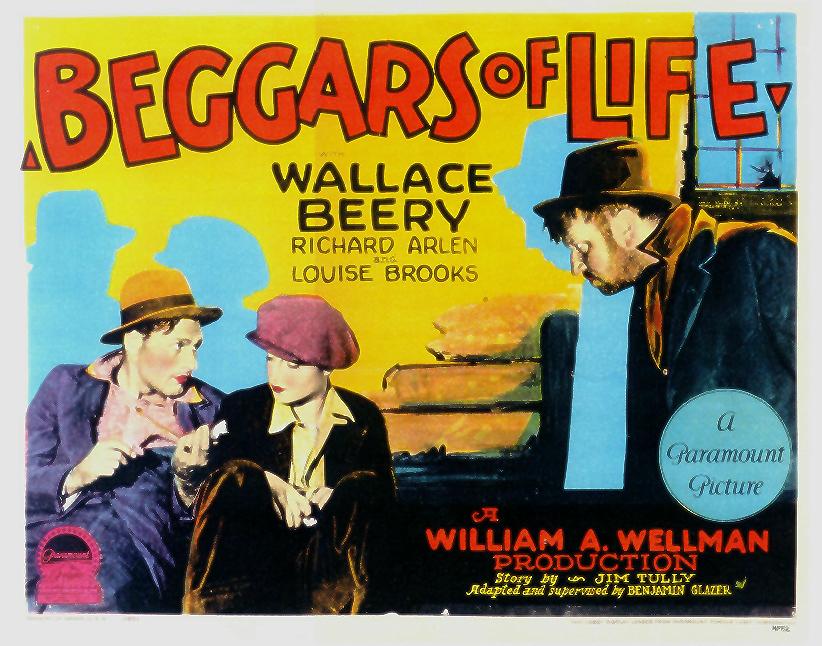
If you were at the British Silent Film Festival last year, you won’t need telling twice to book for Beggars of Life. The gorgeous Louise Brooks, leery Wallace Beery, a hulking great train, ‘Wild Bill’ Wellman at the helm and a soundtrack by the coolest skiffle band in town.

This show is a fine example of how invigorating the combination of a great silent movie and live music can be. The Dodge Brothers, an Americana-drenched quartet featuring none other than bequiffed film critic Mark Kermode on bass and harmonica, will accompany rail-riding rom-com Beggars of Life at the Barbican next month. And their numbers will be swelled by Neil Brand on the piano. Here’s a taster of one of the quieter moments from their score.

And here’s a review of their BSFF performance at the BFI Southbank last year, from the Ithankyou blog. Bryony Dixon herself says: “Never has a film and a band been more perfectly matched”. And if you want more Dodge Brothers action, don’t forget that they’re playing this year’s BSFF too, accompanying Abram Room’s The Ghost That Never Returns.

Beggars of Life screens at the Barbican on 29 April 2012 at 4pm. Tickets start from £7.50 and they’re available here. Please note this screening is rated 12A

The silent Snow White: Blancanieves (2012)

Blancanieves
Blancanieves

You may have read somewhere or other that 2012 is the year of silent cinema. Well, wouldn’t that be nice? Far more certain to be an influence on your multiplex visits this year are a beautiful princess, a wicked stepmother and a poisoned apple. But silent cinema should still get a look-in.

The first of 2012’s adaptations of Snow White, with Julia Roberts as the vain queen and Lily Collins as her red-lipped, fair-skinned stepdaughter will be released in time for the Easter holidays on 2 April. Mirror Mirror is a family film, but it’s a modern twist on the fairytale, which gives Miss White a few more exciting tasks than whistling while she works. Judging by the trailer, she spends most of her time swordfighting with her bandit-dwarf chums and giving Prince Charming a spot of sass.

Released later in the summer, on 1 June, Snow White and the Huntsman is a darker, more violent version of the fairy tale, with Kristen Stewart as the heroine and Charlize Theron as the queen. There are buckets of CG effects in this one and the whole thing has a gritty Twilight-meets-Lord of the Rings vibe, although some of Theron’s scenes look uncannily like a certain perfume ad. This film tweaks the plot even further than Mirror Mirror, with Snow White as a chainmail-clad warrior on a mission to kill the queen. Chris “Thor” Hemsworth plays the hunky huntsman.

There’s even a TV Snow White in the States. Once Upon a Time is made by American broadcaster ABC and stars Ginnifer Goodwin as the long-lost daughter of Prince Charming and Snow White, trying to rescue a town of fairy-tale characters from a curse.

Maribel Verdú in Blancanieves

But enough of the talkies. The Snow White movie I’m really excited about this year hasn’t had a fraction of the publicity of those other flicks. In fact, it hasn’t got a UK release date yet, but it will debut on 28 September 2012 in its home country. Blancanieves is a Spanish film, directed by Pablo Berger, and it’s a Gothic horror-cum-melodrama, which retells the Snow White story in 1930s Madrid. From what I can gather, young Carmen has been tormented from childhood by her vile stepmother, so she escapes to the woods where she joins a troupe of dwarf bullfighters. Maribel Verdú plays the older woman, and Macarena García the younger. Did I forget to mention that it is a silent film? And black-and-white to boot. Splendid.

Berger’s previous feature film, which appeared nine years ago, Torremolinos 73, was a very different beast: a comedy about a man who wants to make arty films but gets into pornography instead. That at least proves he’s no stranger to taking a commercial risk. I really like the suitably Gothic approach he is taking to one of the Brothers Grimm’s nastiest tales, and this gallery of production stills on Facebook suggests that Blancanieves will be a truly gorgeous film. If you need another reason to get your hopes up, back in 2009 the Blancanieves script won a special award at Sundance to help fund the finished film.

There’s something else a little special about Blancanieves, though. The score for the movie is by Oscar-winning composer Alberto Iglesias, who has written for films including Tinker Tailor Soldier Spy and The Constant Gardener, as well as several of Almodóvar’s works. The wonderful news is that, according to the stories I have read, Blancanieves will complete a tour of cinemas with live orchestral accompaniment before its theatrical release. We’re still waiting for The Artist to do the same, though such a jaunt is in the works, we hear.

It’s facetious to draw comparisons at this stage with that other European monochrome silent, but I’m tickled pink to see this outsider muscling into what has been pitched as a battle between two blockbusters. There is always room for a silent film or two to cleanse our palates of all that too-familiar fare.

So which is the fairest of them all? Only time will tell, but I clearly already have a favourite – and a fairytale ending in mind. The other question is, how will Blancanieves compare to the whimsical 1916 Snow White, starring Marguerite Clark:


Read more about Blancanieves here. Thanks to the wonderful Nobody Knows Anybody blog for first alerting me to the film.