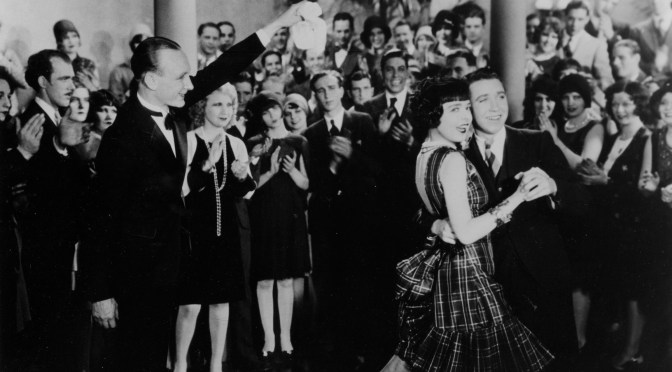
Great news from the north, as Hippfest today launches the lineup for its 16th festival, taking place next month: five days of silent film, live music, workshops, talks and a chance to do the Charleston. All in the vintage splendour of the beautiful Bo’ness Hippodrome.
“They’re eating the dogs. They’re eating the cats.” Proof, if proof were needed, that the American people saw through such anti-immigrant propaganda more than 100 years ago, comes in Dee-Dubya’s 1908 New York comedy Deceived Slumming Party – our first film of Sunday morning. Fraudulent tour guides promise show rich tourists the gritty realness of Chinatown and the Bowery, but the trick is, it’s all staged. Everyone in the opium den was upright and chatty before the tour group arrived, in fact, the barroom fights in the Bowery are choreographed by the bartender (DW Griffith himself) and the “meat grinder” in the Chinese restaurant kitchen, the one that the staff are “feeding” with cats and dogs and rats, is nothing but a sham.
Rich kids slumming it in Chinatown, you say? Hold that thought while we segue from comedy to melodrama, in the shape of Driven from Home (James Young, 1927), which yanked and yanked and yanked at the heartstrings with poor Virginia Lee Corbin disowned by her wealthy father after she married for love, although her devoted mother (Margaret Seddon) was on her deathbed and calling out to see her baby once more. Add to this a subway excavation accident, a scheming vamp housekeeper (Virginia Pearson), and you might not think there was room for an excursion to the Chinatown underworld but you would be wrong, as this film was playing in the Anna May Wong strand. So indeed here we witnessed a scant five minutes of Anna May Wong, as a Chinese restauranteur’s “legal wife and illegal accomplice” radiating more star power than the rest of the rest of the (perfectly good) cast could ever dream of. We understand this is a racist trope, yet it is quite nifty to think that on the evidence of this year’s Giornate, in any given situation, Anna May Wong can locate a secret door in seconds.
I wanted to write something about Carl Davis, but I didn’t really know where to begin. Other people can say far more intelligent things about his music. Other people were in the right time at the right place.
But for an accident of birth, my first introduction to the work of Carl Davis might have been his astonishing score for The World at War, or more aptly for my interests, his collaborations with Kevin Brownlow and David Gill on the Thames Silents, or on the landmark television series Hollywood. I was lucky however, to be exactly this age: I was a bookish teenager when the BBC broadcast Pride and Prejudice, adapted by Andrew Davies, starring Jennifer Ehle and Colin Firth, and with a soundtrack by Carl Davis. Formative.
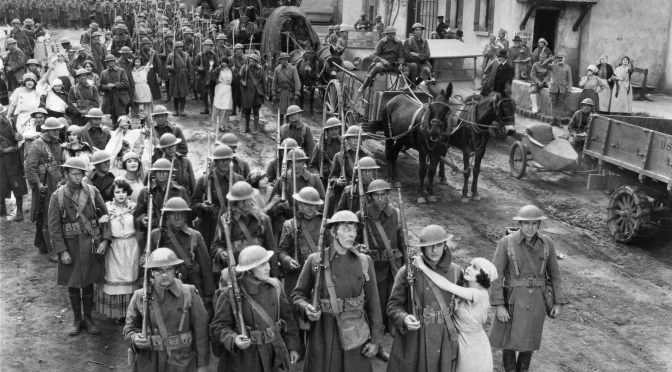
This is a guest post for Silent London by Neil Brand, writer, composer, silent film accompanist and TV and radio presenter. The Big Parade screens at BFI Southbank on 2 February 2020 with musical accompaniment by Neil Brand and an introduction by author Michael Hammond.
In 2006 my wife and I experienced a very personal, very deep loss. Happy events since have well overtaken the pain it involved, but it occurred just as I was about to leave to play for the Giornate del Cinema Muto in Sacile and I had to delay my arrival there until the Monday. Two days later I played The Big Parade. It was last thing on a midweek night, I had asked for the gig and nobody, least of all me, was expecting anything special.
The morning after, as I looked back in horror at what I can only describe as a traumatic experience, I felt that I had to write a document that could be given to the audience at that screening, explaining a few things. With the permission and profound support of my pianist colleagues, and particularly Giornate director David Robinson, I wrote this… Continue reading ‘Hopeless destruction’: Neil Brand looks back on The Big Parade→
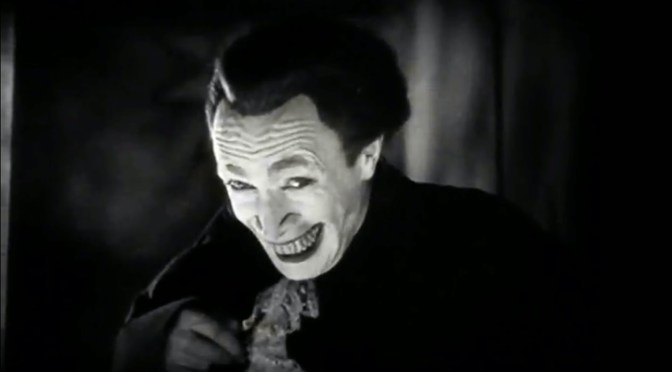
You may have noticed, due to the onslaught of thinkpieces and angry debate, that Todd Phillips’s Joker is released this weekend. This controversial film, starring Joaquin Phoenix, is a kind of origin story for the Batman villain of the same name.
Regular readers of this site, or anyone who has seen the trailer, may be aware that there is a little nod to silent cinema in this movie. So in honour of Joker and his famous grin, let’s count down the 10 most sinister smiles in silent cinema. Please don’t have nightmares.
Mighty Like a Moose (1926)
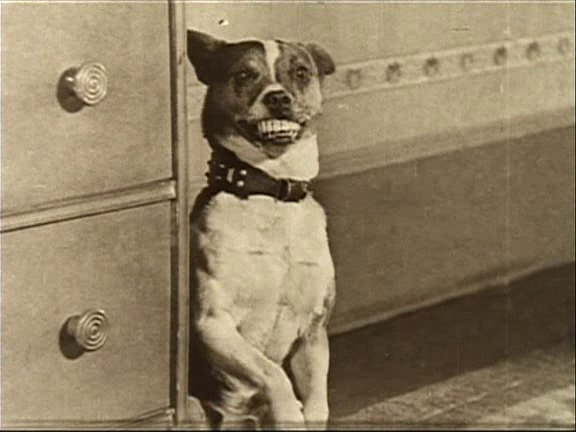
The dog in Mighty Like a Moose
This shouldn’t really be so creepy but it most certainly is. Charley Chase’s plastic surgery comedy Mighty Like a Moose imagines what a dog would look like wearing false teeth. Dear lord above this image is not for the faint-hearted.
Blackmail (1929)
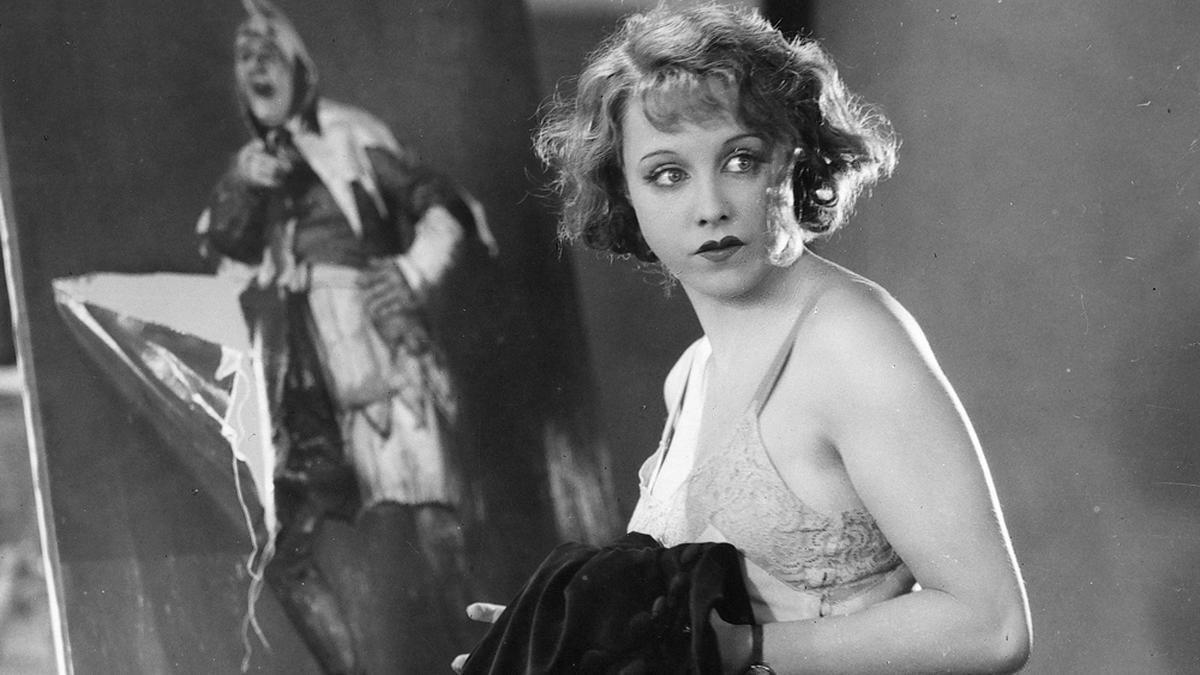
The Laughing Jester in Blackmail
Hitchcock transfers culpability back and forth in this late silent’s tale of rape, revenge and retribution. But who’s bearing witness to all this human misery? The scoundrel artist’s icky painting of a court clown yucking it up – and pointing the finger of guilt. Continue reading No Joker: 10 sinister smiles in silent cinema→
The Brits are coming! Where have I heard that before? Hmmm… Anyway, it seems there is a UK invasion of Pordenone this year, with what looks like a bigger than usual home crowd in attendance already. And a British movie on the first day! After a journey that involved a plane, a train, an automobile, and a bus, I am part of that merry band. Jubilations, I even made it into the Verdi for the first film of the festival, which doesn’t always happen.
And that film was … 3 Days to Live (Tom Gibson, 1924). This was a pacey, if hokey melodrama, hinging on some awful foreign types manipulating the stock market in San Francisco and driving good men to suicide. Yes, it was not very 2017. It was more like 1917, or earlier, racial politics wise (see 1915’s The Cheat, for example), and definitely not a classic, though it had effective moments. A series of three closeups of a woman’s tapping feet, twisting hands and mobile face when she was waiting for her boyfriend to ask her father that question, was one. Another was a set of dissolves between empty rooms in an abandoned house. In such highlights we might detect the hand of youthful assistant director, editor and title writer Frank Capra. Or perhaps not – will we ever know?
I had to miss most of a package of early French Westerns. Yes, French Westerns. Just when you think you have seen it all … I did see Le Revolver Matrimonial (Jean Durand, 1912) thought. This was sweet ersatz Americana trifle in which Arizona Bill woos wealthy Maud (un homme in drag) and must lasso a sympathetic pastor to seal the union. There’s romance for you.
The Scapegrace (Edwin J Collins, 1913) finished the set. This was a British two-reeler though, and I expected Brian Aherne on his hobby horse a la Shooting Stars, but realism prevailed, to a point. This was a sprightly if slightly directionless drama in which black sheep Jack flees to the Yukon to escape his gambling debts and mend his ways. He finds, gold, a girl and forgiveness from his father so all’s well that ends, you know. And The Scapegrace was a Cricks studio production so that makes Croydon the wild frontier … I guess.
L’Autre Aile (1924) Credit: Cinématheque Française, Paris

 Silent London