All posts by PH

Pamela Hutchinson is a freelance writer, critic, historian and curator.

Londoners – A Vintage Film about Modern-Day London

More than 100 years ago, film-makers Mitchell and Kenyon advertised their services to the public with the line: “See yourselves as others see you.” A new film, shot last summer in London, offers us the opportunity to see ourselves, now, as Mitchell and Kenyon might have seen us. Londoners is a 21st-century “actuality”, comprising film shot on the streets of the capital, outside Arsenal’s Emirates Stadium, in Hyde Park and at the Notting Hill Carnival. The twist is that the footage was filmed on a 1915 vintage camera, an old-school hand-cranked machine.

Director Joseph Ernst discovered the camera in a warehouse filled with old film-making equipment, and taking the Mitchell and Kenyon films as his inspiration, set out to record London circa 2011, but at 18 frames per second. As he told Wired.com, the people he photographed with the vintage camera were just as happy to be filmed as the customers of his Edwardian predecessors, and just as astonished by the technology.  “Modern society finds no comfort in the digital camera. We shy away from them. We complain if someone points it in our direction. But if you bring out some spectacular relic from the past, people forget all that. They’re surprised that such a thing still exists and that it actually still works.”

And you can see that amazement in the film, which I was lucky enough to be granted a preview of. Londoners who might well be expected to be unmoved by the sight of a cameraphone, camcorder or iPad pointing in their direction, smile, point and nudge their neighbours when they see Ernst’s vintage machine. A Hell’s Angel dances an old-timey jig, a football fan guffaws and a wag at Speaker’s Corner mimics the cameraman’s movements – the the hand-cranking motion we all recognise from games of Charades. A group of photographers on Millennium Bridge snap the camera from all angles with their hi-tech DSLRs. The dancers at Carnival put on a display too, one that would probably have made the Edwardians blush.

But perhaps the Edwardians weren’t as stuffy as we think. There’s a uncanny, out-of-time quality to Londoners, with its faded, flickery footage of people who dress, stand and gesture just like us, but walk, thanks to the lower frame rate, with a hint of the jerky stiffness we associate with people from days gone by. It’s a reminder, if we needed one, that people don’t change very much at all over the years. Yes, the people in Londoners are more casually dressed, less formal, and overwhelmingly more racially mixed than in those Mitchell and Kenyon films, but they’re just as likely to hurry past or pose for a close-up, to smile or leer at the camera. The faces are the same. In a scene of commuters hurrying down the steps to a tube station, we’re drawn to a man who’s taking the descent a little slower, clutching on to the handrail, struggling to contain the tremors that are running through his body. It seems as if only the film-maker notices, as the crowd streams past him unaware, that the rush-hour journey is not the same for everyone.

In fact, even when the film is joyous, as when primary school children are bouncing in front of the lens, Londoners strikes a mournful tone. The music, which is taken from a gorgeous Bat For Lashes track, sets the mood. But there’s more to this movie. At a time when we’re losing our grip on real film, and apps from Hisptamatic to Silent Film Director offer us to the chance to remodel our snaps and home videos as relics from another time, Londoners’ deliberately archaic, lo-fi construction offers a more powerful blast of nostalgia. In another hundred years, the technology this documentary uses will seem irredeemably quaint, but so too will its subjects’ clothes, their junk food and even their risqué dance moves. But a project such as this compresses the years and shrinks the distance between us and our forebears. Mitchell and Kenyon would feel right at home, and I hope we see something just like it in 2112.

You can find out more about Londoners, and see out-takes from the film, on the Facebook page at facebook.com/LondonersDoc


Riots, refunds and a rescued star: the first Titanic films

RMS Titanic
RMS Titanic

This is a guest post for Silent London by Greg Ward, author of Blogtanic.

Working on Blogtanic, my Titanic centenary blog – I was looking for stories about chairs on the Titanic, but let’s not go into that – I stumbled across this intriguing snippet of movie history, in the New York Evening World of April 27, 1912.

The Titanic cinema riot

At this point, it’s still less than two weeks since the Titanic went down. Three theatres in Bayonne, New Jersey, 10 miles from downtown Manhattan, announce that they’re going to show moving pictures of the sinking. Knowing that no such footage exists, the local police chief declares he will only allow them to show genuine images. And so the audiences riot.  “Having been led to believe they were to see something sensational [they] uttered loud protests. Seats were torn loose …”

Only in New Jersey did the police take it upon themselves to censor such shows. All over the world, moving picture houses were presenting fake “newsreel” images of the Titanic. Typically they’d include actual film of the Titanic’s Captain Smith, shot the previous year but captioned as though it had been taken on the fatal voyage, cobbled together with close-ups of other liners and scenes of icebergs bobbing in the ocean.

Advert in the Tacoma Times

Cinema-goers placed a heavy premium on genuine footage – even though there was none of the disaster itself. In this advert, from Tacoma, Washington, a theatre promises to pay out $5,000 if its pictures aren’t genuine.

Dorothy Gibson
Dorothy Gibson

Meanwhile, the same week as the New Jersey riots, and in the same state, director Etienne Arnaud had already started shooting the first-ever Titanic feature film,  Saved From The Titanic. A mere ten days earlier,  22-year-old bona-fide movie star Dorothy Gibson had escaped on the first lifeboat to leave the sinking ship. Now, working to her own script, she re-enacted her ordeal wearing the self-same clothes, and then segued into a fictional story about finding love with a sailor.  Two scenes were even filmed in colour, using the Kinemacolor process, and it was released on 14 May.

By the time the German feature film  In Nacht Und Eis was released that August, four months after the tragedy, the public appetite for sensational images seems to have been sated. Trade papers solemnly reported that Titanic films “don’t attract audiences any more”.

Tell that to James Cameron.

Blogtanic.wordpress.com is written by Greg Ward, the author of the new Rough Guide to the Titanic. Read more about the BFI’s film screenings to commemorate the Titanic centenary on Blogtanic here.

15th British Silent Film Festival – programme announcement and booking details

Miles Mander and Madeleine Carroll in The First Born (1928)

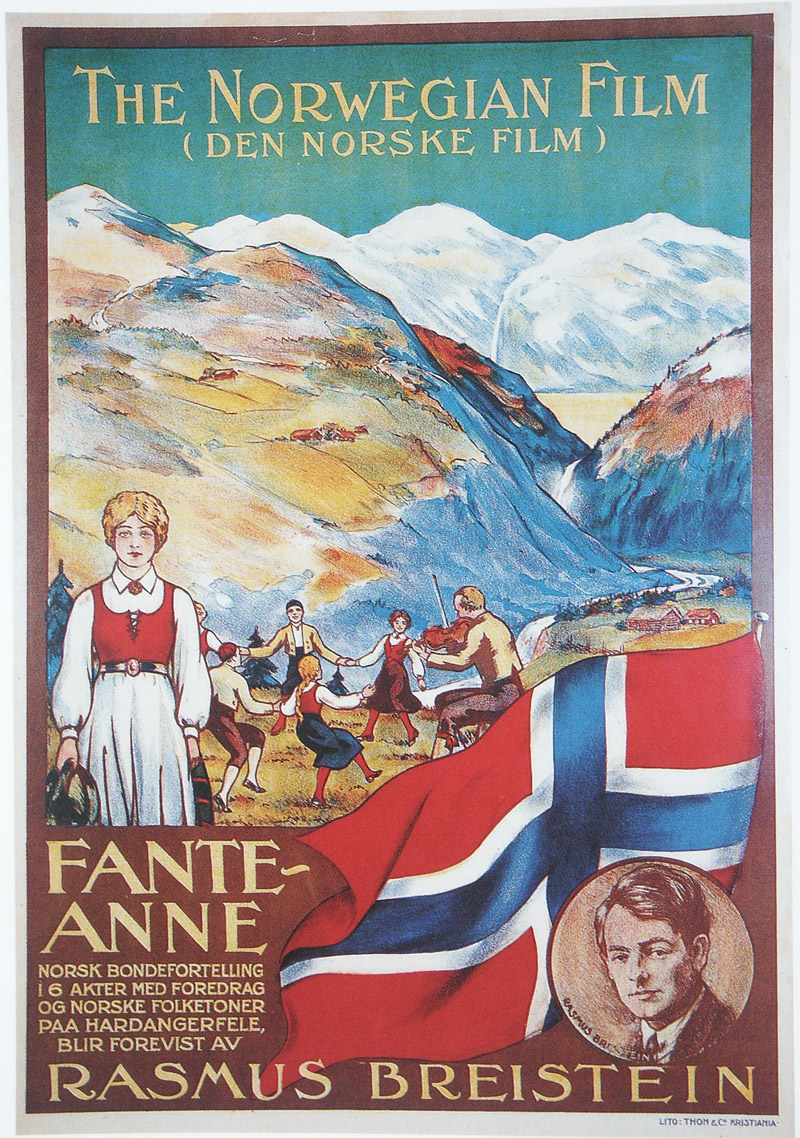
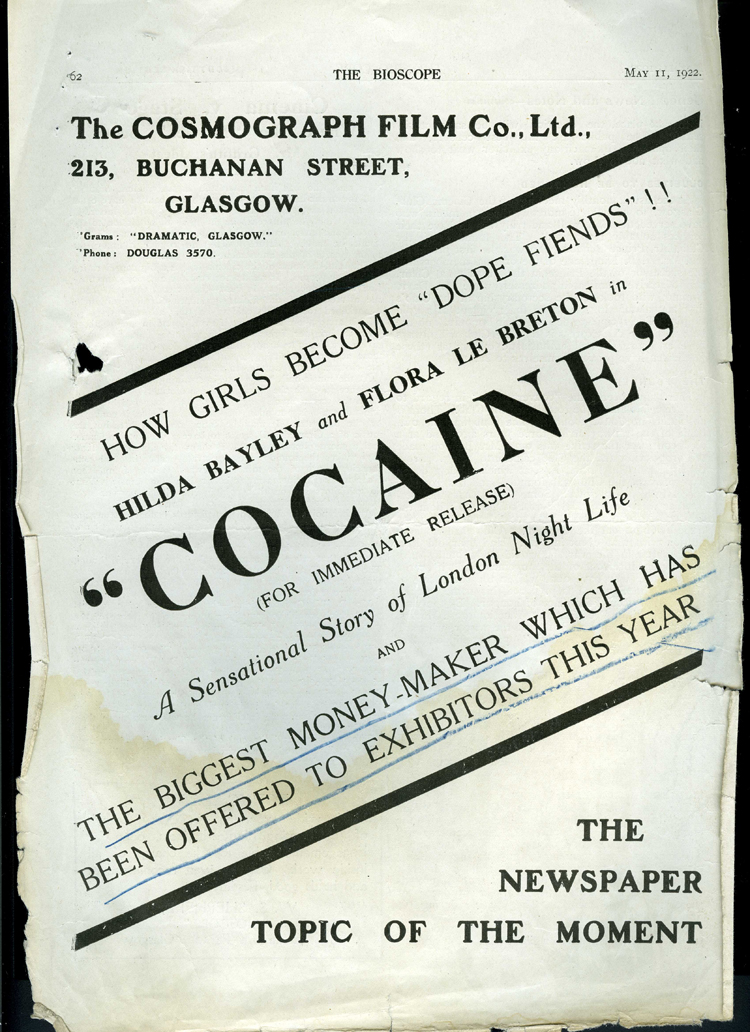
I’m very pleased to say that more details of the programme for next month’s British Silent Film Festival have just been released. The festival takes place in Cambridge this year, from 19-22 April. Delegate passes for the weekend are now available to buy here, and the full schedule is available to browse here. Screenings will include Graham Cutts’s Cocaine, to accompany the ‘What the Silent Censor Saw’ programme, The First Born, with Stephen Horne’s ensemble score, Norwegian drama Fante-Anne (Gipsy Anne) with a new score by Halldor Krogh, Soviet documentary Turksib with accompaniment from Bronnt Industries, folk films from the ‘Here’s a Health to the Barley Mow’ collection and new restorations from the Imperial War Museum. There will be some British silent cinema highlights from 15-year history of the festival, a Grand Guignol strand of macabre movies and Ian Christie will deliver the Rachael Low lecture.

All this plus the Dodge Brothers will be scoring The Ghost That Never Returns live, there’ll be an outdoor screening on the Sunday night, golfing tales from PG Wodehouse, some classic Cambridge comedies and a couple of WW Jacobs adaptations in the form of The Boatswain’s Mate and A Will and a Way. The full announcement is pasted below.

Fante-Anne (1920)
Fante-Anne (1920)

The British Silent Film Festival will be celebrating its 15th Anniversary in Cambridge at the Arts Picture House. The four-day programme will be packed with rarely-seen films from the BFI and other international archives featuring a wide range of fascinating subjects such as: P.G. Wodehouse’s golfing tales including The Long Holeand The Clicking of Cuthbert; rarities based on the charming coastal stories  of W.W. Jacobs including The Boatswain’s Mate and A Will and a Way; a celebration of the centenary of the British Board of Film Classification with a look at ‘What the Silent Censor Saw’ with the rarely screened and risqué film Cocaine.  We’ll be tracing the origins of Cambridge’s brand of ‘university humour’ before the Footlights with a selection of burlesque films from the 1920s and featuring  A Couple of Down and Outs, the ‘silent Warhorse’ made in 1923 which tells the tale of a WWI soldier who goes on the run with his warhorse to save it from the ‘knacker’s yard’. We are also delighted to  be screening the 1920 classic Fante-Anne (Gipsy Anne), directed by the great Norwegian director Rasmus Breistein; accompanied by a new musical score by composer and music producer Halldor Krogh.

Trade ad for the scandalous Cocaine (Graham Cutts, 1922)

We’ll also be featuring some 15th anniversary highlights including the legendary Grand Guignol programme of macabre stories with a twist in the tale and we’ll be including a selection of the best of British silent feature films screened over the past fourteen years. The Imperial War Museum will be presenting their latest silent restorations from their fabulous collection and we are very pleased to announce that Ian Christie will deliver the Annual Rachael Low Lecture.

This year’s ‘hot tickets’ will be the wildly popular Dodge Brothers performing their distinctive brand of Americana to The Ghost That Never Returns at the West Road Concert Hall; Here’s a Health to the Barley Mow with live folk accompaniment to silent films of English folk traditions and the Bronnt Industries playing to the stunning Soviet film Turksib. Regular Festival collaborator Stephen Horne will be performing his fabulous new ensemble music score to The First Born, a dizzying tale of sex, death and British politics.

Screenings will take place at the Arts Picturehouse, Emmanuel College and the West Road Concert Hall. The Festival will draw to a close with an outdoor highlights screening on Magdalene Street in the evening of Sunday 22 April.

This post was updated on 22 March 2012.

Mary Pickford: from the ‘girl with the curls’ to ‘woman’s woman’

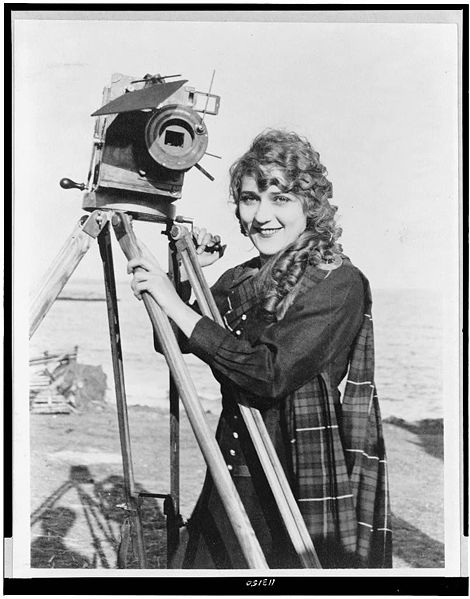
Mary Pickford with camera
‘You didn’t really direct Mary. She was a very sure person in her own category’ – Howard Hawks

This is a guest post for Silent London to mark International Women’s Day by Kelly Robinson, curator of the Birds Eye View Sound and Silents programme. 

Birds Eye View’s Mary Pickford Revived event is part of WOW – Women of the World Festival 2012 at the Southbank Centre. Amarilly of Clothes-Line Alley with The New York Hat and Female of the Species screen at the Southbank Centre on 9 March at 8pm (find out more). Sparrows screens at Hackney Picturehouse on 11 March at 4pm (find out more).

My success has been due to the fact that women like the pictures in which I appear” – Mary Pickford

In any serious study of early cinema, prominent men such as the “Father of Film” DW Griffith and silent clown Charles Chaplin are always first to feature. Happily though, recent literature has sought to readdress this critical gender imbalance by also highlighting the contribution of similarly extraordinary pioneers – including Mary Pickford.

Pickford was certainly a creative force on a par with Chaplin, and the two had a lot in common. Like Chaplin, she also performed in the theatre from a young age to support her family. At 13, a precocious Pickford harangued theatre impresario David Belasco to hire her, apparently telling him: “I’m the father of my family.” Like many other theatre actors, she was initially disdainful of cinema but was drawn in by the financial rewards. She enquired at the bustling Biograph studios for work, and it was here that she met Griffith, the director of two of the beautiful shorts that feature as part of the Southbank programme.

The films in this programme span a period of just seven years but this was a time of rapid change. Indeed, in the months that separate Griffith’s The New York Hat and Female of the Species we can see striking developments in film form and style. The volume of films Biograph churned out was phenomenal and between 1909 and 1910 Pickford appeared in 80 films for Griffith.

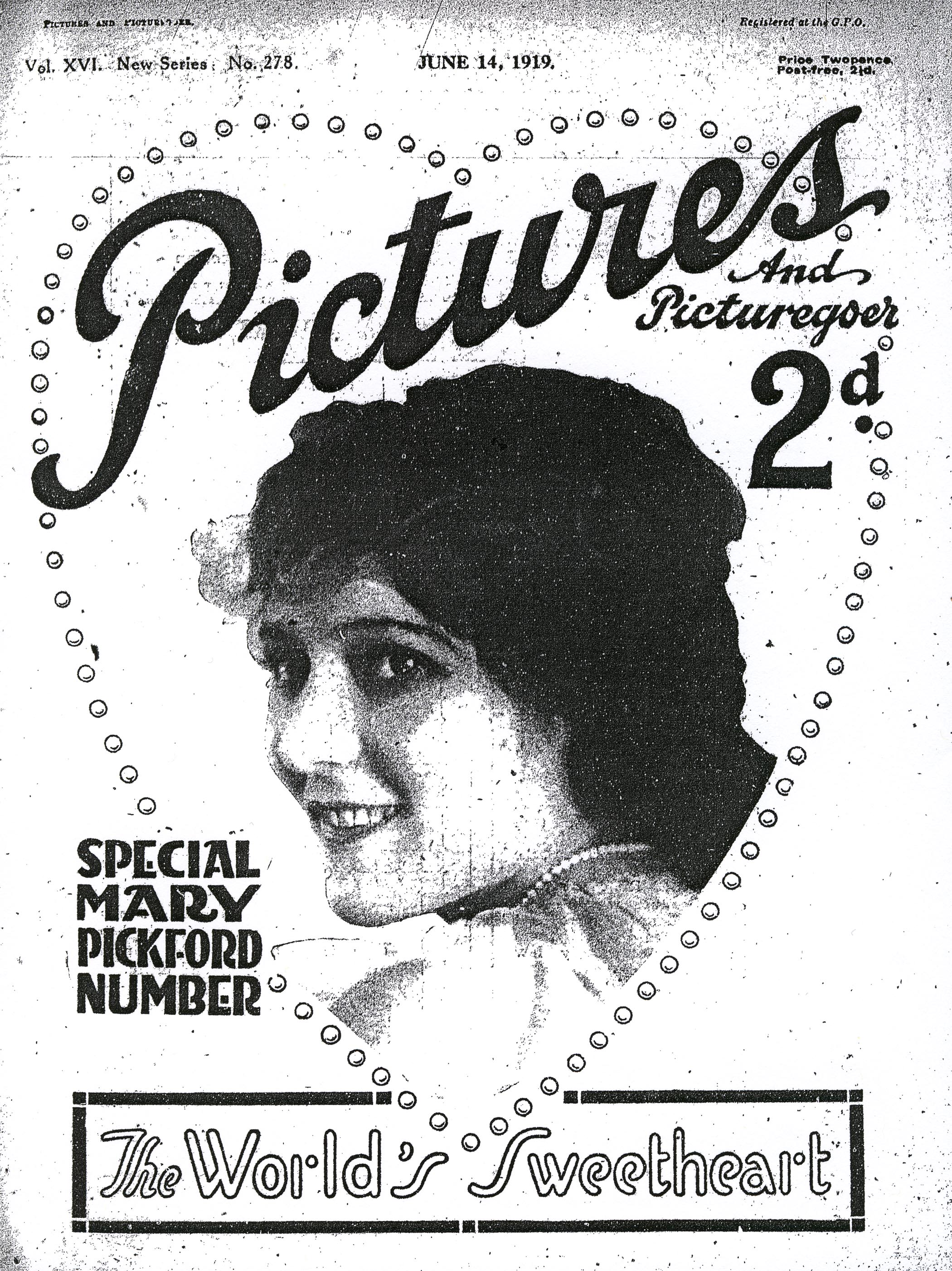
Mary Pickford, America's Sweetheart
Mary Pickford, America’s Sweetheart (Courtesy Birds Eye View)

Pickford said: “I got what no one else wanted and I took anything that came my way because I decided that if I could get into as many pictures as possible I’d become known, and there would be a demand for my work.” Indeed she quickly became a favourite with audiences, although they didn’t yet know her name; she was referred to as the ‘”girl with the curls”. Once she had established the extent of her fame, she asked for a rise from Griffith and her name on the screen.

Continue reading Mary Pickford: from the ‘girl with the curls’ to ‘woman’s woman’

Competition: Listen to long-lost silent film music – and make an animated film

Some of the scores discovered in Birmingham in 2011

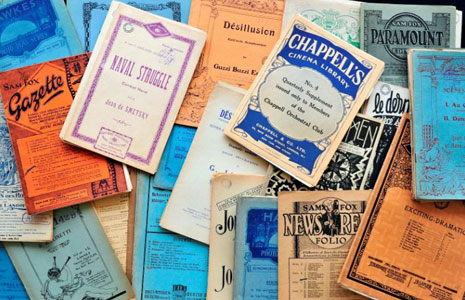
You remember, I’m sure, the exciting haul of silent film music that was discovered in Birmingham last year: the stash contained stock pieces to suit different moods, genres and locations as well as one very specific tune, a Charlie Chaplin theme. There were around 500 manuscripts in total, including compositions for small orchestras as well as solo pianists. The music had been ignored for decades and almost certainly not played in 80 years.

Neil Brand was quoted in the Guardian, explaining the significance of the find:

“This collection gives us our first proper overview of the music of the silent cinema in the UK from 1914 to the coming of sound. Its enormous size not only gives us insights into what the bands sounded like and how they worked with film [but also] the working methods of musical directors. Above all, it gives the lie to the long-cherished belief that silent films were accompanied on solo piano by little old ladies who only knew one tune. When they are played we will hear the authentic sound the audiences of the time would have heard.”

Read more, from the Bioscope, here.

The good news is that this spring, the City of Birmingham Symphony Orchestra will be playing some of the music as part of a special Charlie Chaplin night on Friday 20 April (they’re screening One AM and City Lights). The even better news is that you can hear some of the music on Soundcloud now. I’m quite fond of Dramatic Love Scene:

And how about The Great Ice Floe?

Or The Smugglers?

You’ll find nine tracks on the Orchestra’s Soundcloud page here. The reason that the tracks have been recorded and uploaded is that the Orchestra is holding a competition, and if you’re a whizz with animation you really should think about entering. The deal is that you have to make an animation to accompany one of the tracks, which includes the word “Birmingham” or an iconic image of the city. The winner will see their work on the big screen at the Charlie Chaplin night in April and receive a placement at the Charactershop animation studio and an Introduction to Final Cut Pro X course.

There are more details on the Orchestra’s website here.

Introducing … Charlie’s London

Charlie Chaplin
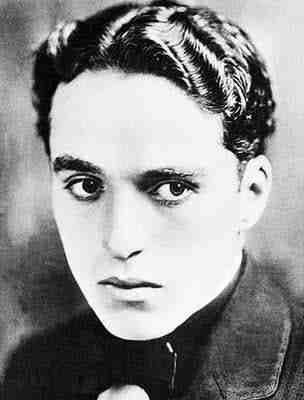
Maybe it’s because he’s a Londoner … Charlie Chaplin

Introducing a new series of guest posts by Chaplin expert and south Londoner Ayşe Behçet: a personal journey through Charlie Chaplin’s London.

Firstly, I want to say thank you for taking the time to read my first blog and what I hope will be an interesting journey through some unknown gems connected with one of the geniuses of early cinema, Charlie Chaplin.

Ayse
Ayşe

My fascination with Chaplin started at a very young age. My grandmother and I would watch his films on a Saturday afternoon and thinking back on it now it was always raining. It was always about three in the afternoon too! With so many other comedians and great silent films circulating, at first I didn’t understand why we mostly watched Chaplin, but soon it all became clear.

My grandmother, my mother and myself were all born just off the Walworth road, so was Charlie. We had meandered around the back streets of Southwark, Camberwell, Lambeth, East Street Market and Kennington, so had Charlie. We had all seen the beautiful buildings and yet the depravity and roughness of the streets, and of course, so had Charlie. Sitting with Nan one day I found all this out, and suddenly I learned more about her through him than I had ever known before. From an early age I felt this immense pride that this hero, icon and pioneer had started life in the same humble beginnings as so many members of my family and he proved that anything was possible.

The images most people associate with Chaplin are the Little Tramp and his glamorous and often debauched escapades in in Hollywood – but I want to look at something more. I want to look at the real Chaplin. The houses, streets and community he knew are all gone, but the signs of his times still linger on in small near-forgotten landmarks scattered across the city. The Three Stags pub where he last saw his father, The Coal Hole Public House, a first steady job for Syd, East Lane and of course 287 Kennington Road, his home while he lived with his father are all still very much there. These buildings still tell tales, as do many other spots in London, and this blog aims to show you all of them, proving that Charlie was always  a London boy – despite the glitz of Hollywood.

Hope you enjoy the instalments, the first blog spot will be Monday 19 March and will run fortnightly from that point on. Keep in touch.

Happy walking round London with me!

Ayşe Behçet

Spiritismes: Guy Maddin revives lost films in Paris

The Blue Mountains Mystery (1921)

“Over eighty percent of silent films are lost. I’ve always considered a lost film as a narrative with no known final resting place — doomed to wander the landscape of film history, sad, miserable and unable to project itself to the people who might love it. This absence haunts me. I need to see these films. It’s eventually occurred to me that the best way to see them would to make contact with their miserable spirits and invite them to possess me. And with actors quite willing to participate in some para-normal cinematic experiments … Every day my actors will plunge themselves deep into a trance, and open themselves up to possession by the unhappy spirit of a lost film. And every day my actors will act out the long forgotten choreographies that once lived so luminously on the big screen for thousands, maybe millions of viewers.” – Guy Maddin

Last weekend, I visited the set of The Blue Mountains Mystery, which was shot in Australia in 1921. The day before, I dropped by to see the same crew, and largely the same cast, working on an Erich Von Stroheim script, Poto-Poto.

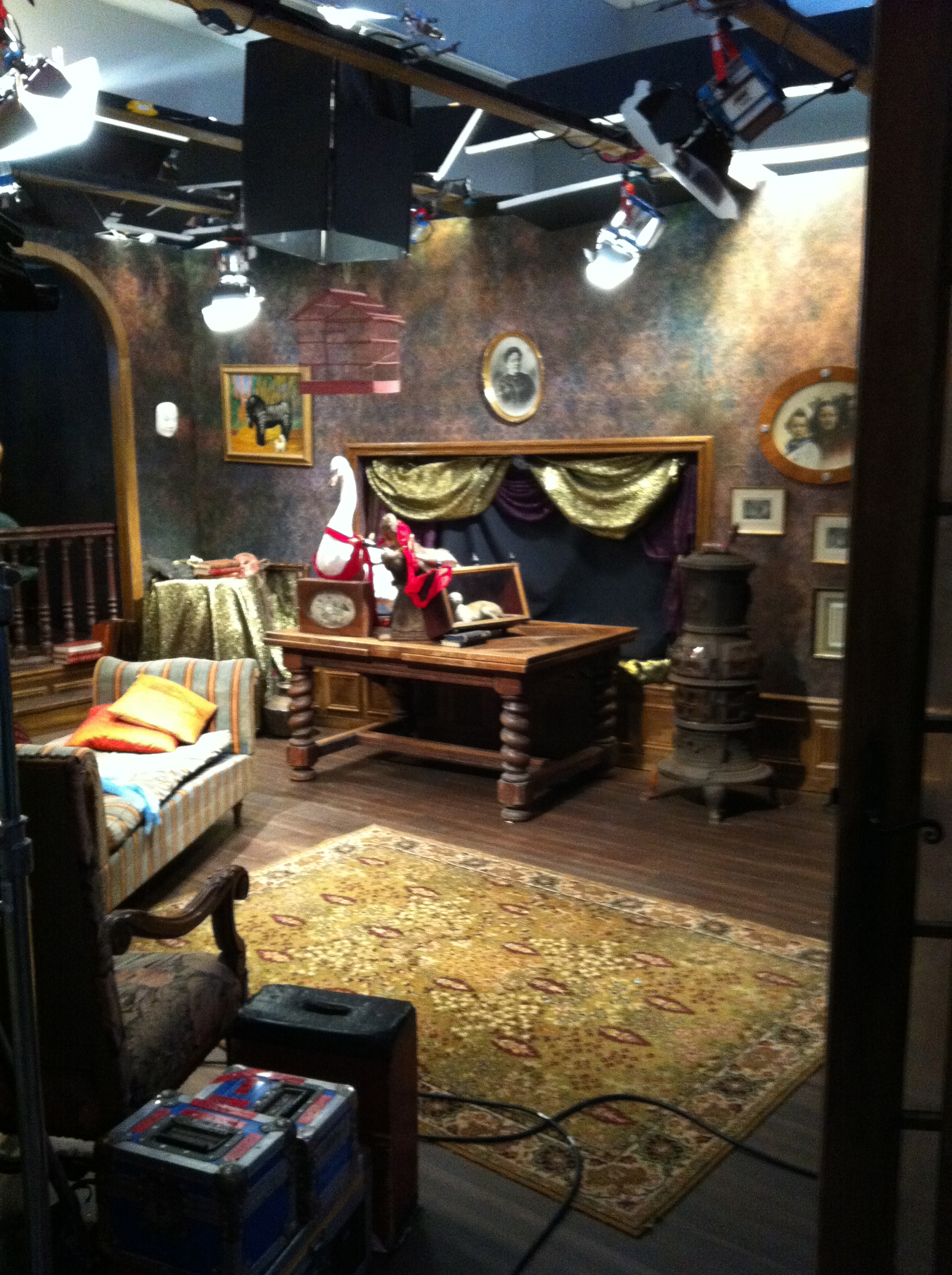
The filming took place, not in another dimension, but in Paris, at the Pompidou Centre, where Canadian film director Guy Maddin has taken it upon himself to shoot an entire film each day, or rather to revive a lost film, in a series of “ciné-séances”. The filming takes place in public, in the basement of the arts centre and I elbowed through the crowds to glimpse the hanging around, whispering and brief bursts of activity that comprise the magic of movie-making. The set of Poto-Poto was very reminiscent of the second half of Queen Kelly, with a large, draped bed, but there was little happening when we swung by. We had better luck with Blue Mountains the next day, somewhere over the shoulders of the crew we may have witnessed a murder, or something that looked a lot like one.

Guy Maddin's The Blue Mountains Mystery séance, Paris 26/2/12
Action! Guy Maddin's The Blue Mountains Mystery séance, Paris 26/2/12. Maddin is in the black T-shirt, with the still camera

“Every day, Guy Maddin invites visitors of the Centre Pompidou to witness the making of a new film inspired by a long-lost movie. Summoning these wandering spirits of cinema in theatrical “séances”, Maddin and his actors inhabit their ghostly scenarios.” – Pompidou Centre

You can read more about the project, and watch a live stream of the filming, here on the Pompidou website. Spiritismes began on 22 February and runs until 12 March; the schedule includes films by Jean Vigo, Kenji Mizoguchi, Lois Weber and William Wellman as well as a few surprises to be announced along the way. Actors in Maddin’s rep troupe include Isabella Rossellini, Geraldine Chaplin and Udo Kier. The films will all apparently be edited and finished and made available to view at a later date.

Spiritismes has taken up residence at the Pompidou in the lead up to the French release of Maddin’s new film Keyhole and will apparently be repeated at other venues across the world, including New York. Let’s hope it comes to London. You can read more on this blog by Kim Morgan, Maddin’s wife and another of the actors involved. I leave you with some blurry phone snaps, and some more wise words from the director.

The set of Guy Maddin's Poto-Poto séance, Paris 25/2/12
The set of Guy Maddin's Poto-Poto séance, Paris 25/2/12. Could that be Geraldine Chaplin in the bed?
The set of Guy Maddin's The Blue Mountains Mystery séance, Paris 26/2/2012

“This project made its way into my head for almost twenty years. During all these years, he moved my heart and even my soul, until I myself am possessed! I learned that there are lost films. Beautiful films, made for a very long, generally silent, popular films, glorified, loved, raised to the level of myth by millions of spectators, some obsessively. Films which, however, dying in obscurity. Since I realized this, I literally haunted. Some of these films were destroyed by the studios, simply because they needed shelves, some were thrown into the sea or burned in a bonfire at picnics countryside. Others were reduced to dust because they were poorly preserved, others perished in the flames in an accident of projection. Some of these films have simply disappeared from history.” – Guy Maddin

.

Carl Dreyer competition: the winners are …

Once Upon a Time (1922)

Thanks to all of you who entered the Carl Dreyer competition. The standard of entries was very high – you’re all very smart, and witty too, Unfortunately for us, my fellow judge Max and I had the difficult task of selecting three winners, each of whom will receive a free pair of tickets to a screening of their choice from the BFI’s Carl Dreyer season. This is a silent film blog, so you’ll just have to imagine the drum-roll, but the winners are, in no particular order:

Thanks again for entering. Look out for more competitions on Silent London soon, including this one.


Post-silent-era silents from City Lights to The Artist

La Antena (2007)

This is a guest post for Silent London by Amber Butchart, author of Theatre of Fashion

“[Talkies] are spoiling the oldest art in the world – the art of pantomime. They are ruining the great beauty of silence.”  –  Charlie Chaplin to Motion Picture Magazine, 1929

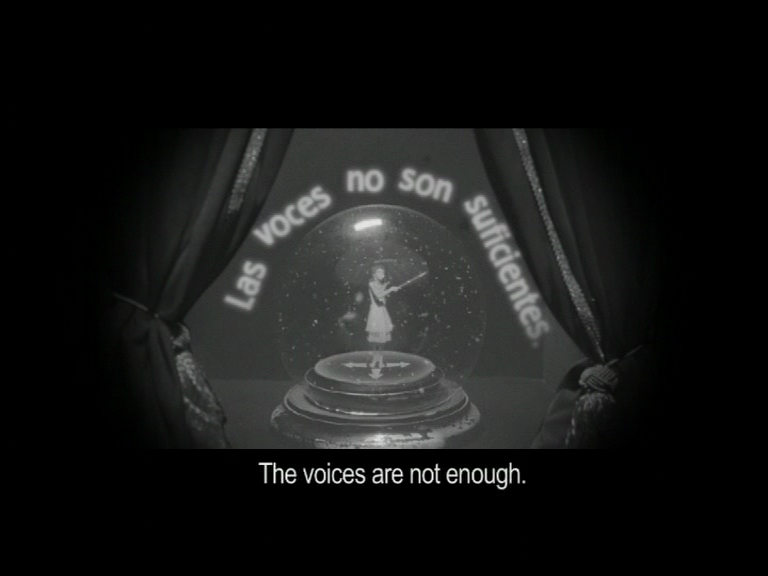
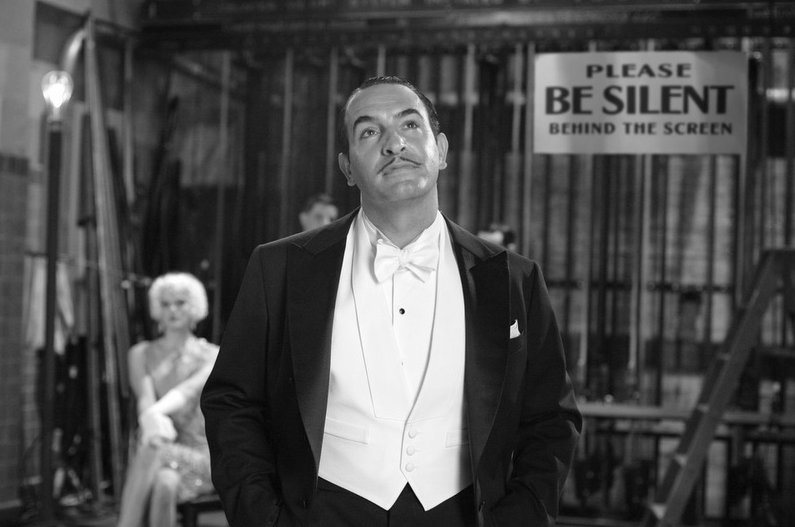
The phenomenal success of The Artist has sparked an understandable resurgence of interest in silent film. The success at the Baftas and the Golden Globes was a foreshadow of last night’s Oscar triumph, where the film bagged, as hoped, statuettes for best picture, director, actor, costume and score. A number of projects have developed in recent years that disregard dialogue in the quest to tell a story, from Silent Life – a silent film about Valentino currently in post-production, to a Charlie Chaplin musical set to open on Broadway this year and Louis, a silent film about Louis Armstrong complete with live score that had its European premiere last year at the Barbican. This interest, reductively dubbed the rise of ‘Retrovision’ by the Guardian, is more than just a passing fad. Creating silent films in a post-silent era, while unusual, isn’t unique: from Chaplin in the 30s to Jacques Tati in the 50s and Mel Brooks in the 70s, many directors have embraced the challenges of creating a narrative based on images rather than speech. It’s often the lament of film composers that their work is considered successful only when the audience is oblivious to it; when it forms such a seamless continuity between emotion and story that the viewer barely notices it’s there. But with ‘Soundies’ – films that have synchronised music and sound effects, but limited speech, the sound paradoxically reaches an elevated level. In fact, such ‘Soundies’ often use their score as a fundamental part of the narrative in a more progressive and successful way than most regular films, and the sound itself becomes a character in the action. In celebration of The Artist’s Oscar success, here’s an introduction to a few of my favourite post-silent-era silent films.

The Artist (2011)
The Artist (2011)

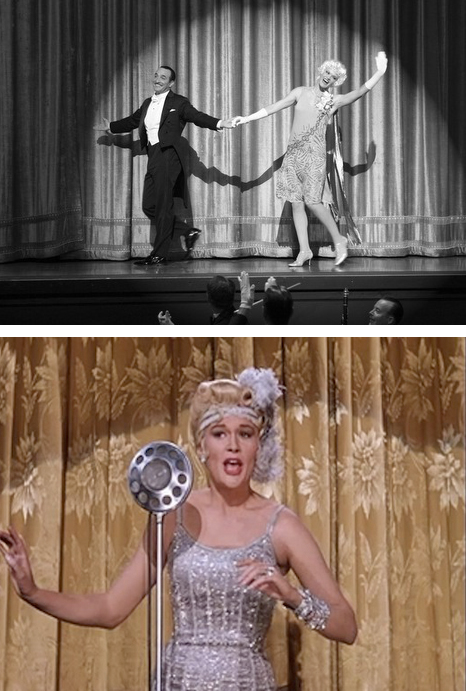
At the core of the narrative of The Artist is the issue of sound itself; the seminal point in Hollywood history where film transitioned from silents to talkies. Hollywood itself has long been enamoured with this era, and classics such as Singin’ in the Rain (1952) and Sunset Boulevard (1950) have both helped to mythologise this process. The descent of silent stars as talkies were developed has become part of Hollywood folklore, but in reality it was more often the case that moguls used the coming of sound to renegotiate or break contracts with stars they wanted to lose – it was used as as a purging process to usher in fresh meat for cinema audiences.

The Artist (top) and Lina Lamont in Singin' in the Rain (1952)
The Artist (top) and Lina Lamont in Singin’ in the Rain (1952)

Continue reading Post-silent-era silents from City Lights to The Artist

The Artist and Hugo clean up at the “silent Oscars”

An-Oscar-statue
It's Oscar!

Well, I think we can allow ourselves to enjoy the moment. Michel Hazanavicius’s The Artist has become the first silent film to win the best picture Oscar since Wings. It also carried away best actor (for Jean Dujardin), best director, best score and best costumes. Martin Scorsese’s not-quite biopic of Georges Méliès, Hugo, was the other big story of the night, winning the same number of awards, including heavyweight gongs for cinematography and art direction as well as three technical awards: best sound mixing, best sound editing, visual effects. I’d like to think it doesn’t take anything away from Scorsese to suggest that his awards were also a tribute to Méliès himself, in recognition of his beautiful, magic films.

We all know that Hollywood loves films about the movies, and there are those who love silent film who don’t necessarily love these two films – but there is no doubt that last night was a triumphant one for fans of the silent era. Let’s not forget that the Buster Keaton-inspired The Fantastic Flying Books of Mr Morris Lessmore triumphed in the best animated short category too. And the 2012 Academy Awards capped a joyous year in which early cinema was talked about more than it had been for years.

Here’s a quick look back at how it was reported on Silent London:

The Artist is announced for Cannes

The Cannes critics fall for The Artist

The Hugo trailer lands

The Artist: London film festival review

Hugo: review

I meet Uggie, star of The Artist

The Artist triumphs at the Baftas

What to watch when you have watched The Artist

The Cinematic Race to the South Pole – competition

The Great White Silence (1924)

If you’ve seen The Great White Silence, Herbert Ponting’s devastating film of RF Scott’s Antarctic expedition, or Frank Hurley’s South, which follows Ernest Shackleton’s voyage through the same freezing waters, you’ll know this is an exciting piece of archive programming. The BFI’s Cinematic Race to the South Pole season features footage of expeditions by Scott, Shackleton and yes, Amundsen too, in three themed packages. You can read more about it here.

Thanks to the touching generosity of the BFI, I’m giving away a pair of tickets to a screening in the season along with a gorgeous poster for The Great White Silence. To enter, all you have to do is send an email. No question this time!

To win a pair of tickets to the BFI Southbank’s season commerating the race to the South Pole PLUS a copy of the BFI poster for the film The Great White Silence, simply email filmcompetitions@bfi.org.uk with Silent in the subject header by 10 March 2012.

A silent encore: What to watch when you have watched The Artist

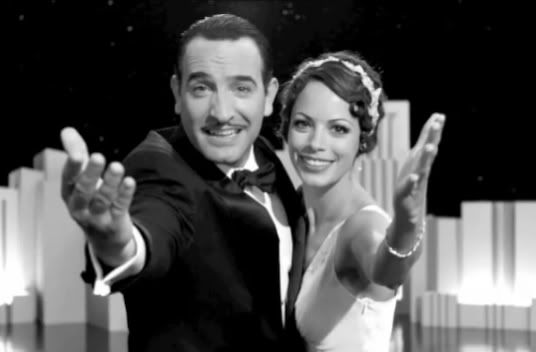
Berenice Bejo in The Artist (2011)

Warning: this blogpost contains spoilers! Close this tab on your browser. Go to the cinema and watch The Artist. Then we can talk…

The Oscars are looming now, and The Artist is still the frontrunner for the biggest awards, which is one of the most exciting triumph-of-the-underdog stories Hollywood has produced in years. So the chances are, lots of people who would never have thought to watch a silent movie have now done so, and fingers crossed, they’re hungry for more. If you’re one of those people, read on. The Artist gives nostalgia, and film geekery, a good name, and whether you think it matches up to the films it pays tribute to or not, it’s the perfect prelude to a movie marathon. But where to begin, especially if you’re new to silent cinema?

Continue reading A silent encore: What to watch when you have watched The Artist

Win tickets to watch Faust at the Royal Festival Hall

It’s already one of the most exciting silent film events of the year – and could be the perfect way to celebrate (fingers and toes crossed) a silent film winning the Best Picture Oscar on Sunday night. FW Murnau’s classic Faust (1926), screens at the Royal Festival Hall on Monday 27 February, with a new score by Aphrodite Raickopoulou, performed by the Philharmonia Orchestra and accompanied by improvisation from acclaimed pianist Gabriela Montero. Hugh Grant will introduce the film and the orchestra will be conducted by Benjamin Wallfisch. Read more here.

If you want to win one of ten pairs of tickets to watch this wonderful film with its fantastic new score, just answer this simple question:

  • We all know that FW Murnau directed Faust. But what do his initials FW stand for?

Email your answer to silentlondontickets@gmail.com with FAUST in the subject line, by noon on Friday, 24 February 2012. The winners will be picked at random from the correct entries and emailed with the good news. Best of luck!

A stroll down Flicker Alley – photos

Cecil Court, AKA Flicker Alley

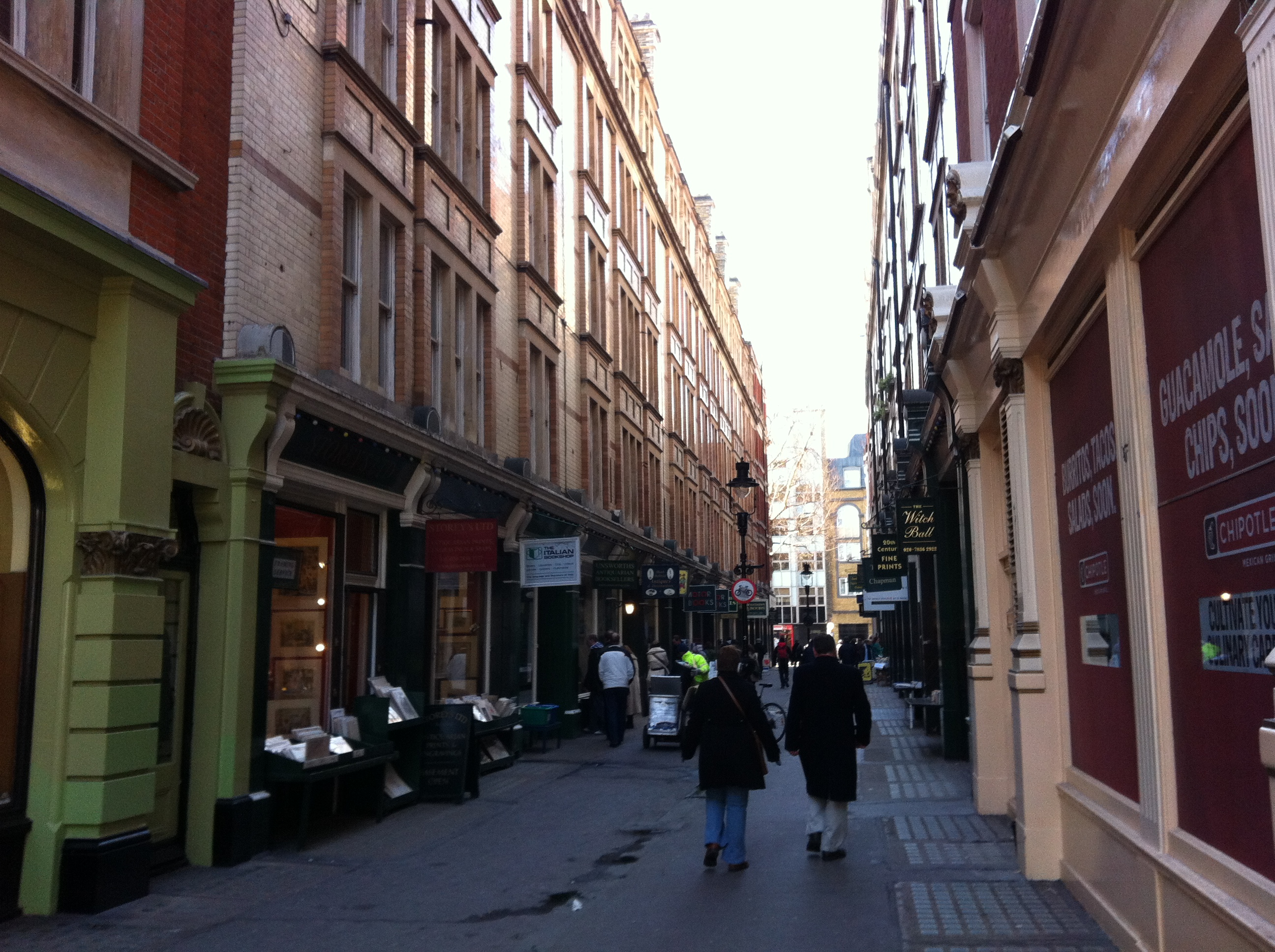
Cecil Court is a tiny turning off Charing Cross Road in the West End of London. Nowadays it is packed with bookshops, boutiques and ‘psychic advisers’, but back in the beginning of the 20th century it was “the heart of what was new in the British film industry, attracting young companies who clustered together to learn from one another” (Simon Brown, Film Studies, 2007). Following last year’s summer film festival, these ‘blue plaques’ have been posted in the shop windows of Cecil Court, as a reminder of the time when it was known as ‘Flicker Alley’. Read more here.

Vodpod videos no longer available.

Flicker Alley, posted with vodpod

Storify: Silent movies for a nine-year-old boy

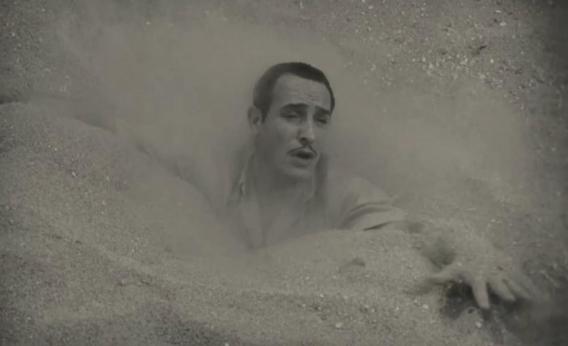
Jean Dujardin sinks into the quicksand in The Artist (2011)

I am something of an evangelist for Twitter, where, in turn, I am something of an evangelist for silent cinema. On Tuesday night, a Twitter user called @Drangula approached me with a request. Would I repost his plea for film recommendations? “Wiz pleasure!”

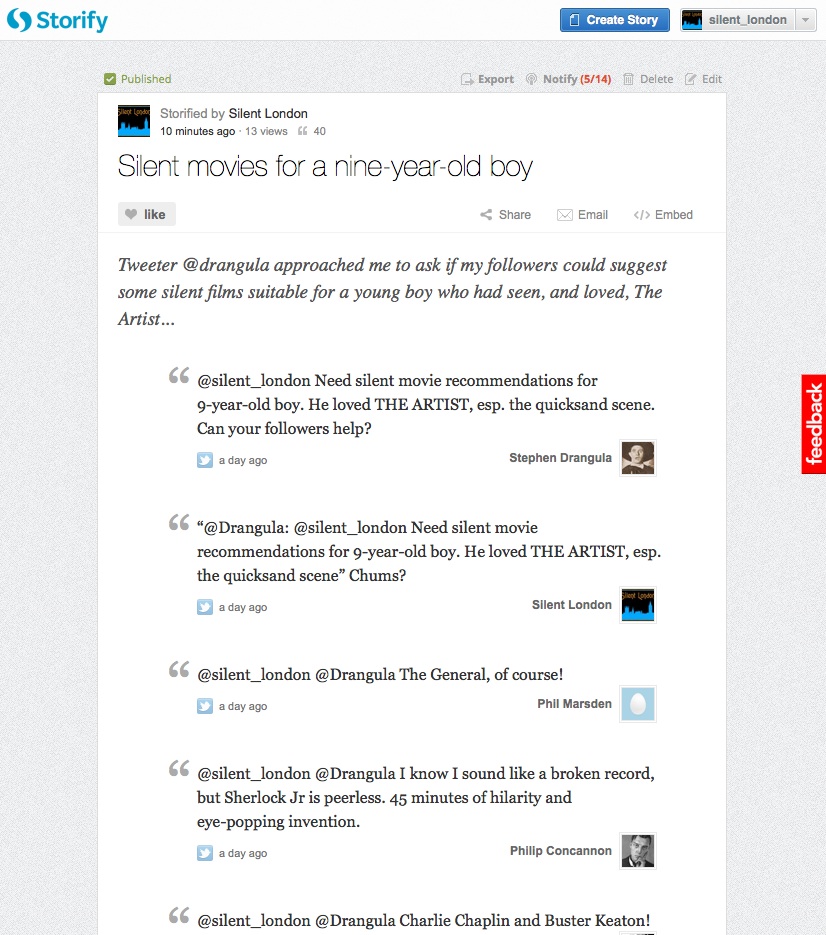
Storify screengrab
How the conversation began ...

@Drangula knows a nine-year-old boy who loved The Artist and wanted to watch more silent films. What would be suitable? Considering this request came through at around 9pm GMT on Valentine’s Day, I was overwhelmed by how many people responded and by the quality of their suggestions too. It’s a great question, which prompted some great answers. Thanks to all the people who took part.

I have attempted to collate all the responses using Storify, so these random acts of cinematic kindness could be saved for posterity. I’m sure you’ll agree that this was a Good Thing, and I really hope the young lad enjoys the films, and his  mother overcomes her aversion to Chaplin.

Click here to see how the conversation went.

Win tickets for The Passion of Carl Dreyer season at BFI Southbank

Once Upon a Time (1922)

The announcement of March’s Carl Dreyer retrospective at BFI Southbank is some of the best news I’ve had in ages. In fact I was so thrilled, I previewed the silent films in the season here. More importantly, I hopped on to the Carl Dreyer website and made a film about it. It’s easy to make your own Dreyer movie – just type in your name, write three intertitles for the King of Illyria and his messenger and voila.

The reason I’m telling you this is that the BFI has kindly offered readers of this blog the chance to win one of three pairs of tickets to a screening of your choice in the Dreyer season. I’m going to give the tickets to the three people who make the best Dreyer movie – so follow this link, make a film and email the results to silentlondontickets@gmail.com. The three best entries will win a pair of tickets and I will post them on the blog too. Enjoy, channel your inner Scandinavian and good luck!

The competition closes on 28 February 2012. The judges’ decision is, of course, final.

The Artist triumphs at the Baftas. Wow.

The Artist (2011)
The Artist (2011)

We are living in strange, glorious times. The Artist, Michel Hazanavicus’s silent billet-doux to Hollywoodland, has officially “swept the board” at the Baftas. Best director, best actor, best original screenplay and best picture all fell to a modern silent film, for the first time, it should go without saying, in Bafta history. The Artist also picked up much-deserved prizes for cinematography, costume and score. It has all made for an unexpectedly emotional night here at Silent London towers.

Why? The Artist isn’t the only modern silent to have been made in recent years. It isn’t even the best. But when you are as passionate about a particular corner of film history as I am, and as the readers of this blog are, it does the heart good to see it in the spotlight, with a trophy in each hand. The air has been punched, a stray tear has been wiped and now a glass of vin blanc has been poured, and raised in honour to the lovely M Hazanavicius. The Artist is a lovely film, and most quibbles I, and other early cinema enthusiasts, have with it, are impossible to untangle from its privileged position as a standard-bearer for the silent era. At some point we have to give it credit for getting into that position in the first place. So congratulations to The Artist – for earning both popularity and critical acclaim and being so damn charming with it.

Martin Scorsese’s Hugo won a brace of awards too: best production design and best sound (ho ho). So I’ll raise another couple of toasts: to cinema pioneer Georges Méliès, and to Martin Scorsese, a masterful director and the world’s greatest living advocate for film preservation. That’s part of the reason he won the biggest award of the night – the Bafta fellowship.

Roll on the Oscars at the end of the month. The silents are coming!

The Silent Passion of Carl Dreyer, BFI Southbank, March 2012

The Master of the House (1925)

Today, Carl Theodor Dreyer is best known for one lost-and-found silent masterpiece, and five subsequent sound films shot many years apart – but the little-mentioned fact is that the 1920s were his most productive decade. The BFI’s forthcoming retrospective, The Passion of Carl Dreyer, offers a chance to to shift the balance. In March, you’ll be able to see all nine of the Danish director’s silent features on the big screen, from 1919’s daring The President to the timeless The Passion of Joan of Arc (1928). A closer look at Dreyer’s silents is always rewarding, both for their continuity with the themes of religion and female suffering found in his later films such as Ordet and Day of Wrath, and for the revelation that this serious Scandinavian was also a master of comedy.

Dreyer had been working as a journalist when he was first hired by the Nordisk company in 1913 to write intertitles and to edit and write screenplays. This was a boomtime for Danish cinema: in the teens, Nordisk was not just making hundreds of films a year but exporting them widely too. From writing intertitles, he discovered the strength of distilled, almost elliptical speech – he later talked about how he whittled down the dialogue in Vampyr (1930) until it was almost a silent film, and it was all the more powerful, all the more eerie, for his labours. Dreyer worked on the screenplays of several literary adaptations at this time, which also cemented his opinion that great films should have literary sources – and all his features did.

It was as he grew more confident in his work at the studio, and was working as an editor, that Dreyer developed his signature film-making style too – before he had even stepped on set as a director. As David Bordwell has written, Nordisk’s films at this time were predominantly shot in the “tableau” style, with the actors blocked in sophisticated patterns on a deep stage. When Dreyer got behind a camera he ditched that approach in favour of an edit-heavy style more popular with American film-makers such as DW Griffith. This distinctive, modern, method is apparent in his very first feature, just as it is in the barrage of close-ups that comprise his final silent film, The Passion of Joan of Arc.

The purpose of this post is to offer a quick introduction to Dreyer’s silents, which are for the most part much less widely seen than his sound films – and really do draw a different picture of the director. I assume that most of you are familiar with The Passion of Joan of Arc – if you haven’t seen it, you must take this opportunity to do so – but I also highly recommend many of the others, especially The Parson’s Widow and The Master of the House.

Continue reading The Silent Passion of Carl Dreyer, BFI Southbank, March 2012

The Cinematic Race to the South Pole, BFI Southbank, March 2012

The Great White Silence (1924)

Spring 2012 marks a couple of grisly, yet hugely significant centenaries. The Titanic sank on 15 April 1912 (more of which in forthcoming posts) and on 29 March 1912 or thereabouts, Robert Falcon Scott succumbed to cold and starvation and died a few miles from the South Pole.

The story of Scott and his crew’s tragic expedition has been told many times, but nowhere more movingly than in The Great White Silence (1924), Herbert Ponting’s silent documentary that was rereleased theatrically last year.

To commemorate the centenary, the BFI has scheduled three special screenings of documentary material relation to Antarctic exploration, each pegged to an individual explorer. You’ll probably be familiar with The Great White Silence by now, but if you haven’t seen it yet (or bought it on DVD/Blu-Ray), this is a fantastic opportunity to see it on the big screen. The Ernest Shackleton film South is a marvellous companion to The Great White Silence, with fantastic photography from Frank Hurley. It was also recently restored by the BFI and released on DVD. The footage of Roald Amundsen’s rather more successful voyage is less widely seen and promises to be fascinating.

Race to the South Pole: Amundsen and the Others

Our first programme focuses on Roald Amundsen and the little-seen film Roald Amundsens Sydpolsferd (1910-12), restored by the Norwegian Film Institute and here playing in context with a selection of surviving fragments from films of the expeditions of William Speirs Bruce in 1902-4 (The Scottish Antarctic Expedition), Shackleton in 1908-9 (Departure of the British Antarctic Expedition from Lyttelton, NZ 1st Jan 1908), the Japanese Shirase in 1911 (Nihon Nankyoku Tanken), and a work in progress to recreate cinematographer Frank Hurley’s original lecture on the Mawson Australian Antarctic Expedition 1910-12.

With introduction by Bryony Dixon and live piano accompaniment.

Race to the South Pole: Amundsen and the Others screens at NFT3 at 6.20pm on 14 March 2012. Tickets are available from the BFI website.

Race to the North Pole: Scott

Memorial Service at St. Paul’s Cathedral to the Antarctic Heroes (Pathé Animated Gazette, UK 1913, 1min) + Captain Scott and Dr Wilson with ‘Nobby’ the Pony (Gaumont Graphic, UK 1912, 1min) + Cardiff: The Ship ‘Terra Nova’ Leaving Harbour Towards the South Pole (Pathé Animated Gazette, UK 1912, 1min) + The Great White Silence (UK 1924, dir Herbert Ponting, 106min. Digital)

To commemorate the centenary of the death of Scott and his companions we present Herbert Ponting’s moving tribute The Great White Silence (1924), together with newsreels of the time showing how contemporary audiences followed the momentous news from the planet’s last unexplored continent.

Introduced by Bryony Dixon

Race to the South Pole: Scott screens at NFT3 at 6.30pm on 21 March 2012. Tickets are available from the BFI website.

Race to the South Pole: Shackleton

South – Sir Ernest Shackleton’s Glorious Epic of the Antarctic (UK 1919, dir Frank Hurley, 72min) + El Homenaje del Uruguay a los Restos de Sir Ernest Shackleton (Uruguay 1922, dir Henry Maurice, 10min, Spanish intertitles) + Southward on the ‘Quest’ (UK 1922, extract, c5min).

Of all the heroic age Antarctic explorers, Shackleton seems to have the most enduring popular appeal. Almost nothing of the film from the Nimrod expedition which inspired Scott and Amundsen seems to survive, but we do have Frank Hurley’s extraordinary document South (1919) which we will be showing with rare footage of Shackleton’s last expedition and the huge crowds gathered for his lying in state in Montevideo, Uruguay.

Introduced by Bryony Dixon. Live piano accompaniment.

Race to the South Pole: Shackleton screens at NFT3 at 8.40pm on 22 March 2012. Tickets are available from the BFI website.

Hippodrome Festival of Silent Cinema, Bo’ness, 16-18 March 2012

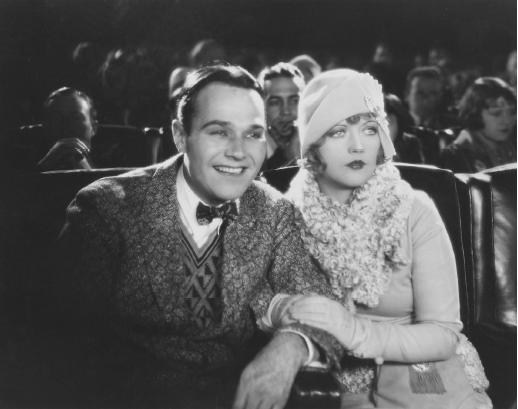
William Haines and Marion Davies in Show People (1928)

The Hippodrome in Bo’ness is Scotland’s oldest purpose-built picture palace – and it’s a real beauty. This year, the cinema is celebrating its 100th birthday in grand style, with the return of the Hippodrome Festival of Silent Cinema.
The centenary event builds on the success of last year’s festival, and tips its boater to a certain modern silent hit too. The opening night gala will be a screening of Show People, starring Marion Davies as a Hollywood wannabe whose dream comes true – shades of Peppy Miller, of course. It’s a real treat of a film, and it’s packed with cameos from silent Hollywood stars too: you’ll be able to spot Charlie Chaplin, Douglas Fairbanks, John Gilbert, William S Hart and Mae Murray, among many others. William Haines is Davies’s co-star and King Vidor directs. Neil Brand will be playing the piano. If you’re attending the gala, don’t forget the dress code: the theme is Hollywood film star, the more glamorous the better.
Other events at the festival include:

  • The fantastic new restoration of British drama The First Born, starring and directed by Miles Mander, with a brand new score by Stephen Horne, performed by Horne and his band.
  • A Jeely Jar Special family screening of Harold Lloyd’s Safety Last! Bring along a clean jam jar (and matching lid) for a 2-for-1 ticket deal on the Saturday morning. Piano accompaniment by Neil Brand.
  • Two comedy shows: Another Fine Mess with Laurel and Hardy and The Keystone Connection, curated by David Wyatt, with Stephen Horne on the piano. You knew, of course, that Keystone Studios was founded in 1912, the same year that the Hippodrome was built.
  • The Lost Art of the Film Explainer will revive the live film narrator tradition with renowned storyteller Andy Cannon and cellist Wendy Weatherby.
  • Ozu’s poignant comedy I Was Born, But … with musical accompaniment by Forrester Pyke.
  • Flashback thriller A Cottage on Dartmoor, directed by Anthony Asquith.
  • Music and stunt workshops.
  • The closing night gala will be the two-strip Technicolor restoration of The Black Pirate, featuring a swashbuckling lead performance by Douglas Fairbanks, with musical accompaniment by pianist Jane Gardner and percussionist Hazel Morrison.

Tickets are available from the Steeple Box Office, High Street, Falkirk FK1 1NW, the Hippodrome Box Office, by phone on 01324 506850, and online at www.falkirkcommunitytrust.org/silentcinemafest, where you can also read the full schedule for the festival.