Category Archives: Blog

An introduction to silent Hitchcock: Champagne

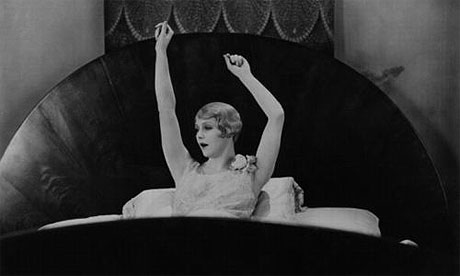
Betty Balfour in Champagne (1928)

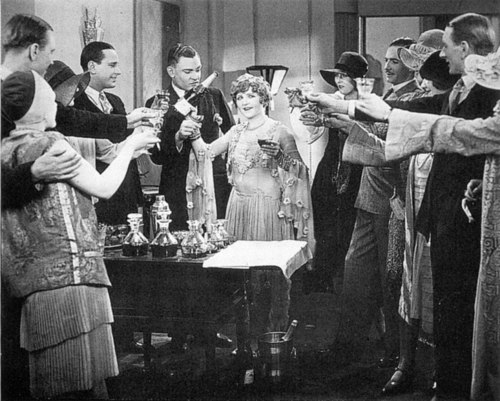
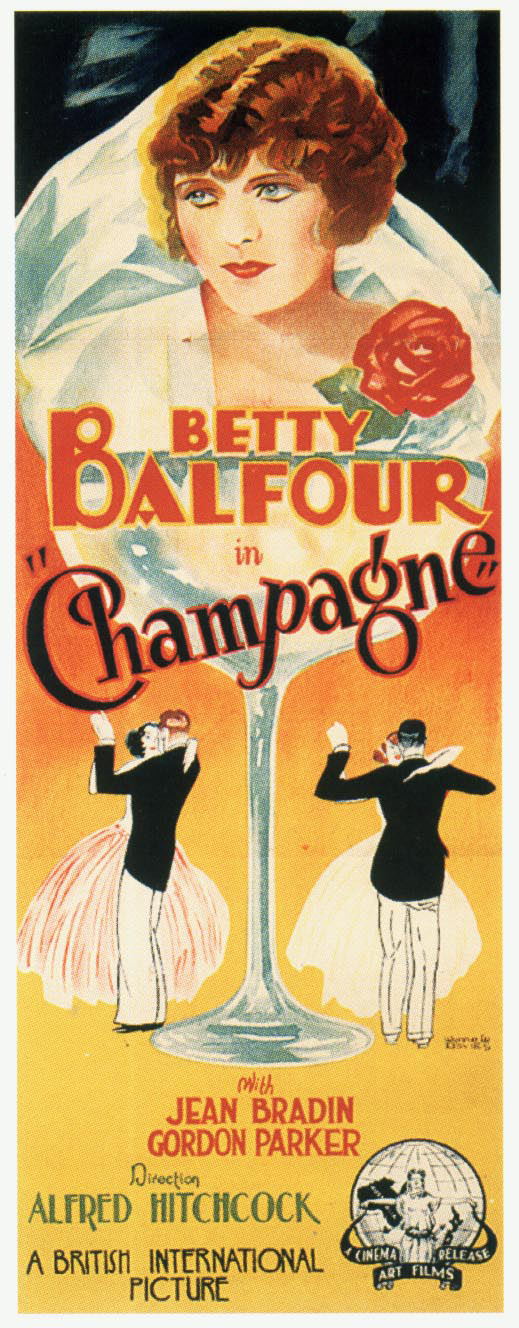
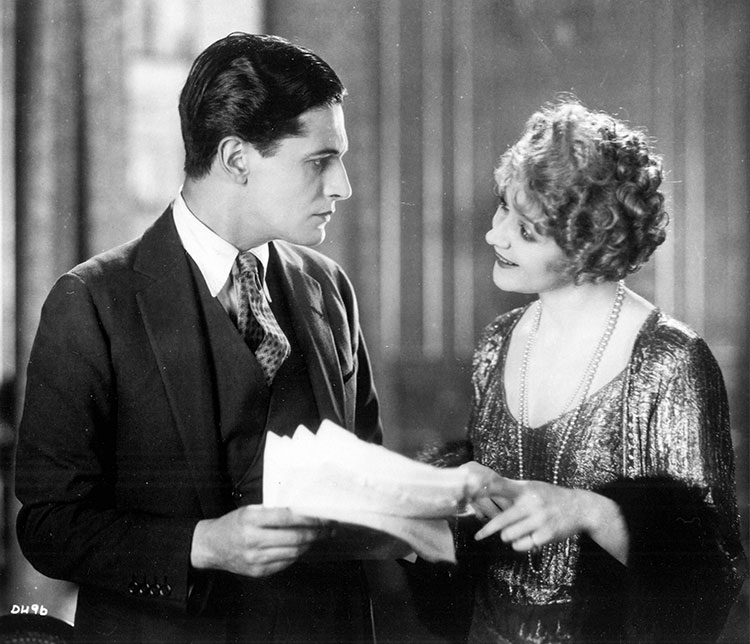
With The Farmer’s Wife Hitchcock proved that he could excel at comedy, but Champagne (1928) unhappily revealed that froth was far from safe territory for the director. The critics were hardly impressed, with Close-Up crowing about: “champagne that had been left out in the rain all night”. Looking back, Hitchcock tended to agree, saying: “That was probably the lowest ebb of my output.”

Champagne (1928)
Champagne (1928)

Hitchcock wasn’t happy at the time either, no fan of the source novel and uncertain how to proceed. What Champagne does have is a promising cast: Betty Balfour (the “British Mary Pickford”) takes the lead role and one of Hitchcock’s favourite character actors, Gordon Harker, plays her millionaire father. Balfour, who had made her name playing cockney sweetheart Squibs, does her best, but her likable screen persona fares much better in the second half of the film, when her character (The Girl) develops a touch more vulnerability and sweetness.

In the earlier stages of the film, The Girl is a spoiled, grandstanding heiress, but a combination of Balfour’s hard-to-repress charm and Hitchcock’s steely gaze means she’s very hard to hate. She invokes her father’s displeasure by commandeering a plane to catch up with her boyfriend’s cruise liner. For this, he wants to teach her a lesson. But Hitchcock gets in first, shooting Balfour triumphant in a ballgown after her dramatic entrance, but with her face covered in soot from the flight. I was rooting for her from that moment on. Further humiliations are in store, but it’s a blessed relief when she reaches the point of redemption.

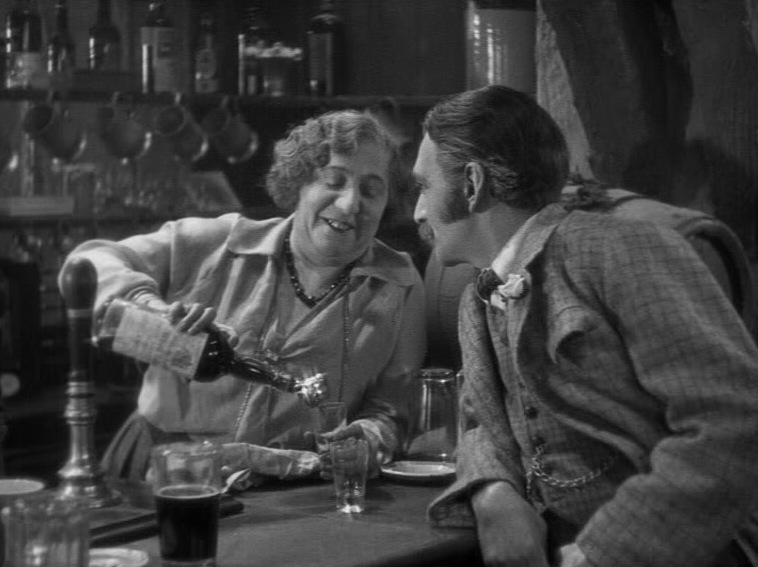
That said, there are some hugely enjoyable glimpses of Hitchcock on top form here: including a cynical street robbery (shades of a similar scene in The Pleasure Garden, maybe even a nod to Graham Cutts), and some bold subjective camerawork.

Champagne is also of considerable interest as film that is utterly of its own time – a cocktail-swigging flapper, her father with his fortunes balanced precariously on Wall Street, her straitlaced fiance with his old-fashioned views – and a reflection of our own. Mira Calix, who will be scoring the film for its gala screening later this year, points out that Champagne attacks a continuing 21st-century obsesssion with celebrities who, just like The Girl, behave atrociously and are famous off the back of their parents’ success. It also, she hopes, will chime with supporters of the Occupy movement: a front-row seat to watch the 1%ers behaving badly and meeting their icky comeuppance.

A minor work, but not without its charms, Champagne maybe largely a waste of Balfour’s talents, but it’s a showcase for the director’s style and his mean streak both.

Synopsis: 

Disapproving of her love affair, a millionaire sets out to teach his irresponsible daughter a lesson by pretending to lose all his money.  (BFI Screenonline)

Hitchcock moment: Our heroine is attacked by a creep (7:25). Pure Hitchcock. But not entirely what it seems.

Watch out for: Those alarmingly close subjective shots, most notably some tricksy ones through the bottom of a champagne glass.

Links worth clicking:

Champagne screens in September with a new sccore from Mira Calix as part of the BFI’s Genius of Hitchcock season. More information here.

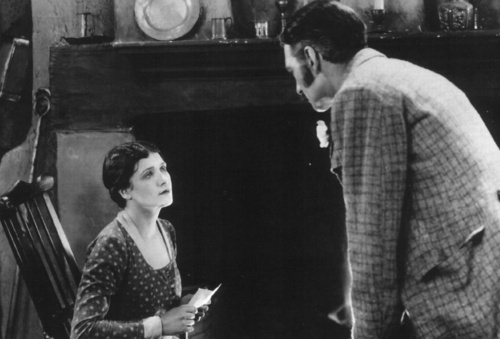
An introduction to silent Hitchcock: The Farmer’s Wife

The Farmer's Wife (1928)
The Farmer’s Wife (1928)

It is a truth universally acknowledged, that a single man in possession of a good fortune must be in want of a wife. And every schoolchild knows that statement is never more true than when the gent in question is a farmer.

Jameson Thomas, whom you you may not recognise under his bristly facial hair as the dashing lead in Piccadilly, plays Samuel Sweetland, a widowed farmer whose thoughts turn to matrimony. Samuel surveys the village women and sets about wooing potential Mrs Sweetlands, with hilariously disastrous results. Disastrous, but not in the usual vein of Hitchcock calamity. Samuel isn’t a perverted sex killer bumping women off in the dead of night. The Farmer’s Wife is a comedy, a broad one too, and the only injuries sustained are bruised egos and spoiled dinners.

LIllian Hall-Davis and Jameson Thomas in The Farmer's Wife
LIllian Hall-Davis and Jameson Thomas in The Farmer’s Wife

Comedies are meant to have happy endings of course, and when I tell you Samuel is assisted in his quest for a new spouse by his sweet-faced and good-hearted housekeeper Araminta (Lillian Hall-Davis) perhaps you’ll be reassured that all will end well.

So how well does Hitchcock, acclaimed for his urban thrillers, succeed in staging a rural comedy? With flying colours. It’s not all down to the director, of course, this is an Eliot Stannard adaptation of a very popular play, but Hitchcock shoots The Farmer’s Wife as if it were a thriller, which somehow emphasises the poignancy of all these lonely people and their missed connections. His brisk economic style also ensure that the horseplay mostly doesn’t outstay its welcome.

Not exactly what you may expect from Hitchcock, but the silents rarely are, and there’s a huge amount to enjoy here.

Synopsis: 

A middle-aged widowed landowner decides to marry again. With the aid of his faithful housekeeper he draws up a list of all the eligible women in the neighbourhood, each of whom in turn rejects him.  (BFI Screenonline)

Hitchcock moment: Never mind the jelly and ice-cream, nor the awkward trouser situation. This proposal looks like one of Hitchcock’s murder scenes and features a very bizarre intertitle

Watch out for: The empty chair by the fireside. And what Hitchcock does with it.

Links worth clicking:

The Farmer’s Wife screens this summer as part of the BFI’s Genius of Hitchcock season. More information here.

An introduction to silent Hitchcock: Downhill

Ivor Novello and Isabel Jeans in Downhill (1927)

Welcome back to our silent Hitchcock series. This week we’re looking at Downwhill (1927), hardly one of the director’s most acclaimed films, but one that offers rich, if distasteful, rewards for any Hitchcock aficionado. Dreamy Ivor Novello stars as Roddy, a sixth-former at a private school and thoroughly decent chap who takes the blame for a friend’s misbehaviour and suffers a degrading decline in his fortunes.

Going underground … Downhill (1927)

Downhill is clunky in places, and the thirtysomething Novello is one of cinema’s least convincing schoolboys, but the film’s strength lies in its brutal, single-minded nastiness. Cynical, misogynistic and determined to reveal the seediness beneath polite society, Downhill expresses the darkest of Hitchcock’s dark side – all without a single murder. It also gives us an insight into Novello’s psyche too; he co-wrote the play the film was based on, and one can only speculate whether he based it on any of his own experiences.

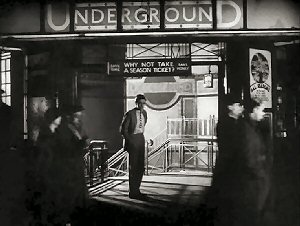
If you thought The Ring took a graphical idea and ran wild with it, then get a load of Downhill. Roddy’s progress through society, after his expulsion from school, is only going one way and that’s, er, down. You’ll find a lengthy shot of Novello slinking underground on Tube escalator – it’s widely mocked as the clumsiest example of Hitchcock warming to his theme.

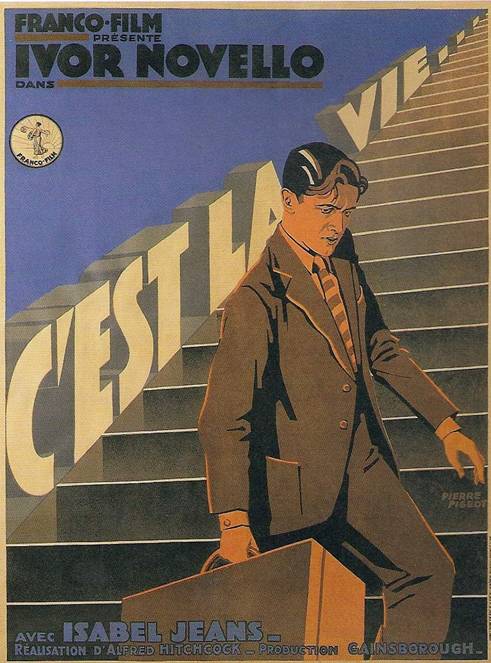
C'est la vie … Downhill's French title
C’est la vie … Downhill’s French title

There’s another, more interesting, pattern running through Downhill, though: the reveal. The most celebrated example is introduced by the intertitle “The world of make-believe”: a series of slowly retreating camera placements reframe a shot of Roddy in contradictory ways, forcing the audience to continually shift their interpretation. At first we think he’s a smartly dressed gent. Then a waiter. Then a thief. Finally, the camera pans right to uncover the true extent of Roddy’s social degradation – he’s on stage, an extra in a cheesy musical, bobbing like a chump.

Poor Roddy: such a noble young man, and so unfortunate to meet, and be mistreated by, some of the most grotesquely venal women ever committed to film. Hitchcock’s misogyny is often discussed in relation to his sound films and some possibly apocryphal pranks and fallings-out on set, but Downhill suggests the rot set in a lot earlier than that – in fact, it makes the likes of Vertigo seem positively sensitive. The Farmer’s Wife gets laughs out of silly and unattractive spinsters, but the women of Downhill are almost entirely self-interested monsters. There’s even a spot of casual transphobia (see the clip below).

Ultimately, these crudely drawn villainesses are not just a cause of politically correct 21st-century complaint: they contribute to the structural failure of the film. Downhill is all Roddy, all the time, and virtually everyone else on screen is a mere cipher, which is unsatisfactory all round.

Synopsis: A boy takes the blame for his best friend’s misdeed and is expelled from school. From that point on, his life proceeds on a downward spiral into poverty and degradation. (BFI Screenonline)

Hitchcock moment: Another painful reveal: here’s why sunlight and early-hours drinking dens don’t mix.

Watch out for: A foretaste of Vertigo. No, not that shot, but a splash of sickly green tinting.

Links worth clicking:

Downhill screens in London this summer as part of the BFI’s Genius of Hitchcock season.

Blancanieves (2012): teaser trailer

I wrote about this silent Spanish adaptation of Snow White a few weeks ago, but now we have some footage to whet our appetites. Blancanieves is a new film by Pablo Berger (Torremolinos 73) and it’s a modern silent, set in the world of bullfighting in 1920s/30s Madrid.

Maribel Verdú plays the wicked stepmother, and Macarena García our heroine, the first Snow White I have ever seen face off with an angry bull. The dwarves are bullfighters too, as you’ll see in this Spanish teaser trailer.

According to this article from El Pais, Berger was inspired by watching Eric Von Stroheim’s Greed and the film contains some references to Carl Th Dreyer and Abel Gance also. The lush music you can hear, at least some of it is composed by Alfonso Vilallonga, and yes, they do plan some live orchestral screenings of the film before its theatrical release.

Speaking of which, we only have a Spanish release date for the film so far: 28 September 2012, bang on schedule for a debut at the San Sebastian film festival.

So what do you think? I reckon this could be quite special…

Charlie’s London: No 3 Pownall Terrace

Charlie Chaplin
‘Humour and courage saved Lambeth’ … Charlie Chaplin

This is a guest post by Ayşe Behçet for Silent London.

Where can I start? First I want to talk to you about an exciting Charlie’s London adventure I am having in the next two weeks! From the 23rd to 30th June 2012 Il Cinema Ritrovato festival in Bologna, Italy will be showing some amazing silent film gems including a night of Chaplin’s Mutual films accompanied by new scores by Neil Brand, written especially for the festival. And I will be there! I squealed like a child after too much sweet consumption when I heard this, I can assure you.

For me this trip will be a very personal and important journey, one that I hope will enrich my knowledge of Chaplin. I will have the fantastic opportunity of visiting the Chaplin Archives there, a first for me and a very daunting and happy prospect too. Hopefully while I am there I can find some items of interest for all you lovely Charlie’s London readers.

In today’s instalment I want to talk to you about one of Charlie’s homes that I missed out a few episodes back and promised I would return to: No 3 Pownall Terrace, Kennington Road. Why is this house so important to the Chaplin story? It seems to be the one mentioned the most in all his works and definitely the one that seems to have had the most impact on him.  Chaplin recounts in My Autobiography walking the “rickety stairs” to the rooms he shared with his mother and Sydney; how the rooms always smelt of slop and wet clothes; how from the windows he could see the glamour of the wealthy music hall acts, their finery and jewels. Their room was less than 12ft square and if poor Hannah’s mental health was failing then the room would suffer too, becoming cluttered with messy cups and plates. Often Chaplin would come home from school, empty the slop bucket and run along to his friend Wally, a son of a friend of his mother from her theatrical days. Wally seems to have made a happy playmate for Charlie while Sydney was away at sea, a period that seems to have added to his mother’s worries.

Continue reading Charlie’s London: No 3 Pownall Terrace

An introduction to silent Hitchcock: Easy Virtue

Easy Virtue (1927)
Easy Virtue (1927)

One of our very finest film directors tackles a drama by one of our very finest playwrights, and the result is … mixed. Easy Virtue is a very free adaptation of a Noel Coward play, with a script by Eliot Stannard. While it’s not an entirely successful movie, there is plenty of space here for the young Hitchcock to show us what he’s made of, with some rightly acclaimed sequences that are both smart and witty.

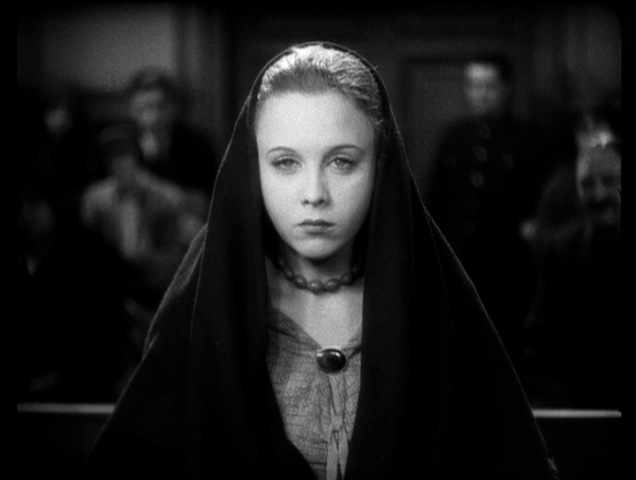
Indeed, at first glance Easy Virtue seems to be solid Hitchcock territory. Both the narrative setup and the moral message of the film both are concerned with the transferral of guilt, after all. The judge in our heroine Larita’s divorce case maligns her by convicting her of “misconduct” – and the world believes him. There’s some nice point-of-view business with the judge’s monocle (more circles!) to emphasise the flaw in his judicial vision, and a flashback to show us the truth of the matter, as opposed to the spectacle staged in the courtroom. Larita (Isabel Jeans) flees to the Mediterranean to escape the press attention and the slur on her virtue, but when she falls in love with a nice young Englishman and they return to stay with her new-in-laws, the divorce ruling becomes a classic Hitchcock bomb-under-the-table. Sooner or later, it’s going to blow up in her face …

Easy Virtue (1927)
Easy Virtue (1927)

Trouble is, this adaptation removes many of the shades of grey that Coward used to paint the stage Larita with. Hitchcock’s heroine is as sweet and innocent as the day is long, which makes her far less interesting and some of her more dramatic moments unconvincing. By and large the most successful section of the film is the first half, which deals with Larita’s trial and her romance with John (Robin Irvine), and all of which is new material for the film, not present in Coward’s play.

There’s wit, and a touch of glamour here, but little passion, and too much timidity. Had Hitchcock and his team not been held back by fear of the censor, or social acceptability, you feel they could have made much of the messy, complicated, terribly British problems that Larita faces. Her eventual gestures of defiance would have more power and this would be a far more exciting film. It’s all about sex, lies and suspicion, after all.

Easy Virtue (1927)
Easy Virtue (1927)

That said, Easy Virtue is more than worth a viewing. There’s a Hitchcock cameo here, lots of twists on his trademark business with voyeurism and an unexpectedly brutal meet-cute on the tennis court. My favourite thing here is how the length of the lovers’ journey back from France is measured by a dog. It’ll make sense when you see it, believe me.

Synopsis: Despite her totally innocent role in the events that led to it, divorce turns Larita Filton into a social outcast – and despite the love and support of her new husband she is constantly threatened by malicious gossip. (BFI Screenonline)

Hitchcock moment: John gets an answer from Larita, off-screen – but the telephone operator is listening in.

Watch out for: The final intertitle, which Hitchcock described as the worst he ever wrote.

Links worth clicking:

Easy Virtue screens in London this summer as part of the BFI’s Genius of Hitchcock season.

An introduction to silent Hitchcock: The Ring

The only one of Hitchcock’s silents not to be a literary adaptation and his first to be made at British International Pictures, The Ring is a boxing movie, with a love triangle plot neatly expressed by the film’s central symbol. The ring is where Jack “One Round” Sander and his rival Bob compete, but it’s also a nod to the wedding band that Jack’s wife Mabel (Lillian Hall-Davis) wears, and her bracelet, which was given to her by … Bob.

With flashy editing that betrays a Soviet influence and some neat typological tricks too, The Ring is a visual triumph. The subject matter may not be what we expect from the master of suspense, but Hitchcock was very proud of it:

“You might say that after The Lodger, The Ring was the next Hitchcock picture. There were all kinds of innovations in it, and I remember that at the premiere an elaborate montage got a round of applause. It was the first time that had ever happened to me.”

The Bioscope was just as fond of it as it was of The Lodger, heralding it as “the most magnificent British film ever made”.

The Ring (1927)
The Ring (1927)

That said, The Ring is not so popular today. The plot lacks the fireworks of a Hitchcock thriller and the stars here are not so well remembered as Novello, say. There’s also the matter of some outdated and offensive language. The Ring is set in multiracial 1920s London, and yes, some people use that word. They did then. It’s not pleasant, but it’s not a reason to avoid the film.

The Ring is one of Hitchcock’s most successful silents, and its tight dramatic structure as well as its obsession with circles is a precursor to the pleasing graphical neatness of many of his better-loved later films: the grids of glass in Rear Window and the “criss-cross” of train tracks in Strangers on a Train. Indeed, from Kim Novak’s chignon to Janet Leigh’s iris, spirals and circles continued to fascinate Hitchcock throughout his career (the explanation for this may be slightly distasteful).

It’s also worth remembering that this is the work of Hitchcock’s A-team – he collaborated on the script with Eliot Stannard and, of course, Alma Reville. Those visual effects are enhanced by the work of painter W Percy Day, too.

This summer’s gala screening of the BFI’s restoration of The Ring promises to reinvigorate the film. A film with this much style and swagger will shine when it has been been fully restored and it’s going to be shown at the Hackney Empire with a score by Soweto Kinch, known for his socially aware fusion of hip-hop and jazz. Indeed, the premiere screening of the new print at this year’s Cannes apparently received a standing ovation.

Synopsis: Love triangle melodrama set in the world of boxing. When Jack ‘One Round’ Sander is discovered by promoter James Ware, his career takes off. But rival Bob Corby, heavyweight champion takes an interest in his girlfriend. (BFI Screenonline)

Hitchcock moment: Eight minutes in: a discovery, a proposal, and a whole lot of circles within circles.

Watch out for: The party scene

Links worth clicking:

The Ring screens at the Hackney Empire on 13 July 2012, with  a new score by Soweto Kinch. The screening will also be livestreamed on The SpaceMore information here.

Don’t forget that you can still donate to the For the Love of Film Blogathon, to get The White Shadow streamed online with a new score, if you can, please spare some cash for this good cause.

Charlie’s London: Lambeth workhouse

The Kid (1921)
The Kid (1921)

This is a guest post for Silent London by Ayşe Behçet

Hi everyone, again thank you for taking time out to read this instalment of Charlie’s London. This segment is going to look at the importance of family with the backdrop of the Lambeth Workhouse. Events that transpired behind the walls of that Victorian institution would change Charlie’s life; but it also holds some personal significance for me too.

I thought long and hard about how to start this piece. The answer to my prayers came in the form of my three-year-old godson Jayden, whose mannerisms and speech are so precociously adult-like you can imagine him starring in The Kid. Jayden is my cousin Em’s little boy, I was there when he was born and have never lived more than three doors away from his mother my entire life. Jay waltzed into my bedroom one afternoon after playing in our joint garden (Em’s parents live next door to us) and pointed at my wall.

“What’s that, Ayşe?” He was referring my two framed Chaplin film posters, one of The Kid and one of The Gold Rush. When I explained to him that they were posters from films made by a very funny man called Charlie Chaplin, Jayden was intrigued.

“Can we watch him?” Well! I don’t need an excuse, so I reached for one of my DVDs.

We snuggled up on the sofa to watch The Kid (I choose this one because I felt Jay could really identify with little Jackie Coogan, both cheeky and comical). I was right; Jayden loved it! He giggled and squealed at every comedy moment, until the scene when the Kid is ripped away from the Tramp. It disturbed him, you could see in his little face the terror and torment; the fear that someone could do that to him, and he would no longer see his mother and father. I have to confess, Coogan’s lips moving to the words “I want my daddy” always causes a lump in my throat. Of course, when the Tramp rescues the boy from the moving orphanage van and holds him the way only a father can, I assured Jay that all little boys have their parents in the end, if they are good little boys.

After he had gone home I sat thinking about the film. Jayden’s reaction had hit a nerve with me that I needed to explore.

Hannah Chaplin
Hannah Chaplin

Chaplin never hid the fact that he cared about human suffering, and it has been suggested the world over that his own poor upbringing left him with emotional scars. If my godson at three felt moved and distressed at he sight of this in a film, what must a young Chaplin have felt? His whole world, mother and Syd ripped apart from him by a system that was designed to protect but ultimately hindered the welfare of the poorer classes and their children. Initially, a frightened seven-year-old Chaplin, his mother Hannah and brother Sydney went of their own accord to the Lambeth workhouse, once known as the Newington Workhouse because of its location (just off Newington Butts in Lambeth). This was largely because of their mother, who struggled to cope with the financial difficulties the family had to endure. Once the family were admitted their clothes were removed and their heads were shaved; can you imagine the humiliation? I have to be honest: I think Hannah’s decision to admit her sons rather than show defeat actually showed love and strength. She admitted to herself they deserved better, what more can a mother who loves her sons do?

Hannah Chaplin’s breakdown and the family’s arrival at Lambeth Workhouse happened in 1896. By June that same year the two boys were removed from their mother, which caused Chaplin much distress, and sent to Central London District School at Hanwell in west London. The journey seemed like a holiday to the young brothers, who travelled to their new home by horse-drawn bakery van. However, when they arrived, they spent time in an “approbation” ward where Chaplin was separated from his beloved brother and placed in the infants section of the school. Chaplin remembered in his Autobiography many years later how the older girls would bathe the younger boys, recounting in particular the cold and wet all-over flannel wash he received from a fourteen-year-old.

If you have read these blogs before you will know I’ve mentioned my great-grandmother Nanny Harris before. Her daughter Esther, my nan’s sister whom I always lovingly referred to as Auntie Etty, was born in a Lambeth workhouse. My nan’s brother, my uncle Fred, was also born in one too. Family story leads us to believe my great-grandmother literally sat upon the steps of the workhouse each time her waters broke and told them to take her in: “Or I am going to have this bleeding baby in the street.”

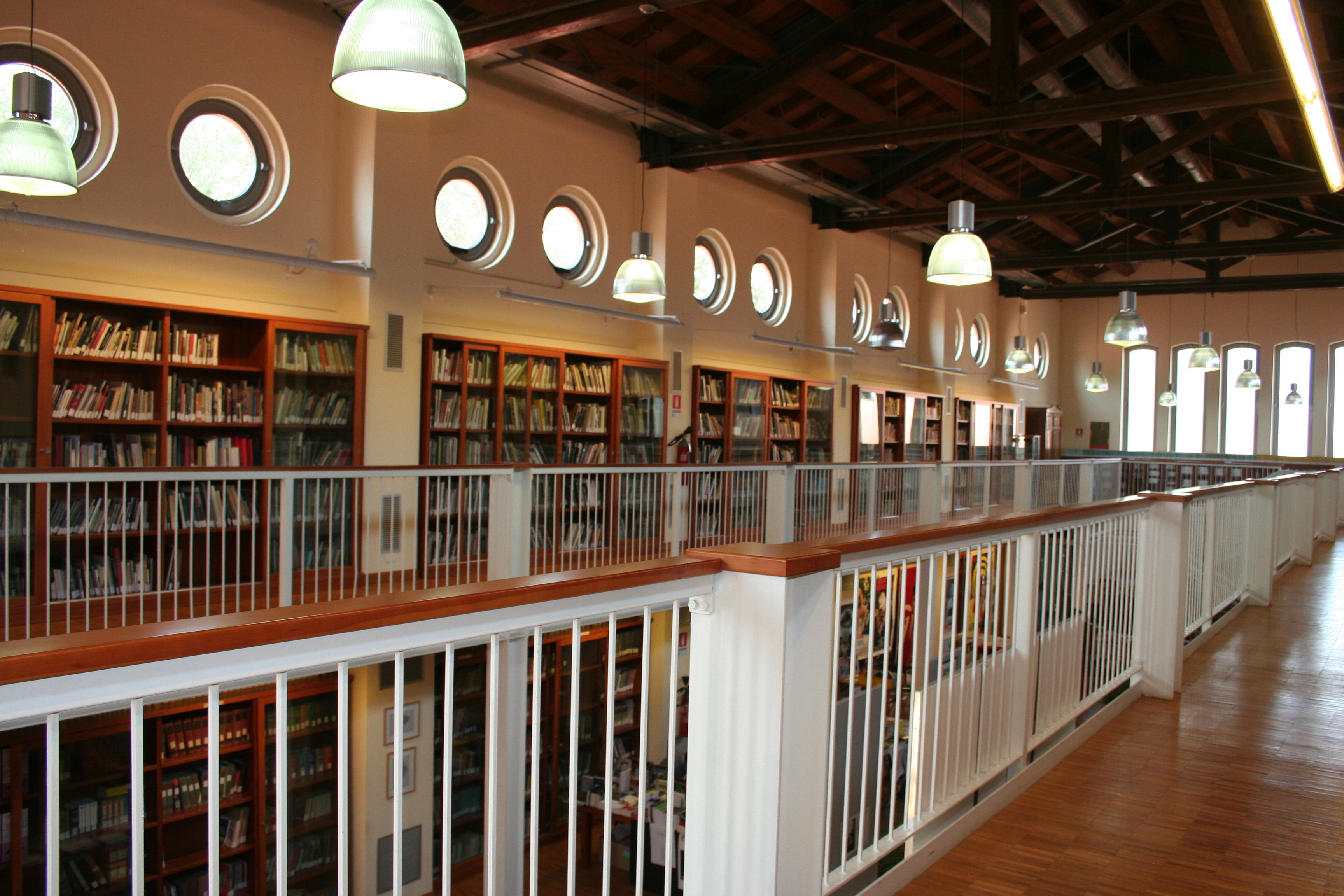
The Cinema Museum in south London
The Cinema Museum in south London (formerly Lambeth Workhouse)

What’s more, a family mystery could tie us directly to Chaplin – and we didn’t realise it for many years.

There is a famous picture of Chaplin, huddled against a group of small boys, his seven-year-old face looking at the camera with the same cheeky grin that would later make him a worldwide star. Two rows back is a small boy, his jawline is strong and his face familiar, this boy we believe is the brother of my great-grandmother, who, if records are to be believed was in the Lambeth Workhouse the same time as Chaplin. Unfortunately no other photo of him exists as an adult, no photos of my great-grandmother survive either, so it really is a family mystery that will never be solved. The family would again later return to this building but thankfully in better circumstances.

In the 1960s my mother volunteered at the building when it was still a hospital and institution within the borough, she probably stood in the chapel area, famously linked to the Chaplin family, and never realised the connection that her own daughter would later write about. Now, of course, the workhouse has become the Cinema Museum. Recently it was my turn to return there, to meet David Robinson, a hero I have been reading from the age of 11, for a fantastic presentation on Chaplin, my ultimate hero – I came full circle!

Ayşe Behçet

An introduction to silent Hitchcock: The Lodger

The Lodger (1927)
The Lodger (1927)

Each week, as you know, we’ll be looking at a different silent Hitchcock – and this week we have arrived at The Lodger, a bona fide Hitchcock thriller, yet only the third feature he directed. The film he made before this and after The Pleasure Garden, The Mountain Eagle, is sadly a lost film.

The Lodger is a wonderfully atmospheric “is-he-or-isn’t-he?” intrigue starring Ivor Novello as a man suspected of being a serial killer – a ripper who calls himself the Avenger and targets pretty blonde women. Heralded as an early classic and praised for its Expressionist flourishes now, The Lodger was almost never released following a damning assessment by a distributor at an industry screening. Michael Balcon and Film Society member Ivor Montagu both went to bat for the film and after the addition of some elaborate intertitles, The Lodger was finally released, pleasing critics and audiences alike. The Bioscope praised it, saying: “It is possible that this film is the finest British production ever made”.

The Lodger: A Story of the London Fog (1927)

The film bears the evocative subtitle “A Story of the London Fog”, but the peasouper here is really a miasma of suspicion, temptation and guilt. To varying extents, the lodger’s landlord and lady (the Buntings) suspect him of being the killer, as do their daughter Daisy and her steady policeman boyfriend, but still they welcome him into their home.  When Daisy first kisses the lodger, she does so with open, watchful eyes. When Mrs Bunting sees some cash on his mantelpiece, her mind immediately turns to theft. Does she not even trust herself?

It’s a grimy, nasty film in so many ways, but there’s humour here of course, most notably in the gallows mode from the wearily pragmatic dancing girls who crowd round the paper to read about the latest murder then go out with brunette ringlets tucked in their hats as a precaution.

Hitchcock has said that he was forced to drop his preferred ending for the film and The Lodger‘s final moments are from convincing. It’s not as audacious as Murnau’s tacked-on happy ending for The Last Laugh (1924), but knowing that Hitchcock saw that film goes a long way to explaining the tone of the final scene.

Synopsis: London is being terrorised by a Jack the Ripper-style murderer, the Avenger, who targets young blond-haired women. A mysterious new lodger arrives at the home of Mr and Mrs Bunting, whose daughter Daisy is courted by a policeman on the case. When the lodger begins behaving strangely, he attracts suspicion, particularly when he shows an interest in Daisy. (BFI Screenonline)

Hitchcock moment: Three minutes in, Joe initiates a very ghoulish conversation over tea, but is interrupted by something apparently terrible happening upstairs.

Watch out for: Hitchcock’s first cameo, as a newspaper editor.

Links worth clicking:

The Lodger screens at the Barbican on 21 July 2012, with the London Symphony Orchestra performing a new score by Nitin Sawhney. The film will then be theatrically released on 10 August 2012. More information here.

Don’t forget that you can still donate to the For the Love of Film Blogathon, to get The White Shadow streamed online with a new score, if you can, please spare some cash for this good cause.

The Silent London podcast: the British Silent Film Festival, Hitchcock and Greed

Greed (1924)
Greed (1924)

The podcast returns – we love the talkies don’t we? This time around, I’m lucky enough to be joined by Matthew Turner from viewlondon.co.uk and podcaster extraordinaire Pete Baran. We’ll be hearing what you thought of the recent British Silent Film Festival, anticipating the forthcoming silent Hitchcock screenings in London and Matthew will be talking about his favourite silent film. If you haven’t seen Greed (1924), be warned: here be spoilers. There is plenty of suspense, however, in discovering whether we fail The Artist Challenge – and if we do, who the culprit will be.

The Silent London Podcast: the British Silent Film Festival, Hitchcock and Greed

The Silent London Podcast is also on iTunes. Click here for more details.  The music is by kind permission of Neil Brand, and the podcast is presented in association with SOAS radio.

If you want to get in touch with us about anything you hear on the podcast, email silentlondonpodcast@gmail.com, tweet @silent_london or leave a message on the Facebook page: facebook.com/silentlondon.

An introduction to silent Hitchcock: The Pleasure Garden

Hitchcock, Hitchcock, Hitchcock, these days it’s all I ever blinking think about. Specifically silent Hitchcock, ahead of the feast that awaits us this summer. So today I’m kicking off a short introduction to the silent Hitchcocks, taking one film a week, so you’ll be fully up to speed by the time the screenings start in the summer.

As we’re starting on Friday 18 May, there’s just enough time for us to squeeze this first post into the marvellous For The Love of Film blogathon, a noble endeavour to raise funds to get the remaining reels of The White Shadow online, with a freshly composed score, streaming to cinephiles around the world. Here’s a little more explanation from the Self-Styled Siren:

This year, we are raising funds for the National Film Preservation Foundation’s project, The White Shadow, directed by Graham Cutts and written, assistant-directed, and just generally meddled with in a number of different ways by the one and only Alfred Hitchcock. The goal is to raise $15,000 to stream this once-lost, now-found, three-reel fragment online, free to all, and to record the score by Michael Mortilla. Marilyn Ferdinand, Rod Heath and the Siren are pleased to announce that we now have more than 100 bloggers signed up for this hoedown.

Do take a look at some of the posts in the blogathon, including Silent Volume’s elegant appraisal of Hitchcock’s Easy Virtue and some, er, poetry, from Shadowplay. If you like what you see, which you sure as heck will, please dip into your pocket for this good cause.

Now, to business. Each week we’ll be looking at a different silent Hitchcock – there’ll be a short introduction here, a juicy clip, and some carefully selected links. We’re starting with Hitch’s directorial debut, The Pleasure Garden.

The Pleasure Garden (1925)

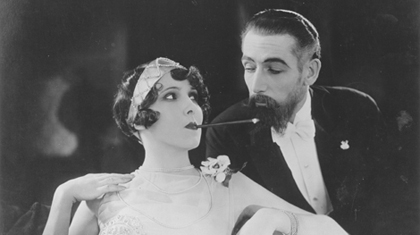
This tale of backstage romance and farflung misdeeds may have been Hitchcock’s directorial debut, but he was so proud of it that he put his signature in the credits. “Actors come and actors go,” he told the Film Society, “but the name of the director should stay clearly in the mind of the audiences.” As for the “cattle”, American star Virginia Valli plays the heroine, Patsy, and Miles Mander the brute she is unfortunate enough to fall for. Another US star, Carmelita Geraghty, plays Patsy’s friend and ambitious fellow dancer, and her love interest arrives in the form of popular Scottish actor John Stuart.

The Pleasure Garden was filmed in Germany, but it has a very British feel, from the leery music-hall audiences to our leading ladies’ aspidistra-and-doily lodgings. It may not be a suspense thriller, but The Pleasure Garden opens in fine Hitchcockian style with pretty blonde showgirls (and their legs) being ogled on stage. It’s good old innocent fun to start with, of course, but unless it really is 1925 and this is the first Hitchcock film you’ve ever seen, you’ll sense a sinister frisson in such ardent voyeurism. And you’d be right to.

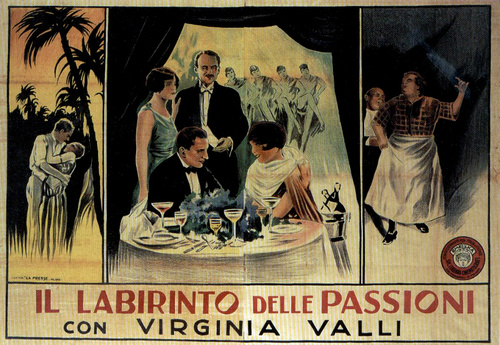
Poster for The Pleasure Garden (from Hitchcockwiki)

Like so many of Hitchcock’s silents, The Pleasure Garden was adapted for the screen by Eliot Stannard, a towering, if often unsung, figure in British silent cinema. While Hitchcock’s silents are undoubtedly less consistently surefooted than his blockbuster sound films (yer Psychos, yer Vertigos), they are all polished, sophisticated productions, deftly made by a team of film professionals. His debut benefits from the work of Stannard, Hitch’s wife Alma Reville, and producers Michael Balcon and Erich Pommer, nopt to mention its stars, including Valli, whom you may have seen elsewhere in King Vidor’s Wild Oranges (1924) and Mander whom you’ll surely know from his tour de force The First Born. But it’s Hitchcock’s show nonetheless: indeed, when the Spectator’s Iris Barry saw Hitchcock’s bravura debut, she sniffed out “new blood” for the British film industry immediately. This juvenilia is not so juvenile.

It must be said, however, that all reviews were not so enthusiastic. In the States, Variety spluttered: “A sappy chorus picture, probably intended for the sappy sticks where they still fall for this sort of a chorus girl story.” Fair comment, but Jill and Patsy themselves are hardly sappy, chorus girls or no.

Synopsis: “The diverging lives of two dancers from The Pleasure Garden nightspot. Jill rises to the heights and leaves her humble friend Patsy, and her fiancé, behind. Meanwhile, the good-natured Patsy stumbles into marriage with the selfish, dangerous Levet.” (From BFI Screenonline)

Hitchcock moment: Three minutes, 50 seconds into this clip, Jill gets her pocket picked by a couple of no-good hoods.

Watch out for: Patsy’s dog. There’s wisdom in those woofs.

Links worth clicking:

The Pleasure Garden screens at Wilton’s Music Hall on 28 & 29 June 2012 with a new score by Daniel Patrick Cohen. More information here.

Charlie’s London: David Robinson at the Cinema Museum

The Cinema Museum in south London

This is a guest post by Ayşe Behçet for Silent London.

Welcome back for the next instalment of Charlie’s London. In this segment I am looking at the Lambeth Workhouse, an institution that Chaplin spent some time as a youngster. But unlike in the previous chapters of this blog, which focus on either my connections with Charlie or the places our paths have crossed, I want to look at a fantastic event that really brought home to me the importance of keeping his memory alive.

I have always sworn by the events calendar Silent London offers its readers, and three months ago was no exception. While browsing, I came across a presentation by the much loved and highly accredited film expert and Chaplin scholar David Robinson. Robinson on Robinson, as it was called, promised to be a fascinating insight into a career spanning many years, with many stories. The event, on Saturday night, did not disappoint, with brilliant anecdotes and wonderful tales of the Hollywood elite, and Robinson’s own career as the backdrop. For me this experience meant so much more. The event was held at the Cinema Museum, which holds masses of film memorabilia and regularly hosts film screenings and lectures – and the Cinema Museum is housed in the building that was once the Lambeth Workhouse.

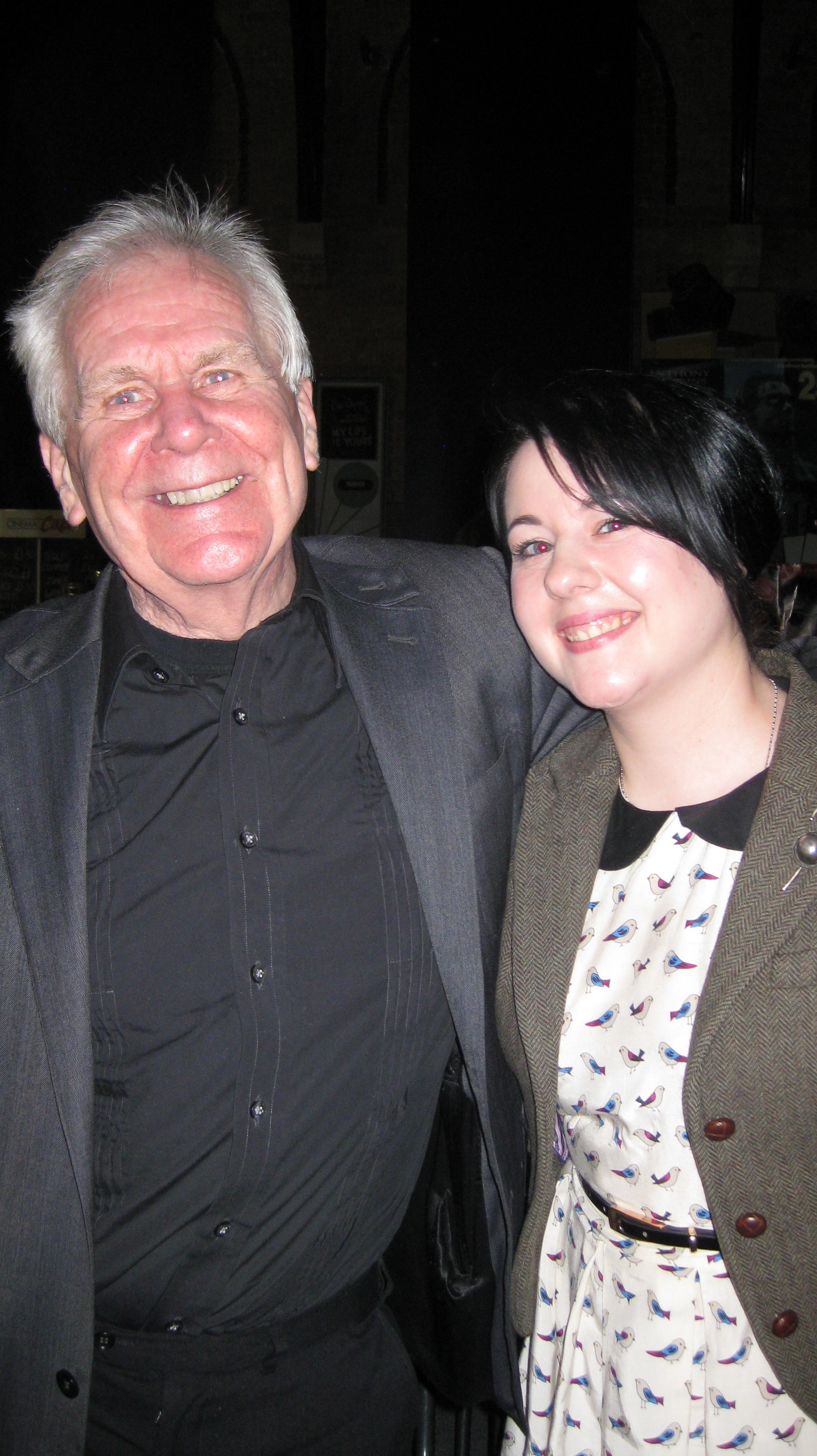
David Robinson with Ayse Behçet
David Robinson with Ayşe Behçet

For me, who had grown up in South London, loving Chaplin, knowing this very building was the old Lambeth Workhouse and of course reading Robinson’s biography of Chaplin since I was 11 years old, this event was really the final piece in the jigsaw. I was 10 when I first saw the biopic Chaplin starring Robert Downey Jnr. I had wanted to read more about Chaplin’s life, and so ventured to the local library with my nan, where I uncovered Robinson’s book. I can remember sitting on a stool in the library stool while my nan browsed, my elbows rested on the table while my hands were placed firmly on my jaw line, head transfixed in the book. Everyone always tells me they know when my concentration level is at its highest: I swing my legs like a crazy person or bite my bottom lip as I read. Well, according to my nan this is exactly what I did.

I borrowed the book for two weeks and read the whole thing. I was hooked. For my birthday I asked for my own copy – Mum couldn’t quite understand why, especially as I had not long finished the library copy. I just knew, even at that age that I would want to read it over and over again. Now, 18 years later, it’s still sitting there on my shelf. I have used it for references, quotes, even to solve arguments – it has always been my true companion on my Chaplin journey. Of course, I understand the book very better now as a grown woman than I did as a child, with life comes greater understanding. Yet I will never forget asking my nan what certain words meant and if she had heard of the actors and actresses mentioned in the books. Did she remember any of the events and of course what was it like to actually see a Chaplin film in the cinema? Her stories always fascinated me!

The first time I met David Robinson was at the 2012 Slapstick Festival in Bristol. It was January and traditionally cold and miserable, but the festival cheered up every dreary day. Robinson gave two presentations that weekend, one on Chaplin’s life and one showing shorts and clips from some of his most memorable films. I watched in fascination at the first event, which I remember being 9am on the Saturday morning. It was everything I loved and adored about Chaplin, his London and how it affected him; his controversies and how he reacted to them. Well, after nearly 20 years and quite a bit of courage I finally got to talk to Robinson, and if I ever felt his book was an inspiration I can promise anyone who reads this that the man himself it so much more. Through him I have met some amazing and interesting people: I have continued a journey I started as a small child and I have felt very privileged in many ways. I wouldn’t have half the material I have in my blog without him, that’s for sure.

So this blog post has been rather sentimental, not that the others have really been anything else! And of course I have quoted Robinson and mentioned him before. But it is no exaggeration that you cannot possibly research Chaplin without having his biography constantly on hand. For me, being sat in the very room where Charlie and Sydney Chaplin spent such hard times, listening to David and remembering my roots, I truly felt I had come home. London never leaves you. Getting off the tube at the Elephant and walking down towards Renfrew Road; seeing the Imperial War Museum in the background; remembering the stories I grew up on – all these things remind me of the person I really am. Your home and your birth make up a large part of who you are. My nan always taught me that, and just as Robinson said in his reminiscence that Chaplin had always been in his life because of his father’s love of his films, so has he (and Robinson) very much always been in mine. I truly hope that this will always continue!

Thank you so much for taking time to read this blog spot, normal Chaplinesque service will be resumed in two weeks’ time when we will venture back to the workhouse once more to give some context to our hero and his life in London, as well as its use now as a fantastic gem of a museum.

Ayşe Behçet

Moroder’s Metropolis – masterpiece or monstrosity?

Giorgio Moroder
Giorgio Moroder, at the controls of his own 'heart machine'

Last year, we reported that Kino Lorber was releasing Giorgio Moroder’s musical re-edit of Fritz lang’s Metropolis on Blu-Ray in America – followed by a limited theatrical release. Now, Eureka Entertainment has announced a UK DVD/DVD steelbook release for the movie on 23 July 2012.

If you need to refresh your memory, Giorgio Moroder’s version came out in 1984 and looks very different to the latest restoration. Working with the most complete version of the film he could find at the time, Moroder added a rock soundtrack, washed some different scenes with bright tints and made the whole thing run faster by removing the intertitles and using the text for subtitles. It’s a strange beast, and perhaps needless to say, a cult favourite.

So – after all the recent excitement over the “complete” Metropolis, are you horrified by the thought of watching Moroder’s hard-rocking version? Or do you have fond memories of this “retro-futurist” experiment? Perhaps it was the the first silent movie you saw and it holds happy memories of your first steps into early cinema? Maybe you’re just a big Freddie Mercury fan. Let us know what you think by completing our poll, or commenting below

Charlie’s London: the pub crawl

The Three Stags pub in Kennington

This is a guest post by Ayşe Behçet for Silent London.

Thanks for returning for another instalment of Charlie’s London! This piece is going to look at the pubs in Chaplin’s life. It has always been my intention to show Chaplin’s emotional side, and also how there we can still see the South London of his youth around us. Chaplin appears not to have been much of a drinker, but two significant incidents in his life were connected to public houses that you can visit in London today.

First, we will look at the Three Stags just off the Kennington Road, opposite the fantastic Imperial War Museum. Then we will look at The Coal Hole on the Strand, a beautiful Victorian building.

"Chaplin's corner"
“Chaplin’s corner”

As an undergraduate student who specialised in the Great War I would often find myself in the Imperial War Museum, studying its vast collection of military artifacts and hours of video footage. It was at this time I first discovered “Chaplin’s Corner”. Myself and three friends decided that, rather than hot chocolate and scones in the museum café we would cross the road to the Three Stags pub. The pub has that hint of Victorian decadence you imagine in the pages of Sir Arthur Conan Doyle’s Sherlock Holmes stories: dark, almost black interiors with perfectly preserved stained glass. Once we were seated inside, I looked over to my right and a sign caught my eye. It said “Chaplin’s Corner”. As I ventured over I could see a beautiful picture of Chaplin and Jackie Coogan from the 1921 movie The Kid and an explanation for the naming of this little area.

When Charlie was just 10 years old he happened to wander past the pub and for no reason poke his head through the open door. What he saw would go on to be an important moment in his young life. In his Autobiography he wrote:

The Three Stags in the Kennington Road was not a place my Father frequented, yet as I passed it one evening an urge prompted me to peek inside and there he was, sitting in the corner! I was about to leave, but his face lit up and he beckoned me to him. I was surprised at such a welcome, for he was never demonstrative. He looked very ill; his eyes were sunken, and his body had swollen to an enormous size. He rested one hand, Napoleon-like, in his waistcoat as if to ease his difficult breathing. That evening he was most solicitous, inquiring after Mother and Sydney, and before I left took me in his arms and for the first time kissed me. That was the last time I saw him alive. (Charlie Chaplin, My Autobiography, quote reprinted courtesy of the archives of Roy Export Company Establishment)

I then remembered reading this same passage and more in Chaplin’s My Autobiography, so that night I took my well-read and very battered copy from my bookshelf once more. If you have not read this book I really do recommend it. This book has often come under scrutiny from critics for being “overly Dickensian”. I cannot disagree with that enough! What makes this an interesting read is more looking at the man behind the words, why does he mention certain things and not others? Why does he speak of some quite obscure people and now well-known individuals such as Buster Keaton whom we know he had a good friendship with?

The Coal Hole on the Strand

It was then that I stumbled across another familiar place, a name I had seen before and could not place, The Coal Hole in the Strand. Well, if I felt the Three Stags screamed Victorian thriller then this pub most definitely howled its heritage from the rooftops. The beautiful glowing red sign above the door reminds you of gas lamps and empty gin beakers. Unlike the Three Stags, which no doubt held sad memories for Chaplin, the Coal Hole was the setting for a very touching moment in which he realised his brother Syd’s true affections for him. Chaplin wrote in his Autobiography:

I had been in the Provinces for six months. Meanwhile Sydney had had little success in getting a job in a theatre, so he was obliged to descend from his Thespian ambition and apply for a job as a bartender at The Coal Hole in the Strand. Out of one hundred and fifty applicants he got the job. But he had fallen ignominiously from his own graces as it were.

He wrote to me regularly and kept me posted of Mother, but I seldom answered his letters; for one reason, I could not spell very well. One letter touched me deeply and drew me very close to him; he reproached me for not answering his letter and recalled the misery we had endured together which should unite us even closer. “Since Mother’s illness,” wrote Sydney, “all we have in the world is each other. Do you must write regularly and let me know I have a brother.” His letter was so moving I replied immediately. Now I saw Sydney in another light. His letter cemented a brotherly love that has lasted throughout my life. (Charlie Chaplin, My Autobiography, quote reprinted courtesy of the archives of Roy Export Company Establishment)

It has always been a belief of mine that Syd gets overlooked when we talk about Chaplin. Well thanks to Lisa K Stein and her truly wonderful biography of Syd Chaplin we can now all see the full story. This book is another must-read, alongside David Robinson’s definitive biography of Chaplin, which I have also mentioned before in my little blog. If you can find My Trip Abroad by Chaplin himself, first published in 1922, I also highly recommend that as another look at this great Londoner’s feelings about his home town.

People often ask me why Chaplin never came back to England to live. Of course, I can’t answer that. Only the great man himself could explain and unfortunately we will never have his answer. That is also only one of the questions I get asked. Half the people I talk to about Chaplin don’t even realise he was English, which to me is extraordinary! The only thing I can say is that in my humble opinion Chaplin didn’t need to make constant pilgrimages to the place of his birth, it never really left him.

Ayşe Behçet

Hitchcock’s The Ring comes to Cannes

Image

Last year, a silent film wowed the Cannes film festival, and look where that ended up? This year, the BFI’s new restoration of Hitchcock’s 1927 film The Ring will be premiered at the festival – so the delegates at the film industry’s most glamorous get-together will be the first to see its full splendour.

When the film screens at the Hackney Empire in July, it will have a newly commissioned live score by Soweto Kinch. That screening will also be streamed online so people around the country can join in the sense of occasion. The Cannes crowd are in for a treat too, though: the festival screening will be a gala in itself, taking the form of a ciné-concert with London’s own Stephen Horne providing the music.

Obviously one is rather tired of annual trip to the Croisette, but this year we may make an exception, if only to see what the world’s cinema press make of a work that was heralded on its initial release as: “the most magnificent British film ever made”.

The Genius of Hitchock: celebrating cinema’s master of suspense

The BFI has asked me to share some information about the forthcoming silent Hitchcock screenings with you  – so voila!

BFI - British Film Institute
What's on Research Education Filmstore Archive Members About
The Genius of Hitchcock
Rescue the Hitchcock 9

Our major campaign to restore all nine of Hitchcock’s surviving silent films.

Celebrating Cinema’s Master of Suspense
Gala screenings of newly restored British silent films with live scores

Starting with the London 2012 Festival, the BFI is exploring Alfred Hitchcock’s complete works with a celebration which includes gala screenings of the silent classics and a full retrospective at BFI Southbank.

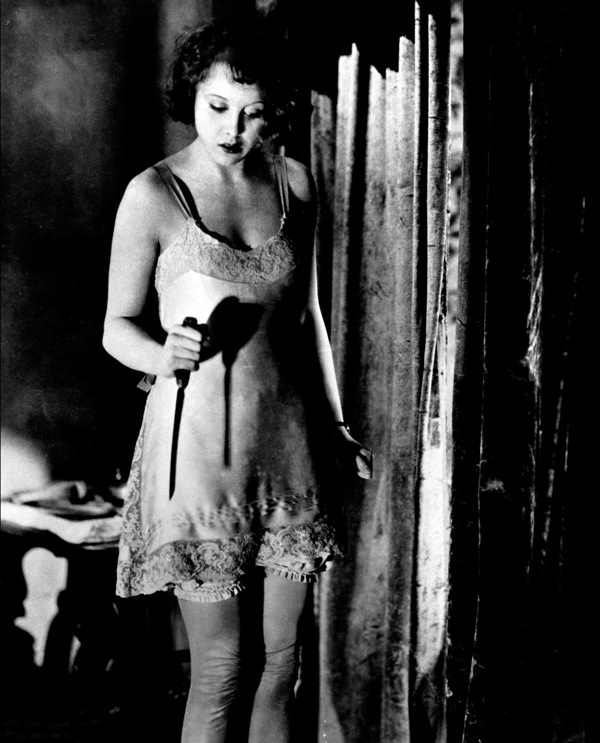
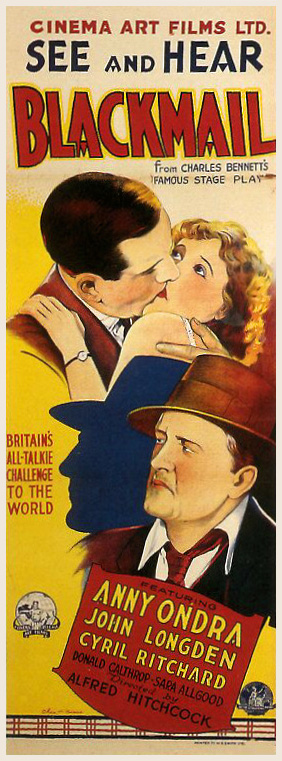
Blackmail
One of the best British films of the 1920s, Hitchcock’s ‘Blackmail’ is a true masterpiece of the silent era. A young girl engaged to a stuffy policeman is enticed up to an artist’s studio, laying herself open to the blackmail of the title. Presented outdoors at the British Museum – the location of the film’s thrilling chase sequence – with a specially arranged score by composer Neil Brand, this is a once-in-a-lifetime film experience.
Book now

The Ring
When boxer Bob Corby hires Jack Sander to be his sparring partner, he has no idea that he will become smitten with Mabel, Jack’s beautiful wife. A love triangle emerges in which the bouts in the ring become more than gamely sparring, leading up to the championship fight (famously set in the Albert Hall) between the two men for the love of Mabel. Features a brand new score by Soweto Kinch, multi-award winning British jazz alto saxophonist, hip hop artist, rapper and MC.
Book now

The Lodger
A strange lodger may be a serial killer in Alfred Hitchcock’s first suspense thriller. With a new score by Nitin Sawhney, performed live with the London Symphony Orchestra at Barbican Hall. Nitin Sawhney’s score for The Lodger is commissioned by independent film distributor Network Releasing in partnership with the BFI.
Book now

Facebook Join us on Facebook
Twitter Follow us on Twitter

The British silent film festival 2012 – reviewed by you on Twitter

  1. Share
    Hello Twitter! Yes we are now tweeting for #BSFF15, starting this Thurs in (currently very) sunny Cambridge as the Good Dr M Kermode says
    Mon, Apr 16 2012 07:28:35
  2. Share
    Saturday’s #BSFF dilemma: Livingstone or Mist in the Valley. Any thoughts?
    Wed, Apr 18 2012 10:19:02
  3. Share
    @britishpictures Mist in the Valley because it has GH Mulcaster who played Dr Scudamore in Will Hay’s last film My Learned Friend. #BSFF
    Wed, Apr 18 2012 10:35:47
  4. Share
    So today is the start of the British Silent Film Festival in Cambridge. Do drop in if you’re passing. #BSFF
    Thu, Apr 19 2012 01:24:06
  5. Share
    #bornonthisday 1890 Herbert Wilcox. Director/producer. His version of Tale of Two Cities, The Only Way, is at the #BSFF today.
    Thu, Apr 19 2012 02:15:18
  6. Share
    Bright and early and off to Cambridge for the British Silent Film Festival – I’ll be tweeting using the #BSFF15 tag I reckon

Scoring Hitchcock’s silent films

“This is for now. This is for audiences now” – Neil Brand, composer, Blackmail

Yesterday I was lucky enough to attend the press launch of the BFI’s Genius of Hitchcock season, where the summer’s blockbuster season of screenings was announced. Creative director Heather Stewart made a great case for Leytonstone’s favourite son, calling him a modernist to compare with Picasso and Le Corbusier, and a cornerstone of British culture, laying the adjective Hitchcockian alongside its counterparts Dickensian and Shakespearean. “The idea of popular cinema somehow being capable of being great art at the same time as being entertaining is still a problem for some people. Shakespeare is on the national curriculum, Hitchcock is not,” she says. Furthermore, she argued that Hitchcock’s work demands not just greater study, but wider audiences. The answer the BFI proposes is to show the films – all of them – in the most comprehensive Hitchcock retrospective ever staged – including his silent films.

“We would find it very strange if we could not see Shakespeare’s early plays performed, or read Dickens’s early novels. But we’ve been quite satisfied as a nation that Hitchcock’s early films have not been seen in good quality prints on the big screen.”

Showing the nine extant silents is of course more difficult than screening the later work. The prints require varying degrees of restoration work – and new scores. For me, the most interesting part of launch event was a panel discussion chaired by Nick James, editor of Sight & Sound magazine, which gave an insight into the process of writing new music for the films. Five composers were on stage, each of whom had been tasked with scoring a different Hitchcock silent. It was fascinating to hear about the different approaches they took, how much they felt that the project was a direct way of expressing their admiration for the director, and their readings of the different films.

Neil Brand, whose orchestral score for Blackmail will be arranged for a smaller ensemble and played at a gala screening in the forecourt of the British Museum, described the “party game” of following Hitchcock’s characters’ shifting motivations and vulnerability. His intention, he said, was “bring out the neurosis” in the film. And he was upfront about the fact that he took inspiration from some of Hitchcock’s later musical collaborators. We were shown a clip from the film that precedes the scene excerpted above. Brand wasn’t, he explained, trying to register the heroine’s desire for the artist, but for the frilly dress hanging in the studio. To that end, he “scored the dress”, with a sparkling theme every bit as frothy as the frock.

Hitchcock’s “switching empathies” were also part of the attraction and the complexity of scoring The Lodger for Nitin Sawhney. He started, he said, by working on the titles, those extravagantly designed, animated captions that decorate the film, and pulling the strands of the narrative apart. It must have been complex. Asked by James if the score was as foggy as the film’s vision of London, he replied no, but added self-deprecatingly that his brain was a little fogged during the composition process. Those who have heard Sawhney’s score for A Throw of Dice will doubtless be happy to learn that this new composition will also be performed by the London Symphony Orchestra at the Barbican in June.

Fog or no fog, young composer Daniel Patrick Cohen showed every enthusiasm for the task of soundtracking Hitchcock’s first film. As a long-term fan of the director he described The Pleasure Garden as “a blueprint for all the wonderful films that Alfred Hitchcock went on to make”. Happily for us, we saw a glimpse of the film with Cohen’s score. It was the opening scene in fact, which sets up so many of Hitchcock’s enduring fascinations: blondes, voyeurism and a ribald, but very British sense of humour. Cohen knows his audience will have been brought up on Hitchcock’s grisly thrillers, and that we know where all these fascinations can lead, and so the music was deliberately playful, but with a steely, sinister edge. When it came to the humour in the film, Cohen promised us “one amusing sound effect” in his score. Just one, and he wasn’t telling where it was to be found. Tease.

Can you imagine Betty Balfour as the pinup of the Occupy movement? Mira Calix can, perhaps. She offered an audacious reading of Champagne, which screens in September, as a critique of celebrity culture and a comment on the financial crisis. I see her point, but can’t quite imagine idle heiress de nos jours Paris Hilton with soot on her face, or indeed flying a plane. Still, Champagne is a film with a great deal of style and Calix quite rightly noted that while 1928 may seem to be the long-distant past, this is a film obsessed with modernity, in all its art-deco, cocktail-sipping, drop-waisted deliciousness. Calix aims to bridge the 84-year age gap with a score for Champagne that incorporates traditional instruments alongside the electronica she is renowned for. I think this will be most of the most distinctive scores in the season, and I am certainly intrigued.

Soweto Kinch didn’t just discuss his score for The Ring, he put his saxophone where his mouth was and accompanied a short clip from the film. His finished score will be played by a five-piece band at the Hackney Empire, but he performed solo in NFT1, his sax lines underscoring each small but significant gesture in one of The Ring’s quieter scenes – and drawing a fantastic response from the audience. Like Calix, he is keen to bring out the elements of the film that feel new. Watching The Ring, he said he was suprised to see such a racially hetereogenous vision of 1920s, pre-Windrush London, and impressed by the films’ treatment of sexuality and gender identity. “It reframed how I thought relationships were in the early 20th century,” he said, adding that he would look a little differently on his own grandparents’ courtship from now on! He was confident, that he would be able to “twin the old and the new” in the film, just as he combines jazz and hip-hop in his music. Hip-hop Hitchcock? Bring it on.

Read more about the Genius of Hitchcock season on Silent London here, and on the BFI website here.

Charlie’s London: falling in and out of love with Chaplin

Ayse in West Square
Ayşe in West Square

This is a guest post by Ayşe Behçet for Silent London.

Thanks again for returning to Charlie’s London with me. First, I want to wish Sir Charles Spencer Chaplin a very happy 123rd birthday! It really is a coincidence that my latest blogpost falls on the anniversary of his birthday, but hopefully it’s a very good blessing.

Today I’m going to be looking at some of the houses in and around Lambeth that Chaplin lived in, and some of those in the same area that my family have called home, too. Unfortunately I can’t say I have ever lived in a house that he graced, but who knows what may happen in the future?

Family was very important to Chaplin, just as it is to me. He entrusted much of his business to Sydney Chaplin, his half-brother who acted wisely on Charlie’s behalf. He was also incredibly close to his mother Hannah, whom he idolised. Contrary to popular belief, he even had a relationship with his father – when he was around. Chaplin spoke fondly of his first meeting with his father during that period in his autobiography.

“The prospect of living with Father was exciting. I had seen him only twice in my life, on stage, and once passing a house in Kennington Road, as he was coming down the path with a lady. I had paused and watched him, knowing instinctively he was my father. He beckoned me to him and asked my name. Sensing the drama of the situation, I had feigned innocence and said ‘Charlie Chaplin’. Then he glanced knowingly at the lady, felt his pocket and gave me half a crown, and without further ado I ran straight home and told Mother that I had met my father.” (Charlie Chaplin, My Autobiography, quote reprinted courtesy of the archives of Roy Export Company Establishment)

Family continued to be important to Chaplin throughout his life, and as you may have realised, I too am very devoted to my own family. The fond memories I have of my own grandmother will never leave me. This is why this personal journey, walking the streets of South London reminiscing, has been a wonderful and emotional experience for me. My grandmother Florence Boakes died on 12 May 1997, and from that time on, it became very painful for me to watch the great silent films, such as Chaplin’s, that we had enjoyed together. If the films were on television or I came across one of our old videos, it was too painful to watch without her there. I had bought her a Chaplin tile on a stand when I went to Hastings for a school trip, and that had to be kept out of sight too.

Ayse and Kieran
Ayşe and Kieran

So what brought me back to Chaplin? In short, my husband-to-be Kieran, and our first date almost 12 years later. We had agreed to meet in a Starbucks in Charing Cross and he was early, which is nothing new. When I arrived I was nervous as we had only met a handful of times before. As he was reading a book, that the topic of conversation we used to break the ice.

“It’s about Buster Keaton, I’m a big silent film fan,” he confessed. I smiled as he showed me the front cover and I handed it back to him.

“I grew up watching Chaplin, I was a Chaplin fan,” I answered. He smiled back.

“Silent films never leave you, you’re still a Chaplin fan.”

Of course, he was right. Our next date involved a bottle of wine, some very good food and The Kid, which at first I was worried about watching. For the first time in years I watched the Tramp and I smiled – then I realised my love affair with Chaplin was very much back on. In January 2011 I found myself watching The Gold Rush with Carl Davis conducting the London Philharmonia orchestra, a wonderful Christmas present from Kieran. And this year he took me to the Slapstick festival – anyone who knows me knows how that has changed my life!

Mum was really happy I’d found Chaplin again, so when I decided to start writing this blog the three of us spent a day wandering around, taking pictures of all the sights involved.

We walked from Waterloo towards the Imperial War Museum and down Lambeth Road, cutting down George Road to find West Square. Children were playing in a communal garden; it really is the most beautiful little piece of London. Mum told me my great uncle Fred had a friend who lived in West Square and they would also play around there as children. In his autobiography, Chaplin remembers the family’s time in West Square as being “moderately comfortable; we lived in three tastefully furnished rooms”. The square itself was built in 1791 and you can see it was considered a plush place to live.

Ayse at 39 Methley Street
Ayşe at 39 West Square, where the Chaplins had ‘three tastefully furnished rooms’

Coming back towards the Imperial War Museum, cutting down Kennington Road, we found ourselves at 287 Kennington Road. This was the home Charlie and Syd shared with their father in 1898. Their mother Hannah was unable to support the family and was institutionalised in Cane Hill Asylum, so Charles Chaplin Senior had care of the two boys instead, along with his very reluctant mistress Louise. What a relief it must have been when their mother finally sent for them. Outside 287 Kennington Road now is a plaque, privately paid for and dedicated to Charlie, reminding passersby that he once lived here. Apparently, the door number is in itself under dispute and even the plaque unfortunately is incorrect. It says that Charlie died in 1978 when he actually died on Christmas Day 1977.

We decided to head back towards the Walworth Road. Getting off the tube at Elephant and Castle we walked to the Walworth Road and of course we couldn’t resist stopping for some pie and mash. I had double of everything and claimed it all as research! Crossing the road we headed down towards Methley Street, another residence for the young Chaplin. No 39 Methley Street was Chaplin’s home between 1898 and 1899. It might look nice now but back then it was a desperate residence with the surrounding area consisting of pickle factories and slaughterhouses.

Looking around this area it is easy to see where Chaplin’s inspirations for films such as The Kid actually came from. To this day, Lambeth is littered with old Victorian streets and houses only recently made fashionable and picturesque. There is a plaque on Methley Street dedicated to Charlie, this time with correct dates, also acknowledging that he was a Water Rat. A Water Rat was a name given to a member of an acting guild who, if in times of hardship could go to the Grand Order of the Water Rats and seek refuge and help. Stan Laurel was a Water Rat too. It is when they were living at Methley Street Hannah began to sew again and for a while they seem to have been quite happy, until her health took a turn for the worse again and she had to send her sewing machine and various garments to the pawnshop to make the rent. Without her sewing machine she could not work, which plunged the little family into further chaos. Charlie would later use a pawnbroker as the backdrop of one of his 1916 films The Pawnshop.

We headed home at this point, and yes, you’ll notice that I haven’t covered the famous Pownall Terrace, the most famous of Charlie’s homes in Lambeth. There is a reason for this, and all will be revealed in a future instalment!

Thanks for reading everyone, and I hope you’ll join me again for next instalment of Charlie’s London in two weeks’ time.

Ayşe Behçet

The Silent London podcast: episode one

Josef von Sterberg's The Docks of New York
Josef von Sternberg's The Docks of New York

The coming of sound was always going to be a shock. But bear with me, dear readers, you’ll soon become accustomed to this new-fangled technology. Silent London has branched into the world of podcasting and and the first edition is ready for you to download and listen to now.

Listen now!

Episode one features Ewan Munro and Pete Baran chatting to me in the studio about Carl Theodor Dreyer’s silent films, the forthcoming British Silent Film Festival, their favourite recent DVD and Blu-Ray releases and a lot more. Sight and Sound contributing editor Mark Sinker also takes the time to tell us about his favourite silent movie, Nosferatu. You’ll information about pretty much everything we discuss on the podcast somewhere on this site, but you may also want to click here, to see the BFI YouTube channel. The music is by kind permission of Neil Brand, and the podcast is presented in association with SOAS radio.

If you want to get in touch with us about anything you hear on the podcast, email silentlondonpodcast@gmail.com, tweet @silent_london or leave a message on the Facebook page: facebook.com/silentlondon.

UPDATE: The Silent London Podcast is now available on iTunes. Click here for more details.