Tag Archives: Lyda Borelli

Le Giornate del Cinema Muto 2024: Pordenone Post No 2

“They’re eating the dogs. They’re eating the cats.” Proof, if proof were needed, that the American people saw through such anti-immigrant propaganda more than 100 years ago, comes in Dee-Dubya’s 1908 New York comedy Deceived Slumming Party – our first film of Sunday morning. Fraudulent tour guides promise show rich tourists the gritty realness of Chinatown and the Bowery, but the trick is, it’s all staged. Everyone in the opium den was upright and chatty before the tour group arrived, in fact, the barroom fights in the Bowery are choreographed by the bartender (DW Griffith himself) and the “meat grinder” in the Chinese restaurant kitchen, the one that the staff are “feeding” with cats and dogs and rats, is nothing but a sham.

Rich kids slumming it in Chinatown, you say? Hold that thought while we segue from comedy to melodrama, in the shape of Driven from Home (James Young, 1927), which yanked and yanked and yanked at the heartstrings with poor Virginia Lee Corbin disowned by her wealthy father after she married for love, although her devoted mother (Margaret Seddon) was on her deathbed and calling out to see her baby once more. Add to this a subway excavation accident, a scheming vamp housekeeper (Virginia Pearson), and you might not think there was room for an excursion to the Chinatown underworld but you would be wrong, as this film was playing in the Anna May Wong strand. So indeed here we witnessed a scant five minutes of Anna May Wong, as a Chinese restauranteur’s “legal wife and illegal accomplice” radiating more star power than the rest of the rest of the (perfectly good) cast could ever dream of. We understand this is a racist trope, yet it is quite nifty to think that on the evidence of this year’s Giornate, in any given situation, Anna May Wong can locate a secret door in seconds.

Continue reading Le Giornate del Cinema Muto 2024: Pordenone Post No 2

Le Giornate del Cinema Muto 2023: Pordenone Post No 8

The final day of the Giornate, for indeed this was the final day of the Giornate, was a lot like the Ryder Cup. Confused? Well bear with me as I unpack this extremely rare sporting analogy. It was a case of Europe vs the United States, with the home continent playing the first half of the day and Hollywood taking over just as the sun was about to set.

Continue reading Le Giornate del Cinema Muto 2023: Pordenone Post No 8

Le Giornate del Cinema Muto 2018: Pordenone Post No 6

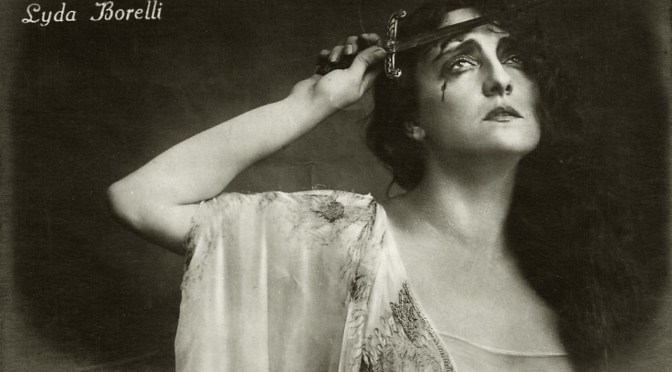
Lyda Borelli, Lillian Gish, Florence Vidor, Stacia Napierkowska. Let’s hear it for the ladies after an exceptionally strong day at the Giornate. My favourite film of the day was a Stahl that surprised us all, so let’s start with the great master of melodrama himself. or do I mean, the master of comedy?

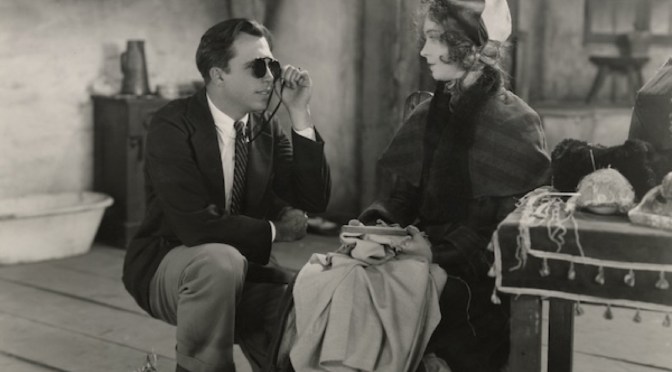
Husbands and Lovers (1924) was one of the few silent Stahls I had seen before, sort of. I had seen a cutdown version of this film, which stars Vidor and Lewis Stone as a married couple, and Lew Cody as their friend who makes up one of those triangles we have learned so much about this week. It’s dedicated to “the tired American wife who has a husband and craves a lover, or some such. The shortened version gave me a bum steer, turning it into a mini-melodrama. This is a sparkling, and very smart marital comedy, much in the same vein as Lubitsch’s The Marriage Circle. In the opening sequence, Vidor does everything she can do for her helpless man to assist with his morning routine, dashing about in her dressing gown. And then the cad has the verve to say she looks frumpy and untidy.  Does that mean there was not a hint of tragedy or an outlandish coincidence in sight? No, but it was played for laughs. And the joy of it is the slowly shifting relationship between the three characters, first one way, then another, until a joyous ending. Fantastic cinematography, sharp lead performances and a very adult understanding of what gets lost and goes unsaid in a long-term relationship. Do look out for this if you can. And it goes without saying, it gave us plenty more to talk about at today’s Stahl collegium presentation. Continue reading Le Giornate del Cinema Muto 2018: Pordenone Post No 6

Malombra (1917): Lyda Borelli and the Italian divas of silent cinema

This is a guest post for Silent London by David Cairns, a film-maker and lecturer based in Edinburgh who writes the fantastic Shadowplay blog.

The so-called “Italian diva” school of silent cinema presents challenges for those in love with narrative and closure, and not just because many of the films are incomplete or untranslated. These movies seem genuinely less concerned with plot than surrounding national cinemas, though this assertion must be qualified in a number of ways.

Francesca Bertini

What the films definitely are obsessed with is their stars, such women as Lyda Borelli, Francesca Bertini, and Pina Menichelli, around whom the films revolve, wholly. It’s as if the Italians noted that stars seemed to be what the public cared for most, and so decided to put everything else on the back burner while serving up long, langurous shots of languishing, anguished beauties. Superficially resembling both the kohl-daubed vamps of the Theda Bara school, and the later Swanson type of clothes-horse drama queen, Borelli and her sisters in sin dominated their films in a way few stars have been allowed to. Dietrich, maybe, or Garbo, but even those screen queens had to make way for plotting and forward momentum.

Continue reading Malombra (1917): Lyda Borelli and the Italian divas of silent cinema