Category Archives: Blog

Competition: Win tickets for Charlie Chaplin on Screen at the Royal Festival Hall 

Competition time! You could win two top-priced tickets for a very exciting event, Charlie Chaplin on Screen at the Royal Festival Hall.

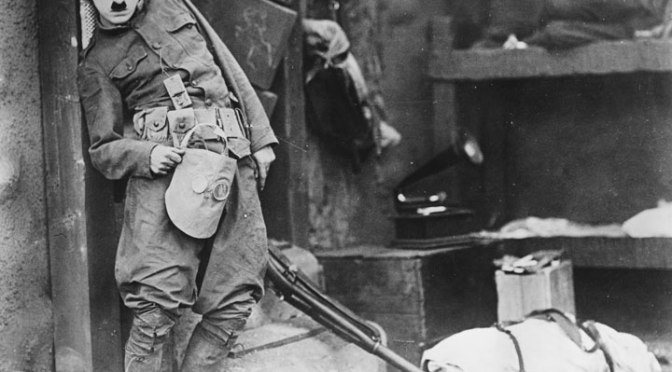
On Sunday 10 April the Philharmonia Orchestra presents a screening of three Charlie Chaplin films, with live music conducted by Carl Davis. Chaplin’s own music accompanies A Dog’s Life, in which Charlie strikes up a friendship with a stray dog that leads him into farcical antics, and Shoulder Arms, where hapless Charlie is sent over the top whilst fighting in the First World War. Davis also conducts his own score to short film Kid Auto Races at Venice, the first ever film appearance of Chaplin’s “Little Tramp” character.

A few words from Carl Davis: “The scores are each in their own way highly evocative with a strong music hall style. A Dog’s Life even has a music hall scene in which the leading lady is accompanied by a musical saw. These, what I call ‘half features’, are a stepping stone from Chaplin’s cycle of two-reelers – The Mutuals – and his first feature-length film The Kid of 1921. Our evening opens with a real collector’s item, Charlie’s third short, Kid Auto Races in Venice released in 1914. Its significance is that Charlie is wearing for the first time on film the iconic makeup and costumes that he became so strongly identified with: the little moustache, top hat and oversized shoes. I tried to pretend I was composing for a little band that might have been brought in to entertain the public attending the race, i.e. rough and raucous!”

For your chance to win two top-priced tickets for Charlie Chaplin on Screen, simply email your answer to the following question to orchestra@philharmonia.co.uk:

Which actress appeared in two of the three films shown at Charlie Chaplin on Screen?

  • a) Georgia Hale
  • b) Edna Purviance
  • c) Mabel Normand

Good luck! The competition closes on Friday 1 April at 12pm.


L’Inhumaine (Marcel L’Herbier, 1924) Blu-ray review: the high art of cinema

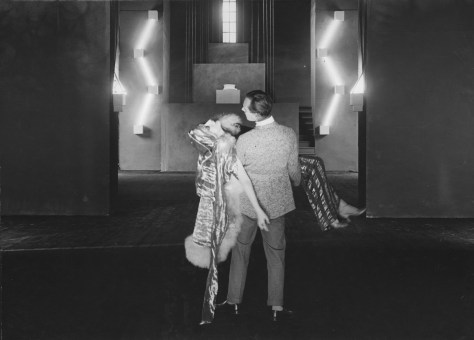
L'Inhumaine, Fernand Léger, 1924
L’Inhumaine poster designed by Fernand Léger, 1924

In the silent era, films were far more ephemeral than they are today. The fragile nitrate was unspooled for a few shows in each cinema that rented them, and then sent away, re-used, melted, left to crumble and decay or burst, suddenly, into flames. It was a time before retrospectives and archives and museums of the moving image. Now we see films in very different way. In the digital world, although the films seem to have lost their physical presence, becoming data streamed or downloaded on to screens of all sizes, they have the illusion of permanence. Central to this is the arthouse home video market, which packages films like books, as objects to be cherished, or maybe hoarded. A shelf full of gleaming Criterion Blu-rays is as imposing as a line of leather-bound novels – talismans of high culture and prized possessions. We don’t just watch films now, we expect to own them: explore them rewind and freeze and read around them.

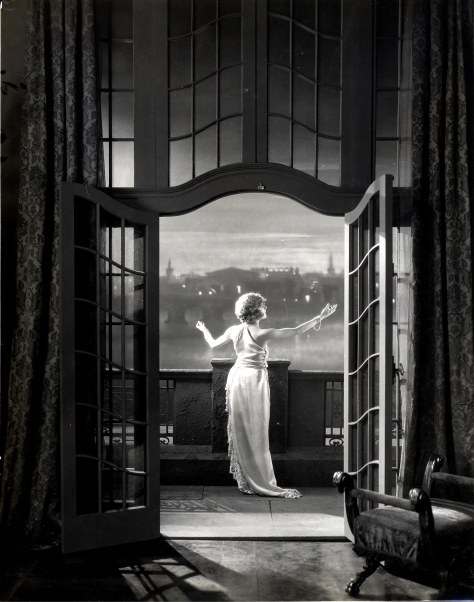
Marcel L’Herbier’s Art Deco science-fiction drama L’Inhumaine is as much an art object as a film, and as such, it is the perfect Blu-ray movie. This glittering feature was designed to be admired from all angeles, its intricate and self-consciously beautiful design is the 1920s equivalent of 4K high-definition. I dare you to watch it without your finger itching for the pause button.

007-l-inhumaine-theredlist

The inhuman woman of the title is a lady who knows a thing or two about being admired from all angles. Claire (played by soprano Georgette Leblanc) is an opera singer who lives in a stunning modernist home, which she opens to a select group of guests, a fawning salon of important men who jostle for her attentions. Everything about Claire’s world is both chilly and extravagant. The dinners she hosts are served at a dining table surrounded by an indoor moat. A drift of swans putter around the guest, more of Claire’s captives, but the only ones present who are indifferent to her beauty. When Claire hears that one of her admirers, Einar (Jaque Catelain) has killed himself after she rejected him, she experiences a slow awakening of her passions, and a more literal resurrection of her body, via a poisonous snake and an electric re-animation machine.

Continue reading L’Inhumaine (Marcel L’Herbier, 1924) Blu-ray review: the high art of cinema

Win tickets to see Shooting Stars

Welcome, wherever you are … Shooting Stars, Anthony Asquith’s bittersweet movie biz satire, is screening at the BFI Southbank on Thursday 3 March 2016. As you no doubt know, this is the gorgeous new restoration that graced the London Film Festival Archive Gala in October. Also, at this screening, there will be live music, courtesy of John Altman’s jazzy new score. It’s a fantastic British film, and a glorious treat for all silent movie buffs. Think of it as a forerunner to Hail, Caesar!, but with Brian Aherne in a stetson rather than George Clooney in a toga.

If you’re quick, you could win two tickets to this screening, so listen up.

Shooting Stars (1928)
Brian Aherne in Shooting Stars (1928)

To be in with a chance of winning some tickets, email Filmcompetitions@bfi.org.uk with STARS in the subject header by Wednesday 2 March at 9am. Tickets are limited to one pair per person and it is first come first served.

You will only be contacted by if you are successful.  In which case, your name will be added to a guest list and you will receive an email  by 7pm on 2nd March.

Sonic Cinema Presents: Shooting Stars with live score from John Altman and the Live Film Orchestra An unmissable screening of Anthony Asquith’s silent film set to live music.


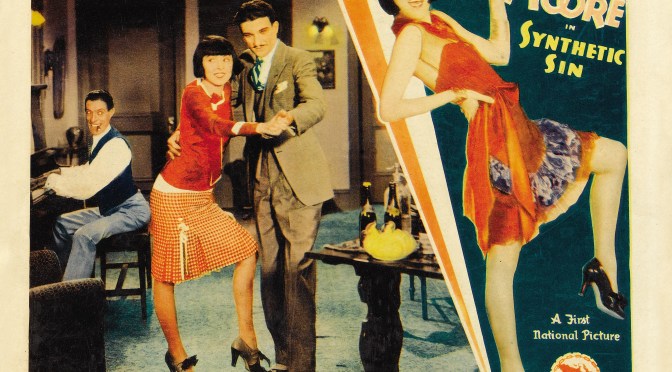
Synthetic Sin (1929): Colleen Moore and the joyful noise of the Jazz Age

Synthetic Sin (1929) is an artefact from a time long gone. That is to say that this film is delightful, glamorous, witty … And they really don’t make them like this any more. It’s typical of this movie that the title is a roaring twenties in-joke, a bit of jazz-age wordplay on “Synthetic Gin”. That’s not a phrase you hear too often these days, but this prohibition-era film sloshes with bathtub hooch. In fact, this is the kind of wisecracking romp where a gal can say to a fella: “Let’s you and I make hey-hey while there’s moonshine!”

When the twenties roared, there was mischief to be made. In the inner cities, in real life, gangsters took advantage of the prohibition laws to make plenty of illicit cash hawking illegitimate booze. But in the movies, and in the anxious imagination of Middle Americans, the flappers, a new breed of confident young women with bobbed hair and short hemlines, were wreaking just as much havoc.

Synthetic Sin has all the hallmarks of a classic flapper film, even though its heroine, aspiring actress Betty Fairfax, is really quite an innocent. Betty is played by Colleen Moore, an impish natural comedienne who was the first of Hollywood’s bright young starlets to bob her hair and embody the newest, freshest way to negotiate the path between girlhood and womanhood. If any writer encapsulated the spirit of the Jazz Age, it was F Scott Fitzgerald, and he doffed his fedora to our star. “I was the spark that lit up Flaming Youth,” he said. “Colleen Moore was the torch.” And if you love Louise Brooks, Clara Bow or Jean Harlow, then you need to know Moore.

Colleen Moore

Preternaturally youthful and vivacious, Moore defined the flapper, the modern, sexually liberated young woman, in terms that high-school girls could love and emulate. After Moore’s mother cut her hair into her trademark fringed bob (“whack, off came the long curls. I felt as I’d been emancipated”), teenage girls across the US rushed to the salon. She was unthreateningly friendly and funny, but a beauty too. Moore has a cute charisma that works instantly on the audience, like a fast-acting drug. She is both irresistible and unforgettable – and she was a huge star in the 1920s. But the sad fact is that many of her films have now been lost, which means that most people don’t know her work at all. Synthetic Sin itself was only recently rediscovered and restored. So this film is a very precious chance to see Hollywood’s foremost flapper in action.

“Moore created comic heroines who are as engaging in their failures to be glamorous as they are in their often accidental triumphs in love and career,” wrote Molly Haskell. That’s Synthetic Sin in a nutshell.

Here Moore plays a young girl desperate to grow old too quickly, to become a “woman of the world” with the necessary life experience to be a serious dramatic actress. All flappers want to push the boundaries imposed by their old-fashioned parents, so Betty runs away from her comfortable home to a fleapit hotel in the big city, in the name of art, and of love. The audience is in on the joke from the beginning: Betty is wonderful just as she is. Her improvised show at the family piano early in the film is Grade A comedy, and the steps she takes to widen her horizons bring her into dangerous territory: grubby, sleazy, violent. A place where this flapper might just encounter a gangster or two.

Continue reading Synthetic Sin (1929): Colleen Moore and the joyful noise of the Jazz Age

The New York Hat (1912): what women want 

This is a very slightly fleshed-out transcript of an introduction I gave to The New York Hat at the Kennington Bioscope as part of an evening dedicated to women in silent film.

It’s quite old, and very short, but The New York Hat (DW Griffith, 1912) is one of my favourite films, and I’d really like to explain why. As with Shoes (Lois Weber, 1916), this film looks at the lives of women and their finances through the lens of  consumerism, but the ramifications run deeper than the shop window.

The first reason that I love The New York Hat is that it is an early woman’s picture and I mean that in a fully feminist sense. Today we talk a lot about the Bechdel Test, which is basically a test to ascertain whether the women in a film are fully realised characters and not just appendages to the blokes. To pass the Bechdel Test, two named female characters have to have a conversation with each other about something that isn’t a man. Sounds simple. In the field, films that pass this test are rarer than hen’s teeth. It’s really hard to map the Bechdel test back on to silent films in the first place, and so many modern films fail it that you have to assume that older ones will struggle.

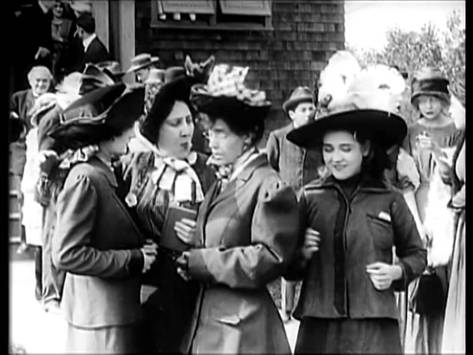
However, The New York Hat passes not just the letter but the spirit of the Bechdel test with flying colours, because its narrative is driven entirely by what women want, by what women understand about the world and the values that women have. We have the mother who wants the best for her daughter, the “bits of finery” that she craves, and the daughter who wants to grow up. Then we have some more women, the gossips, who create a conflict for her.

We have two male characters: the father is a no-good man who doesn’t really understand or care about women, and the minister who is a very good man, but also fails to understand women and their world.

The New York Hat (1912)
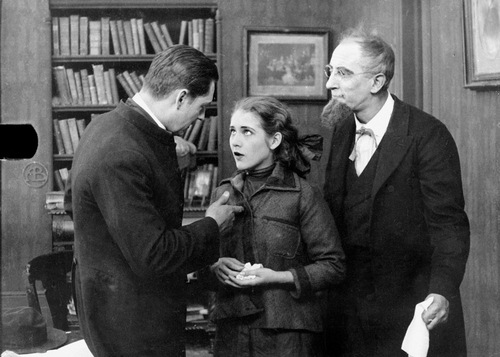
The second reason that I love The New York Hat is that even though it was made in 1912, it is like a glimpse at the future, at Hollywood in the height of the 20s. If you are interested in the history of silent cinema then this film is going to give you a real kick because everyone is in it. If The New York Hat were a pop band it would be a rock supergroup. The scenario for The New York hat was written by Anita Loos, who would go on to have a fabulous Hollywood career, writing films and intertitles and also the hilarious novel Gentlemen Prefer Blondes. The New York Hat is pure Loos – it’s very sharp on the way that women interact with each other and it also contains two of her favourite hobbies: fashion and gossip. When the lead character wears her new hat, the gap between the impression she thinks she is making and the one she really is, is a bitterly dark example of Loos’s vicious humour. It’s also a very poignant moment – and those mixed emotions are part of the magic of this enduring film.

Continue reading The New York Hat (1912): what women want 

Hippfest returns: the 2016 Hippodrome Festival of Silent Cinema

It might be the northern welcome, it could be the gorgeous vintage cinema, but it’s probably the combination of great films and first-class music … the Hippodrome Festival of Silent Cinema is a highlight of our calendar. This year’s festival runs from 16-21 March 2016 and excitingly, the programme has just dropped!

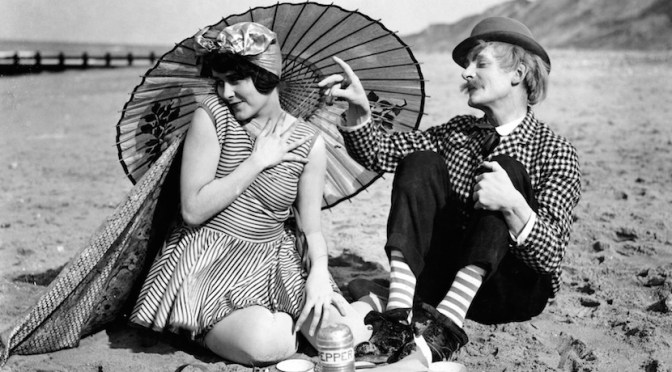
Exit Smiling (1926)
Exit Smiling (1926)

This means you can start booking your tickets now and believe me, these events often sell out, so act fast.

Mania: History of a Cigarette Factory Worker (1918)

The full programme is online here, so you can have a proper browse, but the lineup includes:

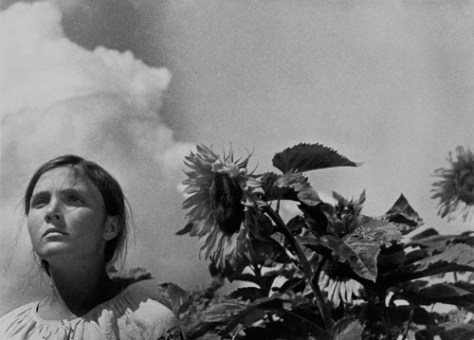
  • One of the greatest films of all time, Dovzhenko’s Earth, is the opening night gala, with a brand new score from Jane Gardner and Hazel Morrison.
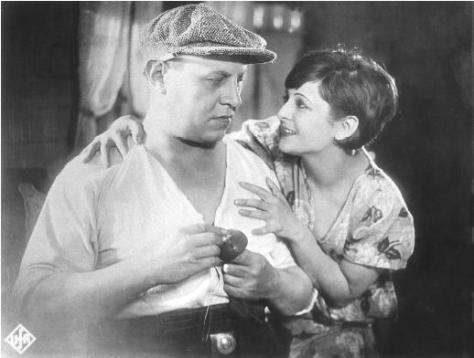
  • Camera acrobatics in Dupont’s thrilling love-triangle drama Varieté starring Emil Jannings and Lya di Putti, with Stephen Horne and Frank Bockius providing excellent, multilayered accompaniment.
Variety (1925)
Variety (1925)
  • The hilarious Exit Smiling starring Beatrice Lillie (“the funniest woman of our civilisation,” according to Noël Coward) as an aspiring stage star in a shabby touring company, with the ever-brilliant Neil Brand on the piano. That’s the Friday night gala with an introduction by Bryony Dixon – and the perfect excuse to dress up.
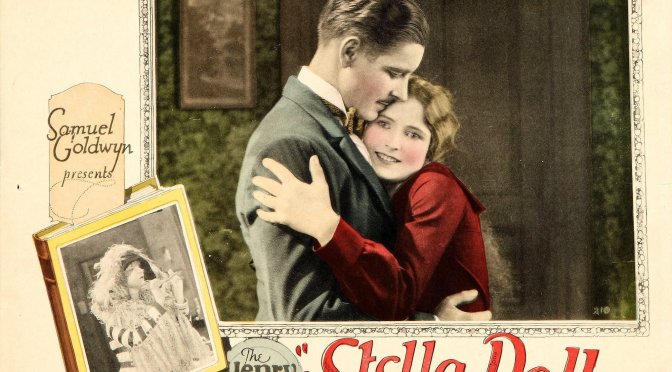
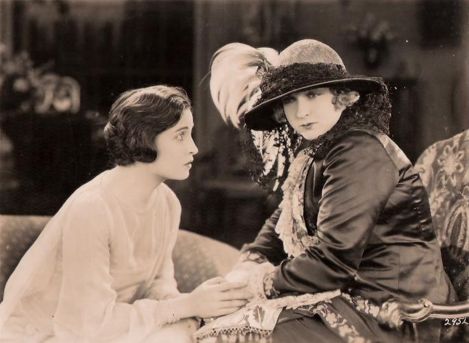
  • The unbeatable tearjerker Stella Dallas (the 1925 version), with a new score by Stephen Horne performed by himself and Elizabeth-Jane Baldry, and an introduction by your own humble correspondent.
Peter-Pan-1924
Peter Pan (1924)
  • Intergalactic German space documentary Wunder der Schöpfung screens with a wild soundscape score by Herschel 36 (who will be talking about how they wrote their score in another event at the festival) on Saturday night.
  • Late Chinese silent Daybreak, starring Li Lili, with accompaniment by John Sweeney. This screening will be supported by a talk on early Chinese Cinema, which is sure to be illuminating.
Earth (1930)
Earth (1930)
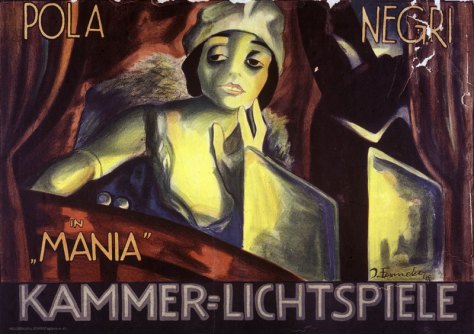
  • My own favourite film star, Pola Negri, in one of her early German films, Mania, with music from kraut-rock band Czerwie.
  • Reel rations – Bryony Dixon’s tour of British propaganda films from the Great War.
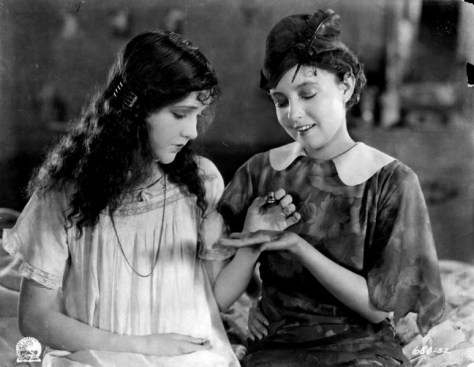
  • Herbert Brenon’s charming, inventive Peter Pan, with an acclaimed live score by harpist Elizabeth-Jane Baldry.
Stella Dallas (1925)
  • British train crash drama The Wrecker – screened at Bo’ness train station!
  • Comedy! Courtesy of a Laurel & Hardy triple-bill, as well as Buster Keaton in My Wife’s Relations and Anita Garvin and Marion Byron in A Pair of Tights.

To book for any and all of these events – head to the Hippfest website.

Toute la Mémoire du Monde 2016: a weekend in the city of cinema

When I first began to fall in love with the movies, I watched French New Wave double-bills at my local arthouse cinema. I saw the kids in Quatre Cents Coups and Bande à Part dashing across Paris and thought nothing could be more cinematic, more evocative of youth and passion and adventures in the city of light. Nearly two decades later and I, too, am sprinting down Parisian streets, and all in the name of le septième art.

At Toute la Mémoire du Monde, a sprawling festival of restored cinema hosted by the Cinémathèque Française, there are always far more films playing than you could hope to see, at screens across the city. So occasionally you have to forgo that customary pause and sigh of happiness at a film’s heartbreaking conclusion, grab your bag and leg it like Léaud to catch the Métro.

The Outlaw and his Wife (Victor Sjöström, 1918)

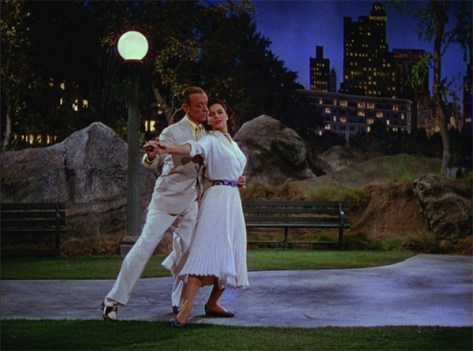
On my first day at the festival, as Marlene Dietrich ditched her heels and trudged across the desert to prove her devotion to Gary Cooper in the plush new Les Fauvettes rep cinema, I set out on my own speed-march back to the Cinémathèque to catch Fred Astaire getting his shoes shined. Then, of course, as I wandered back to my hotel across the Seine with ‘That’s Entertainment’ ringing in my ears, I had all the more to reflect upon.

I’m trying to explain why this festival offers a rush of blood through the veins, and that I felt ever so slightly light-headed all weekend. Doubtless, the effort of translating French intertitles in my head also gave my brain as much of a workout as my poor old feet. This is a French-language festival – all the sound films are “version originale” with French subs, and for silents, the only intertitles you can guarantee will be French ones. But the good news is that even though I am far from fluent in French, I understood about 80% of  the captions just fine. So if you are wondering whether the language barrier would come between you and this festival, well bonne chance!

The Band Wagon (1953)

It’s difficult not to feel close to the cinema in Paris, the city where the projection of moving images first began. The Cinémathèque, and the other screens I visited, are a long way from the upscale Boulevard des Capucines where the Lumières first unspooled their magic. But catching a programme of French shorts from the 1900s and teens gave me a little historical thrill. Not least when Oscar (Oscar au Bain, Léonce Perret 1913) whisked his ladylove around the capital in a taxi. And even the later films I saw, from The River of No Return (Otto Preminger, 1954) to Robocop (Paul Verhoeven, 1987), all owe their existence to those first flickers, it’s true.

Herr Arnes Pengar (1919)
Herr Arnes Penningar, 1919

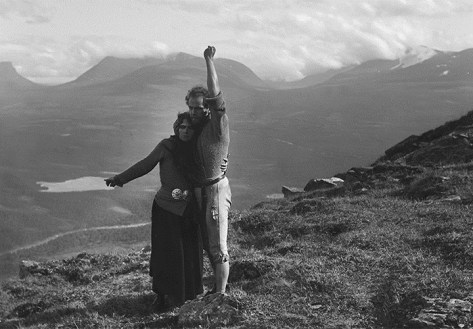
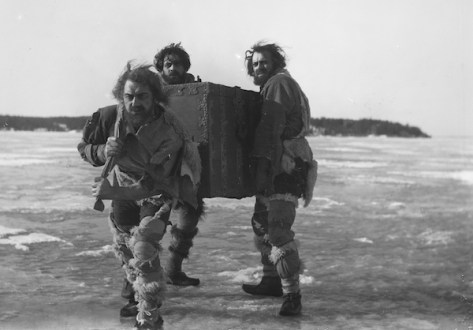
It’s in the nature of an archive festival to be eclectic, but had I been strictly silent all weekend, it’s a fair bet that I would have seen mostly Swedish films from the teens and early twenties by Mauritz Stiller and Victor Sjöström, courtesy of the L’école suédoise strand. I stretched my wings a little further than that, but still made time to see haunting, brilliant films by both directors: Stiller’s Herr Arnes Penningar (1919) as well as Sjöström’s Berg-Ejvind och hans hustru/The Outlaw and His Wife (1918) and Körkarlen/The Phantom Carriage, (1921). All three heart-wrenching experiences of the best kind – pitching the viewer into a world that is physically tough and spiritually fraught. Continue reading Toute la Mémoire du Monde 2016: a weekend in the city of cinema

Bringing back Frances Marion’s lost novel Minnie Flynn

This is a guest post for Silent London by Ben Smith.

When Kevin Brownlow was in LA in the 1960s, interviewing cinema veterans for his unrivalled history of the Hollywood silent era, The Parade’s Gone By, there was one important figure who declined to be interviewed, Frances Marion. Brownlow admits he would have pursued her much more vigorously if he had only known then what he does now. At that time Marion was writing her memoir, Off With Their Heads!

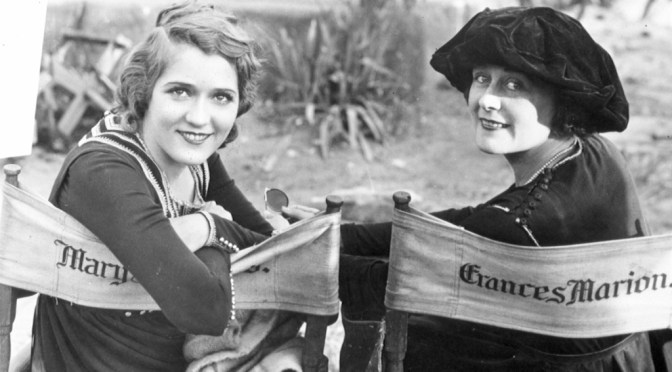
Marion wrote some of the silent era’s biggest hits, among them screenplays for Mary Pickford and Douglas Fairbanks. Early on she established an extremely successful working relationship with Irving Thalberg, and became MGM’s premier screenwriter. She found love with a former Presbyterian Minister, Fred Thomson, and helped build his career as an actor who starred in 24 westerns. Thomson’s fame in 1927 was second only that of Tom Mix, but his stardom was cut short by a contract wrangle with the banker and film financier Joseph Kennedy (JFK’s father and a man who both simultaneously swindled and reformed the studios).

Fred Thomson’s death in 1928 – variously recorded as the result of tetanus, gallstone surgery and tuberculous – left Frances Marion a bereft widow and the single parent of two children. Marion, was more than stoic in her refusal to be held back by tragedy and continued to stay at the front of her craft, being the first woman to get a solo screenwriting academy award for The Big House (1930) and another for The Champ (1931).

Mary Pickford in Rebecca of Sunnybrook Farm (1917)
Mary Pickford in Rebecca of Sunnybrook Farm (1917), which was written by Frances Marion

In 1925, the year that F. Scott Fitzgerald published The Great Gatsby, Marion published her debut novel Minnie Flynn, the story of an uneducated working class girl who gets a break in the New York movie world before finding fame and fortune in Hollywood. Like Gatsby it was a story about new money, unfettered morals and collapsing class boundaries. Unlike Gatsby it wore its debt to melodrama on its sleeve. This unusual book, unique among the quietly burgeoning genre of the Hollywood novel for depicting the New York/New Jersey film industry, has been forgotten by history.

Continue reading Bringing back Frances Marion’s lost novel Minnie Flynn

Dreaming schoolgirls to film pioneers: Silent Women at the Kennington Bioscope

The next Kennington Bioscope event is one very close to my heart. On Wednesday 10 February, the Bioscopers will celebrate the achievements of early female film-makers. It’s all in aid of a new book on the subject called Silent Women, featuring contributions from writers including Bryony Dixon, Shelley Stamp and Kevin Brownlow

Inspirational and informative, Silent Women will challenge many people’s ideas about the beginnings of film history. This fascinating book roams widely across the era and the diverse achievements and voices of women in the film industry. These are the stories of pioneers, trailblazers and collaborators – hugely enjoyable to read and vitally important to publish.

Dorothy Arzner calls the shots

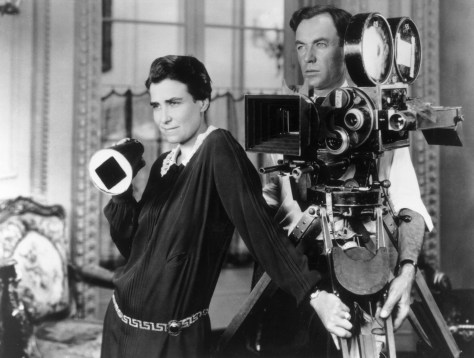
One of the most eye-catching chapters in the book is an interview with the wonderful Dorothy Arzner, by Kevin Brownlow. Arzner’s career spanned the silent and sound eras and she hasd a notably close working relationship with Clraabow, so she certainly had some tales to tell. It’s a fascinating read, covering so much ground, but this quote really appealed to me – and I think you will enjoy it too:

I was always known as a dreaming schoolgirl who wanted to do things that were impossible to do. Later it was done, but I was reaching all the time for something unusual. I always had something unusual in my pictures if I could catch it.

Continue reading Dreaming schoolgirls to film pioneers: Silent Women at the Kennington Bioscope

Garbo and Gilbert in Love at the Royal Festival Hall

War and Peace is nearly at an end (the raunchy BBC TV adaptation, that is). But don’t despair – Tolstoy up your life with Greta Garbo and John Gilbert. Hollywood’s hottest ever on-screen couple ™ starred in the sumptuous Anna Karenina adaptation Love (Edmund Goulding, 1927), which is showing at the Royal Festival Hall this month.

Yes, the Royal Festival Hall – with the Philharmonia orchestra (featuring violinist Vadim Repin) playing a brand new score for the film written by Aphrodite Raickopoulou. You may remember that she wrote a very lush, romantic score for a similarly grand screening of Faust a few years back.

The even better news is that tickets for this event now begin at £5 – which is unbeatable value really. This screening is the premiere of the new score and will kick off the 2016 UK-Russia Year of Language and Literature here in London. The film and score will then embark on a world tour, taking in Russia, Japan and South Korea. But you’ll see it here first in London.

LOVE POSTER

Love, a Carmen Zgouras production, screens at the Royal Festival Hall on Thursday 25 February 2016 at 7.30pm.


Victory for Napoléon: cinema and DVD/Blu-ray release at last

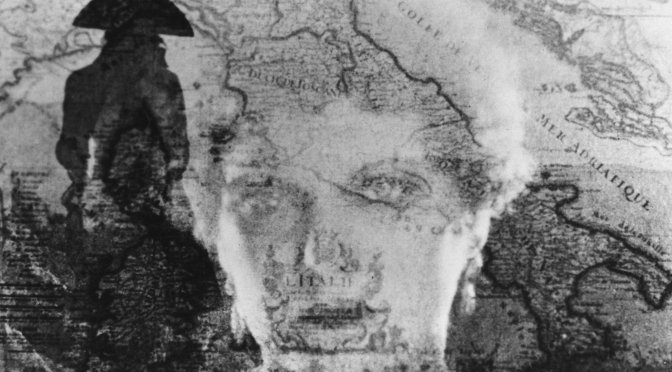
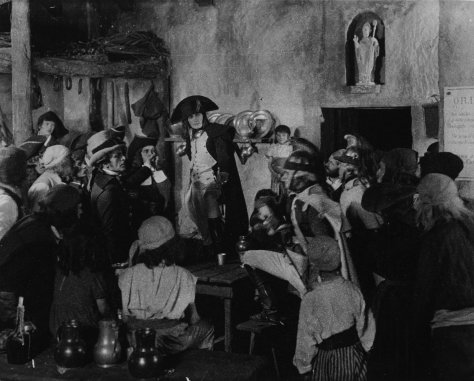
Hold on to your three-cornered hats. This may well be the news you have been waiting for since … ooh 1980 or thereabouts. BFI and the Photoplay have announced jointly that Napoléon, Abel Gance’s silent masterpiece, is coming to a screen near you – whether that is a concert hall, cinema, TV or computer. We all have three-screen TVs right?

So you can see Napoléon (1927) with the Philharmonia orchestra at the Royal Festival Hall this autumn – and many of us know what a treat that can be – but it will also be available to buy on DVD/Blu-ray, to stream on the BFIplayer and theatrically released in cinemas too. And make no mistake, this is the Kevin Brownlow restoration with Carl Davis’s epic score – the definitive five-and-a-half hour version of Napoléon that you really need in your life.

And while the live and cinema screenings will be magical experiences, I am getting a little thrill from the idea of being able to rewind sequences from the film and look at them again, and more closely. The snowball fight, for example! As that occurs at the the beginning of the movie, it could take me some time to get right to the end …

Napoléon (1927) Photograph: BFI

I won’t say too much more now, as we will no doubt be talking about Napoléon all year, which I am hugely looking forward to. But I do want to share some details about the restoration, and the people who made it possible. For example, we have been told that the digital process of restoration has cleaned up some damage in the 35mm print and allowed for greater capacity to recapture the tinting and toning of the original film.

This project has been achieved thanks to major work undertaken by the experts of the BFI National Archive and Photoplay Productions working with Dragon DI post-production in Wales, and to the generosity of Carl Davis and Jean Boht, who have made possible the recording of the score by the Philharmonia. The original restoration of the 35mm film elements in 2000 was funded by the generous support of the Eric Anker-Petersen charity, with the support of many archives around the world but especially the Cinémathèque Française and the Centre Nationale de la Cinématographie in Paris.

The film has been entirely re-graded and received extensive digital clean-up throughout, all of which offers significant improvements in overall picture quality. This is the most complete version of the film available, compiled by Academy Award™-winning film-maker, archivist and historian Kevin Brownlow who spent over 50 years tracking down surviving prints from archives around the world since he first saw a 9.5mm version as a schoolboy in 1954. Brownlow and his colleagues at Photoplay, initially the late David Gill, and then Patrick Stanbury, worked with the BFI National Archive on a series of restorations. The film version has been screened only 4 times in the UK since the year 2000 at memorable events with full orchestra performing the original score by composer Carl Davis.

Continue reading Victory for Napoléon: cinema and DVD/Blu-ray release at last

Slapstick at speed: the 2016 festival on fast-forward

After two whistlestop days at Bristol’s Slapstick Festival I am on the train back to London already, but the laughter is still ringing in my ears. Through the fug of good company, great films and fabulous music I can still pick out some details … just about. Here are the five best moments that I will treasure from this year.

Mighty Like a Moose (1926)

Charley v Charley

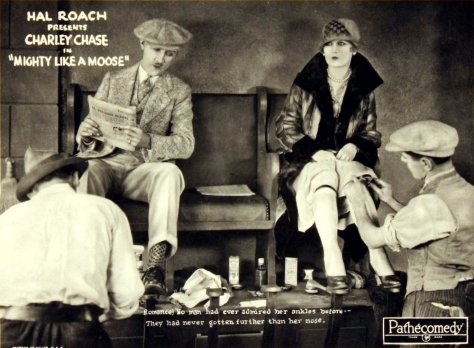
Friday night’s silent comedy gala had plenty to recommend it, of course, but when it comes to slapstick there was one standout moment for me. The fight sequence in Mighty Like a Moose (1926), in which Charley Chase battles himself, with costume changes of course, is a special pleasure. Can I place a standing order to see this every Friday night from now on please?

Chicago-1
Chicago (1927)

The many faces of Phyllis Haver

Cecil B DeMille’s Chicago (1927) is seedy, brutal, and hilarious. Like all the best nights out. The most deliciously cynical sequence must be Roxie Hart’s trial, though. As Hart’s lawyer sells her virtues (as it were) to the jury, Phyllis Haver moves through a cycle of poses that are as funny as they are strangely convincing. This devious minx flicks her features from “brave” to “sweet” to “shrinking” to “noble” faster than a flapper can roll her stockings.

The Awful Truth (1937)

Cary doffs his hat to Buster

If Bristol had done no more than to bring us Pauline Kael’s “slapstick prince charming” himself, we would still love this city. Watching Cary Grant in screwball masterpiece The Awful Truth (1937) at Slapstick this year was an absolute hoot. But the moment in this fizzy film when Grant is perched on the handlebars of a motorbike, Sherlock Jr-style, and touches his collapsed opera hat to his forehead in imitation of the great Buster Keaton? Priceless.

Continue reading Slapstick at speed: the 2016 festival on fast-forward

British Silent Film Festival Symposium 2016: let’s all go down the Strand

Is there a more pleasant sounding word than “symposium”? I think not, even if like me you are just old enough to remember the mid-90s punk pop band of the same name.

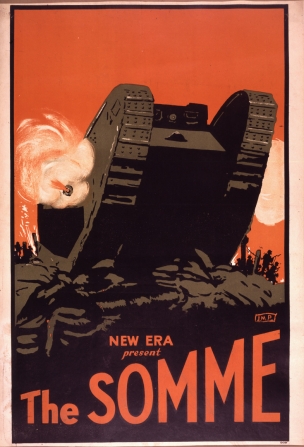
So it is with a satisfied, cat-like smile, that I share the news of a symposium, coming to these parts in April. it’s the British Silent Film Festival Symposium, if you hadn’t guessed, and it will take place at King’s College London, on 28 and 29 April. Two days? Yes, one day (the 29th, a Friday) will be given over to papers, the afternoon and evening of the previous day will be devoted to screenings of British silent films. Like, ooh I don’t know, The Somme (1927), perhaps? Surely not. Well, you didn’t hear it from me …

Betty Balfour as Tiny Toes in Love, Life and Laughter (1923)
Betty Balfour demonstrates the dress code for the BSFF Symposium. Photograph: British Film Institute

But of course, the BSFF Symposium is a partner to the BSFF itself, so whatever is shown, and discussed, at the event will relate to “the opportunity to re-assess film-making in Britain between 1895 and 1930”, and offer a chance to “consider the achievements and the key debates brought to light by the festival, and to discuss the new directions that future research may take”.

If you are a little highbrow you’ll be especially pleased to know that the likelihood of biscuits is: good to high. If you are really clever, you’ll want to also know how to propose a paper for this delightful symposium. Hold on for the details of the call for papers, courtesy of Dr Lawrence Napper, the supremo of this symposium:

200-word proposals for 15 minute papers are invited on any aspect of film-making and film-going in Britain from 1895-1930. We encourage submissions from early career researchers and independent scholars, and this year especially welcome papers which respond to the themes of the most recent festival, and the current AHRB project on ‘British Silent Cinema and the Transition to Sound’.

Proposals should be sent to Lawrence.1.Napper@kcl.ac.uk  by 29 March 2016. See you there!

Jane Shore (1915)
Jane hoped to sneak out to the BSFF Symposium undetected …

Shaking up the silent canon: is The General the greatest silent film?

I like silent movies even more than I like chocolate. And I do really like chocolate. So when I saw Richard Osman, best known as the co-host of Pointless, holding the World Cup of Chocolate on Twitter a few years back, I pondered whether I could do the same for silent movies. It’s a simple idea – a knockout tournament in which voters pick their favourites, based loosely on the rules of the football World Cup. I don’t have as many followers as Osman (by a very long chalk) and I had no desire to spam people’s feeds with retweets, so I shelved it.

Then Twitter introduced a nifty poll feature – multiple choice questions you could share on the social network, which stayed active for exactly 24 hours. And that meant that this year Osman’s chocolate bar tournament was bigger and more successful than before. So shamelessly, I pilfered his idea. Thanks Richard Osman!

Moroder's Metropolis
Moroder’s Metropolis
I hoped that the followers of Silent London’s Twitter account would get into it, and boy oh boy they did. To start the draw, I arranged the top 32 films from this list on silentera.com into eight groups of four and set the whole thing live. The Silent Era list, it seemed to me, was fairly uncontroversial – almost too uncontroversial – a consensus view of the established classics. And I assumed that the silent movie hipsters you find online would challenge that. But I was wrong, mostly.

In the end, Osman’s Twitter followers voted for the traddest choc bar imaginable – the dependable Cadbury’s Dairy Milk. And the Silent Londoners voted for … well the number one film on the Silent Era list, The General (1926). I have nothing against The General – it’s an unassailable classic – but I was expecting a giant-killing. The General is probably the Dairy Milk of silent cinema. Not only that, but positions number two and three on the SE list, Metropolis (1927) and Sunrise (1927) were right there in the semi-finals – with Murnau’s film making it through to the final with Buster Keaton.

So perhaps you guys aren’t as iconoclastic as I thought (those of you on Twitter that is), or perhaps from this distance the silent film canon is settled. Maybe a century later we can look at these movies and dispassionately rank them, quality sifting surely to the top. The General, and the majesty of Buster Keaton, aside, there were a few surprises in my World Cup results,* which suggest there is still plenty to play for.

Continue reading Shaking up the silent canon: is The General the greatest silent film?

London in colour: talking about Colour in Film

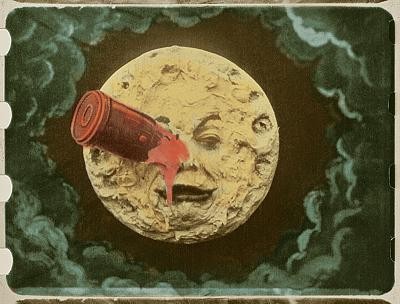
Not that silent film history is complicated, but put it this way: it’s not black and white. Joshing aside, one of the most exciting themes to emerge in recent cinema scholarship is the exploration of film colour – from the earliest hand-painted frames to today’s teal-and-orange “realism”. And it’s arguably more exciting to learn about the colour pioneers and their various attempts to make films appear lifelike – or better than that – than later developments.

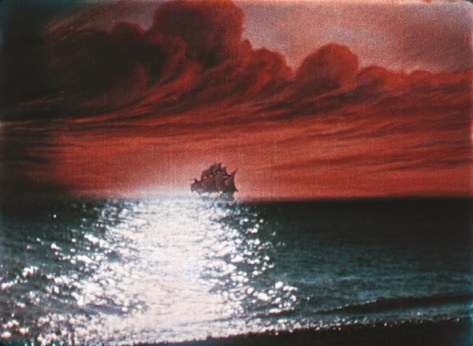
Le Voyage Dans la Lune (1902)

So I thought you’d like to hear about a two-day event in March that puts tinting in the frame – Colour in Film, which takes place in London, at the BFI Southbank and Friends House on Euston Road. The keynote speakers are Sarah Street, who will give a paper on British Cinema in Colour: Creativity, Culture and the Negotiation of Innovation and Barbara Flueckiger, tackling the subject of Bridging the Gap between Analogue Film History and Digital Technology. Other contributions will come from Ulrich Rüdel, Kieron Webb, and more names that will be familiar to you.

The Glorious Adventure (1922)

Continue reading London in colour: talking about Colour in Film

The Silent London poll of 2015: the winners!

The votes are in! Thanks to everyone who contributed their thoughts to this year’s poll – we had a wide range of responses, and votes cast from around the world. Looking back on the 2015 reveals that it was a very strong year for silent film, which meant that many of these decisions were very close-run things. Congratulations to everyone who won a category – and those who just missed out too.

protesting-suffragettes-early-1900s1
Make More Noise!

The best DVD/Blu-ray of 2015

There have been some corking discs and box sets released this year, so there were several contenders for this prize. But out in front by some distance, was the BFI’s brilliant suffragette compilation with music by Lillian Henley: Make More Noise! Don’t mind if we do.

Make More Noise!
Make More Noise!

The best theatrical release of 2015

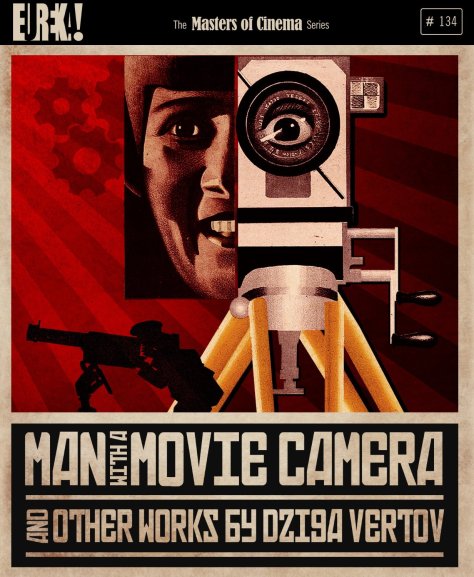
Not so many titles up for contention here, and some confusion as to what represents a bona fide theatrical release. Good to see some love for films that were popular on the festival circuit such as Synthetic Sin and The Battle of the Century, even if they weren’t exactly what we were looking for here. However, among several nods to Steamboat Bill Jr and Man With a Movie Camera, your winner was … well why not: Make More Noise! again. Congratulations to Bryony and Margaret Deriaz, who curated this fabulous selection of films.
The Tribe (Plemya, 2014)

The best modern silent of 2015

My personal favourite new film of 2015 won this category hands-down. While Miroslav Slaboshpitsky’s deaf-school drama The Tribe technically has plenty of dialogue, the fact that said dialogue is entirely in Ukrainain sign language makes this a silent film for most. And an astonishingly powerful one too. Not for the faint-hearted, but a fantastically exciting film nonetheless.

The Phantom of the Opera

The best orchestral film screening of 2015

Well you saw some excellent shows in 2015, didn’t you? There were many great nominations for this category, and the title very nearly went to a London screening … but not quite. The winner was the triumphant conclusion to this year’s Pordenone silent film festival: The Phantom of the Opera with Carl Davis’s excellent score played by Orchestra San Marco and conducted by Marc Fitzgerald. I can confirm that this was a blinding performance, but also that the Teatro Verdi lighting stayed firmly in place throughout the show.

Continue reading The Silent London poll of 2015: the winners!

Silent London Poll of 2015: shout about your year in silents

Festive greetings, Silent Londoners! It’s the time of year when choirs sing, reindeer run, and magazines and newspapers start launching their best-of-the-year lists. But I don’t care what they think – I want to know how 2015 was for you, silent cinema wise.

Synthetic Sin (1929)

For me, it’s been a very interesting year, with a couple of very special modern silent-type films in the cinema, the return of the British Silent Film Festival to its full strength and some great screenings in the capital and beyond. I’ve enjoyed some intriguing silent rediscoveries this year, and returned to a few classics too, notably the centenarian landmark The Birth of a Nation.

Continue reading Silent London Poll of 2015: shout about your year in silents

News: Slapstick, Hippodrome, Neil Brand, Nanook and more

It’s a busy time! Here’s a roundup of the silent movie news I really want to share with you.

Bristol fashion

The Slapstick festival, our favourite reason to visit Bristol, is back in 2016, running from 20-24 January with a fantastic lineup of events topped by a special gala screening of Chaplin’s The Kid. But there’s so much more to the programme than that. I am looking forward to Kevin Brownlow’s favourite silent comedy westerns, Lucy Porter on the genius of Anita Loos, David Robinson’s lecture on the inside story of The Kid and a musical screening of Cecil B DeMille’s jazz-age drama Chicago (1927), as well as tributes to Buster Keaton, Harold Lloyd, Ben Turpin and more. Read more and book here and don’t forget to support the Kickstarter campaign if you can.
 

Neil Brand – and friends

Brand new

It would take a smarter woman than me to keep up with Neil Brand these days – he pops up everywhere from the BBC to the Royal Albert Hall to the good old BFI. The best way to keep tabs on his activities and make sure you don’t miss a show, is his website neilbrand.com, which has just been thoroughly revamped. There’a google calendar of his upcoming events (very useful) and links to buy his DVDs, albums and books. Plus, there is an INCREDIBLY USEFUL page, titled So you want to programme a silent film? which is a clear, and authoritative guide to how to put on a silent film screening – from rights to music to marketing. If you are contemplating putting on a show – read this first. There is also a link through to Brand’s Originals site, which has some fascinating material about film music and musicians in the silent era. I hear that these pages will be getting their own makeover shortly.

Continue reading News: Slapstick, Hippodrome, Neil Brand, Nanook and more

Silent London’s epic fifth birthday tweetalong

The Birth of a Nation (1915)

It’s our birthday! Silent London is five years old today. Definitely school age and time to grow up, right? Thanks to all of you who have followed the blog, commented, contributed, pushed a like or retweet button or generally been fabulous over the years!

I wanted to find a suitably epic way to celebrate the fact that I haven’t give up or been shunted off the internet by blogger-hating meanies but until yesterday I was drawing a blank.

The Birth of a Nation (1915)

Then, the postman delivered a copy of the BFI’s latest Blu-ray to my door. It’s a biggie. It’s The Birth of a Nation. Love it, hate it, puzzle over it, misunderstand it, do what you will, you can’t ignore it. And yet sometimes it seems to be a film more talked about than, y’know, actually watched. So let’s watch it together, tonight, a hundred years after it was first seen, on the meaningless anniversary of a silent movie blog.
The Birth of a Nation (1915)

Continue reading Silent London’s epic fifth birthday tweetalong

Bonus silent movie emoji quiz: win a pair of tickets to Seventh Heaven

Janet Gaynor and Charles Farrell in Seventh Heaven (1927)

Silents-wise, this screening is surely the highlight of the BFI Love season: Frank Borzage’s gorgeously romantic Seventh Heaven (1927), with a brand new score by KT Tunstall, Mara Carlyle and Max de Wardener.

Seventh Heaven is a classic from the golden years of Hollywood silent cinema, with unforgettable performances by Janet Gaynor and Charles Farrell as star-crossed lovers in a gritty, but somehow still beautiful Paris. Back in 1927 Mordaunt Hall was moved to laughter and tears by this film, saying: “It is obvious that this subject was admirably suited to the screen, but it should also be said that Frank Borzage in directing this production has given to it all that he could put through the medium of the camera.” 

It’s true. There is more emotion in 10 minutes of this weepie than most entire films, so this live music event should be unforgettably immersive. Here’s what the BFI has to say about the event:

Sonic Cinema has teamed up with the formidable talents of British musical powerhouses KT Tunstall, Mara Carlyle and composer Max de Wardener to present a brand new BFI-commissioned score to Borzage’s classic. Perhaps the most sublimely lyrical of all the silent-era romances, this tale of transformational love sees Charles Farrell’s sewage worker and Janet Gaynor’s street waif rise above poverty and war to be together. Martin Scorsese’s observation that Borzage’s films unfold in ‘lover’s time’ was never more apt, and the tender emotions Borzage captures build to an unforgettable, transcendental climax.

Continue reading Bonus silent movie emoji quiz: win a pair of tickets to Seventh Heaven