Category Archives: Screening

Funny Valentines: Silent comedy at Slapstick 2023

This February, comedy fans will head west to Bristol, Unesco City of Film for the annual Slapstick Festival. As usual, there is plenty for fans of silent cinema in the programme, with stars from Charley Bowers to Harold Lloyd, Charlie Chaplin to Marlene Dietrich. Presenters include Kevin Brownlow, Steve Massa and Polly Rose, as well as the marvellous Ayşe Behçet, whose Charlie’s London posts you may remember from this very site, back in the day.

The 2023 Slapstick festival runs from 14-19 February this year, and here’s what’s coming up silent in the programme.

WEDNESDAY 15 FEBRUARY

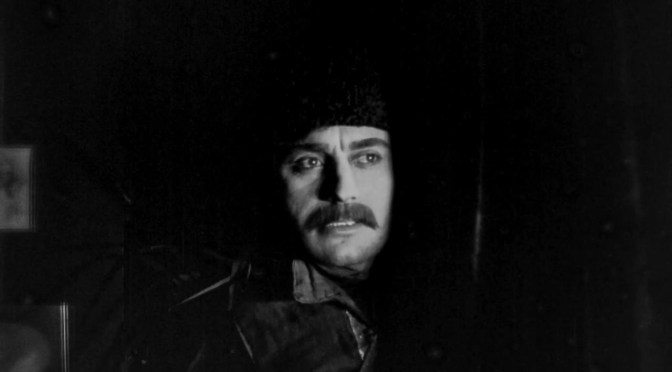
2pm: The Cigarette Girl Of Mosselprom [1924]

Hosted by Lucy Porter

Watershed  £8.50/£5.00

Dir: Yuri Zhelyabuzhsky, Soviet Union, 78 mins, cert TBA

In stark contrast to most films made immediately after the Russian Revolution, this is an endearing rom-com filled with likeable characters and some self-effacing insights into the filmmaking process. At the centre of it all is cigarette seller Zina (played by the future Cannes award-winning director Yuliya Solntseva) and the love tangles that surround her when she is talent-spotted to become an actress. With an introduction from stand-up comedian and actor Lucy Porter and live piano accompaniment by John Sweeney. 

Continue reading Funny Valentines: Silent comedy at Slapstick 2023 →

Amaryllis (2022): diary of a teenage skater girl

Amaryllis is a refreshing new modern silent film. It’s the first silent movie I have ever seen that is set in Digbeth, for one. But this female-led crime drama feels very modern and very traditional all at once. The occasionally playful take on a gritty urban milieu is entirely in spirits of say, Chaplin’s Easy Street, though this is a drama not a comedy and too streetsmart to be sentimental. On the other foot the young female heroine who glides around Birmingham on a skateboard and doodles ferociously in her journal feels very much like a character of the here and now.

Continue reading Amaryllis (2022): diary of a teenage skater girl →

Le Giornate del Cinema Muto 2022: Pordenone Post No 8

So the 41st Giornate del Cinema Muto, and my personal 11th, draws to a close with two British silent films. What is that they say about saving the best for last?

I was certainly in Italy this morning, with the Italian drama Profanazione (Eugenio Pergeo, 1924-6) – a tale of adultery, corruption, suspicious, lost pets and automobile accidents. This was spirited drama, if very heavy on the intertitles, with Leda Gys as a woman who strays and yet is more sinned against than sinning. That title translates into English as “defilement”, which gives you a sense of the subject matter, I think, and why censorship delayed the film’s release for so long. Gys is every inch the star, though notably more restrained than the diva mode, and she is the heart of this film that despite its twists and turns, is very much a serious film for grownups.

Continue reading Le Giornate del Cinema Muto 2022: Pordenone Post No 8 →

Le Giornate del Cinema Muto 2022: Pordenone Post No 7

Day Seven of the festival and the mood on campus is very much “Thank God it’s Friday”. Not because anyone is glad the Giornate is nearly over (perhaps apart from the festival team perhaps who have worked tirelessly to ensure everything has run beautifully, as usual), but because today’s lineup is especially toothsome. More Norma! A Frances Marion-directed feature! And Ivan Mosjoukine and Brigitte Helm smouldering opposite each other! That’s before we even get to tonight’s Ruritanian romp – the 1924 adaptation of the silent era touchstone that is Elinor Glyn’s Three Weeks. Hold on to your string of pearls, we are going all-in.

First, an especially timely effort from Team Talmadge. In Within the Law (Frank Lloyd, 1923), Norma plays a shop girl who fights back. Exploited under capitalism, and imprisoned for a crime she didn’t commit, young Mary finds “going straight is a tough proposition”. Instead she teams up with a pretty blonde cellmate to take revenge on the moneyed male establishment with a breach-of-promise scheme that exploits men, cashes the big and stays strictly “within the law”.

Continue reading Le Giornate del Cinema Muto 2022: Pordenone Post No 7 →

Le Giornate del Cinema Muto 2022: Pordenone Post No 6

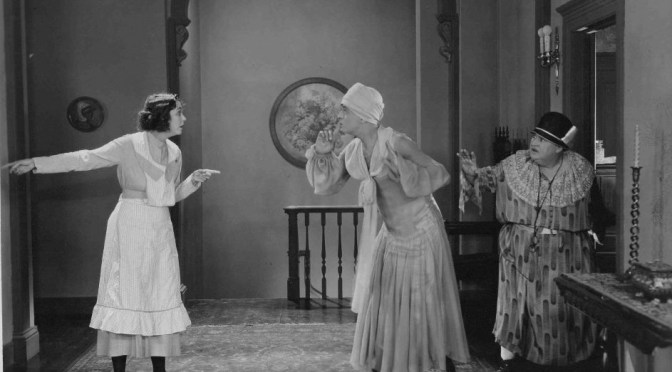
This evening belonged to Marie Prevost, much-maligned silent Hollywood comedienne and high empress of flirtatiousness. She appeared twice on the Verdi screen in front of a packed hall in two fashionable comedies, one about hair and another about lingerie: first in a fragment of the multi-authored flapper farce Bobbed Hair (Alan Crosland, 1925), and then full-length in the Al Christie comedy Up in Mabel’s Room (E. Mason Hopper, 1926).

Continue reading Le Giornate del Cinema Muto 2022: Pordenone Post No 6 →

Le Giornate del Cinema Muto 2022: Pordenone Post No 5

We have already established that Norma Talmadge is fond of a dual-role, but 1920’s Yes or No? (R. William Neill) pushes the boat out by having two Talmadge sisters on the cast list. of this New York drama Natalie T plays Emma, the maid of dissatisfied society lady Margaret (Norma) and sister of dutiful tenement housewife Minnie (also Norma). The clue is in the title here, and each woman will be asked to choose between temptation and courage, extramarital adventure and (often thankless) fidelity. So it’s a similar structure to that great Norma T melodrama Secrets (1924, Frank Borzage): a character study building to a question that tests that character. However, here we have two women, two questions, two answers – and two sets of consequences.

Choose carefully, ladies. The film is judging you. Literally, if those beartrap illustrations behind certain title cards are to be believed. In fact the title cards were a real highlight of the film, elegantly and often wittily illustrated. True, they were also a little sanctimonious, regressive… but it’s 1920 what can I say? The important point is that Norma is really splendid in this one. She does well with these two sympathetic characterisations, and while she is not charismatic in the way of a Swanson or a Pickford, she is very watchable. I am very much excited for the Normas to come. And thanks are due to José Maria Serralde Ruiz, for playing such an old-fashioned dramas if it were brand new, and building the tension beautifully.

Continue reading Le Giornate del Cinema Muto 2022: Pordenone Post No 5 →

Le Giornate del Cinema Muto 2022: Pordenone Post No 4

What’s your favourite Latvian nationalist historical fantasy war epic? From the silent era, I mean. Taking a little while to decide? Cool, I’ll share mine. It’s Lāčplēsis AKA The Bear Slayer (Aleksandrs Rusteiķis, 1930), newly restored by Riga’s Studio Locomotive.

To reassure the squeamish among you – there is no bear slaying in this film. The Bear Slayer is a strongman of Latvian legend, so burly he can kill a bear with his bare (sorry) hands, but he uses his might for right. This film starts with a hell of a bang, in full-on fantasy mode as an evil “Black Knight” (Osvalds Mednis) with an alarming bullet-shaped head and a supremely sinister gaze tries to bear down on a damsel in distress (Lilita Bērziņa) in a castle. She has an enchanted brooch that will save her, but the Knight gets his ghoulish, wizardy goblin pals to reverse that charm. They begin preparing the cauldron with the usual eye of newt etc and at the last minute, as they prepare to take the blood of an innocent dove, the Bear Slayer/Lāčplēsis (Voldemārs Dimze) throws his sword into the works and foils the dastardly scheme.

Continue reading Le Giornate del Cinema Muto 2022: Pordenone Post No 4 →

Le Giornate del Cinema Muto 2022: Pordenone Post No 3

Holiday hats on everyone. The sun is out in Pordenone. And although it can be a struggle to choose the dark of the cinema over basking in the Italian heat, there are compensations. Even if, this afternoon, the heavens opened in the Verdi with a screening of Joris Ivens’ splashy art film Regen (1929), part of the strand celebrating 90 years of the Venice Film Festival.

Continue reading Le Giornate del Cinema Muto 2022: Pordenone Post No 3 →

Le Giornate del Cinema Muto 2022: Pordenone Post No 2

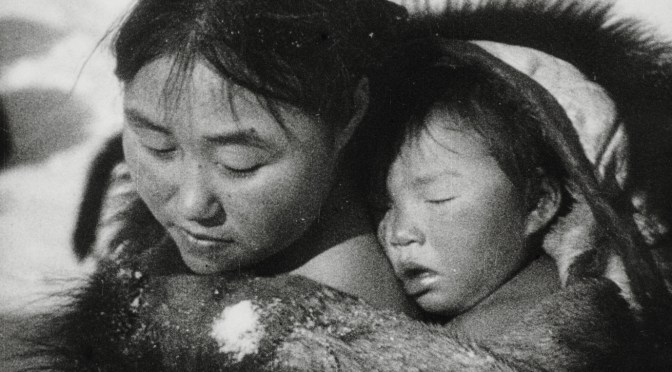
There’s something about Nanook… A century after it was first released, you might not expect a film with such a complex history to be, as Jay Weissberg said, one of the most anticipated events of the festival. But it certainly was. A quick straw poll of Pordenone attendees confirmed that yes, most of us had first seen Nanook of the North in a film studies classroom or lecture hall, and that we had been told both that it was a box-office sensation, and that it was partly a dupe. But this centenarian film is more than just a notch on the documentary cinema timeline, and it has a beguiling beauty and humanity that commands respect.

Continue reading Le Giornate del Cinema Muto 2022: Pordenone Post No 2 →

Le Giornate del Cinema Muto 2022: Pordenone Post No 1

Welcome home, to your home away from home, Pordenauts. It’s the 41st Giornate del Cinema Muto and the assembled crowd in the Teatro Verdi is bursting with questions. Questions like: do we know what is unknown in The Unknown? Would you like to sin with Elinor Glyn? How much Norma is Talmadge? Does a Pathé-Baby sleep through the night? How many men could a Manxman mank if a Manxman could mank men? And (I may actually have been asked this one in all seriousness) can you point to Ruritania on a map?

Time will provide answers. Meanwhile, let us savour eight days in the make-believe land of silent cinema, once upon a time and far, far away from the troubles we left behind with our morning newspapers.

Continue reading Le Giornate del Cinema Muto 2022: Pordenone Post No 1 →

Pirmoji Banga 2022: keeping silent cinema weird in Vilnius

Greetings from Lithuania!

It has been a bit of a quiet summer here. The reason is that I have been working on a couple of research projects, and travelling too – mostly around the country talking about Pre-code cinema (I’m in Scotland this week, and Belfast next month – links below). But also to further-flung spots such as Vilnius, home of Pirmoji Banga. And if you don’t know what that is, you have come to the right blogpost…

Pirmoji Banga means ‘first wave’ and this is a festival of early film, in the extended sense. from the very beginnings to the first talkies, everything before the second world war, more or less. The festival is substantially devoted to silent cinema, which is presented with live music from international artists. And some of this year’s screenings benefited from a benshi too, which was particularly special. The screenings are all held at a smart arthouse cinema by the river, called Skalvijos Kino Centras. A cool place. Very silent film hipster. Check out the foyer display for the festival (and two people who definitely aren’t hipsters in the mirror):

Continue reading Pirmoji Banga 2022: keeping silent cinema weird in Vilnius →

Il Cinema Ritrovato: a week in 1922

Three little words of Italian you need to learn if you attend Il Cinema Ritrovato: Cento Anni Fa. This must-see strand of the festival, curated by Bologna’s silent cinema supremos Mariann Lewinsky and Karl Wratschko, dials back the programming clock by a century. The name means simply: a hundred years ago.

So it was that this week, in between blasts of restorative Italian sunshine and shots of iced coffee, I spent a week in the 1922 cinematic universe: a world of gorgeous location photography, penetrating psychodrama, impeccable slapstick and to generalise, a healthy number of female-led films (including a handful of nasty women). It was clearly a good year for the movies, so much so that even though I skipped some of the Cento Anni Fa screenings as they were already familiar to me (or outside my days at the festival), that left plenty of room to explore some less well-trod pathways through the year, one massive restoration project and at least one cult classic that I had been saving up for a big-screen viewing. Here are some of those highlights.

Continue reading Il Cinema Ritrovato: a week in 1922 →

Tromsø Stumfilmdager 2022: An Arctic adventure in film and music

All silent film festivals are not the same. Tromsø Stumfilmdager in northern Norway is full of surprises. For one thing, it was the first time I have ever been offered, and gratefully accepted, earplugs before a silent movie screening.

But first of all, as we’re (mostly) Brits here, you’ll want to know about the weather. And boy was there are a lot of it. Tromsø is 69 degrees north, comfortably inside the Arctic Circle and yet in late April they often expect balmy temperatures of 5 Celsius or so, and clear skies. Not this year. As our pilot informed us en route, “winter has returned”, and we spent four days in the Arctic snow. A delightful Christmas-card novelty for us, but something of a drag for the locals who were looking forward to spring.

There was no escaping the weather on-screen either. The movies included the stories of a seasonal thaw, a woman driven insane by the desert winds, a serial killer operating under the cloak of city fog and a demon destroyed by sunlight. Ten points if you guess all of those titles correctly (although you could just check out the programme here).

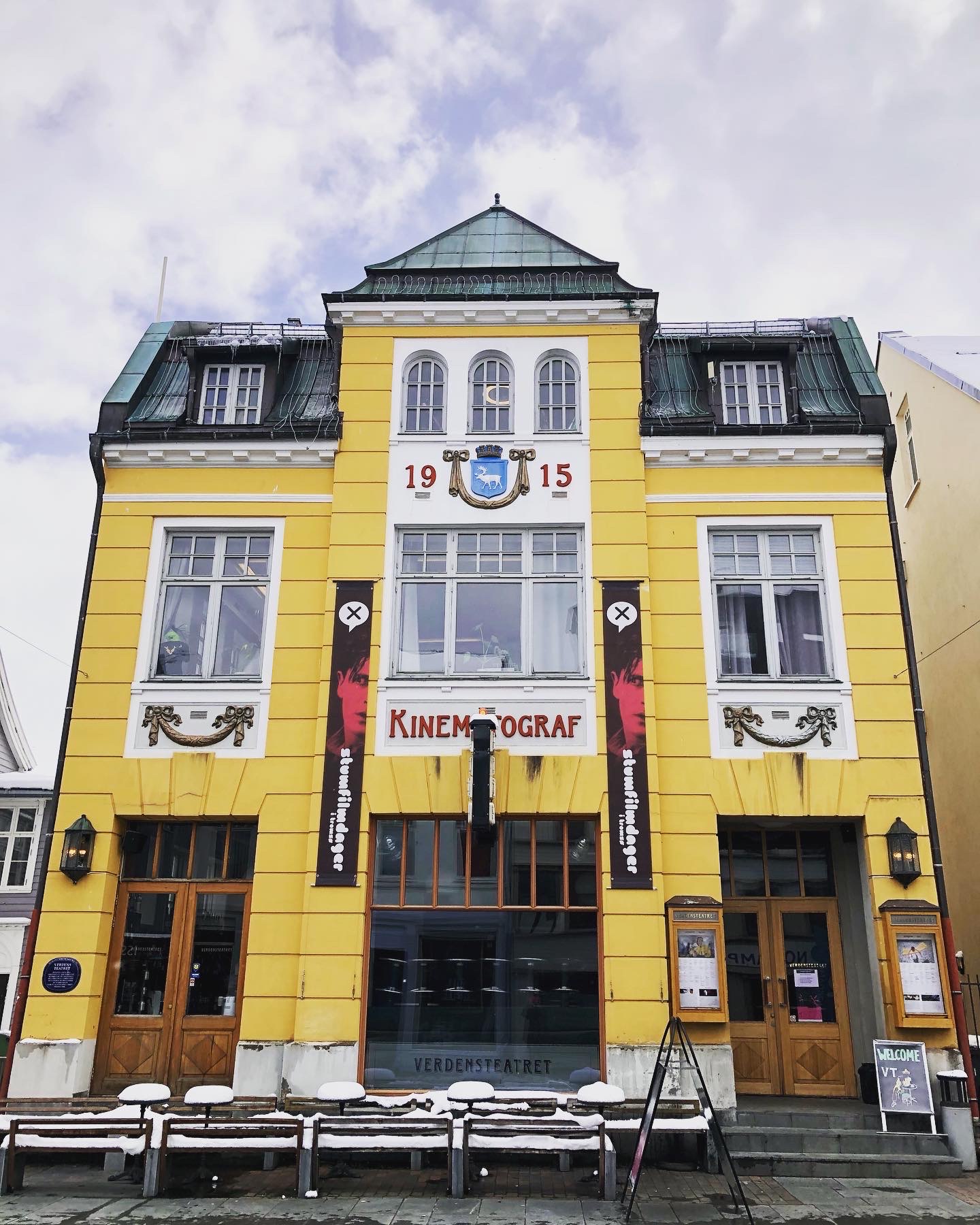
The Verdensteatret in Tromsø – what a venue!
Continue reading Tromsø Stumfilmdager 2022: An Arctic adventure in film and music →

Alim (1926): a taste of ‘Ukrainian Hollywood’

There are so many great silent film screenings in London right now, and I trust you are keeping up with the nationwide listings run by our friends the Silent Film Calendar. But I had to pause a moment and let you know about this event – a real one-off.

The Birkbeck Institute of the Moving Image is showing a newly restored, but rarely shown Ukrainian silent film on 29 April, with a live score by Crimean Tatar folk and jazz guitarist Enver Izmaylov and an introduction by scholar Dr Olena Palko.

Continue reading Alim (1926): a taste of ‘Ukrainian Hollywood’ →

Reginald Denny and What Happened to Jones? (1926): mischief and merriment

The appeal of What Happened to Jones? is not hard to place – as long as you are in possession of a funny bone. It’s a cheeky, crowd-pleasing gag-fest, adapted from a Broadway farce of the same name that packed houses on Broadway and the West End in the late 1890s, even as it left the critics largely cold. What Happened to Jones? thrived in silent cinema, being adapted in 1915, 1920 and finally in 1926 – starring the fabulous Reginald Denny. It’s a breezy tale of a chap called Tom Jones who goes out gambling with his friend Ebenezer Goodly the night before his wedding. Comic complications ensue, as you would fervently hope!

Reginald Denny, the dapper star of this farce, may now be best remembered as a character actor in talkies, but in the silent era he was a leading man, a comic star. Though in truth his heart belonged to aviation and athleticism as much as it did to acting. He was born into a theatrical family in Richmond, Surrey, and although he had some success as a child actor, he was sent to boarding school aged 11 after his mother died. He ran away from school to London as a teenager – that’s where he took up boxing and eventually became a heavyweight champion.

Continue reading Reginald Denny and What Happened to Jones? (1926): mischief and merriment →

Nasty Women at Hippfest: The Night Rider and Rowdy Ann

This blogpost is a version of the introduction I was honoured to give at the Hippodrome Silent Film Festival on Friday for the Nasty Women: Gender Rebels double-bill. The films were brilliantly accompanied by Meg Morley, and the festival continues all weekend.

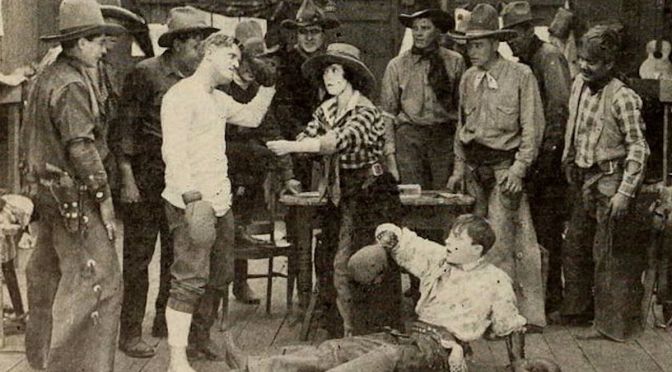
Welcome to the world of Nasty Women. Cinema’s First Nasty Women is a curatorial project from two American academics, Maggie Hennefeld and Laura Horak. The name is taken from Donald Trump’s notorious remark about Hillary Clinton, and for the past five years, Hennefeld and Horak have been screening films that reveal women being transgressive, riotous and unbiddable on the silent screen at festivals around the world.

This May you will be able to take the nasty women home with you on a four-disc DVD and Blu-ray box set, containing 99 films, dating back to the very beginnings of cinema, sourced from a dozen international archives. It will be crammed with “feminist protest, anarchic, destructive slapstick, and suggestive gender play”.

Continue reading Nasty Women at Hippfest: The Night Rider and Rowdy Ann →

Hamlet (1921) at BFI Southbank: Shakespeare’s sister

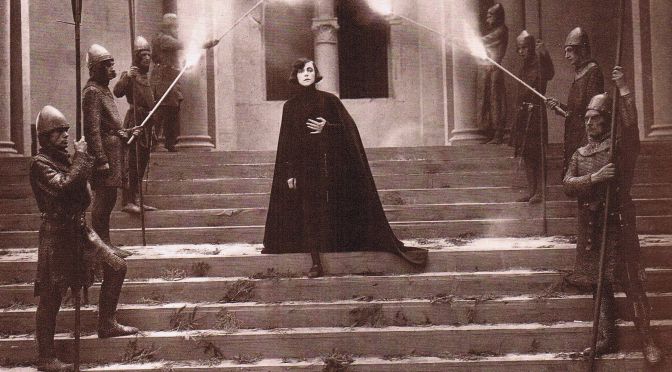
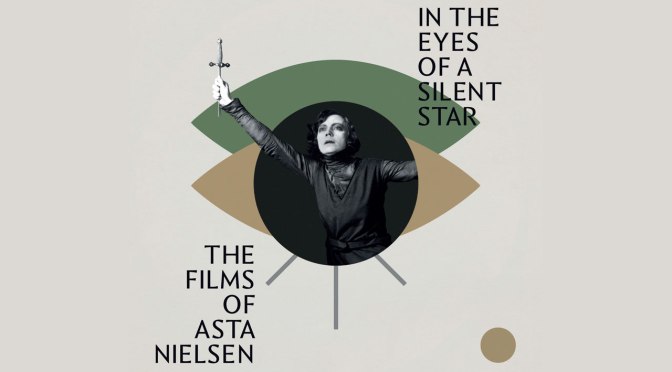
Hamlet (1921) screens at the BFI Southbank twice this week as part of the season, In the Eyes of a Silent Star: The Films of Asta Nielsen. It’s a must-see, although I would say that. You can see the film on Wednesday at 6.15pm with musical accompaniment by Cyrus Gabrysch and on Saturday at 5pm with music by Meg Morley and an introduction by Professor Judith Buchanan.

Hamlet is a woman! At least she is in this German feature film, Hamlet: A Drama of Vengeance (1921). And not just any woman, but the inimitable Danish diva Asta Nielsen.

From Sarah Siddons to Maxine Peake, many actresses have played the Prince of Denmark, and a fragment of Sarah Bernhardt’s stage interpretation of the role was even captured in a short film shown at the Paris Exposition in 1900. However, the distaff twist in this film was prompted, or at least justified, by Edward P Vining’s scholarly 1881 book The Mystery of Hamlet: An Attempt to Solve an Old Problem, which makes the case for Prince Hamlet being so feminine a character that his contradictory nature is best explained by imagining that underneath the black tunic he’s really a woman. The film also draws on Danish history and a German play from 1704 called Fratricide Punished. The gender-swap allows for an intriguing new take on Shakespeare’s text, recasting his hero/heroine’s relationships with Ophelia, Horatio and Gertrude in fresh moulds.

Continue reading Hamlet (1921) at BFI Southbank: Shakespeare’s sister →

Hippfest is back in Bo’Ness for 2022

Hippfest returns! You don’t know how happy it makes me to think about watching silent films with live music at the stunning Hippodrome in Bo’Ness.

The festival is held from Wednesday 16 to Sunday 20 March and the full toothsome lineup just dropped, as they say. Here are a few highlights, some of which have been postponed from the sadly cancelled 2020 edition. I am so ready.

  • The Dodge Brothers accompany FW Murnau’s City Girl on Saturday night – this is the Scottish premiere of their brilliant score for this incredible, jaw-dropping Hollywood silent.
Continue reading Hippfest is back in Bo’Ness for 2022 →

Asta Nielsen: coming soon

Hello, Silent Londoners. Soon I will have the results of the 2021 Poll to share with you, but a bout of January sickness has set me back a little. However, I did want to pop on here to tell you that the BFI Southbank season In The Eyes of a Silent Star: The Films of Asta Nielsen starts NEXT WEEK.

The season opens with a lecture and panel event on Thursday 3 February, The ABC of Asta Nielsen. At this event, I’ll be giving an illustrated lecture all about ‘Die Asta’, and then I will be joined by Erica Carter, So Mayer and Bryony Dixon to delve further into the stardom and significance of the woman known as the greatest actress of the silent era. Later that evening I will also be introducing The Abyss and The ABC of Love. Please explore the programme further and remember February represents just the first half of the season – there is more to come in March, including more guest speakers!

To whet your whistles, some links:

Asta Nielsen in The Black Dream (1911)

In the Eyes of a Silent Star: Asta Nielsen at BFI Southbank in February and March 2022

Finally, the time has come for me to stop sitting on my hands. Those of you who are on Twitter may have seen a sneak preview of this, but I am delighted to say that I can finally announce … Astafest!

Continue reading In the Eyes of a Silent Star: Asta Nielsen at BFI Southbank in February and March 2022 →