Category Archives: Review

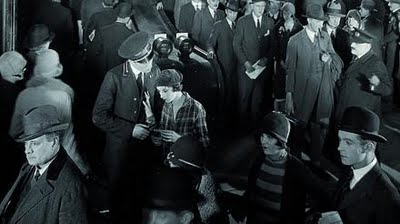
Nosferatu (1922): Blu-Ray & DVD review

Nosferatu (1922)
Nosferatu (1922)

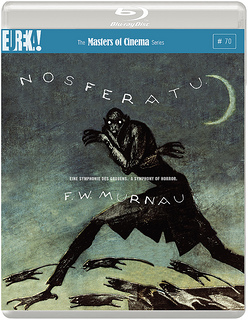
Fresh from a theatrical release and a flurry of Halloween shows, Nosferatu springs into life on Blu-Ray, courtesy of Eureka’s Masters of Cinema label. This new release is an update of the label’s previous DVD, but features the Symphony of Horror in gleaming 1080p glory, with a handful of new features as a bonus prize.

This is a precious object then, a totemic silent film in beautiful packaging and supported by more supporting material in the form of articles, audio commentaries, interviews and documentary footage than you could possibly expect. Apparently, there has been more work done to improve on the 2007 restoration – if you’ve seen this in the cinema already you know how pristine the prince of darkness looks here. And that is so important. Nosferatu is far more than shadows. Arguably, rewatching Nosferatu on Blu-Ray at home, rather than at an amped-up and spooky live show, you enjoy its gorgeousness rather than the horror thrills: those painterly landscapes in their pastel tints. There’s nothing like the black-white-red-purple palette of modern gothic horror here – which keeps the film fresh but always uncanny. The music helps, too. The score from Nosferatu’s first run plays up the prettiness and romance – until it can’t hold out any longer.

Nosferatu (1922)
Nosferatu (1922)

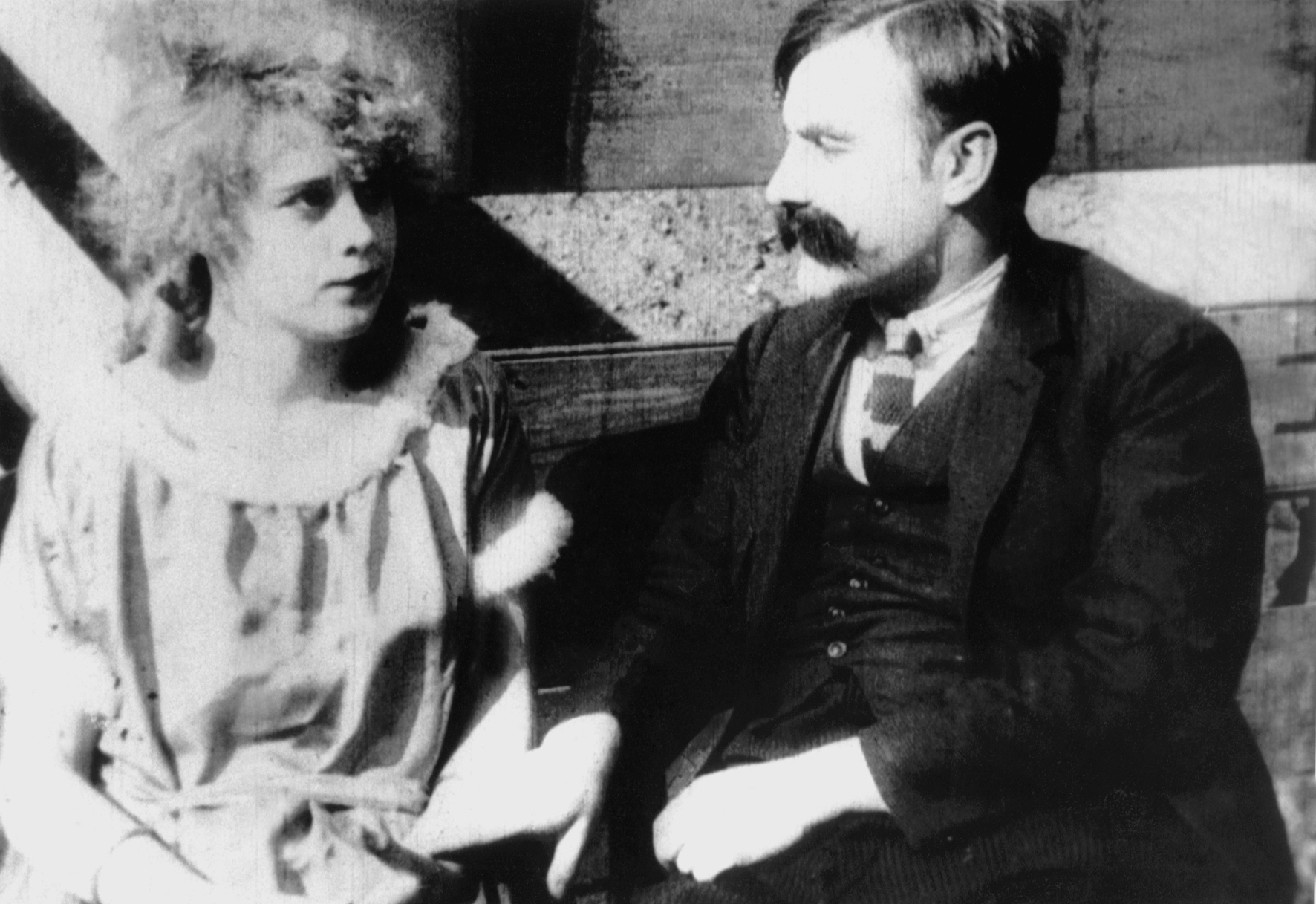
Do we need to recap? I’ll do this at high speed, like Orlok’s spectral carriage dashing through an ethereal white forest. Nosferatu is an adaptation of Bram Stoker’s Dracula, in all but name, with the action transferred to Germany. Max Shreck is the snuggle-toothed vampire Orlok, the young and preternaturally talented FW Murnau sits in the director’s chair. The movie was produced and designed by Albin Grau, an artist with a keen interest in the occult. And it’s brilliant: both beautiful and terrifying. A horrific spooky story, with eerie contemporary import. Remember that Europe has just come out the other side of a world war and a brutal flu epidemic, then look again at the devastation wreaked by Orlok here.

Nosferatu (1922)
Nosferatu (1922)

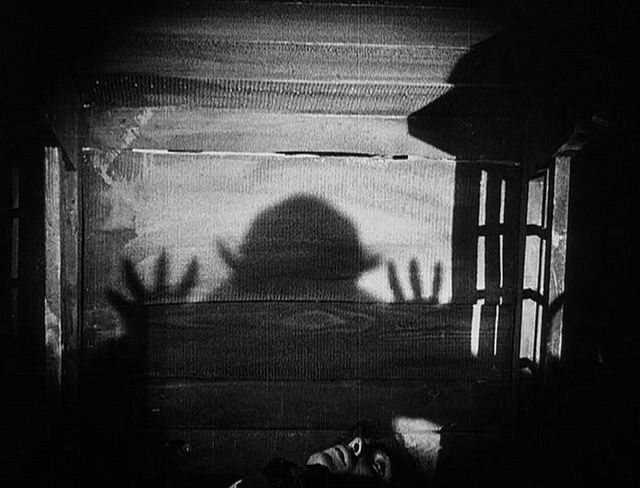
In fact, even if you’ve never seen a second of Nosferatu, you’ll know its most famous shot: Orlok’s hunched shadow stretching up the wall as he climbs the stairs. That shot has became a visual shorthand for horror, for imminent danger. It’s remarkable, by contrast with all the films that have appropriated the stair shot, that Murnau’s Nosferatu avoids any such shortcuts: turning leafy landscapes into places of horror, playing violence as romance, and romance as violence. Nonagenarian special effects such as Orlok packing himself into his coffin, and later lurching out of it, still feel vibrant. Perhaps that’s partly because this is a relatively decorous scary movie, with just a few drops of blood standing in for Orlok’s grotesque appetite. Murnau drenches Orlok’s victims in creeping shadows, rather than cascading gore. You’ll jump like a child at the sight of a rat, believe me.

But even if you remember those shocks from a long-ago screening, I would urge you to acquaint yourself much more closely with this poetic, audacious film. There’s far more here than a textbook paragraph on Expressionism can brief you on. Each repeat viewing brings something new to the fore, and that’s where the MoC treatment excels. Let me see, this disc contains two audio commentaries (one by R Dixon Smith and Brad Stevens from 2007, and another by David Kalat, who is so charming and impressively knowledgable that we’ll let him off for describing Stoker as an Englishman), two interviews (an previously seen chat with Abel Ferrara, and a new one with BFI Film Classic author Kevin Jackson). There’s a German language doc, which includes lots of location footage, and a booklet of articles and gorgeous images. The new commentary and interview are particularly sharp on unpacking myths around Nosferatu, from the etymological origin of the name to Grau’s spiritualist beliefs.
Nosferatu (1922)
Nosferatu (1922)

NosferatuTake it from me, you need more Nosferatu in your life.

Nosferatu is released by Masters of Cinema on DVD and Blu-Ray in the UK on 18 November 2013. Order the Blu-Ray from Movie Mail.
Dr Mabuse, der Spieler (1921): Blu-Ray & DVD review

Dr Mabuse, der Spieler (1921)

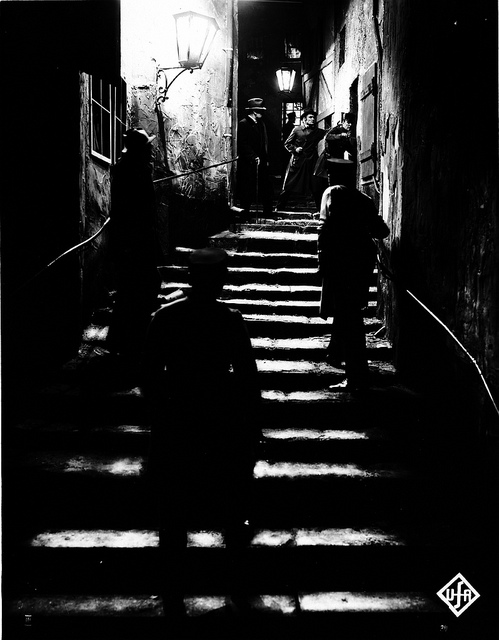
A “monumental film” as epic as the most far-fetched fantasy saga, but firmly grounded in the streets of Weimar Berlin, this first instalment of Fritz Lang’s Dr Mabuse trilogy is, simply put, a whole lot of movie for your money. A supernatural tale intertwined with social commentary, a crime film on a majestic scale, Dr Mabuse, der Spieler represents four and a half hours of contradiction and excess. It’s brilliant.

First, acquaint yourself with the structure: this is the first film in the trilogy, but it’s two films, released a month apart. The first film is called The Great Gambler: an Image of the Age, the second, Inferno: a Game for the People of Our Age. Each has six acts and runs for around two hours. It’s a tale of rise and fall, at heart, but a messy business at best. Together the two films form a complete story, but the second part of the trilogy, Das Testament des Dr Mabuse, would appear in 1933 and the third, Die 1000 Augen des Dr Mabuse, in 1967. The source for the first two films at least was the serialised Mabuse novels of author Norbert Jacques. This is pulp mystery fiction with a touch of class; Lang takes a few steps in the direction of his Hollywood film noir future with these slick stories of criminal twists, unexpected turns and moral compromises in a bleak urban setting.

Dr Mabuse, der Spieler (1921)

Those subtitles for the two individual films should give you an inkling that this was intended to be, and was received as, a film that documented its own bewildering era. The cracks in the fractured, dysfunctional Berlin society where Mabuse and his seedy accomplices dwell are the symptoms of the national postwar crisis. That Mabuse is a charismatic, malevolent leader who leads his victims to commit terrible acts, even to destroy themselves, bodes ill for the future. The pace of the plot, the melting certainties and doubtful identities, speak to the fears of those baffled by the mechanisation of the age. This is a film driven by speeding trains, racing cars, guns and screaming mobs: modern phenomena as frightening to many as Mabuse’s mass hallucinations.

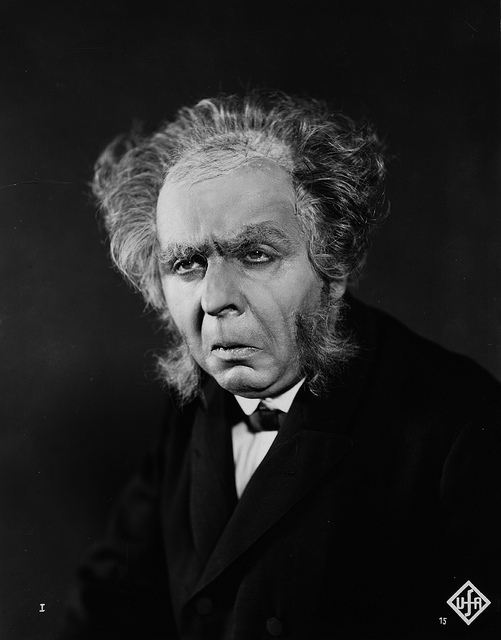
Like the film itself, Dr Mabuse is a man of many disguises. Publicly a psychoanalyst, he is privately a gambler at the card table, a hypnotist who transforms people into pawns, a bingeing alcoholic and an arch-criminal with a network of underling felons reaching across the continent. That “Spieler” subtitle translates variously as actor, player and puppeteer. Played by Rudolf Klein-Rogge, Mabuse enthrals the audience. His deeds are evil, but there is endless fascination in watching him at work: the casual arrogance of a conman who sends memoranda to his criminal colleagues on banknotes, of a villain who fails to collect a towering gambling debt, because his eyes are on a grander, bloodier prize, of a boozer who condemns his assistant’s drug use.

Dr Mabuse, der Spieler (1921)

Mabuse’s nemesis is a dogged man of the law, the state prosecutor on the trail of a gang of card cheats who stumbles upon by chance on a more sinister criminal organisation. Bernhard Goetzke plays Inspector Von Wenk as a slightly desperate individual, a Weimar gumshoe who throws himself recklessly into the hunt for Mabuse – in one stunning setpiece, he faces the villain down over the card table, and manages to resists the full force of the doctor’s hypnotic power. Von Wenk goes solely by his surname in the source novel, but Fritz Lang honours him with the same first name as the novel’s author, Norbert Jacques. It’s a hint, perhaps that  the law will eventually reign supreme in the anarchic, shifting world of Dr Mabuse. Hold on tight for an all-guns-blazing finale.

There are women, of course. Norwegian star Aud Egede-Nissen is the nightclub dancer Cara whose love for Mabuse rules her every move, from her seduction of his latest mark (played by the man who would become her husband, Paul Richter – Siegried in Die Nibelungen) to her ultimate downfall. Her performance, especially at the climax of the first movie, is particularly moving. And the little-known Gertrude Welcker dazzles as a bored countess seduced by the thrills of the Berlin nightclubs, and the underworld that controls them.

Dr Mabuse, der Spieler (1921)

Dr Mabuse is a film to savour – if you know your silent Fritz Lang, you won’t be surprised that it’s a rare frame you don’t want to freeze, to relish the grandeur of the upper-class interiors, the moodily lit street scenes or the disconcerting multiple exposures in the mad scenes. On this new Blu-Ray presentation, as you ponder the beauty of it all, you’ll want to take a listen to the excellent audio commentary by David Kalat. Among many interesting insights into the movie, Kalat argues staunchly that Lang was no Expressionist. You may waver in your agreement with this thesis, but what’s for sure is that on the evidence of Mabuse Lang knew when to drape his sets in Caligari-esque chiaroscuro lighting, and when to leave well alone. The abstract Expressionist artworks that transform the Count’s mansion into a palace are refigured as a gothic nightmare when he loses his sense. The contrast between the two cinematographic treatments of the jail cell setting here is heartbreaking: the crisscrossing, swerving bars of darkness almost seem a comfort when we return to the same scene in crisp, unforgiving sunlight.

Dr Mabuse, der Spieler (1921)

It’s a rich text for sure, and Kalat drops more than a few clues in his commentary as to how you may want to view Mabuse from a 21st-century perspective. It’s a game of chase-the-parallel. Does Herr Doktor equate to a gangster, a terrorist, a capitalist or a banker? The devil perhaps, is not in the detail, but in Lang’s expertly drawn grand scheme. This is a story of the very rich and the very poor, and a man who found a way to exploit both groups. From his blind counterfeiters toiling in a slum workshops, to the society chumps he cheats at cards, Mabuse is bleeding everyone dry. The really terrifying idea is not that villains exist, after all, but that the circumstances exist in which they can thrive.

Dr Mabuse, der Spieler (1921)Dr Mabuse, der Spieler is released by Masters of Cinema on DVD and Blu-Ray in the UK on 28 October 2013. The two-disc set features a sparkling modern score by Aljoscha Zimmermann played by a small ensemble, three featurettes, audio commentary and a booklet of images and text from the archive. This is a Blu-Ray transfer of an existing 2K restoration. Order the Blu-Ray from Movie Mail.

My Guardian report from Pordenone

The Freshman (1925) Harold Lloyd Entertainment, Inc.

Orson Welles and a Spanish Snow White make for a diverse Pordenone

After blogging the whole festival day-by-day, there was just one job left to do: a quick wrap-up for the Guardian film blog. How nice to see a picture of Mabel Normand on a national newspaper website!

You can always keep up-to-date with my non-Silent-London writings (should you wish to), here on my website.

Le Giornate del Cinema Muto 2013: Pordenone post No 8

Mabel Normand in Won in a Cupboard (1914) National Film Preservation Foundation

Update: My Guardian report from the Giornate is here

That’s all, folks. I don’t know about the other festival delegates, but I am utterly and completely scherben*. it has been a fantastic festival: eight days to wallow in the full diversity of what we call silent cinema. I have learned a lot, met some wonderful people and enjoyed many, many movies.

The final day began with rain, a sleepy trek to the Cinemazero and some really quite startling footage, completely unsuited to the tender hour. I am not talking about Felix the Cat, who entertained a select crowd with his adventures as a wildlife documentarian in Felix the Cat in Jungle Bungles (1928). I am talking about the new documentary feature by David Cairns and Paul Duane, Natan. This award-winning doc tells the truth, or attempts to, about Bernard Natan and his incredible life.

Continue reading Le Giornate del Cinema Muto 2013: Pordenone post No 8

Le Giornate del Cinema Muto 2013: Pordenone post No 7

Earth (1930) Oleksandr Dovzhenko National Centre, Kiev

Lucky number seven. Today was a red-letter-day in Pordenone for many reasons. I rewatched one of my all-time favourite films, Anny Ondra finally came good, and I managed my first Felix-to-Ko-Ko shift (with a few breaks in between). No wonder I’ve got that Friday feeling.

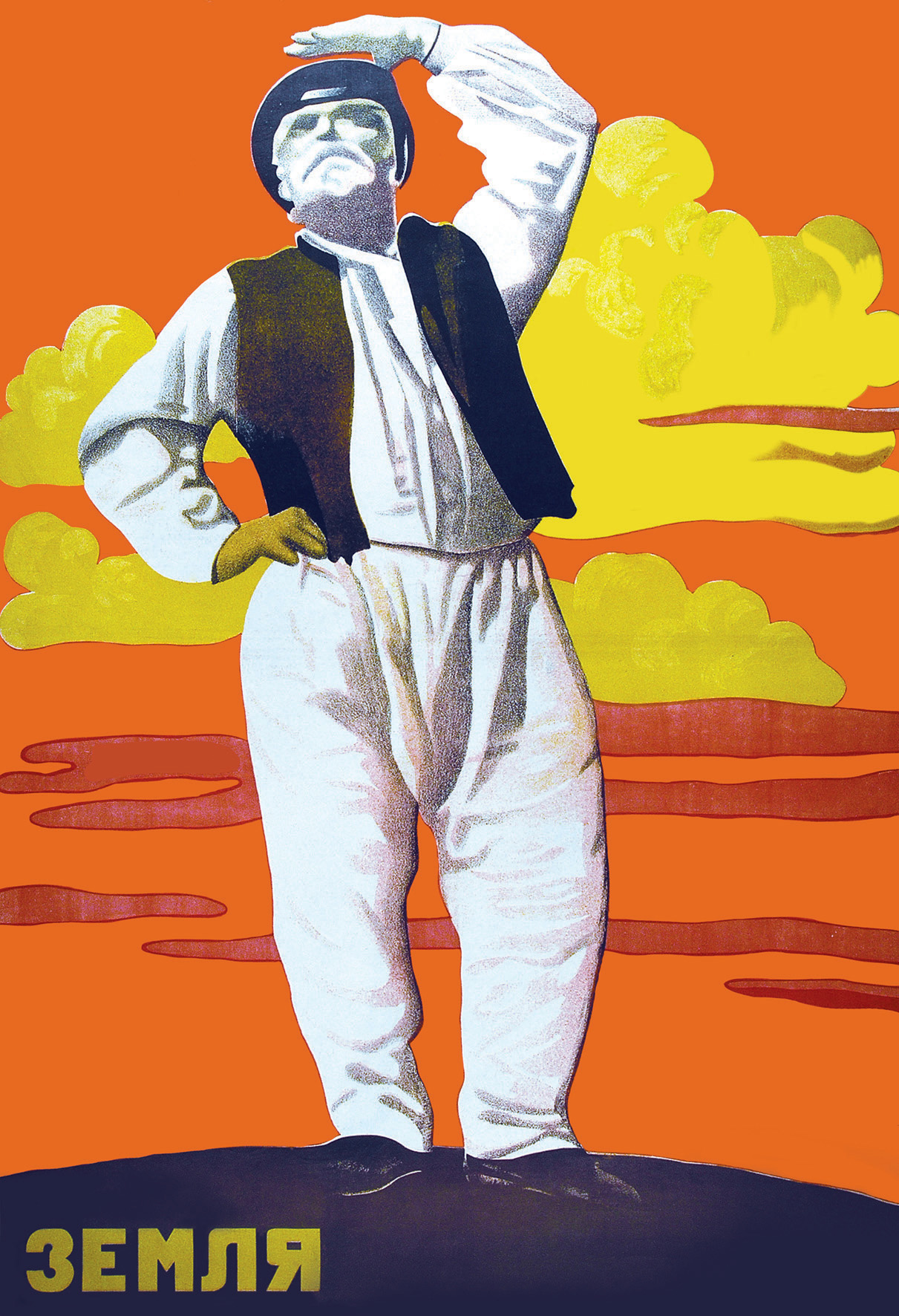
Excluding the charming cartoons (although strictly we shouldn’t) the day opened, and closed, with rippling cornfields. First up was Zemlya (Earth, 1930): Dovzhenko’s classic hymn to nature. It played in the Ukrainian strand, with an impressive recorded score by DakhaBrakha. Just sublime and well worth the early start.

Giornate del Cinema Muto 2013

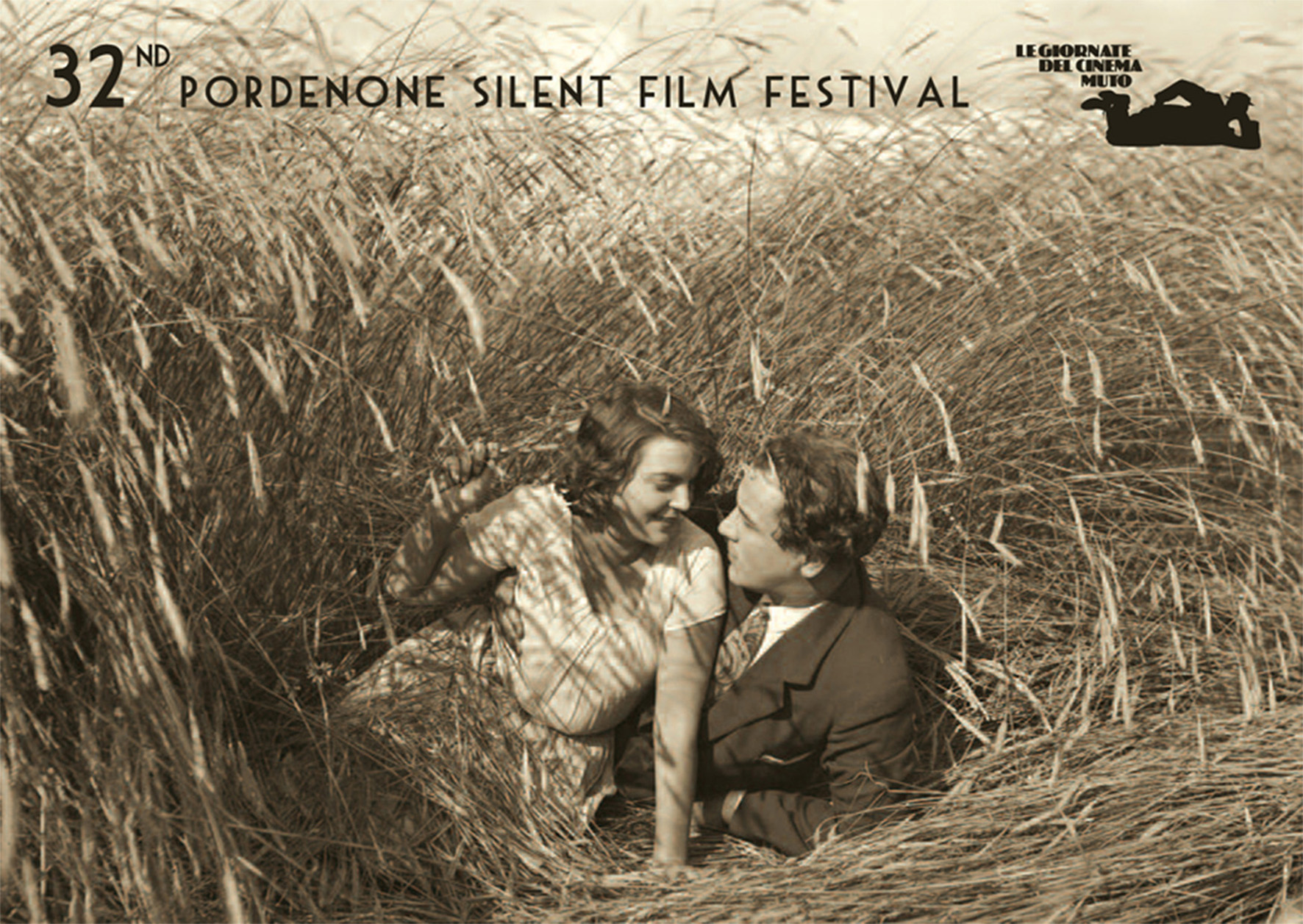
The day’s final cornfields came courtesy of the Swedish programme, and Rågens Rike (The Kingdom of Rye, 1929): a sumptous rural romantic drama with extra mysticism, sex and violence. Very Thomas Hardy. Gorgeously photographed, with flashes of Expressionism, it was directed by Ivan Johansson and adapted from a Finnish poem. Like so many of these Swedish films, it concerns a couple happily in love and the complications keeping them apart. The ending is beautiful, but as we’ve come to expect, slooooooow. It couldn’t be much more different from Earth, but there was a pleasing unity to the day, really.

Continue reading Le Giornate del Cinema Muto 2013: Pordenone post No 7

Le Giornate del Cinema Muto 2013: Pordenone post No 6

Konstgjorda Svensson (1929) Svenska Filminstitutet, Stockholm ©1929 AB Svensk Filmindustri. All rights reserved.

Another disappointing Anny Ondra performance – but in an unforgettable movie – two Mothers, a part-talkie that wants to be a silent, a Lamprecht with a happy ending, and Buster Keaton with a Benshi. Day six at Pordenone, coming right up.

Let us begin with Anny Ondra. It has been extremely stressful. On paper, a programme of early films made by the bewitching star of The Manxman and Blackmail, Czechoslovakia’s first true silent movie star, promised to be my festival highlight. The reality has been brutal. In these early roles Ondra has had terribly little to do and been physically encumbered by towers of curls on her head and tentlike, unflattering dresses too. She has also, I would venture, been horribly underdirected. Hitchcock may have been a brute, but he would not have stood for her gazing into the near distance, twiddling her hair, when the camera was turning. Maybe she just needed a decent part to get her teeth stuck into; maybe the Czech film industry just didn’t know what they had in her. Maybe …
Otrávené svìtlo (1921) árodní filmový archiv, Praha

Anyway, we’ve seen some enjoyable if occasionally hamfisted movies in this strand, and while there has been not as much as we hoped to see from Ondra, I am calling her sometime husband Karel Lamac as the hardest-working man in the Prague movie industry at the time. We have seen drama, action and slapstick from this chap. And he even directed some of these flicks, including today’s absurdity, which was admittedly early in his career. Otrávené Svetlo (The Poisoned Light, 1921) was a bizarre concoction almost like an adventure serial, with a meandering plot, ever-present danger and nonsensical movie-science of the highest order. Lamac stars as well as directs, in a story that contains much codswallop, but principally codswallop concerning a series of assassinations carried out via toxic lightbulbs. When the filament gets too hot, the glass shatters, releasing … poison gas! Thus, late in the movie, we have the threat of murder courtesy of a desk lamp. An anglepoisoning. Ondra appears to be tranquilised, Lamac is heaving the whole messy endeavour on his broad shoulders and, yes, the quarry sequences are quite nice. I bust a gut laughing: definitely in the so-bad-it’s-good-OK-maybe-it’s-just-bad-no-stuff-it-I’ve-not-had-this-much-fun-in-years camp. Camp being the operative word.

Continue reading Le Giornate del Cinema Muto 2013: Pordenone post No 6

Le Giornate del Cinema Muto 2013: Pordenone post No 5

Giornate 32

Today at the Giornate was dominated by the early evening show – the premiere of Orson Welles’s lost-and found experiment Too Much Johnson (1938). So much so that it gets its own post to itself. For everything else from day five at Pordenone, read on …

My Wednesday began, as Tuesday had ended, on the street corners of Weimar Berlin, with Gerhard Lamprecht. Die Verrufenen (The Slums of Berlin/The Fifth Estate, 1925) was not as immaculate as Unter der Laterne, which I adored, but it was close. It’s another social problem film – the issue here being the struggles faced by prisoners on release. Our hero is a middle-class engineer emerging from a short sentence for perjury: dumped, disowned and unemployed, he finds himself suddenly among the “outcasts” in the slum districts. You may raise a cynical eyebrow and suggest that the posh boy lands on his feet and does rather better for himself than his fellow down-and-outs. Your assumptions would be correct. A (mostly) vividly drawn cast of characters, some poignant confrontations and yet more wonderful child performances tugged at my heartstrings and overcame my scepticism, though. Excellent, excellent stuff.

Continue reading Le Giornate del Cinema Muto 2013: Pordenone post No 5

Too Much Johnson (Orson Welles, 1938): Pordenone review

Too Much Johnson (1938) George Eastman House / Cinemazero / La Cineteca del Friuli
Too Much Johnson (1938) George Eastman House/Cinemazero/La Cineteca del Friuli

I have just attended the world premiere of an Orson Welles movie.

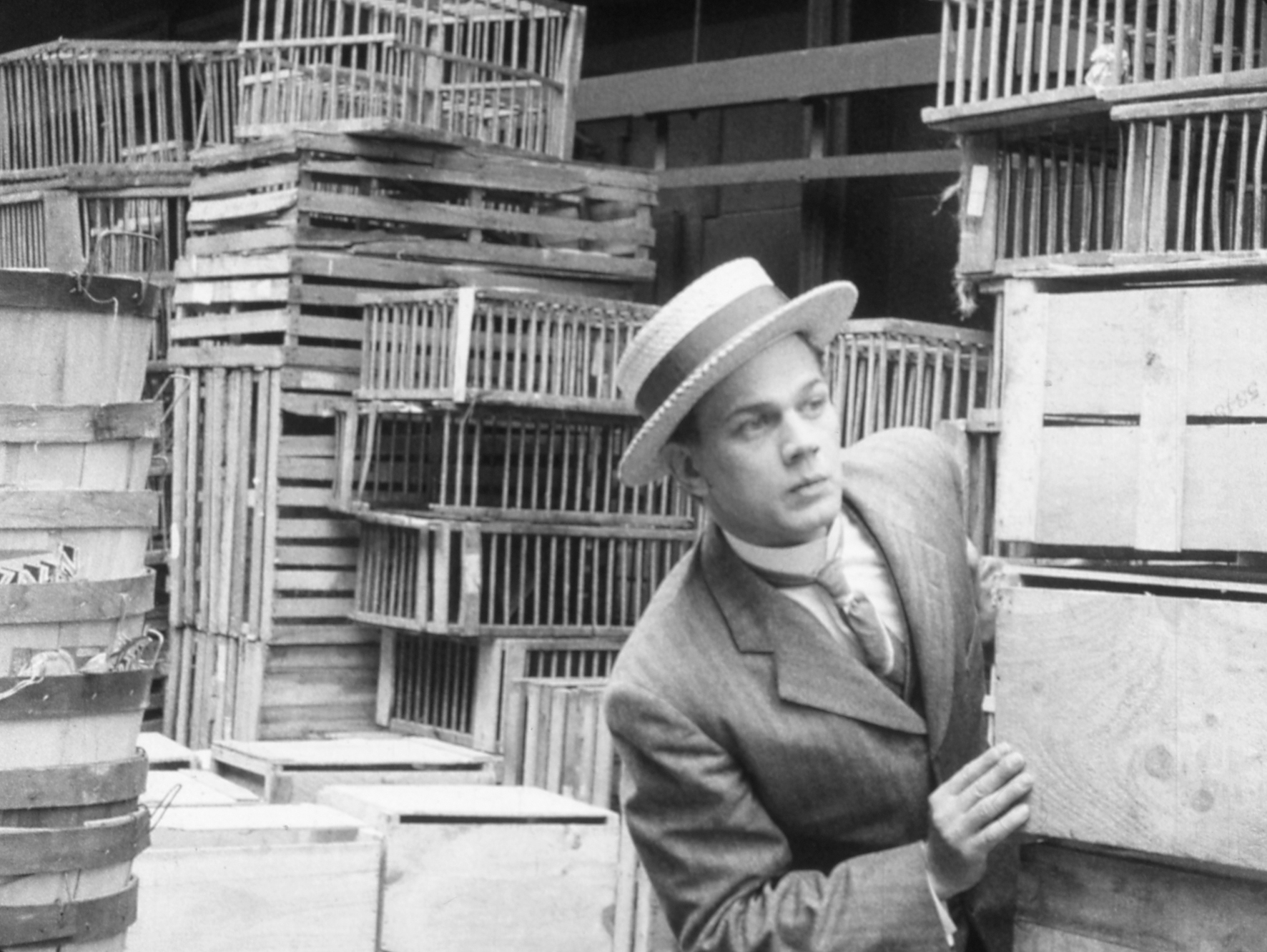
The above statement is almost true. What we saw tonight in Pordenone was the restoration of a work print, not even a rough cut, of a theatrical device. The scenes Welles filmed in New York in 1938 were to be shown as part of a Mercury Theatre production of the 1894 play Too Much Johnson. It’s an elegant solution: replacing pages of expository dialogue with silent prologues, shot slapstick-style to suit the on-stage farce and add a wash of nostalgic charm. Welles never completed editing the prologues, and in any case, the theatre the play first appeared in could not accommodate the projector. In fact, Too Much Johnson folded due to bad reviews before it ever came to New York and these 10 reels were abandoned for decades.

And yet, Too Much Johnson is not just a curio from theatre history. These reels are not quite a film, but something far more than fragments. The experience of watching them on a big screen, projected from 35mm, with expert piano accompaniment from Philip Carli, and commentary from Paolo Cherchi Usai, was dream-like, exhilarating and occasionally laugh-out-loud hilarious. Because we don’t have a final cut of Too Much Johnson, the footage includes retakes, gaps and mistakes. The extant material is a hint of what might have been – but also the heights that Welles was to achieve later in his career.

Joseph Cotten in Too Much Johnson (1938) George Eastman House/Cinemazero/La Cineteca del Friuli

This is slapstick, ostensibly of the rowdy Keystone school, but from the off it is enlivened by some decidedly arty touches: this is a very good-looking piece of work. All the footage was shot undercranked to create that Keystone feel, a blanket measure that creates some queasy side-effects. An early argument scene is edited so frenetically, with so many extreme closeups, that it is more Eisenstein with Mack Sennett. An anarchic running gag in those first interior scenes has pot plants bursting into the frame, not least in what I can only describe as an arthouse comedy sex scene, an ultra-high-speed bedroom farce. And as Joseph Cotten (our reckless hero) and Edgar Barrier (the outraged husband of his lover) pursue each other up and down fire escapes and across rooftops, the camera records it all from the acute Expressionist angles Welles was so well known for. A scene of Barrier patrolling Manhattan knocking men’s hats off their heads is shot from high overhead – as Barrier attacks the crowds and the crowds form into mobs to attack back, the effect is of a musical dance sequence, a street ballet. And the sight of the ground after his spree littered with discarded bowlers and boaters is almost surreal, surprisingly poignant. In fact, Barrier’s leering, moustache-twirling closeups, which may be intended to evoke melodramatic early cinema villains, are unsettlingly camp. The scenes set in Cuba (actually a quarry in Tomkins Cove, New York) are exercises in economy – and its limits. With a few rented (and comically precarious) palm trees dotted across the rocky ground, Welles shoots from low angles to transform the quarry slopes into cliff-faces, with his actors tiny stick men brawling on the skyline.

Continue reading Too Much Johnson (Orson Welles, 1938): Pordenone review

Le Giornate del Cinema Muto 2013: Pordenone post No 4

A Day With John Burroughs (1919) George Eastman House Motion Picture Department Collection

It was another strong day, and an emotional one too, not least because we were saying our first farewells to the Corrick Collection. There’s just one more batch of these strange and vivid early films to go (on Saturday) before they depart the Giornate schedule for good.

Première Sortie d'une Cycliste (1907) National Film & Sound Archive, Canberra
Première Sortie d’une Cycliste (1907) National Film & Sound Archive, Canberra

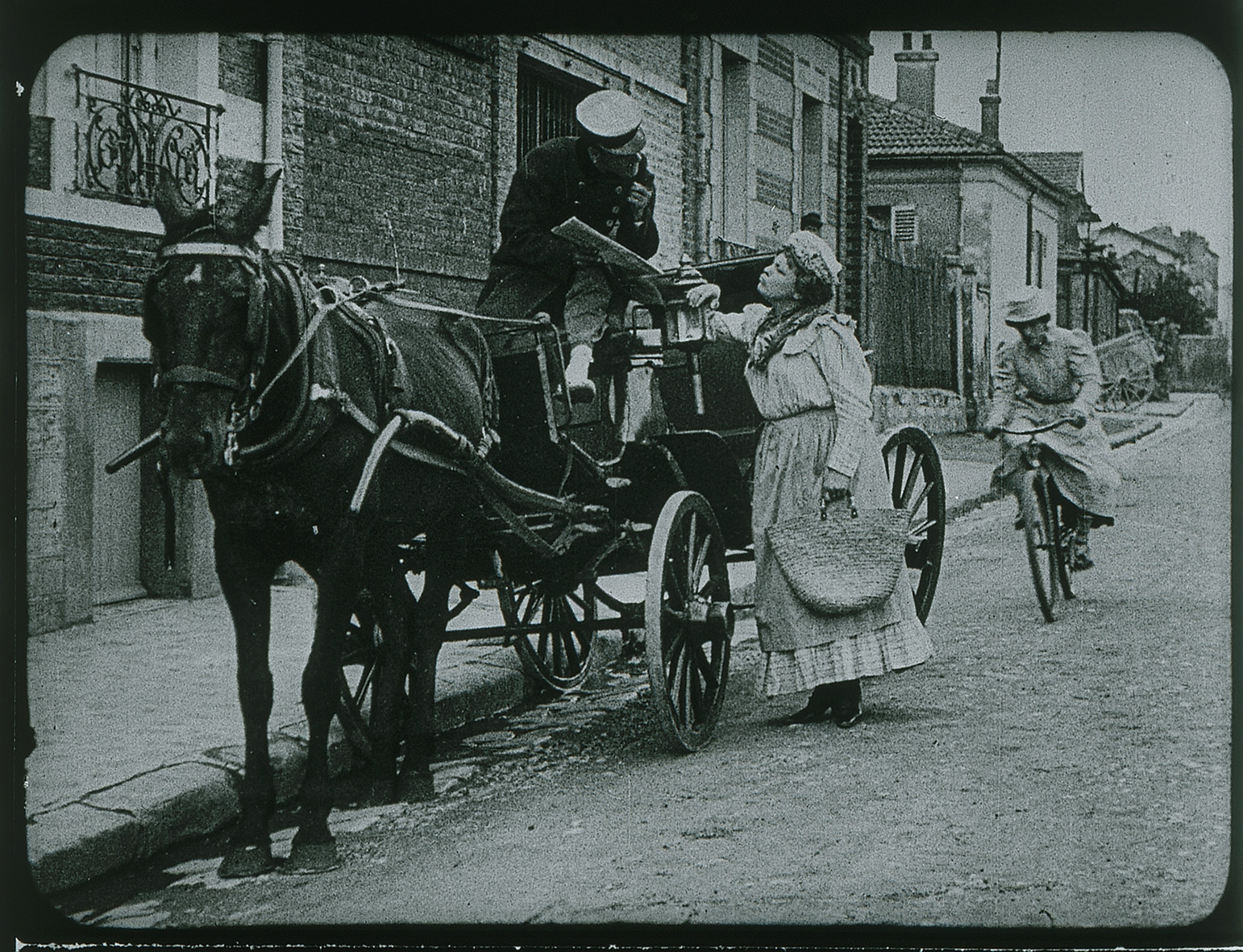
Today’s selection brought us an increasingly rare moment of comedy in the form of the three-minute romp Première Sortie d’une Cycliste (1907), fascinating early 1900s street scenes from China and Japan, a stencil-tinted biblical drama by Louis Feuillade (Aux Lions les Chrétiens, 1911) and some outrageous examples of animal cruelty, from quail-fighting to a brutal twist on archery in Distraction et Sport à Batavia (1911)

There was more early cinema to savour in Patrick Cazals’ documentary portrait of French star and film-maker Musidora. There was far more to her career than Les Vampires and Judex. She was a prolific writer (of letters, poems and scripts); a painter; a director; a film historian at the Cinématheque; a feminist icon; and yes, a muse to many. Where Musidora, la Dixieme Muse (2013) succeeded best was in interviewing her relatives – who could speak to her personality as well as her polymathic achievements. An affectionate hour. A recording of the woman herself included in the doc captured her opining that films should be produced like good books, with images worth revisiting 20 years after they are made. As the Verdi crowd watched, rapt, as clips of Musidora in her first screen appearance (Le Misères de l’Aiguille, 1913) played, we can fault her only on the scale of her ambition.

Continue reading Le Giornate del Cinema Muto 2013: Pordenone post No 4

Le Giornate del Cinema Muto 2013: Pordenone post No 3

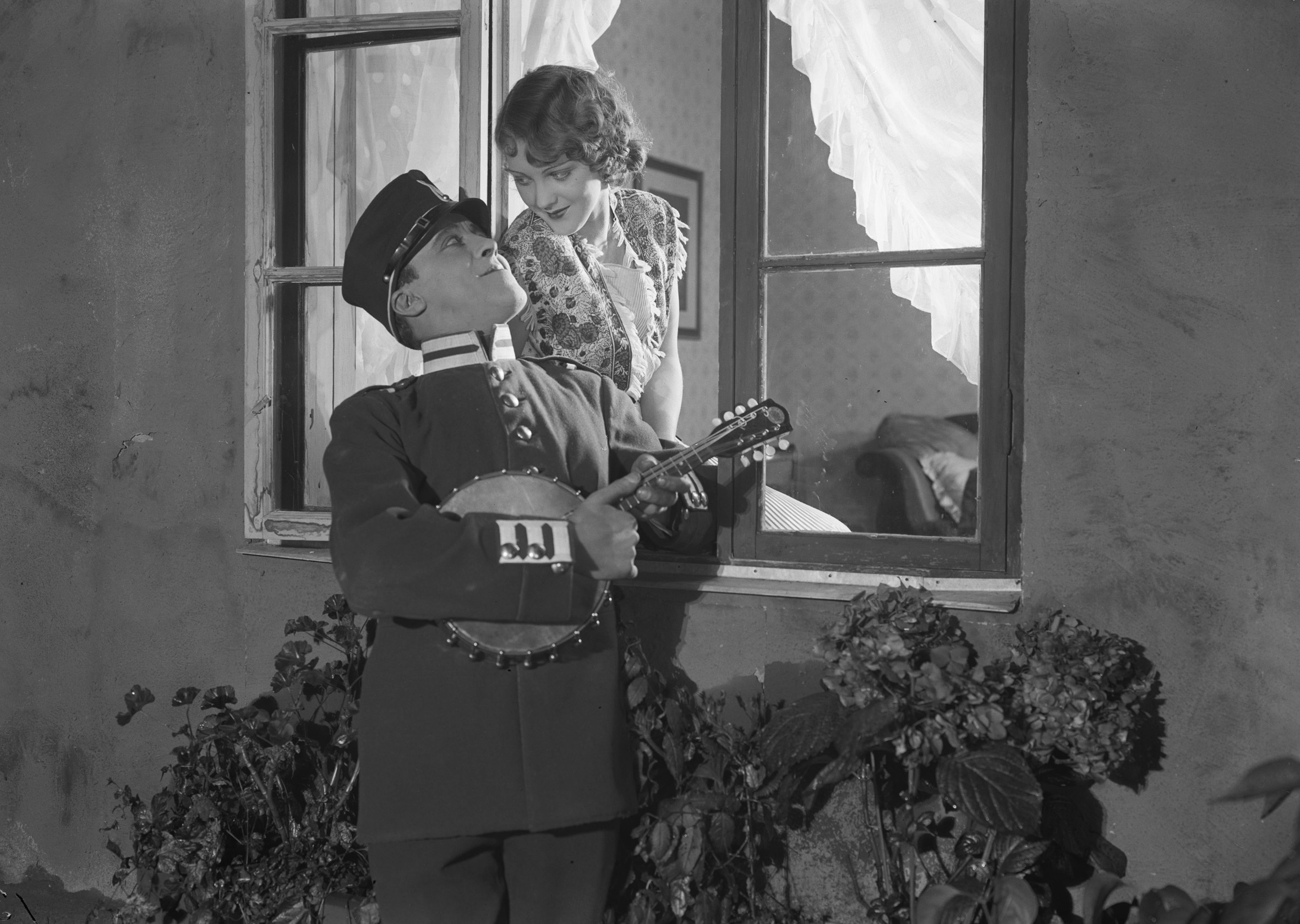
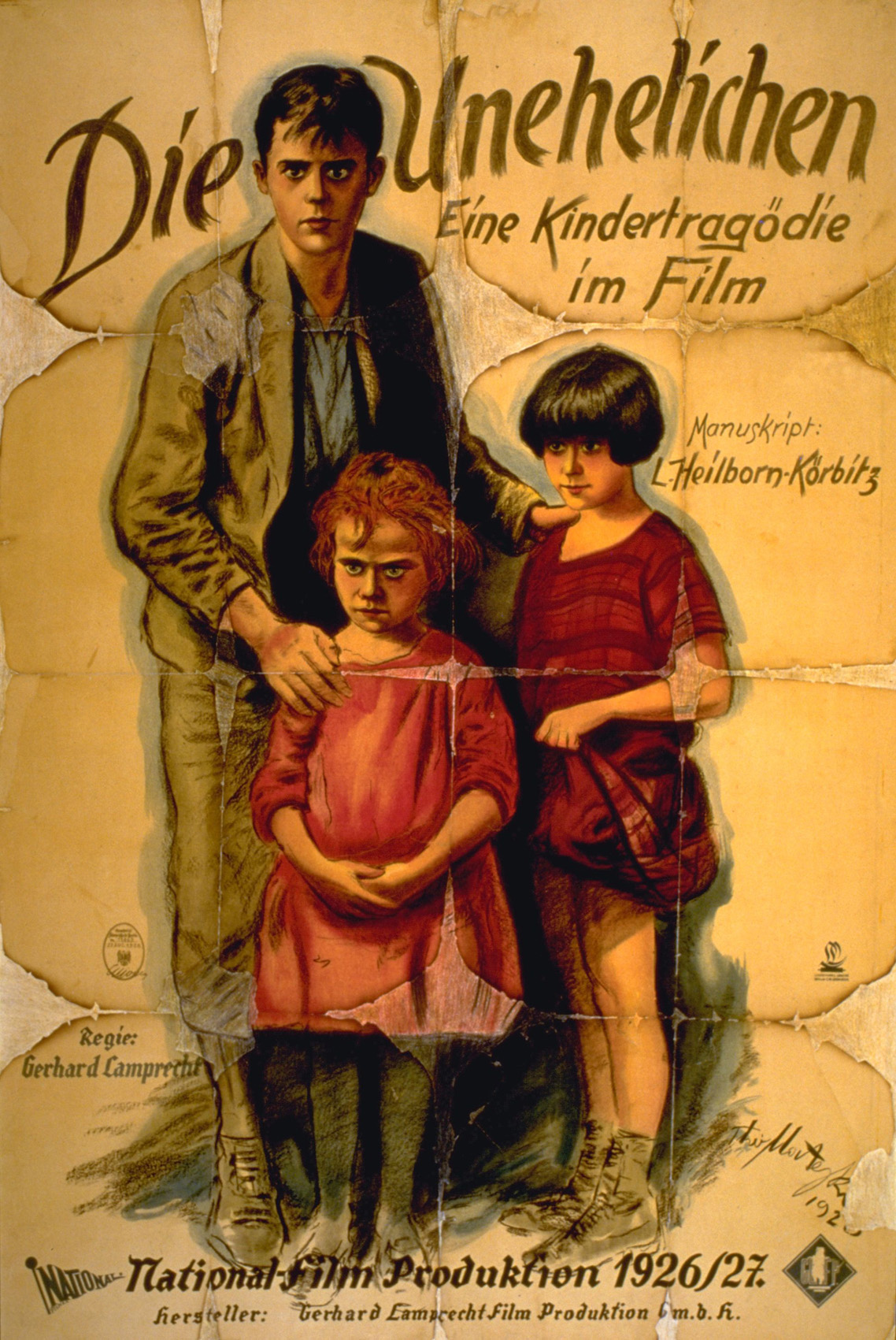
Die Unehelichen (Gerhard Lamprecht, 1926)

An outstanding day at the Giornate: a varied programme of astonishing films, and excellent musical accompaniment. So while it was drizzly and grey outside, inside the Teatro Verdi all looked bright, even if most of the films tended towards bleakness. After the delightfully sugary surrealism of Felix Trips Thru Toyland (1925) for breakfast, the Giornate hit us with some heavy emotional dramas today – and I relished them.

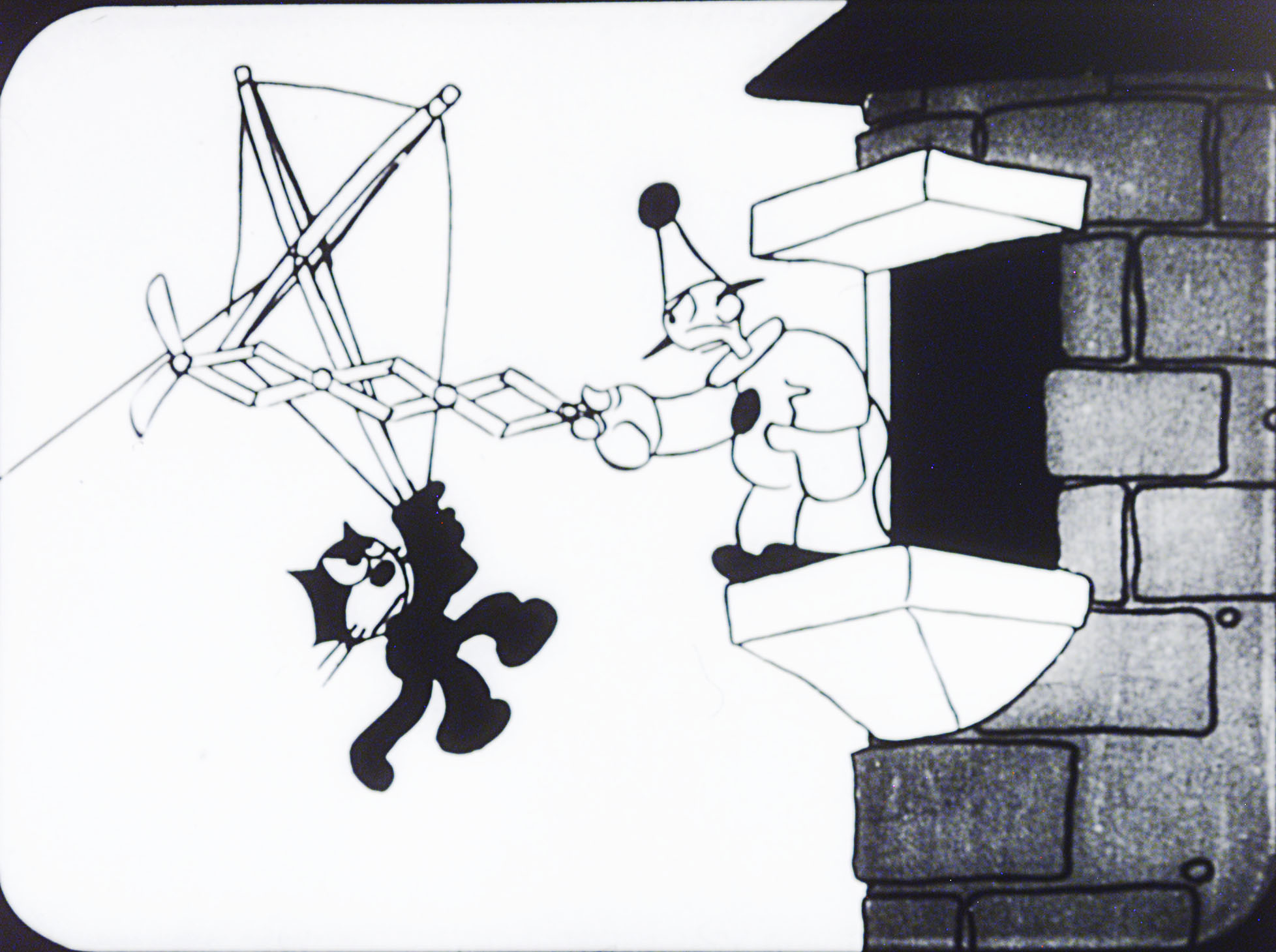
Felix Trips Thru Toyland (1925)

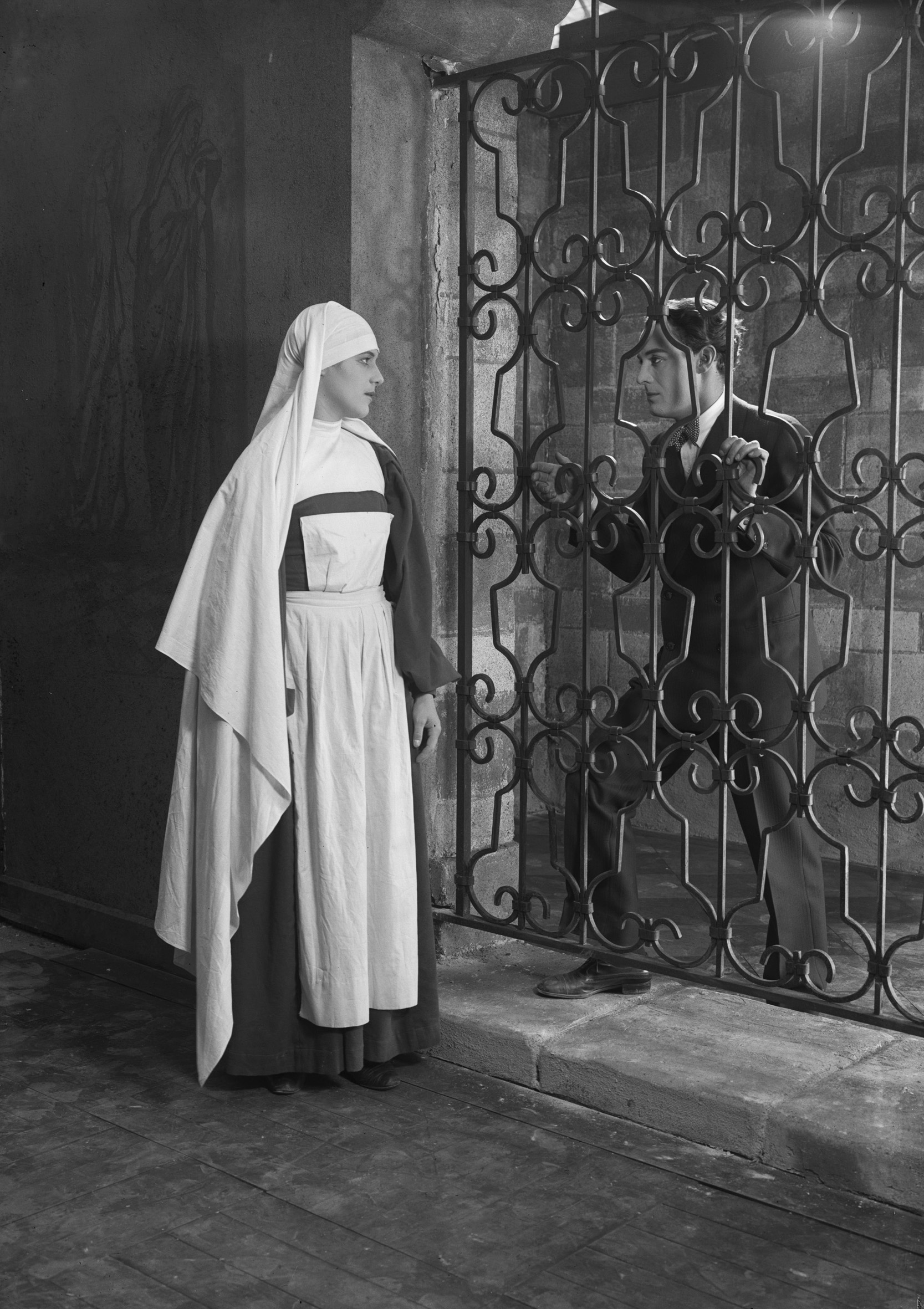
The slow but seductive tearjerker Förseglade läppar (Sealed Lips, 1927) is the title track of the Swedish strand and it was a real beauty, directed by Gustaf Molander. Karin Swanström, director-star of Flickan i Frack pops up again (all too briefly as a jealous wife) in this Italian-set romance between a convent schoolgirl and a married English painter. Misunderstandings, emotional repression and heartbreak reverberated against a backdrop of stunning scenery, and with a nuanced, textured score by Stephen Horne too. All I spoke to agreed that the show was stolen by Stina Berg (also seen in Polis Paulus Paskasmäll) as the snuff-snorting nun Sister Scolastica – at her best when engaged in a comedy double-cat with a recalcitrant donkey. The opening sequence, in which Scolastica attempts to take her young charge to the train station was a beautifully simple idea, warmly and expertly played out.

Förseglade läppar (Sealed Lips, 1927)

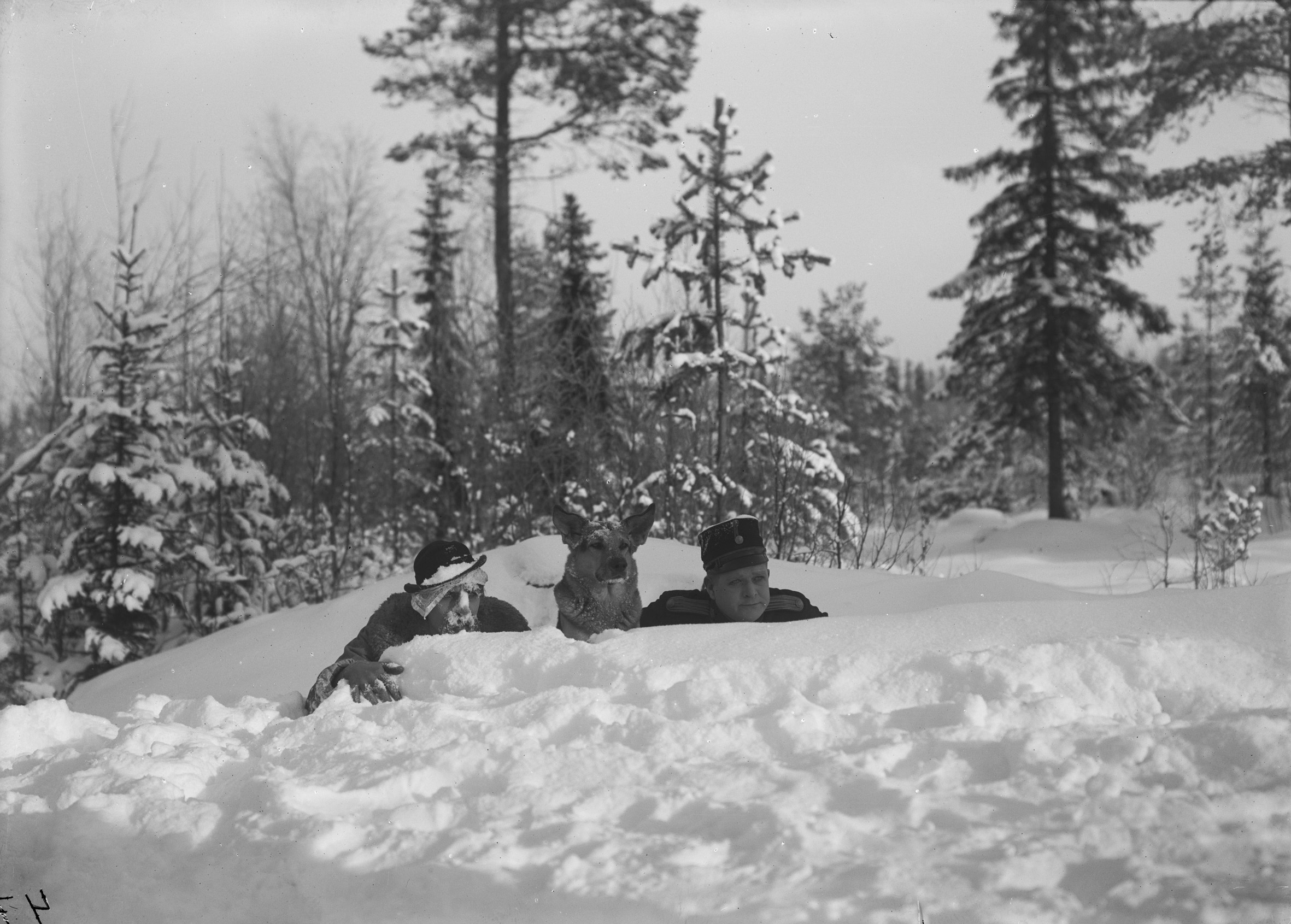
The second Swedish title of the day came with a warning attached: it starts slow, cautioned the Giornate programme, but soon warms up. Did it ever. In Den Starkaste (The Strongest, 1929) two sailors compete for the hand of the skipper’s daughter, and despite her clear preference for one, and via many complications, they take their macho competitive streaks out into the Arctic Ocean where they are hunting on rival vessels. Blood is spilt on the glaciers, most of it belonging to seals – and in the staggering last reel, polar bears. Polar bears! The Arctic photography is crisp and gorgeous (especially when soundtracked by John Sweeney on the piano), and comes courtesy of expert Swedish cinematographer Axel Lindblom – who is also said to have photographed A Cottage on Dartmoor, more of which tomorrow.

Continue reading Le Giornate del Cinema Muto 2013: Pordenone post No 3

Le Giornate del Cinema Muto 2013: Pordenone post No 2

Chytÿte ho! (Lupicÿ nesÿika)

They say the world is divided between night owls and early-rising larks. Here at the Giornate, we split in two similar camps: are you up and at ’em first thing for Felix the Cat, who opens each day of the festival, or up all night with curtain-closer Koko the Clown? Your humble correspondent, it seems, is very much a cat person.

And by lunchtime today I was longing for the narrative simplicity of our lovable early morning Felix cartoon (Felix Loses Out, 1924). There was much to enjoy in the morning screenings, but either my mind was especially feeble or the plotting in some of the comedies was needlessly complex. First up, we had a Czech  Anny Ondra double-bill. Chytÿte ho! (1925) was a romp and a half – Ondra plays a young lady whose guardian was a chronic gambler. There is a charming but dissolute artist, a gang of robbers and all kinds of shenanigans involving a stolen dowry. Ondra is all impish charm when in front of the camera, but most of the running time was taken up by male lead Karel Lamac undertaking a series of increasingly inventive comic stunts – the only shame was that the execution fell short of the imagination. Still lively stuff, and for me, preferable to the following film, Dáma S Malou Nozkou (The Lady with the Small Foot, 1920). A couple of amateur sleuths, one wily, one scrappy and dwarfish, attempt to recover a case of stolen money. It’s a strange film, made stranger by a missing length of film that renders one subplot barely intelligible. Strange too, in that it resists the expected narrative resolution. As it says in an intertitle, it’s a “comical piece about a detective, who discovered nothing, but found his true love”. Anny Ondra appears briefly as a young lady who has feet that are small, shapely and completely irrelevant to the plot. Anny, meet the “MacGuffin”, your friend Alfred will tell you more later …

Polis Paulus' påskasmäll (1925) Filmografinr: 1925/11
Polis Paulus’ påskasmäll (1925) Filmografinr: 1925/11

I had little time for Polis Paulus Paskasmäll (The Smugglers, 1925) in the Swedish strand, though others heartily enjoyed it. Its stars were a famous comic duo in Denmark, though as far as I could tell their humour was based on the fact that one was shorter and fatter than the other, who in turn had a ridiculous moustache. Bucketloads of plot here, too, as love affairs, criminal schemes and old rivalries cause havoc among the residents and staff of a ski hotel. There was some excellent slapstick here (a sequence in which the taller comedian dressed himself in a bearskin rub, notably) but though you may call me shallow for it, my favourite thing in this film was leading lady Lili Lani’s chic winter wardrobe.

Continue reading Le Giornate del Cinema Muto 2013: Pordenone post No 2

Le Giornate del Cinema Muto 2013: Pordenone post No 1

Giornate del Cinema Muto 2013

Hello. Has it really been a whole year since this? Hold on to your bonnets, because we are back in Pordenone and it’s Saturday night. It’s time. To face. The silents.

Which is another way of saying the the 32nd Giornate del Cinema Muto has begun, and just a few hours in, we have have had a sampler of diverse treats to come.

Flickan i frack (1926)

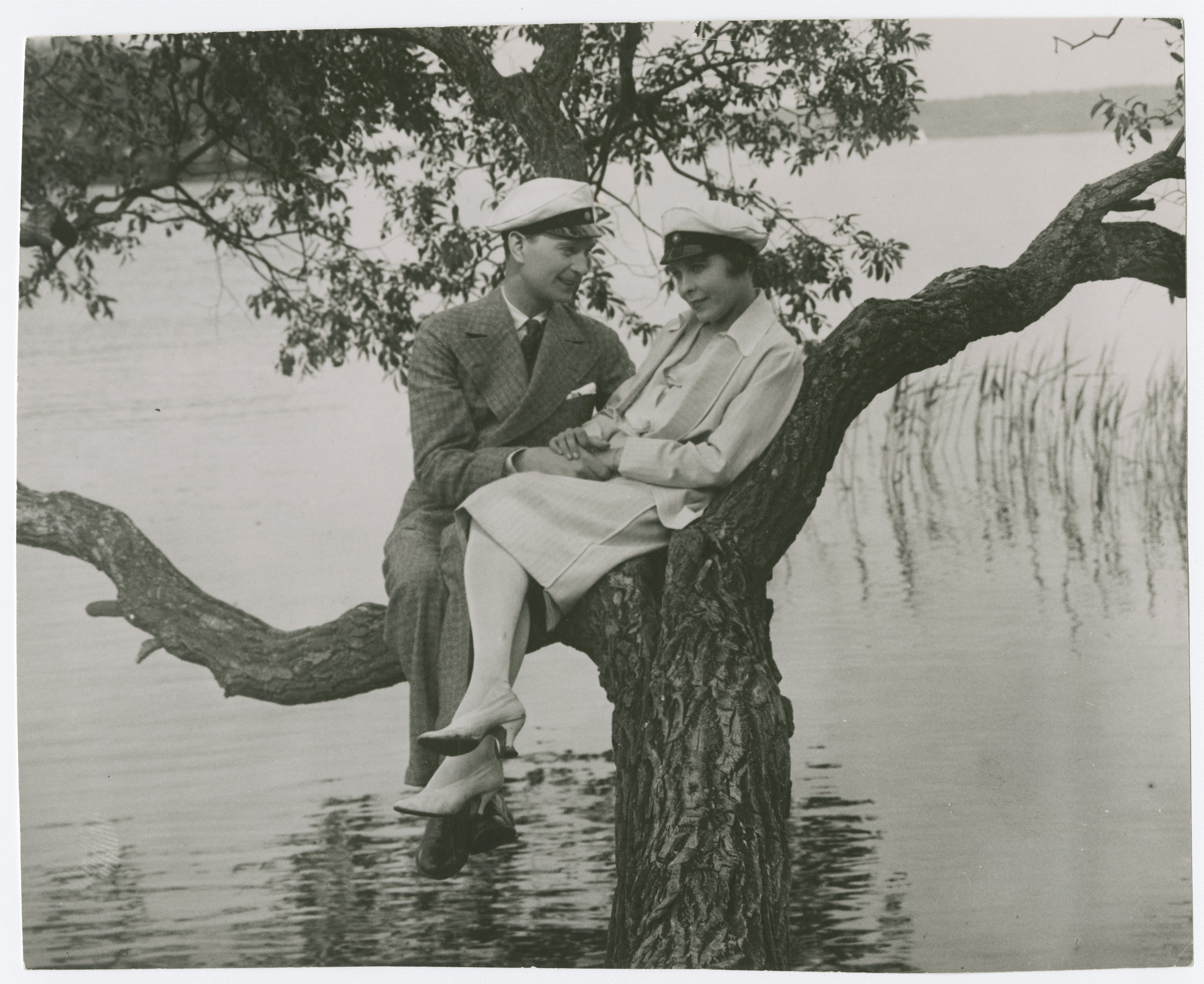
My highlight of the first day comes from Sealed Lips, the Swedish strand of the programme that I had big hopes for. Flickan i Frack (The Girl in Tails, 1926) is essentially a teen rom-com, but one saturated in enough intersectional goodness for a PhD dissertation or two. The population of a small provincial town get themselves into terrible muddles by going about various kinds of drag – dressing up or down socially, mostly, but there is also moral posturing, intellectual pretension and, crucially, some audacious transvestism in the mix. Despite such a heavy burden of subtext and inference, Flickan i Frack is light on its feet, witty and winningly romantic. It was directed by Karin Swanström, better known perhaps as an actress – and it is very much a female-oriented film, from its bright heroine who attends her graduation ball in a man’s dress suit (just to make a point, with seemingly no fear that her boyfriend might dislike it, and looking utterly fabulous) to the malevolent matriarch upon whom her future happiness depends (played brilliant by Swanström) and the “wild herd of learned women” who loiter ambiguously in the background.

Gilly poprvŽ v Praze (1920)

But I am getting ahead of myself. My first glimpse of the festival, as I scurried in late to the first session, was of Anny Ondra, plonked on a hay cart and throwing a fit. The minutes I caught of Gilly Poprvé v Praze (1920) were a lively, rowdy introduction to the Giornate’s Ondra retrospective. It was also far shorter and sweeter than the following feature. Setrele Písmo (The Missing Letters, 1921), was a messy, rather over-extended and patchy film about (bear with me) two sculptors (one morally lax and successful, the other upstanding and impoverished) the former’s two models (one vengeful and brunette, one blonde and rather dull), a couple of palimpsests, some hidden treasure, the construction industry and public arts funding. Nice funicular sequence. Ondra, in an early and atypical role as the second model, was called on to do little more than pose on a pedestal, play with a puppy and pout prettily. To be fair to the film, as we must, it was the product of a garbled production process, incorporating footage from an earlier movie. No wonder its plot had as many layers as one of those palimpsests.

Continue reading Le Giornate del Cinema Muto 2013: Pordenone post No 1

All is Lost: a film of few words

Robert Redford in All is Lost (2013)

You hate bad dialogue, I hate bad dialogue. And clunky, needless expository dialogue is the worst: the most heinous crime in sound cinema. A good rule of thumb for screenwriters would be to look at each line they want their actors to spout and say: “Would this be an absolutely essential intertitle?” Without all those words, actors have to tell the story physically, by acting, rather than describing: they say a picture tells a thousand words after all. With 24 frames a second, who needs text, by that logic?

This is clearly a pet hate of mine – I rarely see a new movie without wanted to take a red pen to the script here and there. So thank heavens for All is Lost, the tremendous new film from JC Chandor (Margin Call), starring Robert Redford as a sailor lost in the middle of the Indian Ocean. Redford is the only actor in the film – it’s just him, the boat, the water and a series of catastrophes until the bitter end. And he’s fantastic in it – his nicely grizzled features reacting moment by moment to his impending doom. It’s a physical role for sure, as he tackles the high winds and rolling waves – but for the full Ancient Mariner angst, he needs to capture our sympathies too, and let us know what’s going on behind those famous blue eyes.

You’ll have guessed the twist: as Redford helms the movie solo, there’s no real dialogue at all. I don’t want to spoiler the film, but he speaks a few words; wouldn’t you curse a little, in his deck shoes? For most of the film’s 106-minute running time, however, all you’ll hear is the roar of the ocean, the clattering and cracking of his boat and a hell of a lot of weather. The score, by Alex Ebert, appears only sporadically, and there’s no intrusive internal monologue to break the tension either. So with all that space in which to act, and such a simple story, Redford is free to give an indelible, immense performance that’s a pleasure to watch. Or it would be, if one weren’t so terrified for him.

All is Lost wouldn’t qualify as a silent movie, I know that. In fact its stunning sound design is as Oscar-worthy as Redford’s star turn. But it is a rare sound film that has learned the extraordinary power of silents – and it’s really very special indeed.

All is Lost screens at the London Film Festival on 12, 13 and 14 October 2013, and gets a UK release on 26 December 2013.

Forgotten Stars: My Father and the British Silent Film World – review

John Stuart, silent movie star

Jonathan Croall would like to introduce you to his father, his father’s friends and their neglected, but fascinating, glory days. Readers of this blog will recognise Croall’s father as John Stuart, the dashing star of many a British silent movie, including The Pleasure Garden, Roses of Picardy and Hindle Wakes, plus many more talkies besides. Stuart worked right until the late 70s. His last big-screen role was as a Kryptonian elder in 1978’s Superman.

This lovingly written and hugely informative book, Forgotten Stars: My Father and the British Silent Film World, is concerned with Stuart’s heyday, however, and his cohorts in Britain’s silent movie industry. As Croall tells his father’s story, he loops in the tales of the actors, writers, producers and directors he worked with: there’s Maurice Elvey and Alfred Hitchcock; Lillian Hall-Davis and Estelle Brody; the Film Society and the coming of sound. It’s a distinctive methodology – a chapter on a wider topic will suddenly focus on anecdotes from Stuart’s career alone, and then usher in two more dramatis personae. Under the chapter heading Fans and Fan Clubs, say,  one reads several paragraphs on the publicity industry surrounding silent movie stars. Beneath the subheading A Star Under Siege we encounter a story about Stuart being mobbed by fans at the Film Artists’ Fair, which leads to a discussion of his fans, his fan club, his gruelling schedule of personal appearances and the speeches he made. (These sections that dwell solely on Stuart’s career are flagged with his smiling portrait.) This is then followed by two profiles of British silent cinema’s two biggest stars: Betty Balfour and Ivor Novello.

Continue reading Forgotten Stars: My Father and the British Silent Film World – review

The Epic of Everest (1924) – review

The Epic of Everest (1924)

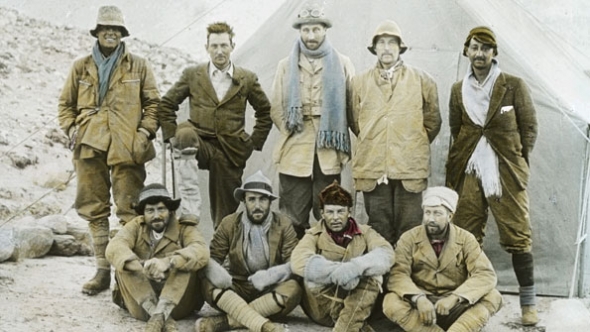
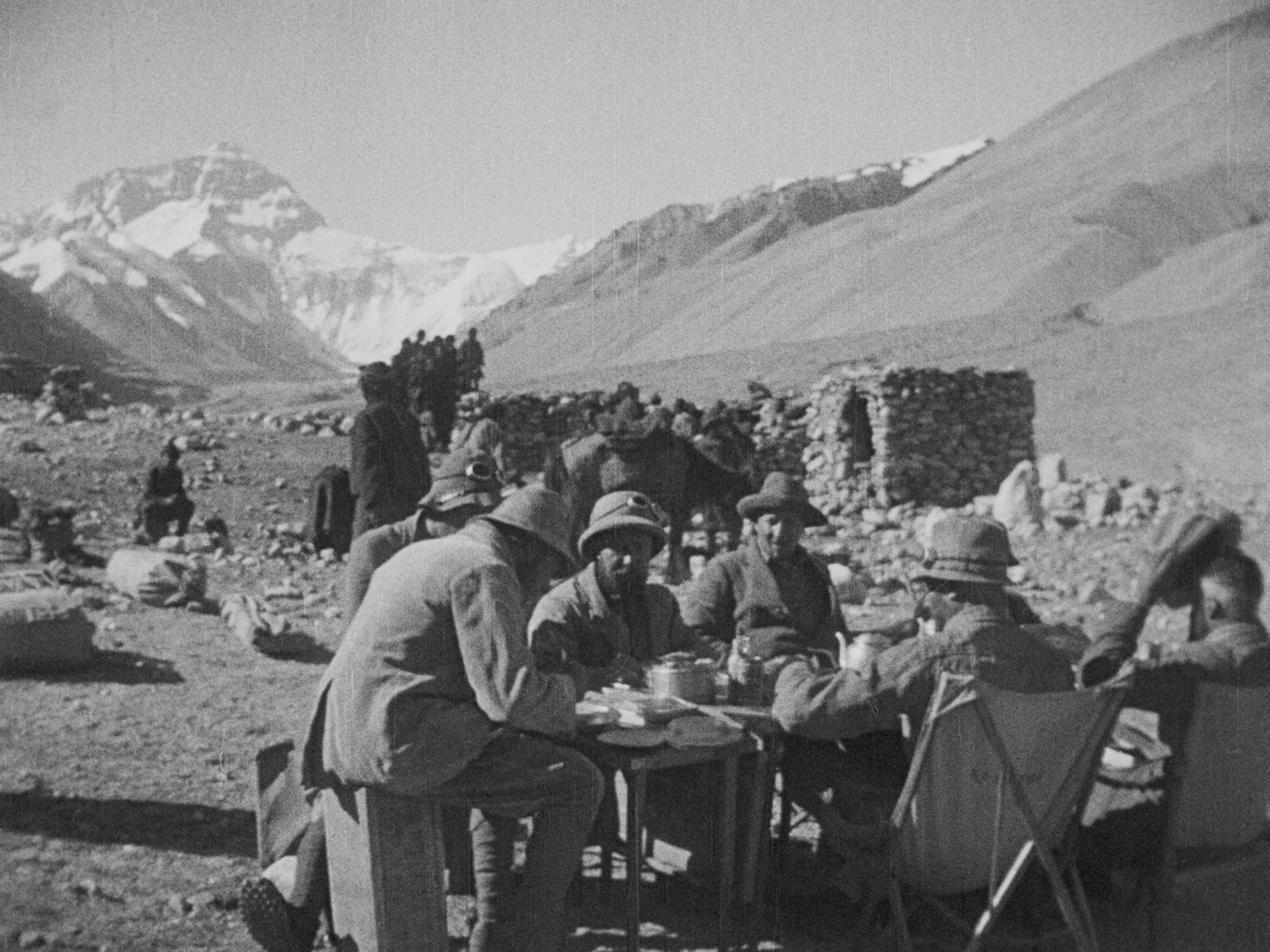
As of 2013, 3,500 people have reached the summit of Mount Everest. In 1924, that figure stood at zero. Which means that when George Mallory, Andrew Irvine, their fellow explorers, their many Sherpa porters and film-maker Captain John Noel took their first steps on the ascent, the world’s tallest mountain was far taller than it is today.

The Epic of Everest (1924)

The Epic of Everest, Noel’s film of that ill-fated expedition, captures the mountain at its most mysterious – and its most alluring. A massive success when it was shown back home in London at the Scala, The Epic of Everest may well have been responsible for many a traveller’s resolve to climb the unclimbable mountain. While Noel’s film praises the “supermen” of the expedition, their heroics pale in comparison with the majesty of the landscape that defeats them and claims four of their lives. The explorers, tiny black silhouettes against the sheets of snow and ice that surround them, are noble fools at best – Everest is king. The intertitles, smug in colonial superiority, condescend to the Tibetan locals at first, detailing their quaint customs, expressing horror at their hygiene standards. By the end of the movie, that same voice is rueful, fearing that the mountain has actually been cursed, or rather protected, by the lamas – that the summit the locals call Chomolungma or “Goddess Mother of the World” is never to be claimed by an interloper.

The Epic of Everest (1924)

Despite its grand conclusions, The Epic of Everest doesn’t feel as epic as you might expect. The poignancy here is that the expedition is over, and so finally, terribly over, so soon after it began. Two of the team die of frostbite and exposure at an early base camp when the weather changes. 37-year-old George Mallory and 22-year-old Andrew Irvine die on or near the summit. They are spied by Noel’s new-fangled telephoto lens beginning the final push, and by a colleague’s telescope just 800ft from the top. Were they on their way, or down? With no bodies recovered and the rest of the expedition making the sorrowful descent without them, it matters little.

The Epic of Everest (1924)

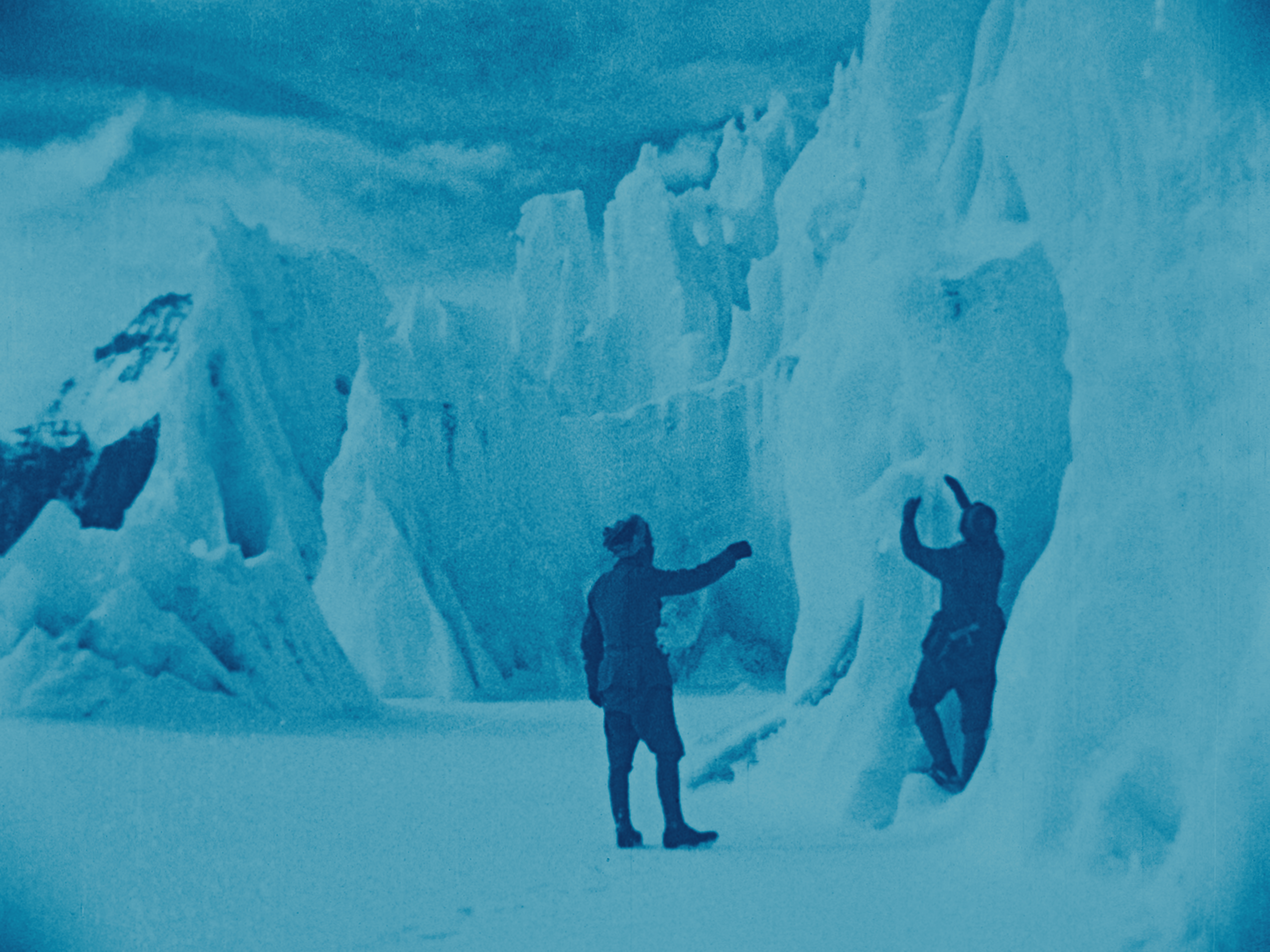
Despite the lengthy intertitles and the meticulous detail of altitudes and temperatures, it’s actually easier to watch this as an art film as opposed to a documentary. This movie is all about the awe-inspiring visuals, mist rolling off the mountain top, glaciers twinkling in the evening light – and the crowning glory is the blue-tinted Fairyland of Ice sequence. Everest almost-pristine, with our hardy faithful tiptoeing around doing some genuine, light-touch exploring, snapping off icicles and dwarfed by the glaciers. The BFI restoration, combining the best shots from the two best prints in its archive, replicating the tints straight from the nitrate originals, plays right up to that gorgeousness. Feast your eyes, even as you weep.

The finishing touch is one that you may expect to find a little familiar. Simon Fisher Turner’s score for The Great White Silence combined unexpected noises, a beautiful hymn, dark electronica and some surprising archival found sounds to create an unforgettable, not to say controversial, soundtrack. His score for The Epic of Everest is just as richly textured, but more melodic and with fewer attention-grabbing tricks. Motorcycles, typewriters and some original recordings from 1924 – of lamas at that London premiere – are plaited neatly into the music. Where the film can be cool, almost brutal in its straightforwardness, the music supplies drama, sentiment, and a note of pizzazz.

The Epic of Everest (1924)

The Epic of Everest will have world premiere as the Archive Gala at the 57th BFI London Film Festival on 18 October 2013 with Simon Fisher Turner’s score performed live. It will go on simultaneous theatrical release and in time, will be released on Blu-Ray by the BFI.  Read more here.

Read Ewan Munro’s excellent review of The Epic of Everest here


UPDATE: This review followed a press showing in the BFI basement screening room. I subsequently saw The Epic of Everest at a London Film Festival press screening in NFT1 at BFI Southbank – with a much bigger screen, and louder speakers, the film was even more magnificent. The score, particularly, made much more of an impression the second time around. So my advice is: see this film on the biggest, best screen you can.

The Birth of a Nation: Blu-Ray review

The Birth of a Nation (1915)

Whichever way you look at cinema history, you can’t avoid The Birth of a Nation (1915), a landmark, but one that casts a murky shadow. It is absolutely fitting and proper that the film regarded as the first American feature, which kickstarted Hollywood’s rise to global domination, and that was made by a true cinematic genius should be given the Masters of Cinema treatment – Blu-Ray transfer, archival extras, fancy booklet and all. Just don’t call The Birth of a Nation a masterpiece – while this is an important film, it is a terribly flawed one.

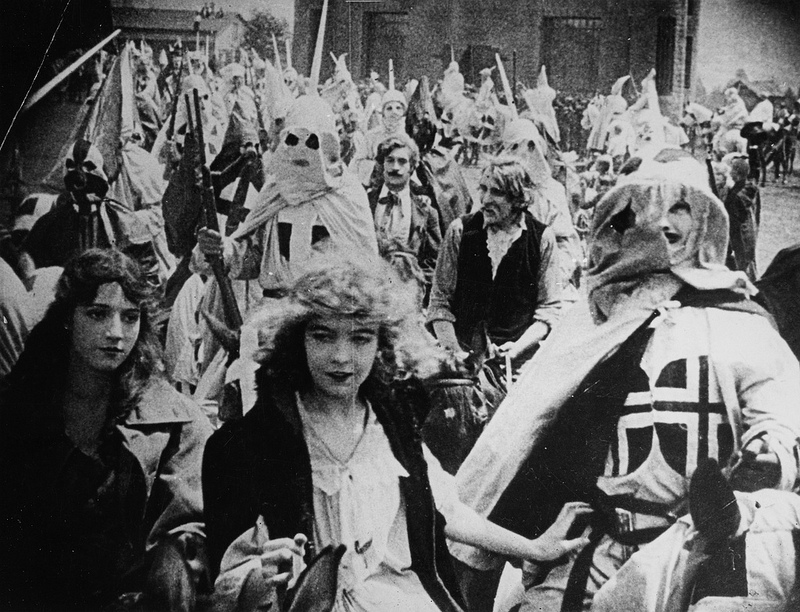
Austin Stoneman (Ralph Lewis) is an abolitionist congressman, based on Thaddeus Stevens (played by Tommy Lee Jones in Spielberg’s Lincoln), and his children are friends with the Cameron family in the South. Four of the children will fall in love with each other, but the Civil War will tear them apart. The second and most controversial part of the film details the consequences of the war and of freeing and enfranchising the slaves. Legislature is overrun by loutish black men; Cameron’s youngest daughter commits suicide when pursued by a “renegade negro”. The Ku Klux Klan exert a rough justice for this and other crimes and bully the black citizens back into their place. All ends, apparently, happily ever after, “Aryan birthright” defended, wedding bells pealing, with a vision of Christ.

The Birth of a Nation (1915)

The Birth of a Nation is an epic film, running for three hours and more, with a big subject, but a small mind. Beginning just before the American Civil War does, and hanging around to see the South recover from its heavy defeat, the movie encompasses battle, politics, romance and a family saga of sorts. Its text-heavy intertitles reveal a worthy ambition: to convey “the ravages of war to the end that war may be held in abhorrence”. Other intertitles protest against censorship, asking that the film be given the same liberty to speak as the Bible, or Shakespeare. We are frequently told that this or that scene is a “historical facsimile” drawn from library sources. But these arguments feel hollow. The Birth of a Nation, based on the novel The Clansman, is guilty of a sin of omission, and the far more serious crime of racism. This is a paean to the South, but specifically a tribute to the Ku Klux Klan, who in this narrative save the “white South” from “the heel of the black South”. It concerns itself not one jot with the “abhorrences” of slavery or slave-trading. Its black and mixed-race characters are cartoonish (“Dem free-niggers f’um d N’of am sho’ crazy”) and mostly venal – cowardly, yet sexually predatory, weak-minded, easily led. Of course, many of them are played by white actors, and needless to say, blackface is never a good look. In one horrific sequence a group of black men lynch another for supporting their rivals; in another equally nauseating scene lines of black voters cower in front of Klan members – this vote-rigging by intimidation is presented a as triumph. A cotton-field is used as a romantic setting for the white upper-class characters to coo at each other in.

The Birth of a Nation (1915)

I mention this because you may have heard that The Birth of a Nation is a great film, but a racist one. That is part of the way to the truth, which is that the film’s racism prevents it from becoming truly great. DW Griffith made many other films with old-fashioned, sentimental storylines – but his best work moves the audience, because it is based on an emotional truth. That emotional truth is missing in this film. Here, in a typically Griffithian sentimental moment, impoverished Carolina belle Mae Marsh trims her dress with “Southern ermine” that is, raw cotton daubed with fingerprints of soot. We’re expected to feel sorry for her character in her shabby frock, but not for the slave who picked that cotton for her family in the first place. That’s quite the feat of mental acrobatics. It’s hard to believe that this film was made by the same director who created A Corner in Wheat six years earlier. Even the wonderful Lillian Gish is disappointing here – her role as Stoneman’s thoughtless daughter (she never visits the library) who is disgusted by her boyfriend joining the Klan until a mixed-race men attempts to assault her, gives her little to work with. Although Miriam Cooper in a quieter role as the elder Cameron sister, is constantly compelling.

Without making excuses for the film’s failings, we should also note its monumental achievements: the deft storytelling here cuts across years and state lines from the home front to the battlefield and never feels forced or confused. It’s long, but never boring. Those war scenes are epic in scale and brutal in the vividness of their hand-on-hand combat – vistas of the battlefield spread out before the audience smothered in gunsmoke; or are sometimes vignetted to catch a vicious or poignant moment. Almost every scene looks sumptuous – this crisp, though occasionally grainy, transfer captures every detail of those “historical facsimiles” as well as the more poetic moments when Griffith indulges himself with a composition of romantic, painterly beauty: as in the love scenes, or the moment when Henry Walthall’s Colonel Cameron is inspired to form the Klan.

If you have seen, and loved, Griffith’s shorts and more rewarding films such as Broken Blossoms, then you’ll rightly want to see this film. Be warned though, you may not like it as much as you admire it, and you may admire it less than you expect to. But once you have seen it you will want to place the film in context, both historically and in terms of the debate around its content. The booklet of material provided with this release includes a tribute by Michael Powell and defences by Griffith and the author of The Clansman as well as a contemporary attack from the New York Times (“It is insulting to every man of Southern birth to assume that he is pleased by misrepresentation so colossal”) and  another by Francis Hackett, which calls the film “spiritual assassination. It degrades the censors that passed it and the white race that endures it.”

8891483618_f52fa25a8a_tThe Birth of a Nation is available now on DVD and Blu-Ray from Masters of Cinema, RRP £17.99 (DVD) or £19.99 (Blu-Ray). 

The Hut (DVD) http://tidd.ly/23cb330f (Blu-Ray) http://tidd.ly/84b7e014 

MovieMail (DVD) http://bit.ly/ZGMgLa (Blu-Ray) http://bit.ly/19kB3Wl

Il Cinema Ritrovato 2013 – reporting back

Waiting for a screening to begin at Cinema Arlecchino in Bologna.
Waiting for a festival screening to begin at Cinema Arlecchino in Bologna.

Completists, please avert your gaze. During the three days I spent at Il Cinema Ritrovato in Bologna I missed far more than I saw. With four screens, plus lectures, workshops, exhibitions, open-air screenings, and programmes for children all running at once, there is too much here for any one person to take in. It’s a festival that requires endurance, decisiveness and a philosophical approach to the ones that got away. But if you think you’re tough enough, start clearing your diary for summer 2014. And welcome to classic cinema bootcamp.

Ritrovato is all about rediscovery – the films on show here have all been found, restored or reclaimed. They are the work of film-makers whose work deserves a second look, or whose weighty reputation means that their films merit a little extra care and attention. To this end, the festival is woven from many strands – and even if one were to stay for the entire festival, it would require a certain single-mindedness to see one of them through from start to finish. On my flying visit, I didn’t have a hope. This is my way of excusing my scattergun approach to the festival – a programme of early shorts here, a classic Chaplin two-reeler projected in the Piazza Maggiore there, a lush new print of a silent Hitchcock here, a rustic Soviet melodrama there. And sound films too. Lots of them, actually, I cannot tell a lie.

According to my notes, the first film I saw at the festival was a four-minute snippet from 1913 called Hungarian Folklore, which detailed wedding traditions in the country. Good intentions and all that. This was followed by Baby Riazanskie, a chewy melodrama directed by Olga Preobrazenskaja and Ivan Pravov. I never saw another of their films ­– because I was distracted by other delights, and because I was slightly underwhelmed by this one. Another regret.

Zaza (1923)
Zaza (1923)

My highlights included the Allan Dwan silents, especially Zaza and Manhandled starring the fantastic, feisty Gloria Swanson, and the action-packed East Side, West Side. I enjoyed many of his sound films too: witty sweet-hearted comedies from the 40s and 50s.

I was captivated by the beautiful if overlong city symphony Etudes Sur Paris – catch it for the underground canal sequences alone. I was moved by Victor Sjostrom’s social drama Ingeborg Holm (a 100-year-old Swedish Cathy Come Home) and tickled pink by Chaplin’s The Cure.

The Cure: Charlie Chaplin and Eric Campbell on the big screen in Piazza Maggiore, Bologna

Another highlight was a recently discovered collection of sweet colour films from 1906 screened using carbon light projector in the Piazzetta Pasolini late at night. I didn’t want that to end. The Farmer’s Wife, all gussied up by the BFI as part of the Hitchock 9 project, looked beautiful and its peculiarly English humour translated well to the Bologna audience.

When it comes to talkies, I was emotionally shredded and enthralled by Anna Magnani in Rossellini’s L’Amore – and again in Roma Citta Aperta. Plein Soleil, La Belle et La Bete, Chimes at Midnight … I don’t feel the least bit guilty about watching those.

The main thing I missed during my trip was Bologna itself. I strolled around the Piazza Maggiore one morning, and glimpsed the two tipsy towers, but I was far too distracted by the flickers to do any real sightseeing, or sunbathing in the 30-degree heat. Arrivederci, Bologna.

And if you’re thinking of visiting Il Cinema Ritrovato next year, here are my top five tips for festival newbies. If you’ve been to Ritrovato before, please share your tips below:

  • Get yourself a map of Bologna. And mark the festival venues on it. Do this before you arrive so you’re not wandering the streets panic-stricken, in search of a Gloria Swanson film, like a certain blogger of our mutual acquaintance.
  • Patience is a virtue. The screenings run late. And almost every film is prefaced with a long introduction, in at least two languages. Luckily the movies are worth the wait.
  • Health and safety. Strappy wedge sandals, cobbled streets and ten-minute gaps between screenings led me dangerously close to a few unscripted slapstick moments. There is a shuttle bus in operation between the cinemas, for those who really need assistance. For the rest of us – these strolls are the only exercise you are going to get all week. And drink lots of liquid: caffeine will get you through the schedule, but it’s hot out there, so drink plenty of water too.
  • See one film you’ve never heard of every day. The best festival experiences are the surprises – and the programme at Ritrovato has plenty of surprises up its sleeve.
  • Don’t be discouraged by the catalogue. The descriptions of films in the official catalogue are useful, and very detailed, but often a little cool. Trust your instincts – and the festival programmers.

Visit the festival website here – and read Ayse’s blogpost from last year’s festival here.

The Naked Island: Blu-Ray review

The Naked Island (1960)

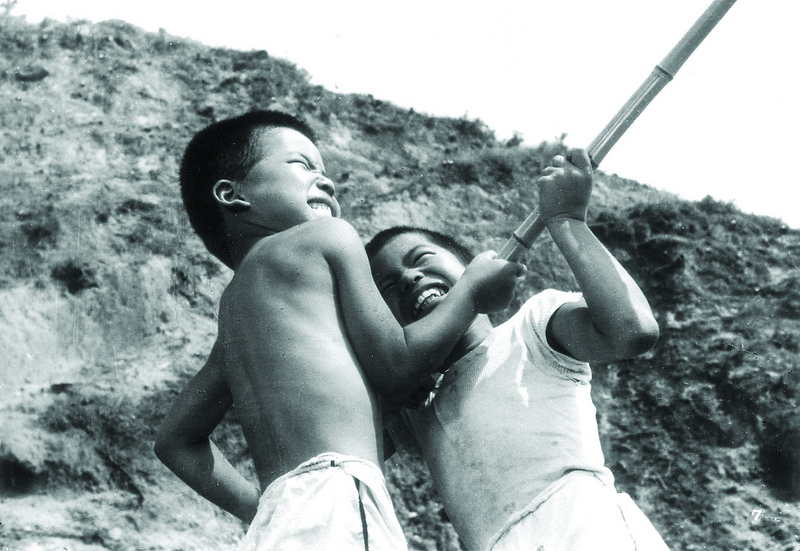
Do not adjust your set. The Naked Island is not from the silent era; in fact, it was made in 1960. However, this soul-wrenching Japanese film exemplifies the art of visual story-telling. With well-placed music, a choice smattering of ambient sound, next-to-no speech and the barest of captions, director Kaneto Shindô relies on his imagery to craft an engrossing realist drama. This is one of the most sophisticated, and powerful, of modern silent films. I found it completely engrossing – and the moment it finished, I pressed play and watched it all over again.

Shindô, best known for Onibaba and Children of Hiroshima, started out in the studio lab, before getting work as an art director and screenwriter and assisting Mizoguchi in the late 1930s. His common-law wife died of TB in 1943; the following year he was drafted into the army to do menial work as a cleaner. More than with many other cineastes, you could say that by the time he found success as a film director, Shindô had an appreciation for the struggles of working people. Many of his early films portray the degradations of poverty, and emphasise female suffering in particular. The Naked Island is no exception, described by Shindô as “a cinematic poem to try and capture the life of human beings struggling like ants against the forces of nature”.

A family of four live alone on a remote, hilly island in Japan’s inland sea. The mother and father raise their crops by hand, carry fresh water from the mainland in pails slung across their  shoulders on painful yokes, and live at the mercy of the elements. It’s the definition of a hand-to-mouth existence, thrown into relief when the boys catch a fish and the family take it to town to sell. There, all four experience the baffling luxuries of televisions, restaurants and leisure time before they return to their relentless routine. A third of the way through the film, a shocking act of violence reinforces the fragility of their livelihood. The tragic final act is an object lesson in how poverty crushes the human spirit.

Nobuko Otowa, Shindô’s favourite actress and his lover, plays the mother; and it’s an expert performance, for all its apparent naturalism. As she repeatedly makes her way up the hillside with her buckets of water, the tension is every bit as high as when Lila Crane creeps into the cellar of Bates family home, say, but drawn out over an agonising half-hour. With no lines other than sobs, and little opportunity to emote, Otawa portrays suffering without recourse to melodrama. Taiji Tonoyama, another Shindô regular, plays her stoical husband as a bruised soul. The two young boys, particularly Shinji Tanaka as the eldest son, are excellent too: conveying the effervescence of youth frustrated by a life of difficulty and disappointment.
The Naked Island (1960)
Nobuko Otawa in The Naked Island (1960)

The film is elegantly, cleverly photographed too – in lush monochrome CinemaScope by Kiyoshi Kuroda. The long takes of the family’s manual labour create not a documentary effect, but in their reworking and repetition, bring foreboding, life-or-death fear and sorrow. As the central couple, picked out against the overbearing hillside or the lowering sky, bear their yokes like crosses or dredge for seaweed in the pouring rain, their story speaks for itself. It is abundantly clear that the strength of this film would be diluted by conversation or narration. Shindô himself  (in conversation with composer Hikaru Hayashi on the commentary track) explains during The Naked Island‘s heartbreaking climax: “We decided at the beginning to have no dialogue and that enabled us to express this scene so boldly.” The finale is all the more horrifying for its wordlessness – a twist of fate that is inexplicably cruel.

8670948637_58abd752e4_m-1The Naked Island is accompanied by the aforementioned audio commentary, the option to watch without English subtitles, a video intro by Alex Cox and a booklet of supporting material including an interview with Shindô.

The Naked Island is released on Blu-Ray by Masters of Cinema on 24 June 2013. You can order a copy from Amazon http://amzn.to/10TeBv3; The Hut http://tidd.ly/a5a1126b; or MovieMail http://bit.ly/11aAEMw

Tabu: Blu-Ray review

8741175120_6b97b2aa8b_b

The director of Nosferatu, Faust, The Last Laugh and Sunrise has an immaculate CV – but this, the final entry in his filmography, initially appears to be an oddity. In truth, it’s a masterpiece. FW Murnau’s cinema had been shaped in the creative hothouse of 1920s Berlin, and survived the transition to the commercially driven colossus of Hollywood beautifully, although his ego did not. Bruised by poor notices for the three films he had made in LA for Fox, Murnau took a leap into the unknown, embarking on a project unlike any other he had attempted. He sailed for Bora Bora with the documentary film-maker Robert Flaherty to shoot a colour movie, a part-talkie called Turia.

Following a script rewrite, money trouble and endless technical difficulties, Turia would become Tabu, a silent, black-and-white love story; Flaherty’s role would be downgraded to lab-bound assistant; and Murnau would plough his own money into the project until he had something he could sell to Paramount for distribution. The most shocking, and tragic, twist of all was that Murnau would not live to see its premiere. The director died in a car accident in March 1931, a week before Tabu’s first public screening.

Had Murnau lived, he would have seen his film, trimmed in often baffling ways by Paramount, fail to make back its costs at the box office, although the cinematographer Floyd Crosby would win the Oscar for this, his debut. In 1940, his mother sold the rights to Rowland and Samuel Brown, who rereleased it with further cuts and yet again failed to turn Tabu into a commercial success. It was not until the early 70s that a full nitrate print of the original film was discovered – and the process of restoration and appreciation began in earnest. Now we can watch Tabu: A Story of the South Seas, the full Tabu, and thanks to 21st-century technology, we can watch it at its sumptuous best.

Tabu (1931)
Tabu (1931)

Masters of Cinema has released Tabu previously on DVD – this is a beautiful Blu-Ray revamp of that pristine transfer. The sea spray sparkles and the chiaroscuro effects of those ominous shadows that are cast across paradise are given their full weight. It’s a seductively beautiful film; almost gratuitously, exotically gorgeous. In fact, I’d say the stills you see here don’t do it justice. Solidly expressionist lighting techniques transform a sun-drenched paradise into a locus of intangible terror, at the same time as the play of light on the luminous seas, on the young lovers’ beautiful bodies, entrances the eye. The film itself is a tempter, a Mephistopheles, and you’ll find it impossible to resist. The Hugo Reisenfeld score that Murnau spent his last pennies on is here too. It’s luscious, but on another occasion I’d be intrigued to see how a modern magician would accompany this film.

The plot concerns the stranglehold of fate, set cruelly against the joy of young love. We are far from the realm of documentary here – Tabu is every bit as artful as any of Murnau’s other films. Reri and Matahi live on a remote and unspoiled south sea island, and they fall suddenly, but utterly in love. The idyll is shattered when a messenger from another island, the sinister, hollow-faced Hitu, announces that Reri is “tabu”: she has been chosen to be a vestal virgin of sorts, a totem of chastity and purity – a symbolic tithe demanded from one island by the other. Reri must be wrenched from Matahi and their budding love affair is also “tabu”. The lovers escape, and wash up at a different kind of island, one that has been colonised, but Hitu, as eerie and relentless as Count Orlok, is on their trail …

Anne Chevalier in Tabu (1931)

That story, which folds folklore into tragedy, is told with the minimum of intertitles and the maximum of grace. Murnau’s unchained camera roams across ocean and sand but falls upon a painterly, elegant composition with each frame. Those title cards, as the invaluable commentary by R Dixon Smith and Brad Stevens makes plain, provide narration, and documentation, but not dialogue. Many silent films invite the hoary adjective “balletic”, but it is apt here: the vigour of the crowd scenes, the erotic, tragic interplay of the forlorn principals and that haunting villain. This voiceless melodrama, as exotic and strange as it may seem, will slide right under your skin.

Far from an oddity, this is a Murnau film to the core – there is enough joy, tragedy and self-sacrifice here to make you believe we’re back in Berlin. There’s even a dance scene that screams Sunrise; and those themes of paradise found and lost can’t help but recall Faust. Apparently Murnau, thoroughly disillusioned with Hollywood, planned to return to the South Sea Islands to make more films after Tabu – his 1930s career could have been truly fascinating.

Tabu (1931)

So it’s worth buying Tabu for the film alone, but this is a typically generous Masters of CInema package. As well as the aforementioned commentary there is a short German-language documentary Tabu: the Cinematic Legacy, a short travelogue from 1940 that uses footage from Tabu, a handful of out-takes, and a weighty booklet featuring archive material and essays.

Tabu is released on Blu-Ray (£19.99) and DVD (£17.99) by Masters of Cinema on 24 June 2013. Available to pre-order now

Underground: DVD/Blu-Ray review

Underground (1928)
Underground (1928)

Underground, surely one of the greatest “Silent London” films, has been turning our heads for some time now: at festivals, at the Barbican with the BBC Symphony Orchestra in 2011, and this year selling out screenings on its theatrical outing. This home video release is Underground’s latest, glossiest incarnation, and by rights should bring the film to the widest possible audience.

If you don’t know it (why?), the first thing you need to know about Anthony Asquith’s film is that it is an exercise in contrasts. Underground spins high drama out of a love story in a humble setting, pivoting from flirtation to daggers-drawn aggression. A hybrid romcom-thriller sounds like commercial gold, the elusive “perfect date movie”. Well, I wouldn’t necessarily argue with that assessment, but Underground is no popcorn flick: it’s passionate, arty, and unafraid to trip up the audience with a sudden, disconcerting shift in tone.

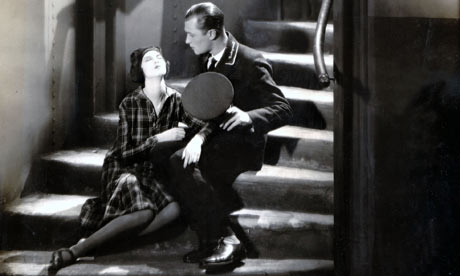
Getting down to brass tacks, this is a tale of love, jealousy, madness and missed connections. Pals Bill (Brian Aherne) and Bert (Cyril McLaglen) meet sweet Nell (Elissa Landi) on the tube one morning. Nell only has eyes for Bill, but nevertheless incurs the wrath of Kate (Norah Baring), a dangerously unhinged woman who carries a lonely torch for Bert. The narrative, and the tension, escalate as a chance meeting on the tube results in a violent confrontation at the now disused Lots Road power station. Asquith’s second film as director, the first he received a full credit for, is an astonishingly distinctive and inventive work. Everywhere there are bravura touches that mark him out as a great of British silent cinema: the shadows of tentative lovers embrace even while they pull awkwardly apart; a pub brawl is edited montage-style, a kaleidoscope of splintered violence.

So, the story of Underground may be simple, but its treatment is unexpectedly dark, stylised and violent – the good news is that this Blu-Ray does Asquith’s expressionist experiments proud. The slanting shadows of the tube tunnels and the boarding house are deep and black; the white-knuckle action of the final chase remains sharply defined.

You’ll want to turn this disc up loud too. If you haven’t heard Neil Brand’s orchestral score for Underground yet, you’ve been missing out. This full-bodied, stirring music is a masterclass in silent film music. It’s lush and classic, certainly, but unafraid to cling to the twists and jolts on the track: alert to the film’s many mood swings. Try watching any sequence in Underground with and without Brand’s score (I recommend that furtive shadow-kiss, or Kate’s mad scene) and you’ll notice how the music inhabits every corner of the film, animating it without smothering it. Should you tire of the music, there is an alternative option, one I found fascinating but initially, at least, harder to warm to. Recordist Chris Watson has created a soundtrack for Underground that uses noises rather than music. That fantasy kiss is here accompanied by the sound of trains rushing through tunnels; the birds sing when Bill and Nell picnic in the park, although the young boy’s harmonica is eerily silent. It’s finely crafted, and as artful as any musical score could hope to be. However, shoot me, but I miss the romance of the symphony orchestra in full flow.

Underground (1928)
Underground (1928)

This is a dual-format release, with plenty of room for extras (though some of them you will only find on the DVD disc). There is a brief but illuminating featurette on the restoration of the film (the short answer is that it wasn’t easy and that a French print in a Belgian archive filled in many of the gaps in the decomposing British reels) and a generous booklet featuring essays from Brand, Bryony Dixon, Christian Wolmar, Simon Murphy and Michael Brooke as well as snippets from the archive. The archive film extras are the real treat though: including glimpses of Asquith as a young boy with his notable father in tow. I was particularly taken by Under Night Streets, a 1958 documentary about the Underground network’s night workers, with its jaunty cockney narration explaining the whys and wherefores of the work done by men “hard at it, down in the hole” while the city sleeps above them.

As a souvenir of 1920s London, this is hard to beat. And it’s a damn fine treatment for a great British film. But I am greedy. This release will sit neatly on my shelf next to the BFI’s DVD of Asquith’s final silent A Cottage on Dartmoor with Stephen Horne’s brilliant score. Two out of three ain’t bad, but how about Shooting Stars to complete the set?

Underground is released on a Dual-Format DVD/Blu-Ray set by the BFI, RRP £19.99 on 17 June 2013. To pre-order, click here.