Tag Archives: silent film

Le Giornate del Cinema Muto 2015: Pordenone post No 3

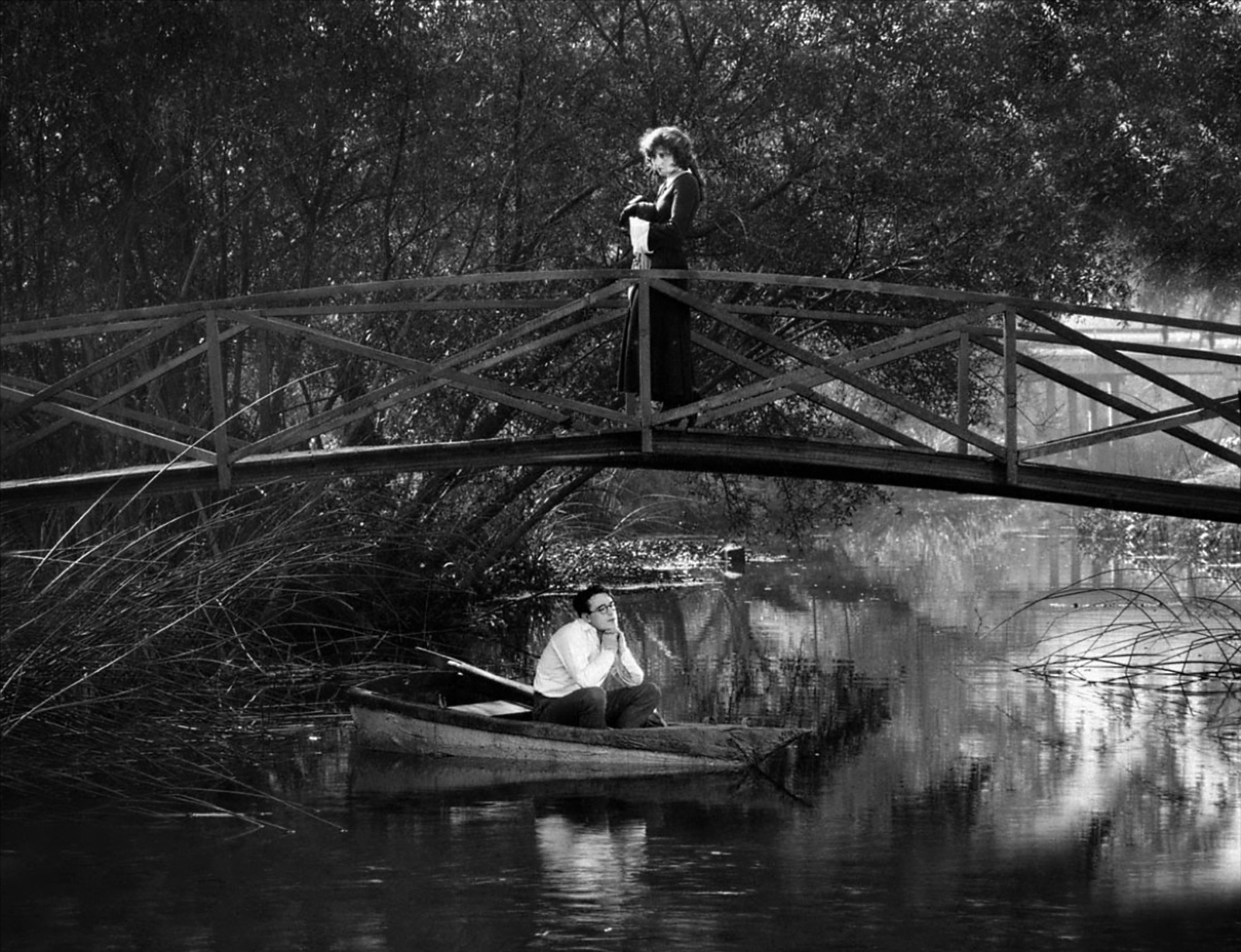
DVA DRUGA, MODEL I PODRUGA (KANITEL S MASHINKOI / NEOBYCHAINYE PRIKLIUCHENIIA AKHOVA I MAKHOVA) (URSS 1928) Gosfilmofond of Russia, Moscow

Of what does a revolt consist? Of everything and nothing, a spring slowly released, a fire suddenly breaking out, force operating at random, passing breeze

– Victor Hugo, Les Misérables

On a gloriously sunny day in northern Italy (and I do mean glorious) there is nothing to be done except to duck into a dark theatre and watch Soviet cinema, right? Right? Well, that’s how we roll here in Pordenone. Today I expected  to be dominated by the screening of Eisenstein’s monumental October (1928), but as ever, the Giornate caught me by surprise. My day began with a simply stunning, and very refreshing Soviet comedy. Just as last year, the Russian Laughter strand is shaping up to be one of my favourites. And it ended with a Japanese film that I feared I wouldn’t get the most out of. Perhaps I didn’t, but I did love it all the same,

Back to Russia. That comedy, Dva Druga, Model I Podruga (Two Friends, a Model and a Girlfriend, 1928) was a real sparkler: it was gorgeously photographed, with sunlight dappling the river our heroes were pootling along, and brightly funny too. Unlike pure slapstick affairs, the comedy here was largely contained in the composition rather than the action – it was, if this is a thing, pictorially funny. Like a newspaper cartoon. Our heroes, the two friends, are seemingly daft soap factory workers who invent a machine, a contraption really, for making packing crates. They think it will increase efficiency at the factory (a noble Soviet aim, for sure) but their villainous overseer disagrees – they’re paid to work, not invent. In the end, the pals, a girl who has run away from her fiancee and this crazy “model” must travel to the big city by river to prove its worth. Endless fun, visually inventive at every turn, and so gentle it undercuts all one’s preconceptions of Soviet bombast at once. Please take any chance you get to see this one.
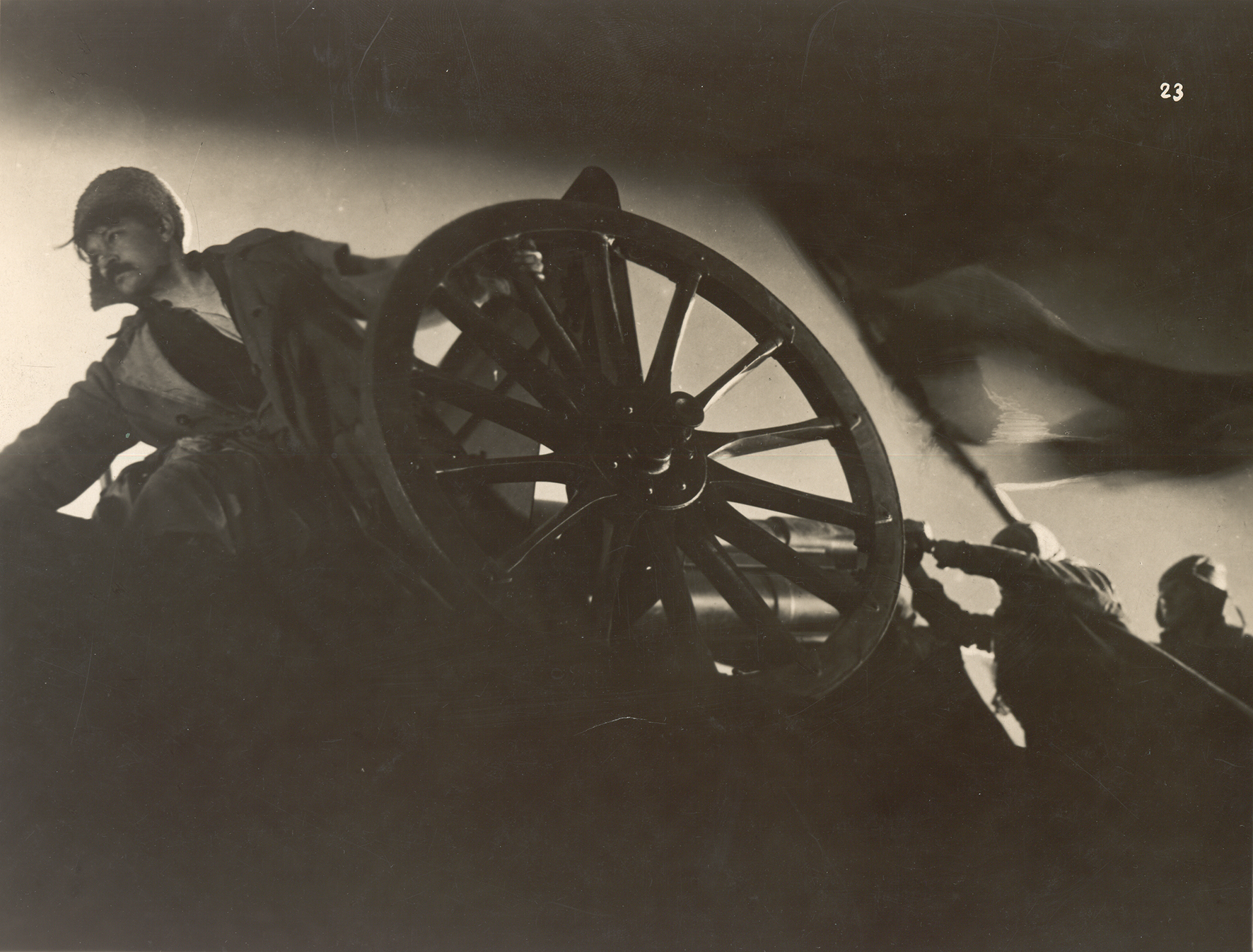
October (1928). Collection Austrian Film Museum, Vienna

But if you ordered bombast, today delivered. A two-hour-plus silent movie is a weighty proposition to be honest, but October, with its “catalogue of inventions” is so dazzling, energetic, ferocious and breathtakingly geometric that it feels more like a weekend than a month. Eisenstein’s document of the Russian revolution screened in the Canon Revisited strand, and it is certainly a film that repays the revisiting. Today we were especially lucky to have Günter Buchwald and Frank Bockius in the orchestra pit – performing a stirring score that was no doubt an exhausting feat. I am continually dumbfounded to find that some people are immune to this rousing strain of cinema. These Soviet classics were an early staging post on my route into exploring the silents. I came to them well before the Hollywood films, and they constantly define for me what silent cinema can achieve, which is to say what cinema in total can achieve. So there. The raising of the bridge sequence in October never fails to stop me in my tracks – from the naked viciousness of the bourgeoisie to the white horse martyred several feet above the Neva. And that poor young girl’s trailing hair … As the film continues there is far more to savour than I could even hint at here. The Women’s Death Battalion could furnish several blogposts of political-sexual analysis by themselves. By the time it was over I was ready to storm the palace of silent cinema and loot for more such treasures.
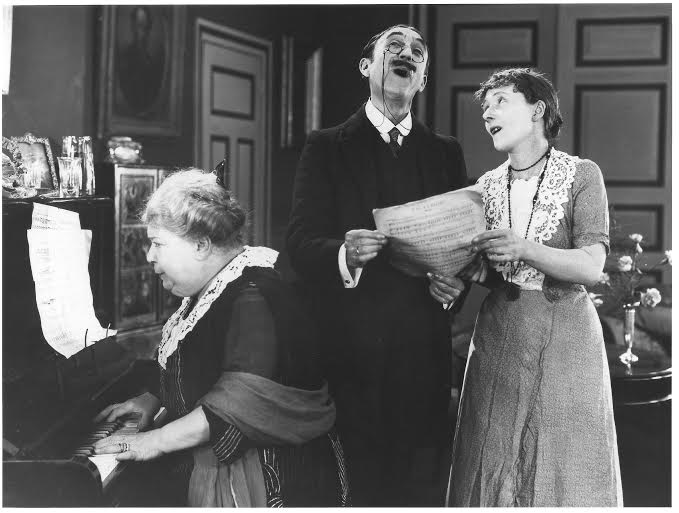
A Fool and his Money (1912) Library of Congress Packard Campus for Audio Visual Conservation, Culpeper, VA

Continue reading Le Giornate del Cinema Muto 2015: Pordenone post No 3
Le Giornate del Cinema Muto 2015: Pordenone post No 2

When the Clouds Roll By. Lobster Films, Paris

And in the meantime we must scrutinize the things that have vanished, needing to know if only to avoid them. Counterfeits of the past, under new names, may easily be mistaken for the future. The past, that ghostly traveller, is liable to forge his papers – Victor Hugo, Les Misérables

You wait weeks for one Douglas Fairbanks picture and on a rainy Sunday in Pordenone you get two! I am beginning to suspect I may have a wee crush on Mr Fairbanks Sr, so help me. Don’t tell me we can’t be together.

Forget that nonsense for a minute, the wet Sunday morning began with another fine selection of City Symphonies. Much to admire in all of them, but my favourite was the lyrical De Steeg/The Alley (1932), a portrait of a street in Rotterdam, and the people who live there, shot so nimbly and sensitively I wanted to walk down that road and meet those people straight away. Second, for me, was a similar piece, Pierement (Barrel Organ, 1931), shot in a working-class district of Amsterdam. As we follow the progress of the organ down the road, we meet new faces, new places and the day winds on, with the passage of time marked as the barrel organ cards concertina into their neat stack at the back of cart. A simple idea, beautifully executed.

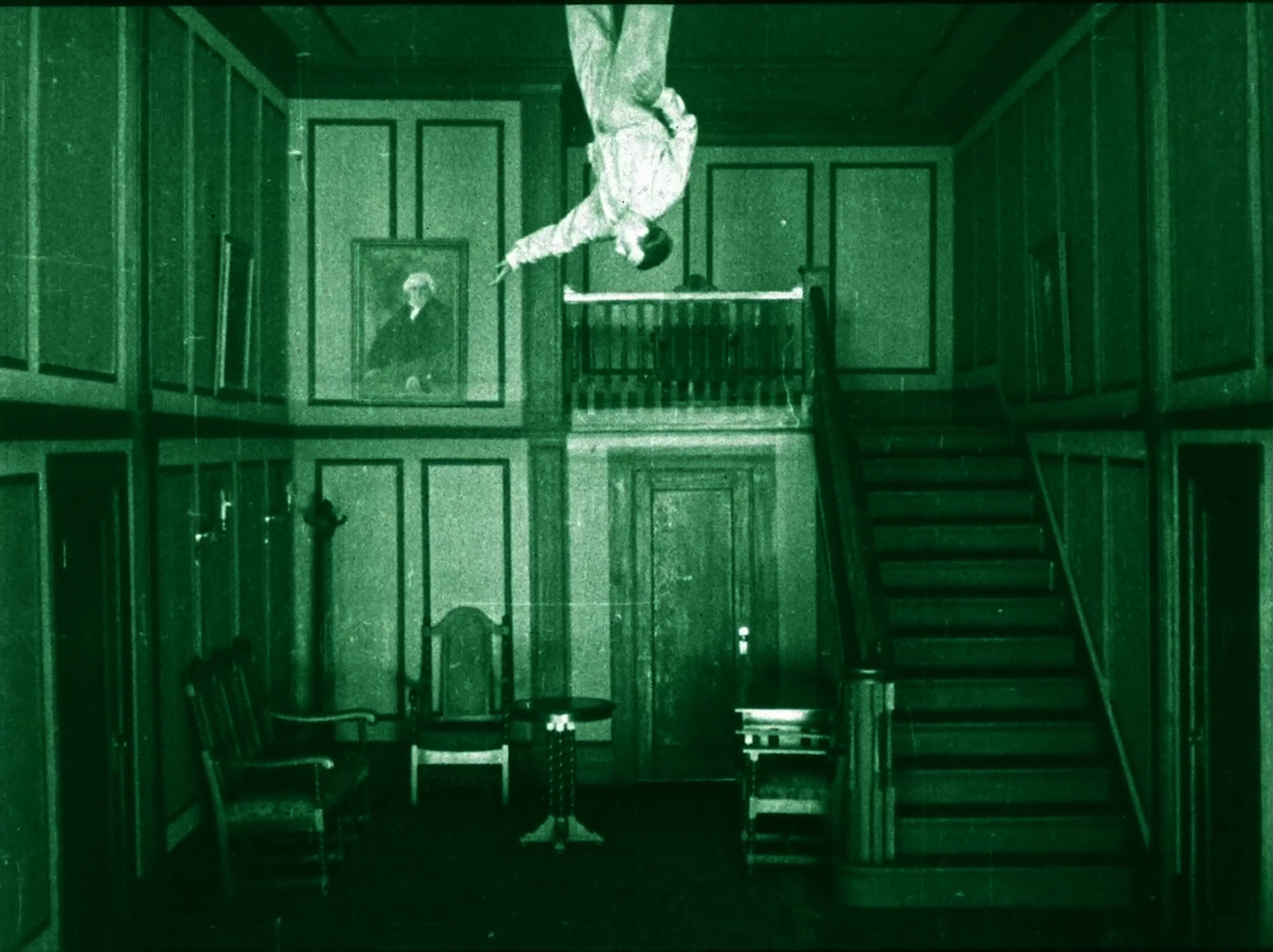
Softened up, we settled into the Woody Allen fever dream that is When the Clouds Roll By (1919), the first item in the much anticipated Victor Fleming retrospective. Dancing vegetables! Douglas Fairbanks walking on the ceiling! Fairbanks is astonishing in this one: vibrant and funny and handsome and romantic and mad all at once – and the film is shot with humour and ingenuity and bags of style. Plus, I cared about all the characters, despite the ludicrous story – the superstitious mania shared by Fairbanks and his lady-love was cute and quirky rather then maddening as it would be in real life. It is a real cutie this picture – come for the famous dream sequence and stay for Dougie’s magnetic personality.

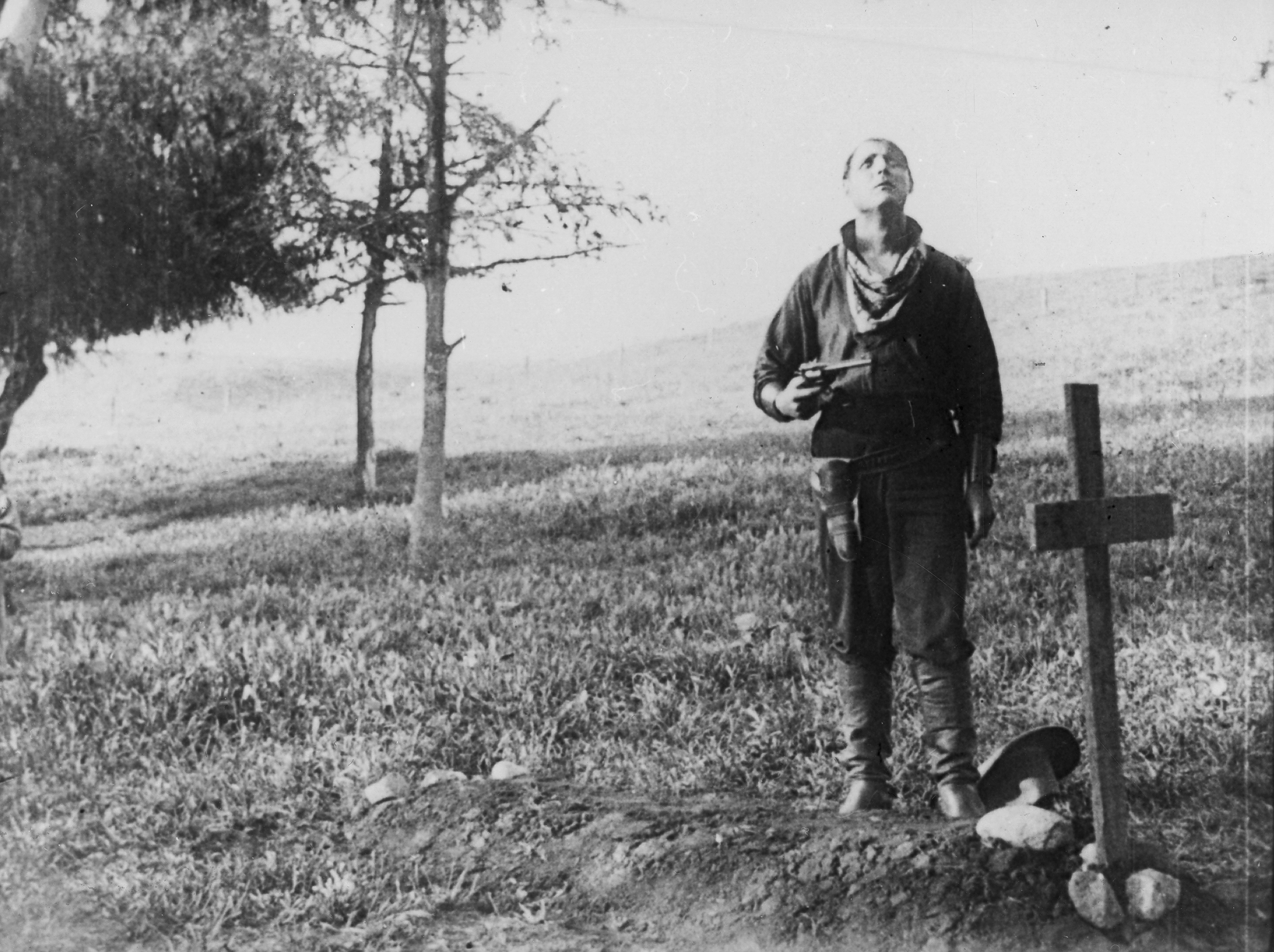
THE RANCHMAN’S VENGEANCE (US 1911). Collection EYE Filmmuseum

After Fairbanks, only the most masculine of movies could satisfy the Verdi audience, so a grab-bag of six westerns scratched the itch perfectly. These were a little rough and ready at times (just how we like em, eh?) but this was no endurance feat. These early westerns may have the slenderest of plots, are sometimes crudely performed and oddly staged, but they have a dynamism that’s hard to resist. And there were touches in each film (a desperate proposal on a playing card, for example) that made them irresitibly human. This programme flew by. It was like being the despatch rider in Saved by the Pony Express (1909) leaping on to a new horse as soon as one tired out. That would make Allan Dwan’s The Poisoned Flume, the wild stallion of the bunch … which is a fair shout. As Richard Abel points out in the Giornate catalogue, the irrigation of California would prove contentious on film right up to Chinatown and this is a captivating revenge drama, where the devil really was in the details. Continue reading Le Giornate del Cinema Muto 2015: Pordenone post No 2

Le Giornate del Cinema Muto 2015: Pordenone post No 1

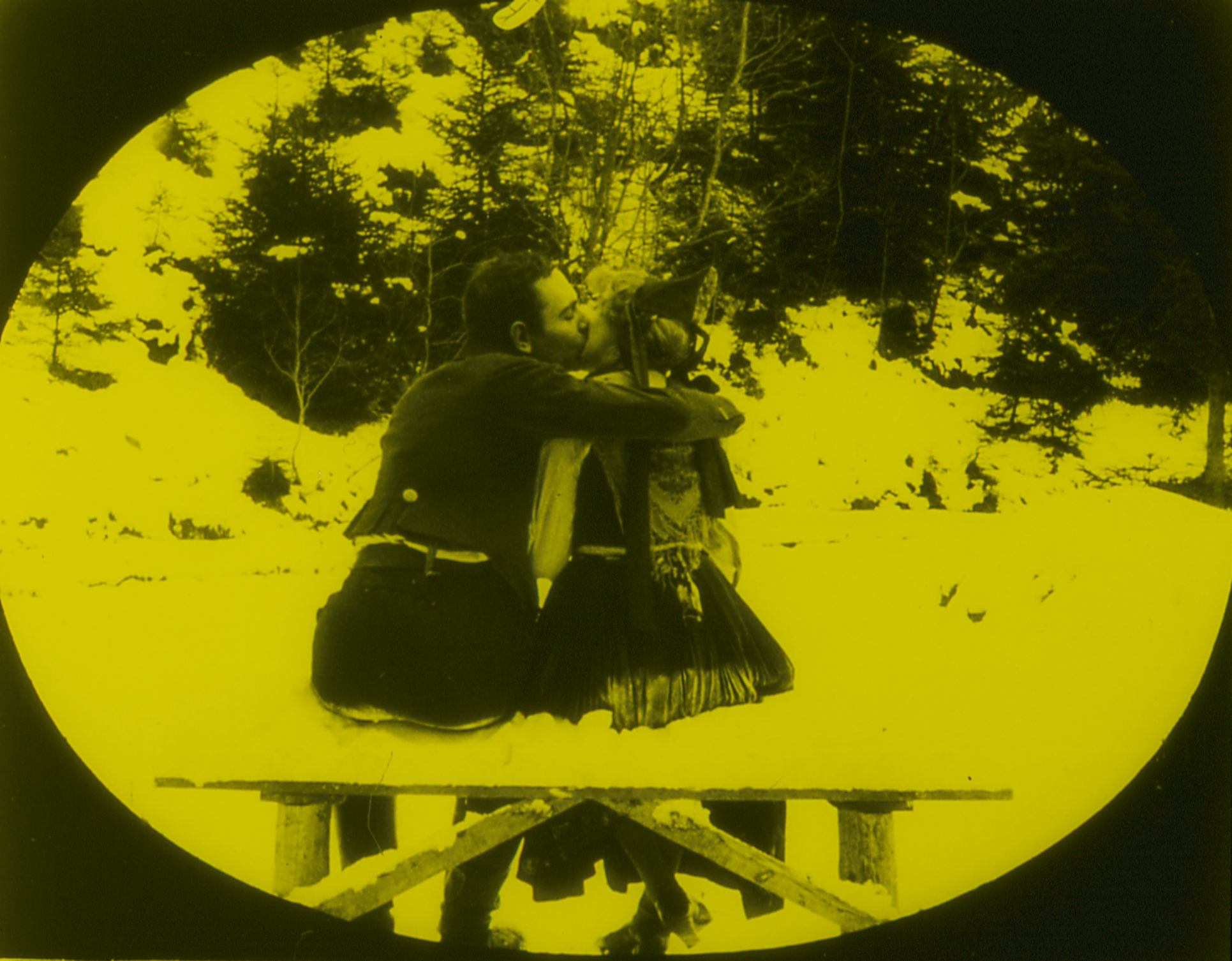
Romeo und Julia im Schnee (1920) Filmarchiv Austria, Wien

The town was like a loaded gun, needing only a spark to set it off – Victor Hugo, Les Misérables

“It’s the last time I shall say it, so I shall say it,” began David Robinson, introducing what is surely not his final Giornate, but the last over which he will preside as artistic director. The Robinson era will close with the 34th Giornate del Cinema Muto, which looks on paper at least as if it will be a very special festival, with a jewel-studded programme. And he hands the baton to the surest of hands: the marvellous Jay Weissberg of Variety, who joined him on stage tonight by way of introduction, and performed as Robinson’s personal interpreter too. We said another goodbye on Saturday evening  – this festival will be dedicated to the memory of one of its staunchest supporters, Jean Darling, who passed away in early September. A snippet of her singing Always at a previous festival began our gala evening, as Robinson took to the stage to say… what was it? Ah yes. “Welcome home!”

But before we get to the gala, and the speeches and the changing of the guard, we have a full afternoon of films to catch up on. Fasten your seatbelts, fellow Pordenauts*, we’re going on a journey.

Our world tour began with trip to Berlin – this was not classic Symphony of a City territory mind, but a visit to Gypsy Berlin – from the camp to the racetrack to the streets. Terrifying to think what lay in store for the people featured in this film, Grossstadt-Zigeuner (1932), but it was a true gem, directed by the Constructivist Laszlo Moholy-Nagy with great verve and edited with playful intricacy. Despite its many stylistic flourishes, it’s a warm, humane portrait, and served as an excellent introduction to the main feature in this afternoon’s bill from the Other City Symphonies strand. The longer film was a document of Chicago, made by a German film-maker Heinrich Hauser in 1931. Weltstadt in Flegeljahren. Ein Bericht uber Chicago (A World City in its Teens. A Report of Chicago) carried itself at an unexpectedly relaxed pace, puttering up the Mississippi on a paddle steamer for the longest time before reaching the metropolis, and even then, we moved slowly, until the film suddenly discovered the residents of the city. It was heartbreaking to see the poverty caused by the Great Depression, etched in the faces of men being turned away from labour exchanges. When workers unloading banana boats at the dock empty the rotten fruit into the river, another group of men in row boats appear to scoop them out of the water. Elsewhere in the city, too, on the south side in the streets largely populated by African Americans, on the lake beach bursting with sun worshippers, Chicago was defined by its people, not its towering skyscrapers. Hats off too to Philip Carli, for fantastic piano accompaniment for both films.

Continue reading Le Giornate del Cinema Muto 2015: Pordenone post No 1

Accidentally Preserved Vol 3 review: a lost world of laughter

Accidentally Preserved Volume Three. Copyright: Ben Model
Wanted: A Nurse, Accidentally Preserved Volume Three. Copyright: Ben Model

If films can be accidentally lost, then it stands to reason that they can also be accidentally preserved. Doesn’t It? Silent film musician slash historian Ben Model certainly thinks so. This week he released the third DVD in his Accidentally Preserved series: a compendium of short silent comedies, fished from obscurity, with brand new musical scores by Model himself.

You shouldn’t expect to find the big four (or five? or six?) of silent comedy in these discs. Accidentally Preserved is for fans who want to delve a little deeper into the world of silent comedy, and spend a little time with lesser known names such as Al Christie, Jay Belasco, Malcolm “Big Boy” Sebastian or Sidney Drew.

Accidentally Preserved Volume Three. Copyright: Ben Model
The Whirlwind, Accidentally Preserved Volume Three. Copyright: Ben Model

First the science bit. The overwhelming reason that most silent films are lost is that they were reels of nitrate film, which were either mislaid and left to decay (nitrate decays terribly), destroyed in a fire (nitrate is also inconveniently flammable) or recycled to use for another movie or even melted down to make plastic goods. Neglect could mean a death sentence. 

The films that Model is releasing are from private collections of 16mm movies. These are silents that were printed on safety film stock (as the name implies, much less fragile that nitrate) mostly for home movie rentals. The 1930s and 1940s equivalent of Netflix being a 16mm projector and a subscription to a rental service. Some of the AP films were transferred to more stable stock for other reasons – for example, for rerelease or TV broadcast. 

Model hasn’t, by and large, restored these films, but rescued and scored them. And reinserted intertitles where necessary. That’s no mean feat in itself, and of course it means that via the Accidentally Preserved DVD releases, and Model’s YouTube channel,we get to see movies that we might never even have heard of.

Accidentally Preserved Volume Three. Copyright: Ben Model
No Vacancies, Accidentally Preserved Volume Three. Copyright: Ben Model

So what of the films in volume three? After the Drew/Barrymore season at Pordenone last year, the sight of Sidney Drew and his “missus” in Vitagraph’s Wanted: A Nurse (1915) was like greeting an old pal. This is the slightest of comedies, with Drew malingering in order to gain the attentions of a pretty nurse, but he is such a great comic actor that it works, for just as long as the running time allows.

I was also especially taken with The Whirlwind (1922), a sort of low-rent Steamboat Bill Jr (1928) in which a tornado howls into town causing havoc, especially in the residents’ love lives. The child actors in this one are particularly effective. And if you like them, you’ll love Malcolm Sebastian’s turn in Hot Luck (1928), in which the young scamp gets up to mischief with his pet dog, as per, or the poor infant in Whose Baby? (1929) rescued from an onrushing tram by Arthur Lake in his familiar role as Dagwood Bumstead.

Continue reading Accidentally Preserved Vol 3 review: a lost world of laughter

17 signs that you’re a silent film hipster


  1. You were into films before they were cool.
  2. You hate the fact that you secretly liked The Artist.
  3. Ladies: other people think you have bobbed hair, but you know it’s a shingle. Chaps: you know you could totally rock a moustache.
  4. You start a conversation about Harrison Ford, but you get confused when someone mentions Indiana Jones
  5. You left Instagram when it ditched its square-pictures-only rule.
  6. People ask you what your favourite movie is and you say you’re sorry, but they’ve probably never heard of it.
  7. You only have a TV so you can watch your Criterions.
  8. You drink Mary Pickford cocktails out of a jam jar.
  9. Your favourite thing about the last silent film you watched? The intertitle font.
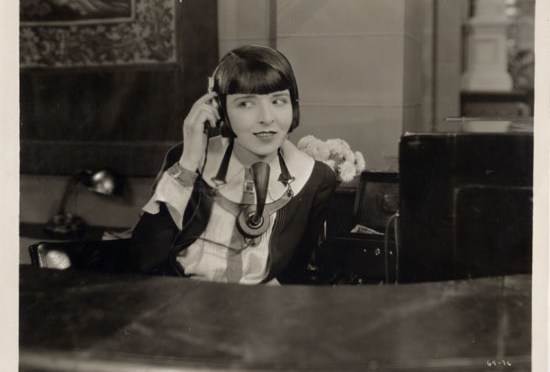
  10. When people tell you they haven’t seen a Colleen Moore picture you can’t even.
  11. Your favourite beer is G W Pabst Blue Ribbon.
  12. You love Douglas Fairbanks, but only ironically.
  13. When people ask who was the greatest silent comedian, “Keaton or Chaplin?”, you raise a disdainful eyebrow.
  14. You keep trying to make “talkies” a popular phrase among your friends.
  15. Any film made after 1916 is just too mainstream for you.
  16. You have a great vinyl collection, but it’s all Vitaphone.
  17. You can’t get into “Netflix and chill” because the silents selection is just so limited.

Marion Davies

Searching for the new Rudolph Valentino

Rudolph Valentino
Rudolph Valentino

As the nights draw in, the BFI is offering something to keep us warm and purring with satisfaction. The institute’s blockbuster season for 2015 is Love, a celebration of everything sexy, sentimental and swooningly romantic. It’s a capacious theme, but a winning one. For myself, I am never happier than when I am sobbing my heart out at an old film.

You’ll be glad to hear, however, that I managed to restrain myself on Tuesday morning, at the official press launch for the season, which offered a whirlwind romance with the history of love on screen, from GA Smith’s A Kiss in the Tunnel (1899) to Brief Encounter (1945) to Trainwreck (2015). The BFI’s Rhidian Davis gave the presentation, which was a real joy, but his love train hit a bump when he arrived at the modern romcom. Judd Apatow’s growing influence over the genre was, he said, as if the little boys who wince when film stars start kissing are now directing the love scenes themselves. Modern romance is drowning in irony, and Seth Rogen is no Hugh Grant, he lamented.

That sounds about right – but I hope it’s not true. Perhaps this is just nostalgia, I thought, crossing my fingers. Maybe we never get over our first screen crushes, or could it be that old age knocks the corners off our screen romances, making vintage affairs seem more universal? Romance has been declared dead before, in fact. I have written a chapter for the BFI Love compendium, all about romantic films in the silent era – and believe me, at the dawn of the 1930s, plenty of critics believed that synchronised sound had murdered the art of love on screen.

The question that really made me channel my inner Carrie Bradshaw, with a winsome tilt of the head as I pushed open my laptop, arose at the Q&A afterwards. Jenni Murray was the chair, and her panellists perched on Mae West pout sofas were the BFI’s Davis and Laura Adams, director Mike Newell and screenwriter Tess Morris. It was Murray I think, who asked: where are the new Valentinos? The panel was stumped. Do we even, they pondered, need Rudolph Valentino any more?

For many a silent film fan, that’s a terrible question. Who could live without Valentino? Who would want to? Certainly, when he died young, hundreds of young women famously felt unable to carry on. For many a cinephile full-stop, the thought of a world without a Valentino figure is a glimpse of a hideously barren future. If we agree that the cinema taps into our collective subconscious, then where would our dreams be without a dream lover? Won’t anyone ever seduce us, and leave us breathless again?
Continue reading Searching for the new Rudolph Valentino

British Silent Film Festival 2015: Leicester letter No 4

Tell England (1931)
Tell England (1931)

There are two ways of looking at Sunday’s programme. You might glance at the listings and say: “it’s the last day of the festival, the films finish early, it’s all winding down.” But if you were there with us, watching these films, you’d know different. Sunday at the BSFF offered a big finish, with three feature films shown: one of which was a gem, and two of which were genuine masterpieces. And there was plenty more besides.

Shall I begin with a confession? Reader, I slept in. And those extra zeds were delicious, but I did regret missing Bryony Dixon’s presentation on Gallilopi, a curtain-raiser for the screening of Tell England (1931) that was to follow.

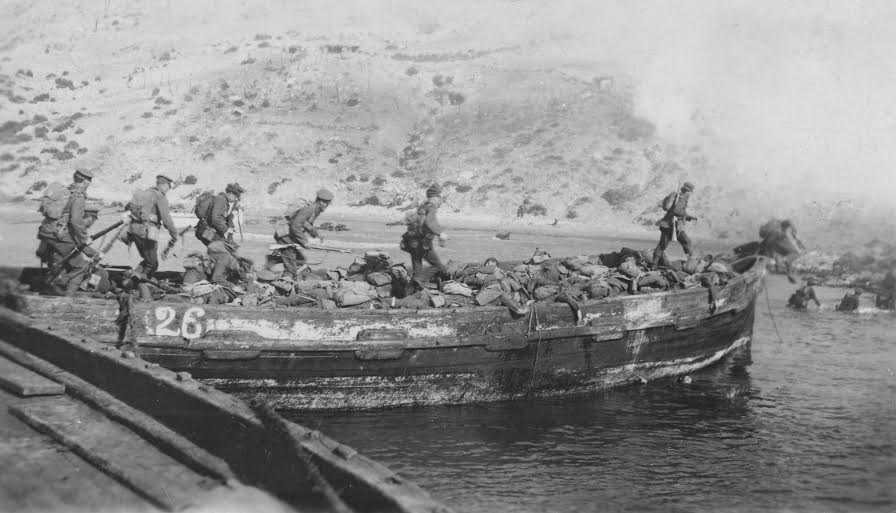
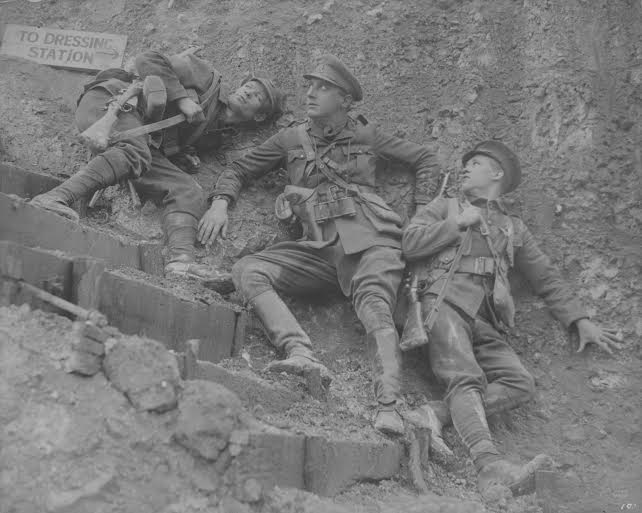
However, Tell England was a rousing start to the day – you couldn’t ask for better. We have been on a journey with these early sound films over the weekend – from the stumbling first steps of Dark Red Roses et al, via two beguiling movies on Saturday, to this, a real masterpiece. We were warned that the soundtrack was not of good quality, but really, it was not a problem. In fact, for every mishandled piece of dialogue here, there was a sound collage that did credit to co-directors Anthony Asquith and Geoffrey Barkas. And I suppose it does help that the actors offered a parade of perfectly clipped RP accents. Asquith and Barkas fold silent film-making techniques into their exploration of sound cinema – making this a bold and visually exciting war film. Tell England follows two young heroes (Tony Bruce and Carl Harbord) from their public school in divine middle England to the trenches of Gallipoli where the horrors of war and their duties as precociously promoted officers weigh heavy on their hearts. While the characters speak with traditional English restraint and understatement, the film whirls around them to show the physical violence of warfare (with mortar shells whirring and crashing on the soundtrack), and its psychological toll too, on the soldiers themselves and Fay Compton as a distraught mother almost driven mad by grief and fear. Not a documentary record of Gallilopi, although its vivid beach landing scenes are often cut up and used in factual programmes, but a fine dramatic film that would ideally be more widely available. So, insert a snide remark about the talkies catching on here.

After lunch, a commercial break, as the BFI’s Steve Foxon gave us a  guided tour of screen advertising, from Edison’s short 1890s clip promoting Dewar’s whisky, to a bouncy Halas & Batchelor cartoon tribute to Kellogg’s Cornflakes in the1940s. All good fun, and the sort of presentation that provokes many more questions in the coffee break afterwards. Early screen advertising is both very different from and so similar to modern examples, with detergents cleaning whiter, and making easy work of tough jobs, as well as twee poetic tributes to the English countryside and even celebrity endorsements. And of course you can’t believe that anyone fell for these tricks. But we all do.

Continue reading British Silent Film Festival 2015: Leicester letter No 4

British Silent Film Festival 2015: Leicester letter No 2

Not For Sale (1924)
Not For Sale (1924)

Get it together, people! We’re only on day two of the festival and it seems a collective mania has already descended. Call it camaraderie, call it cinephilia, call it cabin fever, but there was a feverish mood on Friday, for sure. I won’t criticise something that I admit I was part of but we should all know that somewhere the ghost of Ivan Mosjoukine is raising an immaculately painted eyebrow in our direction. He’s judging us, but silently, of course.

So the residents of Leicester may have heard wicked cackles emanating from the Phoenix art centre on Friday morning, because there were laughs a-plenty to be had, for the right and wrong reasons both. Forgive me for taking the films out of sequence, but I would like to introduce you to the second film first.

As I took my seat for Not For Sale (1924) I was whispering under my breath “Please be good, please be good …” And it was. This film is an out-and-out joy, with a classically British delicacy in its sentiment, humour and satirical bite. Those good vibes I was sending out were partly due to sisterly pride: the script is by Lydia Hayward, who wrote the H Manning Haynes adaptations of WW Jacobs stories that have so delighted previous iterations of this festival. I suppose I wanted a little more proof that she was crucial to their success. And Not For Sale, which is adapted from a novel by author and journalist Monica Ewer, provided it. This is a charming comedy, with an elegant structure, strongly written characters, sharp dialogue and yes, even a skein of feminism woven into its fabric. Toff Ian Hunter is slumming it in a Bloomsbury boarding-house run by the kind-hearted Anne (Mary Odette), and they fall in love … gradually. But when he offers a proposal, sadly he shows he has not left his old world and its shoddy values behind him. The central couple are adorable, but it’s the supporting characters (Anne’s lodgers, her rascally little brother and her theatrical sister) who make this a real ensemble treat. Plus, we had beautiful piano accompaniment from John Sweeney, so we were feeling incredibly spoiled. It boils down to this: the plot is preposterous but the characters, by and large are not, and so it has a grace and a truth often absent in romcoms …

The Rocks of Valpre (1919)
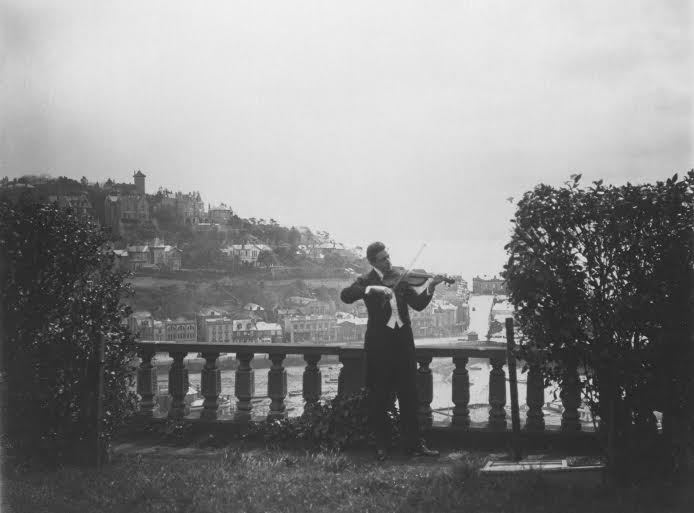
Or romantic dramas, such as today’s opening act The Rocks of Valpré (1919), a Maurice Elvey directed adaptation of an Ethel M Dell novel. The plot, the characters and even the location (Torbay doubles for coastal France) were all preposterous here. I couldn’t really understand anyone’s motivation: it was all rash promises, damaging misconceptions, wild coincidences and needless noble sacrifices. Nice to see Basil Gill again, here playing a younger man: one with a “European reputation” who “has an intimate knowledge of men” and who still gets the girl at the end of the story. Certainly it’s pretty, but not enough to distract me from the flaws I am afraid. I chuckled, and I sighed. Fair play to Elvey – this is the only existing film from his Stoll period, when I am reliably informed he was “churning them out” out a rapid pace and the problems in the film do mostly stem from the source novel. Still, it’s enough to make one throw one’s violin off the terrace and fall into a swoon, it really is.

Continue reading British Silent Film Festival 2015: Leicester letter No 2

British Silent Film Festival 2015: Leicester letter No 1

The Guns of Loos (1928)

Comfort zone be damned. Here I am in Leicester, an hour or so north of the Big Smoke and the first movies that the British Silent Film Festival chooses to show are all talkies … OK, OK I am not going to pretend that they are a novelty to any of us, but kicking off the festival with early British sound films seemed initially to be either a bold move or an acknowledgment that a few of the delegates would still be on the train/in the office at the start of play.

After a day of dialogue films I was desperate for a real silent movie, and Thursday’s finale was worth the wait by any stretch. But more of that anon. While “talkie Thursday” was occasionally grating, it was always fascinating.

Laraine Porter introduced the first two films of the day with a fun whistlestop tour of the British film industry’s transition to sound. She showed us possibly my favourite talkie of the day, Up the Poll (1929), a short political satire featuring Donald Calthrop as a newly elected MP bungling a victory speech that was essentially a string of very funny gags, with “canned laughter” and heckling off-screen. Up the Poll used a combination of synch and non-synch sound, and I’d be intrigued to know whether the balance was as it seemed, ie synch for Calthrop and non-synch for everything else. I assume so, which is usually a dangerous move …

The W Plan (1931)
The W Plan (1931)

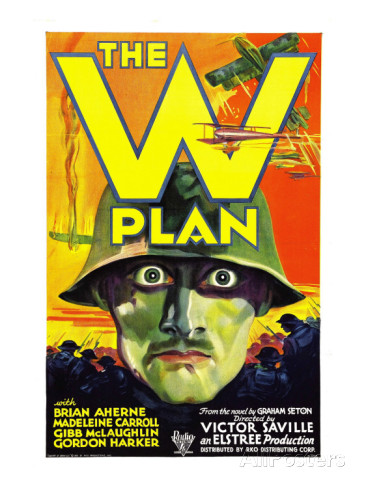
Porter also introduced our first feature, an ambitious war movie starring Brian Aherne and Madeleine Carroll called The W Plan (1930). At first it seemed that this one just wouldn’t catch fire, lots of awkward pauses and odd emphases, but boy did it start to blaze when Aherne was on the run in enemy territory. Punching German officers, hallucinating during a firing squad, leading a team of POWs to sabotage an enemy plan using a not-so elaborate code based on whist … Aherne was a dashing hero in a strange and exciting movie. Shame about Carroll – perhaps she will get another chance to show us what she can do.

After lunch, Geoff Brown took to the stage with a massively entertaining, not to mention informative, presentation on, yes, the first British talkies made in 1929. Was Blackmail really the very first? You can guess that the answer is both yes and no, can’t you? Yes, it was first to be released, but it had far less synch dialogue than its main rival High Treason, so go figure. Hitchcock v Elvey: fight! More interesting than the lead question was Brown’s exploration of those first homegrown talkies, which were a rather rum bunch. We went in for melodrama and thrillers, as a nation, it seemed, where the US favoured musicals and such. So these films, many of which we saw clips from, were a heady brew. Miscegenation and damp rot featured in White Cargo; a murderous epileptic led To What Red Hell. It made one long for the simpler pastoral pleasures of Under the Greenwood Tree, or Elsa Lanchester larking about on the old joanna in Mr Smith Wakes Up! 

Continue reading British Silent Film Festival 2015: Leicester letter No 1

The Ring: Alfred Hitchcock’s love of the fight

The Ring (1927)
The Ring (1927) Source: BFI

This is a guest post for Silent London by Neil Brand, writer, composer, silent film accompanist and TV and radio presenter. Brand will accompany a screening of Alfred hitchcock’s The Ring at the Royal Albert Hall on 4 October 2015

The Ring is the only Hitchcock movie scenario that Hitch wrote himself. His highly regarded screenwriter Elliott Stannard, Hitch and Alma, his wife plotted it out together, inventing wonderful visual set-pieces such as a sideshow boxer’s rise through the ranks shown as changing fight posters over the months and the leading character’s Othello-like jealousy growing throughout a drink-fuelled dinner party.

Lillian Hall-Davis in The Ring (1927)

Lillian Hall-Davis arguably precedes Anny Ondra as Hitch’s first sexy femme fatale, particularly in this film, in which she loses her head to boxing beefcake Ian Hunter despite marrying genuine athlete Carl Brisson, who is forced to fight for his wife’s affections.

I first scored this film over 10 years ago for a small jazz ensemble and have always loved its daring, its cheeky vivacity and the physicality of its fight scenes. But where did Hitch’s love of the fight game come from, and what does this eccentric film tell us about its creator?

Continue reading The Ring: Alfred Hitchcock’s love of the fight

Your silent cinema shelfies – in pictures

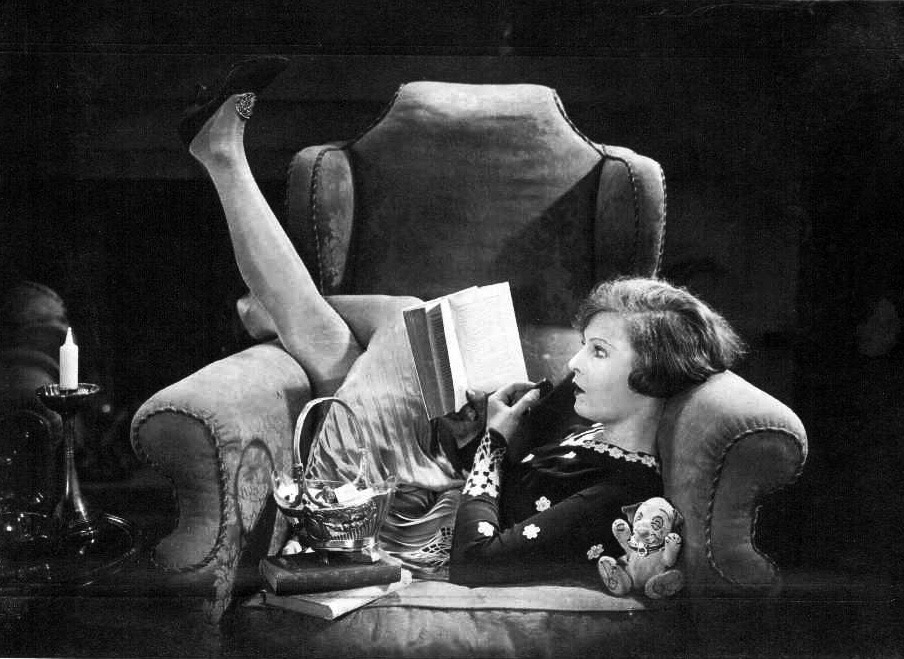
Clara Bow
Clara Bow

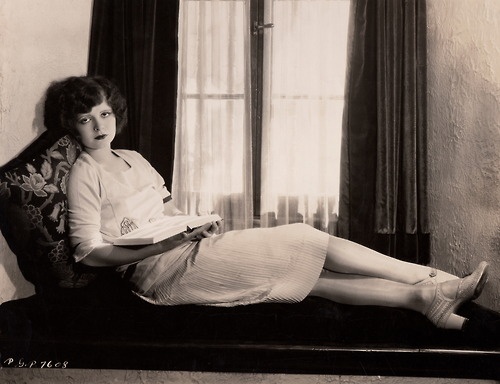
Gosh you lot are incredibly well read, aren’t you? After I shared my little silent cinema shelfie a week ago, many of you returned the favour – and now I am suffering from serious library envy. It’s all to the good though – nosing through other people’s bookshelves is one of my favourite vices. And the same goes for many of you, I suspect.

Themes emerged in each bookshelf portrait – quite a few of you are devoted to silent comedy above all else, one of you has a grand passion for Rudolph Valentino, some bookshelves were adorned with figurines of favourite film-makers, and more or less everybody had a copy of The Parade’s Gone By…

Take a spin for yourselves:

https://twitter.com/TownlyCooke/status/638421289095589888

Continue reading Your silent cinema shelfies – in pictures

Don’t miss the British Silent Film Festival

High Treason (1929)
High Treason (1929)

Are you currently perched on a plump suitcase, train tickets in hand, perusing the Leicester Phoenix listings and counting the days on your fingers until the British Silent Film Festival begins on Thursday? Well why not?

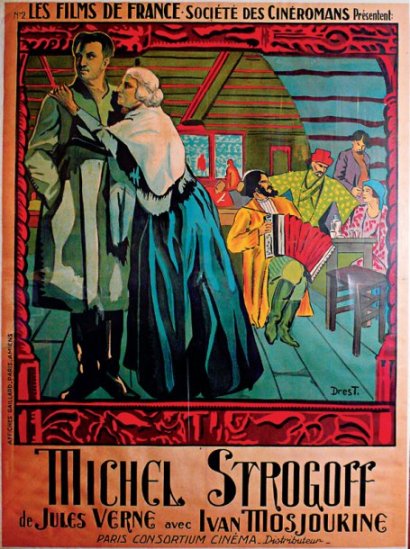
The four-day event is nearly upon us, and this is your friendly reminder to get your gorgeous selves to Leicester next weekend for some hot silent film action. This year the festival is back in the city of its birth, and most of the films will be shown at the Leicester Phoenix cinema and art centre. The schedule is out now, and the selection looks fantastic, with everything from rare historical footage of the sinking of the Lusitania to a programme devoted to Buster Keaton; the splendour of Michel Strogoff starring Ivan Mosjoukine and the antique charm of early screen advertising. If you read Charles Barr’s recent Hitchcock Lost and Found, you’ll no doubt be intrigued that a film the young Master of Suspense worked on that had previously been thought lost, Three Live Ghosts (1922) has been unearthed in a Russian archive and will play at this year’s festival.

Michel Strogoff (1926)

There is a focus on the transition to sound in Britain, so there are some early talkies in the mix as well as the silents, and there are fancy-dan screenings in the evenings, with the chance to hear brand new scores by some of our favourite musicians.

Continue reading Don’t miss the British Silent Film Festival

London Film Festival 2015: a silent preview

Shooting Stars (1928)

Surprises can be fun, but maybe, when you’re stumping up for film festival tickets say, it’s good to get what you really wanted. The silent movies on offer at this year’s London Film Festival may not contain any unexpected treasures, but they do comprise some of the year’s most anticipated restorations, so let’s fill our boots. Our only reservation is that a few of these silent screenings do clash, so choose your tickets carefully.

Variety (1925)
Variety (1925)

Variety (1925)

Well don’t I feel a little less sick about missing this new restoration of EA Dupont’s romantic drama at Bologna? Emil Jannings, Lya De Putti, that woozy unleashed camera … you know this is going to be a treat. Variety is a highlight of Weimar cinema, and deserves to be seen at its shimmering best. It’s screening just once at the festival, in NFT1, so make sure you’re there. The word from those who have seen the new 2k resto already is: the print is gorgeous, but there is less enthusiasm for the new score, from the Tiger Lillies. No such worries for us cockney sparrows, who will have the pleasure of Stephen Horne’s assured accompaniment.

The Battle of the Century (1927)
Stan and Ollie in The Battle of the Century (1927)

The Battle of the Century (1927)

You might have heard a whisper about this one. The rediscovered second reel of Laurel and Hardy’s The Battle of the Century makes the film almost entirely complete – and essential viewing for fans of Stan and Ollie. Enjoy it at the London Film Festival with three more L&H shorts for company and musical accompaniment from messrs John Sweeney or Stephen Horne, depending on which of the two screenings you attend. Bear in mind, if you’re not heading to Pordenone, that the first screening is a full 24 hours before it plays at the Giornate – could this be a world premiere of the restoration?

Sherlock Holmes (1918)

Sherlock Holmes (1918)

Benedict Cumberbatch is all very well (very well indeed if you ask me), but if any actor could lay claim to the “definitive” Holmes, it was William Gillette. And for many a long year, the film that committed his stage performance of the gentleman detective to celluloid was thought to have vanished in the night. An elementary mistake, Dr Watson – the film was rediscovered at the end of last year and has been prepped for a Blu-ray release and a handful of festival screenings, including this one, in NFT1 on Sunday 18 October. There’s live music from Neil Brand, Günter Bichwald and Jeff Davenport and an irresistible accompanying short, A Canine Sherlock Holmes (1912).

Continue reading London Film Festival 2015: a silent preview

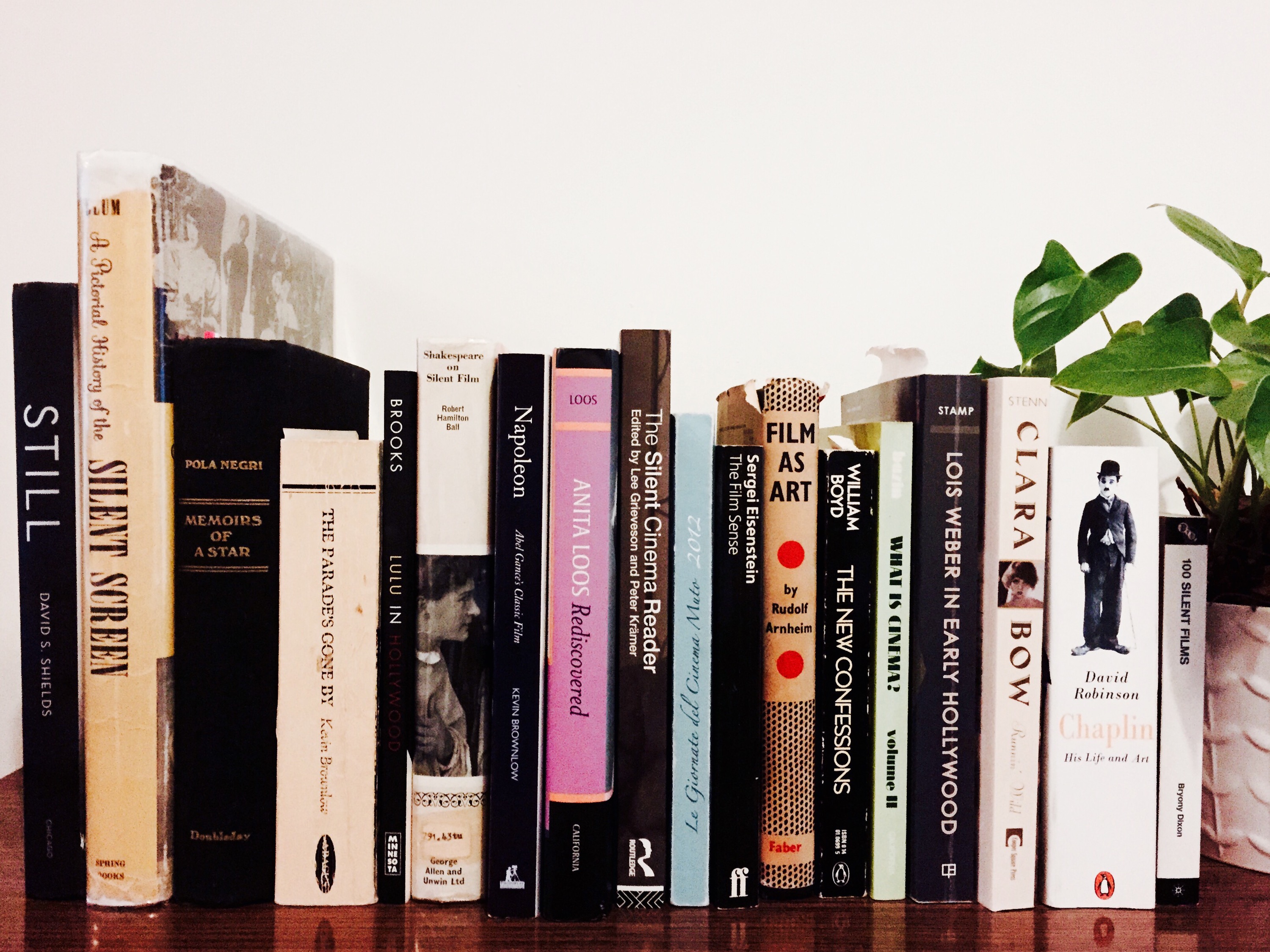
My silent cinema shelfie

  
When I am not watching silent movies, I’m often reading about them. Or writing about them. Or dancing in my kitchen to Taylor Swift, but that’s another matter entirely.

The point is that there are a lot of great and not-so great silent cinema books out there. And I have a few of both. Recently the frequently hilarious Movies Silently blog posted a list of silent film books perfect for beginners, and on the BFI website, Geoff Andrew listed the cinema books he truly loves. Inspired by both those posts, here is my silent cinema “shelfie”. It’s not my full collection, but an edit – a representative selection of the silent film books I have loved, or leaned on. 

A couple of these are books I don’t entirely love (can you guess?), one infuriates me, and many of them I worship wholeheartedly. A few are highfalutin texts I used as a student – and still dip into now. Those are for theory, history and analysis – which are essential. Some satisfy my greed for gossip and glamour – ditto.

You’ll spot a classic picture book, and a new one too. There’s a novel in there, because silent cinema inspires fiction as well as fact, and a list book, although I claim to dislike lists. There’s an autobiography and two biographies, which are all more entertaining than any novel. 

There are two books here by Kevin Brownlow. And the other obvious bias is towards writing by and about women. I wouldn’t have it any other way

The Giornate catalogue stands in for all its erudite siblings, of course. And there’s a recent favourite in there too – which I am evangelical about.

 
Continue reading My silent cinema shelfie

‘O brave new world!’: Silent Shakespeare streaming on the Globe Player

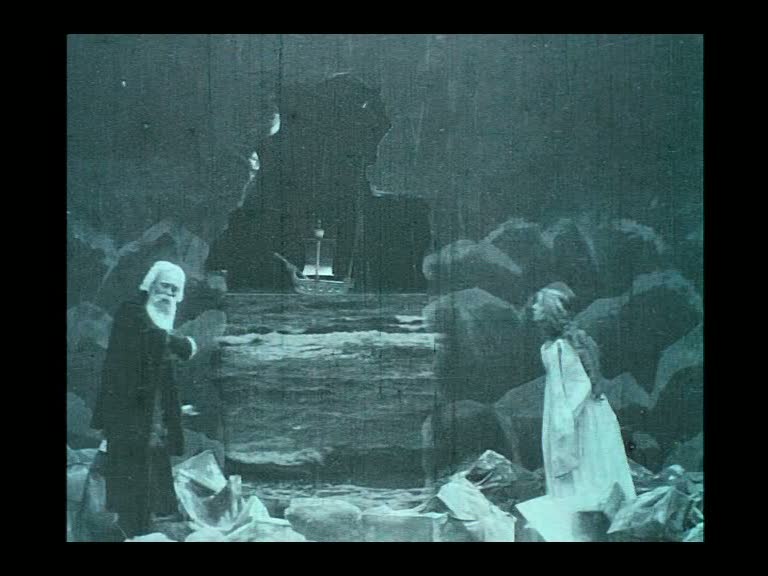
Re Lear (1910)
Re Lear (1910)

I love early cinema in all its wild and strange glory, but there is a special place in my heart for Shakespeare adaptations, especially those earliest examples from the 1900s and 1910s. The British Film Institute produced a video, many moons back, called Silent Shakespeare, featuring wonderful examples of films adapted from Shakespeare’s plays from around the world, dated between 1899 and 1911, with gorgeous scores by Laura Rossi. I loved it. The VHS tape was subsequently rereleased on DVD and is still available from the BFI shop, priced £19.99

Now there is another way to watch these truly gorgeous films – they are streaming on the Globe Player, an online service from the people who run Shakespeare’s Globe on the South Bank in London – just a few yards away from the venue formerly known as the National Film Theatre, but several centuries away in spirit. You can rent the bundle of seven films for £5.99 or buy it outright for £9.99. Here’s the link

The films in the Silent Shakespeare set are:

  • King John (GB 1899 2 min) the first Shakespeare film ever made, released both as a film in variety theatres and as a peepshow Mutoscope on the same day as Tree’s production of the play opened at the Her Majesty’s Theatre, London. 
  • The Tempest (GB 1908 12 min) 
  • A Midsummer Night’s Dream (USA 1909 12 min) 
  • King Lear/Re Lear (Italy 1910 16 min) 
  • Twelfth Night (USA 1910 12 min) 
  • The Merchant of Venice/Il Mercante di Venezia (Italy 1910 10 min) 
  • Richard III (GB 1911 23 min) a condensed version of one of the Stratford productions mounted by the F.R. Benson Company.
The Tempest (1908)
The Tempest (1908)

The glimpse of Herbert Beerbohm-Tree as King John is really something, and the hand-stencilled colours of Re Lear are sumptuous, but I must confess I do have a favourite: the charming, ingenious version of The Tempest, directed by Percy Stow for the Clarendon Company in 1908. It’s just sublime – and Michael Brooke calls it “comfortably the most visually imaginative and cinematically adventurous silent British Shakespeare film”, so I am in good company. Try another of my favourites, the 1911 Richard III on for size. 

Frank Benson had been playing Richard III for decades at this point, and his ease in the role really shows, especially during these haunting scenes from Bosworth field.

This just in from 1915

The Cheat (1915)
The Cheat (1915)

There’s nothing I enjoy more than updating my pals at the Guardian on the movie news of 100 years ago. So today, excitingly, sees the first instalment in a new regular series I will be writing for the Guardian on silent, early and just plain old movies.

The series goes by the jovial name of Silent but deadly! and will appear once a fortnight. The first episode is all about the pivotal cinematic year of 1915, including five recommendations of fantastic centenarian films to watch. You can read it here.

You can keep up to date with the non-Silent London pieces I write, should you care to do so, over here.

The Silent London Podcast: Festivals, firsts, a favourite and Flesh and the Devil

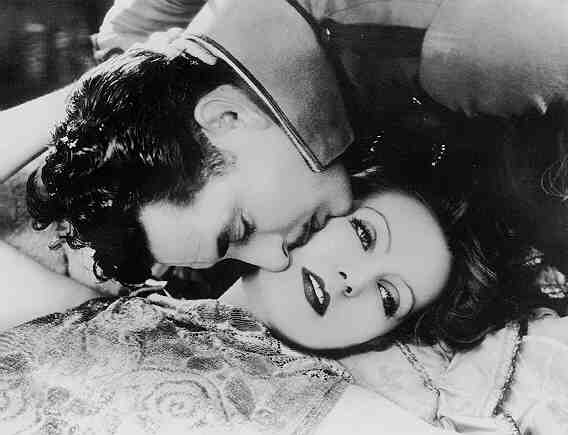
Flesh and the Devil (1926)

Back to the studio for a full-length edition of the Silent London Podcast. I’m joined by Pete Baran to talk about the festival scene, discuss the first silents we ever watched and catch up on the news. We’re joined by London Symphony director Alex Barrett, who tells us about his favourite silent film, The Passion of Joan of Arc, and we preview the British Silent Film Festival as well as reviewing the great Hollywood silent Flesh and the Devil.

We also make inappropriate comments about Greta Garbo, and I get a little bit over-excited about Pordenone. Just another day in the office really.


Continue reading The Silent London Podcast: Festivals, firsts, a favourite and Flesh and the Devil

Shooting Stars announced as the 2015 London Film Festival Archive Gala

Shooting Stars (1928)

Did you guess this one? I must confess I had an inkling. After the BFI’s rightly acclaimed restorations of Anthony Asquith’s other silent features A Cottage on Dartmoor and Underground, his directorial debut Shooting Stars  (1928) is about to take its turn in the key light, at the London Film Festival Archive Gala. On 16 October 2015, in the Odeon Leicester Square, a sparkling new print of this important British silent will screen with a new jazzy score by John Altman. We’ve waited a long time to hear this good news, so now all we have to do is enjoy the anticipation, book some tickets, and cross our fingers that, following previous form, Shooting Stars will also make its way to a theatrical and Blu-ray release before long.

Shooting Stars (1928)

Shooting Stars, which Asquith wrote and officially co-directed with AV Bramble, is, much like his two other silents, a romantic drama in which a love triangle precipitates violence. But this is far more glamorous than the others: it’s a peek behind the scenes of the film biz. That’s a hint of how audacious young Asquith was – his first time in the director’s chair and he was already turning the camera around in the opposite direction. It’s also a clue to how experienced he already was – he had spent time in Hollywood, as a guest of the Pickford-Fairbanks household no less, and toured German film studios as well. He was a leading light of the London Film Society, and had been working at British Instructional Films since the early 1920s. When the infamous “quota” was brought in with the Cinematograph Films Act of 1927, BIF turned to fiction film-making – Asquith, and Shooting Stars, were up first.

Shooting Stars (1928)
Brian Aherne in Shooting Stars (1928)

The film’s director isn’t the only name worth noting. Shooting Stars’ cast includes some notable talent from the British silent cinema: Brian Aherne (High Treason, Underground), Annette Benson (Downhill) and Donald Calthrop (Blackmail) for starters. And if you have never had a chance to see slinky Chili Bouchier do her thing, well aren’t you in for a treat?

Shooting Stars (1928)

Here’s what the BFI has to say about it:

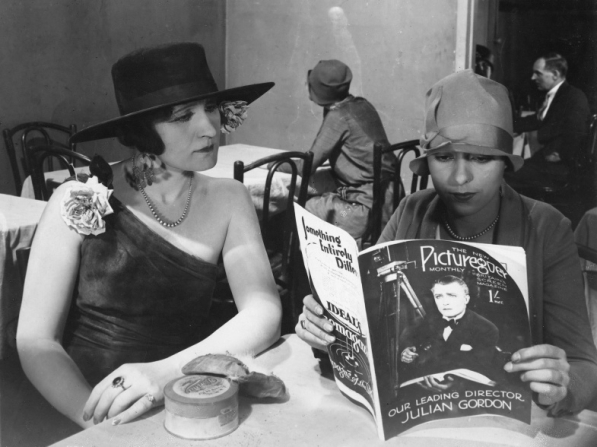
Shooting Stars is a dazzling debut which boasts a boldly expressionist shooting style, dramatic lighting and great performances from its leads. Annette Benson (Mae Feather) and Brian Aherne (Julian Gordon) play two mis-matched, married stars and Donald Calthrop (Andy Wilkes) a Chaplin-esque star at the same studio, with whom Mae becomes romantically involved. Chili Bouchier, Britain’s first sex symbol of the silent era, plays a key role as an actress/bathing beauty, an attractive foil to the comic antics of the comedian. The film manages to operate as a sophisticated, modern morality tale, while it’s also both an affectionate critique of the film industry and a celebration of its possibilities. It teases the audience with its revelations of how the illusions of the world of film-making conceal ironic and hidden truths

Despite the director credit going to veteran director A.V. Bramble, this is demonstrably the original work of rising talent Anthony Asquith, exhibiting all the attention-grabbing bravado of a young filmmaker with everything to prove. His original story offers sardonic insight into the shallowness of film stardom and Hollywood formulas by use of ironic counterpoint. He flaunts his dynamic cinematographic style and upgrades design and lighting by bringing in professionals.

There’s a little information about the score too. John Altman says that his score is “inspired by dance band sounds and Duke Ellington in 1927”, taking its cue from a piece of music that features in the film itself – the popular song ‘Ain’t She Sweet’.

Continue reading Shooting Stars announced as the 2015 London Film Festival Archive Gala

Silent Laughter at the Kennington Bioscope (Plus talkies – yes really)

Girl Shy (1924)
Girl Shy (1924)

UPDATE: I updated this post on 6 September 2015 once the programme for the Silent Laughter festival had been finalised.

Our favourite south Londoners are at it again. Fresh from staging a triumphant weekend-long event in June, the Kennington Bioscope team promise a full day of chuckles with a comedy festival in October. Tell us all about it, Ken!

Programmes include shorts with Charley Chase, Lupino Lane, Laurel & Hardy and others; rare features with Raymond Griffith and Walter Forde  (Britain’s best silent comedian) concluding with Harold Lloyd’s classic GIRL SHY.

Plus special presentations – Kevin Brownlow on his Buster Keaton Thames TV series ‘A Hard Act to Follow’, David Robinson on Laurel & Hardy (whom he interviewed in 1954), including some new discoveries, guests Tony Slide (historian, author, founder of ‘The Silent Picture’) and Matthew Ross (editor of ‘Movie Night’, Britain’s only magazine devoted to silent & vintage comedy).

Here is the final programme – the Raymond Griffiths films is Paths to Paradise (1925) and the Walter Forde title is You’d be Surprised (1930). And I have heard, from the most delightful little bird, that the vegetarian cafe next door will be open for food again, possibly with a special offer for festivalgoers.

Sounds great. The perfect cure for the post-Pordenone blues, Silent Laughter is a one-day event taking place at the Cinema Museum on Saturday 24 October, from 10am-10pm. Tickets will be available from 1 September so bookmark this page now.

Wait a minute, wait a minute …

Yes, you ain’t heard nothin’ yet. The Kennington Bioscope is branching out even further, into the realm of early sound cinema, with a little something they are calling Kennington Talkies. What?

Continue reading Silent Laughter at the Kennington Bioscope (Plus talkies – yes really)

The First Film (2015) review: in pursuit of a cinema pioneer

Louis Le Prince
Louis Le Prince

Would you like to discover the truth – messy, inconclusive and unflattering as it might be? Or would you rather be vindicated by discovering not only were you right all along, but the answer lay close to home, a triumph you could take personal pride in? For any rigorous film historian, there’s clearly a right and a wrong answer to that question. But wouldn’t we all veer a little to the latter option? And might, perhaps, the second denouement make a better movie?

Film producer and former actor David Nicholas Wilkinson would definitely choose the second path. His documentary The First Film records not a search for the origins of cinema, but his quest to prove that Louis Le Prince was its key progenitor. Wilkinson, a proud and dogged Yorkshireman, is on a mission to put Leeds on the early cinema map, by asserting that the Frenchman shot the first authentic moving images in that fair city. Step aside, Messrs Lumiére, Edison and Friese-Greene …

What follows is a meandering, engaging, often bizarre but definitely over-long tribute to two men and their obsessions: Le Prince and his determination to crack the problem of the moving image, and Wilkinson’s devotion to boosting Le Prince.

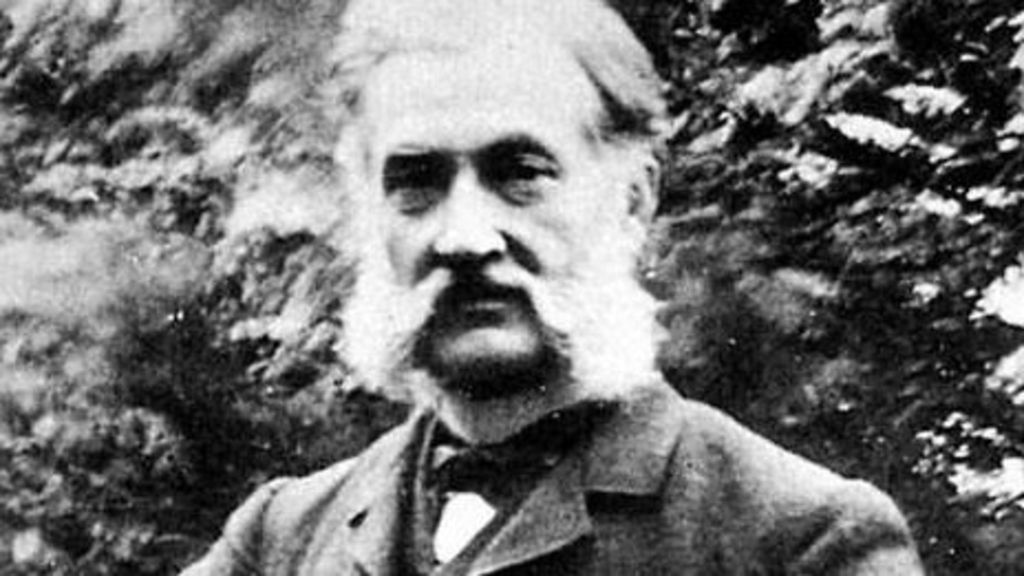
It’s a noble quest, and I applaud Wilkinson for taking it on. Inventor Louis Aimé Augustin Le Prince was born in Metz, France in 1841 but moved to Leeds in 1869 to work in a factory there. After several camera experiments, including a model with 16 lenses, in 1888, he succeeded in creating a moving image. He shot two short scenes, using a single-lens camera on paper film: a view of Leeds Bridge and a gorgeous domestic snippet called Roundhay Garden Scene. As such, he may well have been the first movie-maker, the “Father of Film”, the chap who beat all the rest to the punch. And it happened right here in the UK. We should be proud, and also outraged that other people have taken the credit. Wilkinson already is, more than enough for the rest of us.

Continue reading The First Film (2015) review: in pursuit of a cinema pioneer