First things first – you’re all invited to a bank holiday Monday party! Some friends of mine, based in London’s most happening* postcode of E17 will be unveiling a plaque on 1 May 2017 to celebrate a slice of suburban London’s silent movie history. And you should be there!
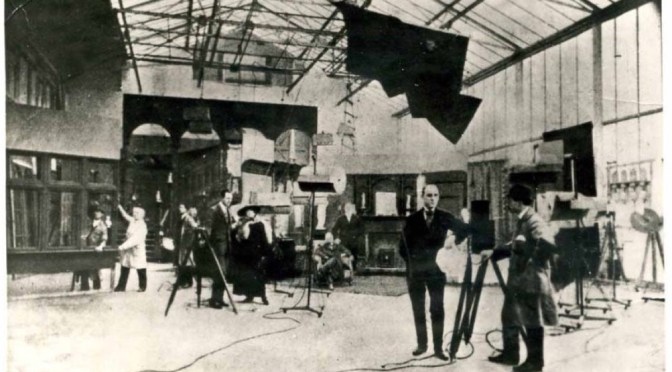
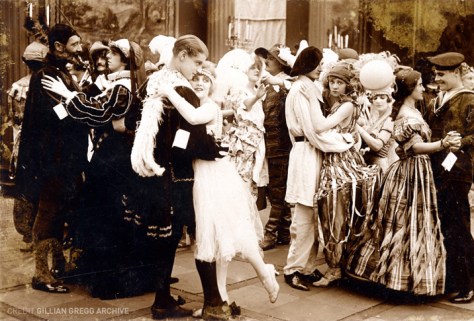
Walthamstow was home to several movie studios in the silent era – Precision, British & Colonial, Broadwest and I. B. Davidson all had their premises on these streets. Why? Because silent film producers loved to shoot in the suburbs, beyond the “fog zone” of central London, where the air was muggy, and apparently the movie-savvy punters would try to get their faces on camera. But they liked to stay close enough to Theatreland that their actors could get back to work after shooting finished.
So on 1 May, actor Paul McGann (who you may know is a bit of a silent film fan) will be unveiling a special blue plaque to mark the sites of the Precision studios, and he says: “I am proud to be associated with this event to give the deserved recognition to the silent film pioneers of the last century.” There will be more plaques to follow, marking the site of each studio.
But before all that, there are plenty of films to be getting on with, and if you’d like to take advantage of a two-for-one ticket offer for the films showing at BFI Southbank in the India on Film season, step this way …
Simply quote INDIA241 when booking on line, in person or over the phone to claim the offer. Only valid for all films and events in the BFI’s India On Film season in 2017.
Please note that this ticket offer does NOT include the Archive Gala.
The first silent morsels that caught my eye in the season are a couple of talks on Saturday 20 May 2017:
The first of those talks concludes with a screening of Raja Harishchandra – a rarely seen film from 1913, and the earliest extant Indian movie. To find out a little more about the making of this film, and early Indian cinema in general, why not read a little feature I wrote for the Guardian in 2013, to mark the Centenary of Bollywood’?
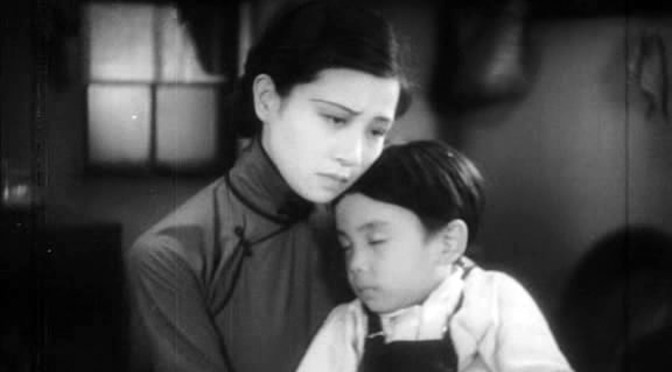
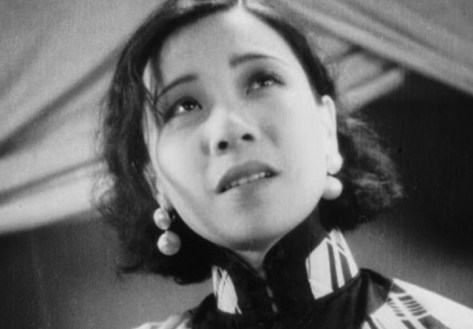
Ruan Lingyu appeared in her first film in 1927, aged 16. In 1935, she took her own life, just over a month before her 25th birthday. In that short time, she had appeared in many Chinese silent films and become one of the country’s best known actresses. Today she is celebrated for her delicately nuanced performances in those films that survive – she has been called the “Chinese Garbo”. However, if you’ve seen Stanley Kwan’s 1992 film Center Stage say, you will also know about the troubles Lingyu encountered, and the events leading up to her shocking suicide.
Lingyu’s private life shouldn’t concern us now, any more than in 1935, but when you watch The Goddess, a stunning Chinese silent film and one of the last she made, it is difficult not to make a link between the actress and the character she plays. Lingyu’s suicide note (which may have been forged) famously read “gossip is a fearful thing”, and her early death came after she had been monstered by the press over her love life. In The Goddess, Lingyu plays another woman devastated by malicious gossip. But it’s important not to take this comparison too far – the chatter of small-minded women is not the worst of her character’s problems.
The Goddess (1934)
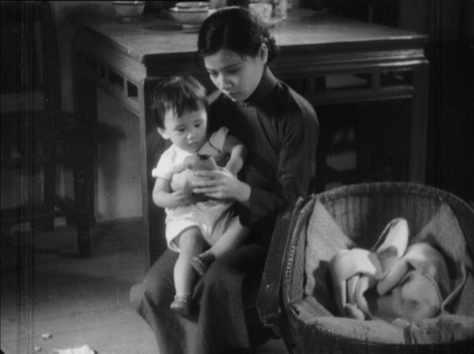
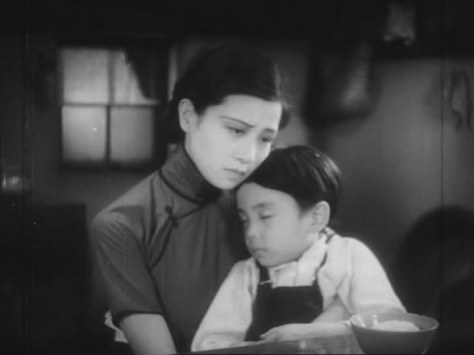
The first thing to know about this film, which is every bit as beautiful and tragic as its star, is that “goddess” was a Chinese slang term for a prostitute, perhaps a slightly ironic one. Lingyu’s character embodies the perceived contradictions in that name: she is a loving mother who supports her son by nightly sex work. The crib is in the centre of her home, and her garish cheong sams are hanging on the wall. The nameless heroine has the misfortune of running into the house of a sleazy gambler, “The Boss”, when fleeing the police one night. From that moment one, her decides to exploit her, taking her earnings on the threat of harming her son. When the “goddess” attempts to send her son to school, the other mothers soon catch on to the way she earns her money, and complain to the principal, which is when our heroine faces the worst crisis of all.
Prostitution was rife in China in the 1930s and The Goddess’s story would not have been unusual. Many women were forced by poverty or trafficking into a career that was both illegal and made them vulnerable to pimps and clients – some of whom might be beasts like the Boss. If they aspired to a better, safer, more respectable life, the taint of sex work could hamper their efforts – which this film illustrates. The Goddess doesn’t feel like a campaigning film, despite a rousing speech made by the school principal, and you may feel let down by the ending. But this is a humane and very moving film – who knows whether it may have changed a few attitudes in its time?
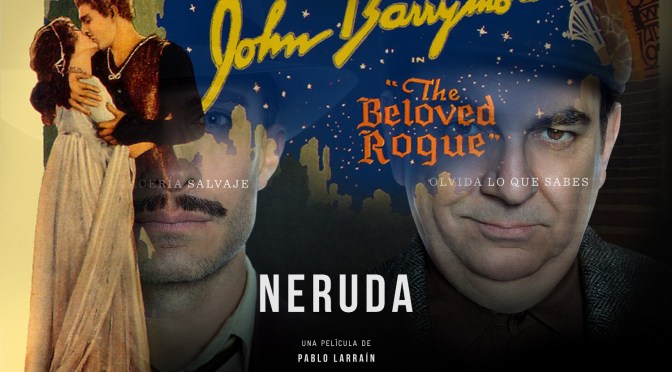
In episode two of the Sound Barrier podcast we wax poetic, with two films about poets – specifically poets in exile. The two films we will discuss – one new release and one silent classic – are Pablo Larrain’s Neruda and The Beloved Rogue (1927) starring John Barrymore. The two films may appear to be very different, but they have a lot in common, as we discover …
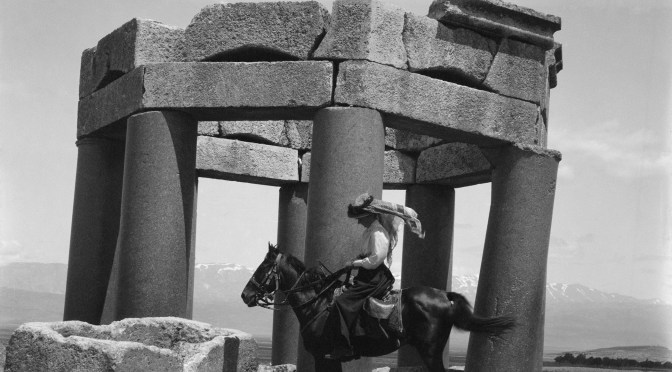
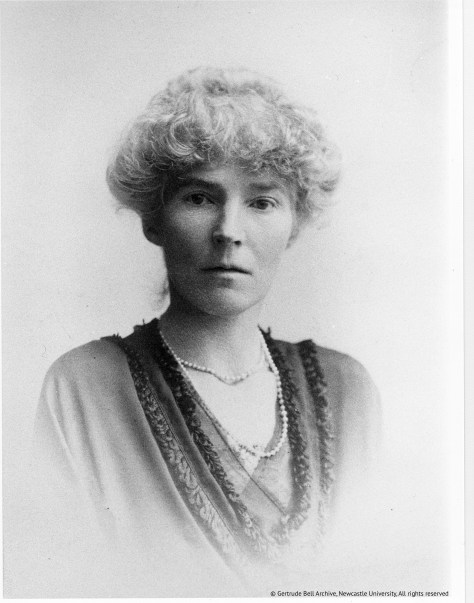
The publicity for compelling new documentary Letters From Baghdad quotes a description of Gertrude Bell as the “female Lawrence of Arabia”. To be strictly accurate, it was T. E. Lawrence, at 20 years her junior, who followed Bell rather than the other way around – first to Oxford, then to the Middle East and into government service. It hardly needs stating that these routes were rather less well-trodden for Bell than for Lawrence, although there is no need to diminish the achievements of either one. Bell’s story, as told in this engrossing semi-dramatised documentary, is that of a pioneer – a woman whose ambitions exceeded the expectations of her class and gender, who experienced bitter personal disappointment but achieved a notable and important career. Although her story has a sad ending, the work she did had far-reaching consequences, ones that are still felt today.
Bell was born in 1868, in County Durham, and raised in Yorkshire. After graduating from Lady Margaret Hall, Oxford with a first in history, she began to travel the world. Initially to Persia to visit an uncle who was a diplomat there, and then around the world indulging a passion for mountaineering. She learned several languages, including Arabic and returned to the Middle East in 1899, travelling right across the region and writing an influential book on Syria. She spent some time working as archaeologist in the Ottoman Empire and also in Mesopotamia, where she first met Lawrence.
Gertrude Bell (1921)
It’s during the war that Bell’s story gets especially interesting, as the British intelligence service recognised her expertise and hired her to assist with their operations in the region. After the war she would continue in the Middle East until her death, later as part of the team drawing up borders of modern Iraq, and after that she was given responsibility for the safeguarding the area’s antiquities.
This is an extended version of a paper that I gave at the British Silent Film Festival Symposium at King’s College London on 7 April 2017. My book on Pandora’s Box (1929) is forthcoming from BFI Palgrave.
***
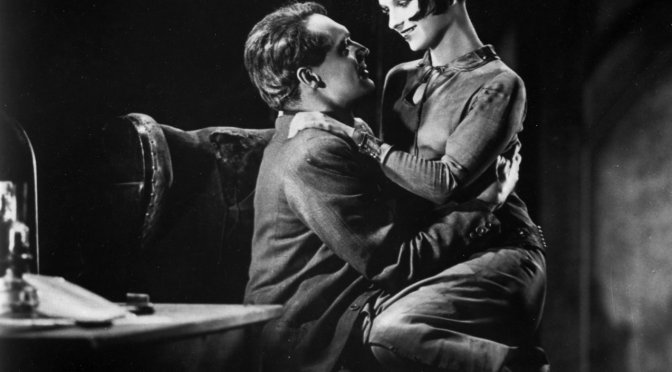
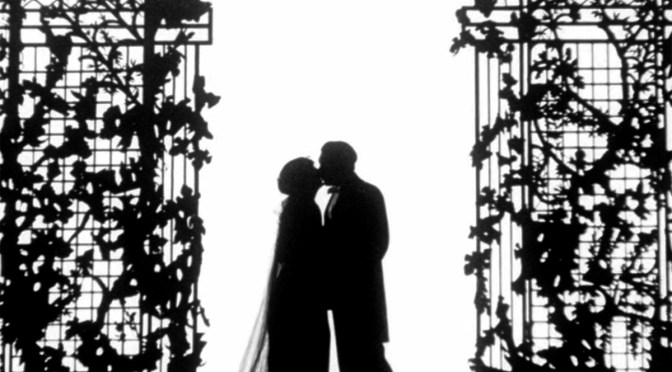
G. W. Pabst’s Die Büchse der Pandora (Pandora’s Box, 1929) is an adaptation of Frank Wedekind’s Lulu plays, but in many places a very loose one. Those German plays are about thirty years older than the film, a Weimar-era classic that marries traces of Expressionism with the late-1920s sobriety of the Neue Sachlichkeit movement. Pandora’s Box was filmed in Berlin, or at least in a former zeppelin hangar in Staaken, and its American star Louise Brooks identitfied its depiction of divergent sexualities and the sex trade with the city’s glamorous, permissive nightlife. Her evocative description of the city during the shoot, when she was staying at the famous Eden Hotel, begins: “Sex was the business of the town …”
“At the Eden Hotel, where I lived in Berlin, the café bar was lined with the higher-priced trollops. The economy girls walked the street outside. On the corner stood the girls in boots, advertising flagellation. Actors’ agents pimped for the ladies in luxury apartments in the Bavarian Quarter. Race-track touts at the Hoppegarten arranged orgies for groups of sportsmen. The nightclub, Eldorado, displayed an enticing line of homosexuals dressed as women. At the Maly, there was a choice of feminine or collar-and-tie lesbians. Collective lust roared unashamed at the theatre.”[i]
There is only one named location in the film, however, and it is in this place that the fictional narrative bumps into historical circumstance – so in this case, geography carries crucial meaning. The final act of Pandora’s Box the film, just like the final act of Wedekind’s play of the same name, takes place in London – in a slum district most likely in the east of the city. Jack the Ripper walks these streets, and our heroine Lulu, reduced to prostitution, encounters him with fatal consequences. This murder is her dramatic destiny, and to understand the film more fully, which was possibly the first cinema adaptation of the plays to feature London and the Ripper, we need to think about the British capital rather than the German one. To explore this topic I am going to examine three disappointing “misadventures” in London: the visits made by Frank Wedekind, Louise Brooks and the film itself.
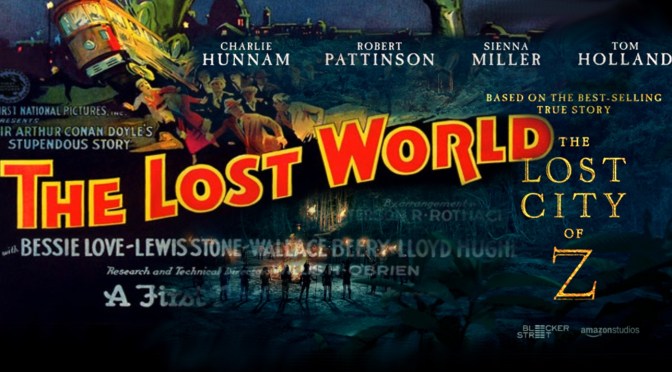
Welcome to a new format for the Silent London podcast – Sound Barrier, in which myself and Peter Baran partner a new-release movie with a classic from the silent era and let them fight until we find a winner. In this instalment the two contenders in the ring are both movies inspired by the British explorer Percy Fawcett: James Gray’s The Lost City of Z (2017) and Harry O Hoyt’s The Lost World (1925).
We’ll be talking about dinosaurs, derring-do and disease – also singing the praises of Wallace Beery and Sienna Miller. Have a listen!
If you want to get in touch with us about anything you hear on the podcast then you can post a comment below, tweet @silentlondon or leave a message on the Facebook page: facebook.com/silentlondon.
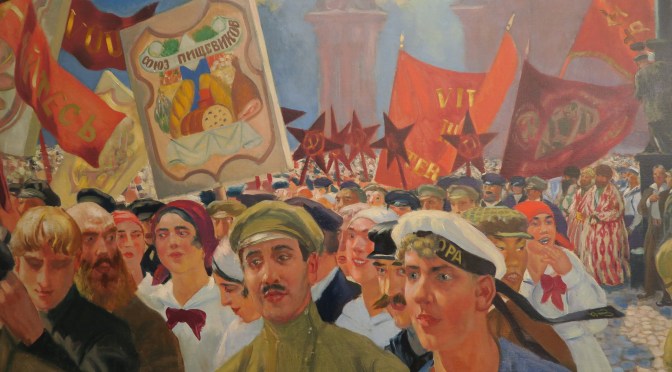
Who among us can honestly say they haven’t got their history from the movies? Sometimes, at least. And while Hollywood epics are known to take liberties with the facts, some movies seem to be more immediate sources. Take Soviet history. If you are a silent film aficionado you will have seen how Soviet cinema is constantly re-presenting events from its own recent past. And even if you don’t mistake reconstruction for documentary fact, these films provide their own window on history. The government involvement is often painfully clear, but that in its turn provides its own commentary on the events as presented on screen. A new documentary about Soviet art history, Revolution: New Art or a New World, recounts a familiar anecdote about Eisenstein’s October (1928), a stirring re-enactment of the 1917 revolution. On the day of the premiere, Stalin himself entered Eisenstein’s editing room, and ordered that all scenes involving Trotsky be excised.
So the film, intended to create a certain impression of the workers’ struggle, and of Lenin’s leadership, loses a fragment of what truth remains inside the propaganda. But, of course, this story is almost well known enough to be a companion-text to the film. October becomes known as the story of the 1917 uprising, but without Trotsky, on Stalin’s orders. That said, I hadn’t realised quite how much exaggeration went into October’s depiction of the assault on the Winter Palace. Revolution put me right on that too.
What I’m saying is that context is always important, and this documentary, released on DVD next week is especially welcome as a survey not of all Soviet history, but the art scene, and its relationship with the changing political regimes. For Lenin, art was the best form of propaganda, and he channeled plenty of funds into hiring artists to make monuments and sculptures of socialist heroes. Never mind that many of those artists had absorbed the revolutionary spirit of the times themselves and felt passionately that their work should not be beholden to religion or state. There is a great line here about the anarchism of Malevich’s work coinciding with Bolshevism, rather than there being an cause-and-effect at work between the two.
This is a guest post for Silent London by John Sweeney.John Sweeney is one of London’s favourite accompanists, composing and playing for silent film and accompanying ballet and contemporary classes. He researched and compiled the music for thePhono Cinéma-Théatre projectand is one of the brains behind the wonderful Kennington Bioscopeat the Cinema Museum. His score for Lois Weber’s The Dumb Girl of Portici will accompany the film on its forthcoming DVD/Blu-ray release this year.
The Silent Serial is perhaps the least watched of all the great silent film genres. Yet they were hugely popular: from about 1910 most studios produced serials, or their close relative, series (serials keep a plot going over the course of all the episodes, series have self contained plots in each episode but a common cast of characters). Some of the most famous are The Perils of Pauline (1914) and The Exploits of Elaine (also 1914), both starring Pearl White as the heroine struggling against assorted villains, The Hazards of Helen (119 episodes!), and in France Louis Feuillade directed the wonderful Fantômas (1913), followed by Les Vampires, Judex, Tih Minh, Barrabas and Parisette.
Thank you to the Hippodrome Silent Film Festival for another great week/end of music and movies in a very warm and sunny Bo’ness. I was there from Wednesday to Saturday and here’s my podcast report from the event, now in its seventh year.
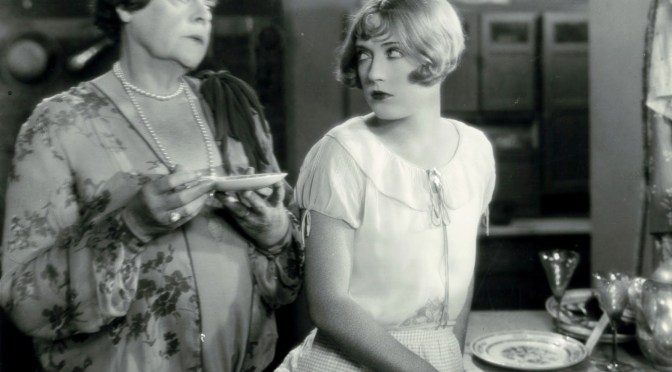
From Nell Shipman’s The Grub Stake and Lorenza Mazzetti’s Together to Marion Davies and Marie Dressler in The Patsy, Ruan Lingyu in The Goddess and Aleksandra Khoklova in By the Law there was a special emphasis on the women of silent cinema at this year’s festival. But the programme as a whole was far too diverse to summarise here. I hope you enjoy hearing all about it – especially if you were lucky enough to be here.
Big thanks to the Hippodrome cinema and to the festival, but also to the lovely people of Bo’ness, the Richmond Park Hotel, the Corbie Inn and my absolute favourite, the Ivy Tea Room.
The Silent London Podcast is available on iTunes. Go there for more details and to subscribe – if you like what you hear, please leave a rating or review too. The intro music is by kind permission of Neil Brand, and the podcast is presented in association with SOAS radio. The other music you can hear on this podcast was written and performed by Maud Nelissen and the Sprockets for the Hippodrome Festival.
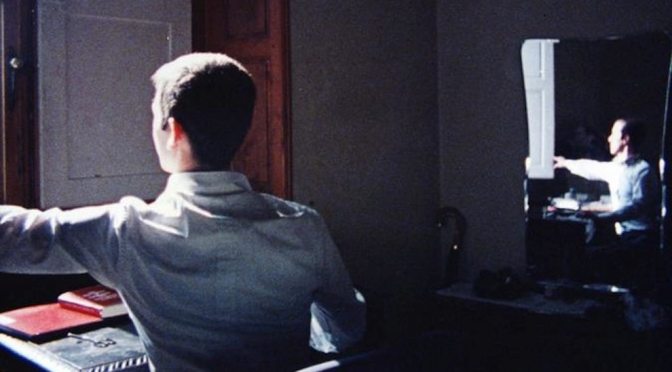
My final Silent Paris Podcast from the Toute la mémoire du monde festival of restored cinema covers three films: one silent classic, The Italian Straw Hat (1928), and two experimental American features from the 70s and 80s: The Notebook of (1971) and American Dreams (1984).
Welcome to another edition of the Silent Paris Podcast. I am at the Toute la mémoire du monde festival of restored cinema all weekend and podcasting my reports from the screenings. Saturday was a game of two halves: two silent films and two British films noir. Listen to today’s podcast to find out what I made of them …
It’s the Silent Paris Podcast! I am at the Toute la mémoire du monde festival of restored cinema all weekend and podcasting my reports from the screenings. Today, I am talking about a day spent watching musicals and what they taught me about jazz, CinemaScope and silent comedy.
Please do enjoy this podcast, even though it seems to veer away from silent territory – there is a connection, I promise.
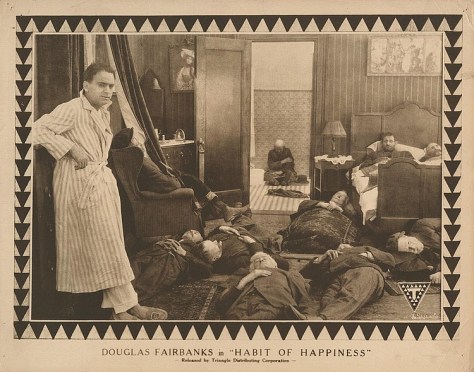
Welcome to the long-awaited return of the Silent London Podcast – coming to you straight from Paris. I am at the Toute la mémoire du monde festival of restored cinema and I will be podcasting my reports from the screenings. Today, my first two days at the festival including lots of of Hollywood fare: the good, the bad and the baffling. This podcast tackles a lot of films about war and racism: films by D W Griffith, Abel Gance, Thomas Ince …. But there is plenty of star power too, from Rudolph Valentino, Douglas Fairbanks and Lillian Gish.
I hope you enjoy this first podcast from the festival!
The British Silent Film Festival is great, but it only happens once a year, when we are lucky. So the annual British Silent Film Festival Symposium, taking place each spring at King’s College London, is a very Good Thing indeed. It’s a meeting of the clan, really, a gathering together of everyone who cares about British silent cinema in this town, and hopefully beyond. At the symposium, these likeminded souls can gather to watch films, debate them, listen to papers and eat biscuits.
This year’s event takes place over two days (6-7 April 2017) and builds on the format of previous years by incorporating screenings in between the papers. And biscuits. These screenings are of little-seen films, and the papers cover a wide range of topics all within the field of British cinema and cinemagoing during the silent era.
Here is what the organisers have to say:
The British Silent Film Festival affords scholars, archivists and enthusiasts the opportunity to re-asses film-making in Britain between 1895 and 1930. By bringing forgotten films out of the archive, and encouraging scholarly activity that can place those films in appropriate production and reception contexts, the festival has been the driving force behind a complete re-appraisal of what was previously an almost unknown cinema.
This two-day symposium is intended to complement the festival itself – an opportunity to consider the achievements and the key debates brought to light by the festival, and to discuss the new directions that future research may take. Highlights of the programme this year include screenings of A Lowland Cinderella (Sidney Morgan, 1921) starring Joan Morgan, in a romance set in Scotland but filmed on the English south coast, and two films not seen publically since their release – The Unsleeping Eye (Alexander Macdonald, 1928) and Empire adventure shot by a Scottish production company, and A Light Woman (Adrian Brunel, 1928) which was previously thought lost, but has now been discovered in a truncated home-market version.
What’s that bright spot on the horizon? It’s the Second International Conference on Colour in Film, which is back in London from 27-29 March 2017. The really good news is that the conference is half a day longer than before, and to my untrained eye, that extra time is mostly made up of screenings – including a very special silent “treat” on the first night.
The 2017 Colour in Film Conference will cover the entire breadth of colour in moving images, from early (pre)cinema’s chromolithographic printing through the applied colours of tinting, toning and their Desmetcolor rendition, from chromogenic Agfacolor and Eastmancolor through the video- and film-based look of the golden age of British colour television and up to modern, current grading in the digital domain.
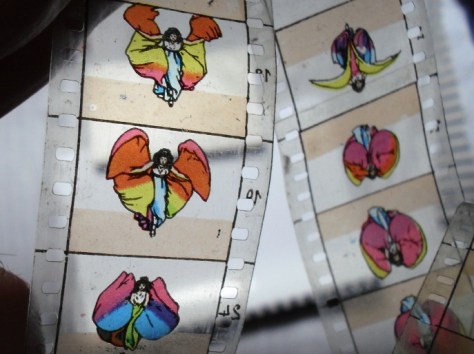
The screenings take place at BFI Southbank (NFT3 to be precise) on the first day of the conference, and include colour films from all eras, not just our favourite one. One highlight I can already see in the programme is a selection of hand-drawn, hand-painted “Chromolithographic Loops”. These took our breath away at Pordenone last year – you’ll love them, and I’m intrigued to hear more about them at the conference. All the clips and films are introduced by experts who can tell you more about the use of colour and how it has been restored.
The big-ticket event is in the evening of the first day, when Neil Brand accompanies a screening of Behind the Door (1919), which will be introduced by Rob Byrne of the San Francisco Silent Film Festival. I’ve mentioned this film before: a rape-revenge drama featuring a taxidermist, the first world war and some pretty savage xenophobia. It’s not explicitly gory, but it’s quite a shocker, so hold on to your hats.
The following two days of the conference is made up of papers – with an awesome lineup of experts, restorers and archivists taking you deep into the detail of colour-film science and history. These will be held at Friends House on Euston Road – and you can see the full list of speakers and papers here. The second day at Friends House is devoted to Sarah Street’s project workshop on the Eastmancolor revolution.
There are an array of ticket prices for the conference, depending on how many days you attend and whether you are a student or a member of the Colour Group or not. All the details are here. Bear in mind that if you want to see Behind the Door that’s extra, even if you have a ticket for the screening day.
The Second International Conference Colour in Film takes place 27-29 March at BFI Southbank and Friends House, Euston. Read more and book tickets here.
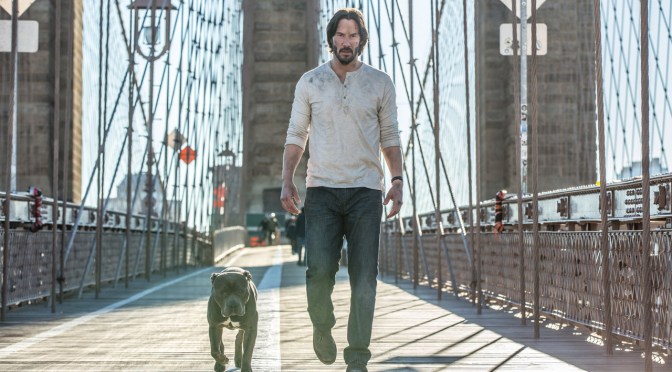
If you want to see Buster Keaton on the big screen next weekend, go see John Wick 2 – but be careful not to blink. The action sequel opens in New York, with a Buster Keaton movie being projected on the external wall of a building. Why? “We want to let you know we’re having fun and we stole this all from silent movie people,” says director Chad Stahelski.
As soon as you have clocked, and cheered, the reference, the action has begun, down on the streets with a blistering collision between a motorcycle and a car. The movie’s opening sequence is very funny, hugely violent, and actually a pretty clever example of how to cover a lot of exposition (for those like me who hadn’t seen the first film) with a minimum of dialogue. All you need to know about the plot, and all I can really tell you, having seen the film, is that John Wick (played by Keanu Reeves) is a hitman, with a revenge motive. The film takes him from New York to Rome and back again – and en route, he kills a hell of a lot of people.
The nods to silent cinema don’t stop with the Keaton film, though*. One of the movie’s key shootouts takes place in a hall of mirrors. Very Enter the Dragon (1973), a little The Lady from Shanghai (1947). But surely Chaplin got there first with The Circus in 1928. Despite his smart suit, John Wick is essentially a tramp like Charlie – homeless and friendless, he’s a hired hand for a shadowy and moneyed elite, and he’s happiest trudging about with his dog by his side. The film reveals a fearsome network of derelicts, in fact, assassins just like Wick who pass through the city unseen. When Wick puts on his fancy togs and goes to a party his presence is disquieting – he’s not one of the in-crowd, but someone they have hired to do their dirty work. That tension is the source of many of Chaplin’s best gags.
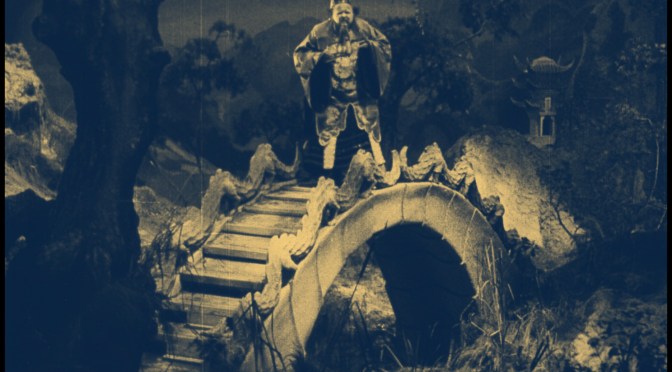
Well, this was clearly meant to be. Fritz Lang’s groundbreaking allegorical fantasy Der Müde Tod (1921) is getting a theatrical release in the UK and Ireland along with a DVD/Blu-ray edition:
Eureka Entertainment have announced the theatrical release of DER MÜDE TOD (aka Destiny), Fritz Lang’s visually ambitious, cinematic allegory starring Lil Dagover and Bernhard Goetzke, in cinemas nationwide (UK & Ireland) and Digital HD from 9 June 2017.
Talking to Françcois Truffaut many years later, Alfred Hitchcock recalled that when he saw Der Müde Tod it made a “special impression” on him. He will have seen it un 1924 under its British release name Destiny, at the Regent Street Polytechnic in London. I wonder if we will have a chance to see it in the same venue?
Silent cinema was a revolutionary medium – bringing a world of news, travel, culture, art and storytelling to a mass audience, a working-class audience. This democratic art form changed the way we learned to look at ourselves and to tell stories about who we are, as well as sharing stories of fantasy, hope and change.
Therefore it’s appropriate that Kino Klassika’s year-long celebration of insurgency on film begins with a film that was both politically and artistically revolutionary: Sergei Eisenstein’s galvanising masterpiece Battleship Potemkin. The film screens next Friday, 17 February at the wonderful Regent Street Cinema, with a live score by Max Reinhardt the Instant Orchestra. It’s sure to be invigorating experience, and a wonderful way to kick off this exciting season A World to Win: A Century of Revolution on Screen, which includes films by Ken Loach, Jean-Luc Godard and Costa Gavras.
October (1927)
The season concludes with silent cinema too: a screening of the epic October: Ten Days that Shook the World, with the London Symphony Orchestra at the Barbican Centre on 26 October 2017, which is exactly 100 years to the day after the start of the Bolshevik Revolution.
Marx proclaimed that the proletariat had “a world to win”. On the 100th anniversary of the Russian Revolution, Kino Klassika hosts a season of cinematic masterpieces from around the world, as well as workshops and curated talks, which investigate that impulse of profound change. The season will be hosted at London’s iconic Edwardian cinema hall on Regent St before a planned regional tour. The season explores the revolutionary spirit through the camera lens. It asks what these films can mean today.
Here is the full list of films in A World to Win screening at the Regent Street Cinema:
7.30pm on Friday 17 February: Gala Opening Battleship Potemkin by Sergei Eisenstein (1925)
7.30pm on Wednesday 22 February: I am Cuba by Mikhail Kalatozov (1964)
8.15pm on Wednesday 1 March: Weekend by Jean-Luc Godard (1967)
7pm on Wednesday 8 March: Beginning of an Unknown Century by Larisa Shepitko and Andrei Smirnov (1967)
7.30pm on Wednesday 22 March: Black God White Devil by Glauber Rocha (1964)
7.30pm on Wednesday 29 March: Z by Costa Gavras (1969)
7.30pm on Wednesday 5 April: Danton by Andrzej Wajda (1983)
7.30pm on Wednesday 12 April: Land and Freedom by Ken Loach (1995)
2pm on Saturday 15 April: Gala Screening of Novecento by Bernardo Bertolucci (1976)
The Barbican is also commemorating 100 years since the Russian Revolution, with a series of first-rate screenings of great Soviet silents: A Sixth Part of the World, accompanied by John Sweeney, Mother, with music by Stephen Horne, and The New Babylon, with Shostakovich’s lost piano score performed by Sasha Grynyuk.
Thwack! Did you hear that? It’s the sound of the latest Hippfest programme landing on the digital doormat. I’m a big fan of Hippfest, a welcoming event, with an ambitious, highly entertaining, lineup of screenings and a frankly beautiful venue. If I could, I’d turn the Scottish thermostat up a couple of notches next month, because this southern softie will be back in Bo’ness for the festival, which runs from 22-26 March 2017, and takes place mostly in the town’s gorgeous vintage cinema, the Hippodrome.
As the schedule is announced today, that means the tickets are on sale already, and if something here catches your eye, book as soon as you can – Hippfest screenings can, and very often do, sell out.
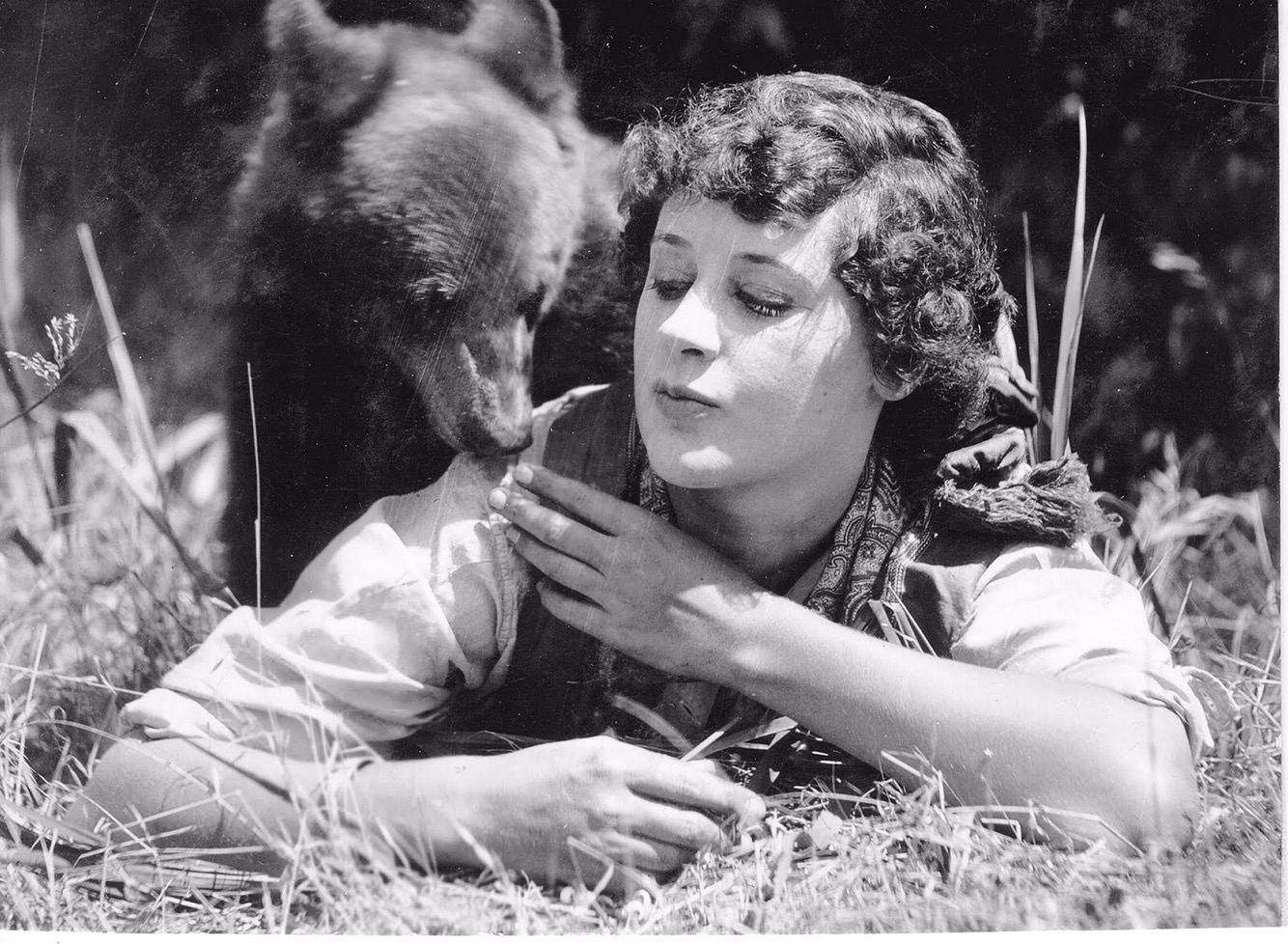
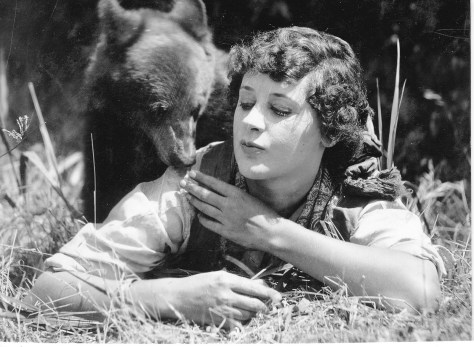
So what’s on offer this year? The first day is devoted to female film pioneers, a subject close to my own heart: with a talk from film expert Ellen Cheshire, and an evening screening of Nell Shipman’s The Grub Stake (1923), with a brand new score from Jane Gardner and an introduction by yours truly. Read more about the amazing Nell Shipman here.
The Goddess (1934)
Thursday afternoon brings a Chinese double-bill – a lecture on the women of Chinese silent cinema by Professor Paul Pickowicz, and a screening of the BFI’s revelatory archive compilation Around China with a Movie Camera, introduced by composer Ruth Chan. On that subject, watch out for the Saturday afternoon screening of an unmissable Chinese silent, The Goddess (1934) starring Ruan Lingyu as a mother in a terrible predicament, with music by John Sweeney.




 Silent London