All posts by PH

Pamela Hutchinson is a freelance writer, critic, historian and curator.

The AP, British Movietone and YouTube: a million minutes of world history online

British Movietone News

If there was ever a week to emphasise the power of archive film, this is it. On the weekend, the Sun on Sunday released what appeared to be home movie footage from the early 1930s of Edward VIII apparently teaching the young Princess Elizabeth, and the Queen Mother to make Nazi salutes. Not surprisingly, those few frames of film have caused a media storm – with debates raging over whether Edward was not the only Nazi sympathiser in the family, or the footage should have been released at all. It seems to me that the princess is more interested in showing off her Scottish dancing moves than practising the salute – she is on holiday at Balmoral after all. And her young sister Margaret really isn’t in the least bit involved. But what do I know? This is home movie footage, of course, not intended to be scrutinised by the public, even if it may after all hint at some disturbing information in the public interest.

The fact remains, however, that this film is owned and still guarded, privately. If there is context to this clip, we are denied it, because all that has been released is a silent, heavily watermarked 17-second snatch on the Sun website. In the era of FOI requests (the Freedom of Information Act is 10 years old this year), post-WikiLeaks and Edward Snowden, after MPs’ expenses and the Prince Charles letters, full disclosure and open access is where it’s at.

And it is in this climate of free access to information that the Associated Press and British Movietone have decided to release a monumental slice of their archive on to YouTube today, where it can be seen, shared and embedded by the public. There are two news YouTube channels as of today: one for the AP Archive and one for British Movietone. More than a million minutes of newsreel footage has been digitised and uploaded, creating what the archive call “a view-on-demand visual encyclopedia, offering a unique perspective on the most significant moments of modern history”. 

The YouTube channels will comprise a collection of more than 550,000 video stories dating from 1895 to the present day. For example, viewers can see video from the San Francisco earthquake in 1906, exclusive footage of the bombing of Pearl Harbor in 1941, Marilyn Monroe captured on film in London in the 1950s and Twiggy modelling the fashions of the 1960s

For silent enthusiasts, the fact that this upload includes the Henderson collection of news footage will be particularly welcome. In effect, this is not a release of footage (many of these films were always available to watch on the AP Archive site), but a way of liberating it. 

Continue reading The AP, British Movietone and YouTube: a million minutes of world history online

Gutterdämmerung: what is the ‘loudest silent movie on earth’ playing at?

Gutterdämmerung
Gutterdämmerung

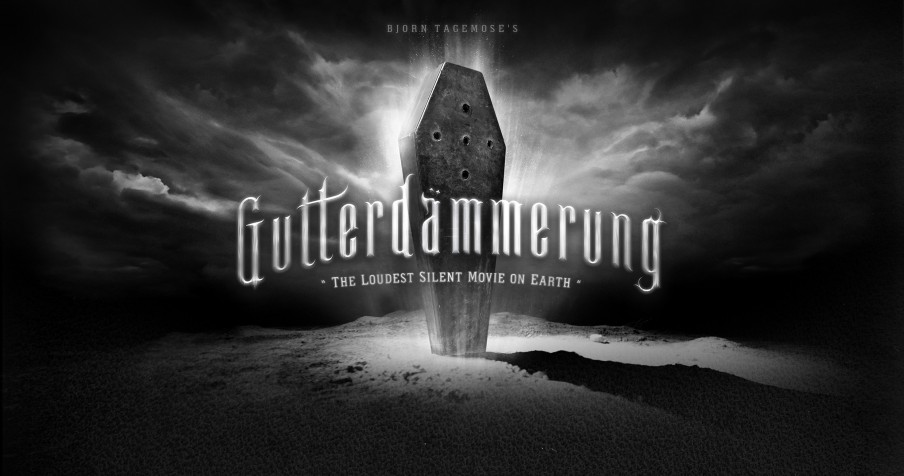
The self-proclaimed “loudest silent movie on earth” may just sound like fingernails down a blackboard to more sensitive readers. Gutterdämmerung  (“It’s not like you know who fucking Wagner is, anyway”) is a heavy metal silent film of sorts, which has announced itself this week with an elaborate social media campaign. I say “of sorts”, because actually, don’t you know, this is  “a new rock ‘n’ roll / film / gig concept from the mind of Belgian-Swedish visual artist Bjorn Tagemose” rather than a boring old movie.

Gutterdämmerung, proud owner of a heävy mëtal ümlaut, has been featured mostly in rock magazines so far, but is already proving to be a bit of a tease, releasing its cast list of rock icons one at a time, and even offering prizes for anyone who can guess the lineup in advance. There’s no trailer, just a launch video in which director Tagemose and two of his stars, Henry Rollins and Jesse Hughes from Eagles of Death Metal, chat about the film. They introduce some of the movie’s “icons” in this vid, Iggy Pop and Grace Jones, as well as rock bassist and adult film actress Tuesday Cross and the star  Olivia Vinall, whom the Independent recently called a “National Theatre darling”. But you’ll have to wait for the rest …

Continue reading Gutterdämmerung: what is the ‘loudest silent movie on earth’ playing at?

Pordenone tips: a beginner’s guide to the Giornate del Cinema Muto

Hello, this is an updated version of a post I wrote in time for last year’s festival – there are a few new tips for 2016 and other updates.

Pordenone
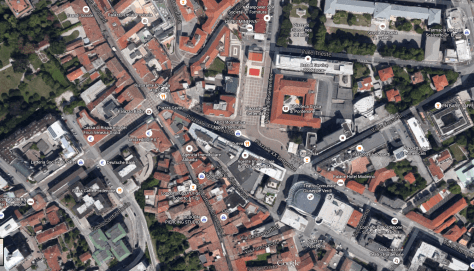
Pordenone: the circular building is the Teatro Verdi, and you can see the Cafe Bar Posta and the library (Bibloteca) nearby. (Google Maps)

Do you know the way to Pordenone? It’s about 80km north-east of Venice, but that’s not important right now. When I say Pordenone, I mean Le Giornate del Cinema Muto: the world’s most prestigious silent film festival, which takes place in the town every October. This year will see the 35th instalment of the Pordenone Silent Film Festival, a veritable institution, which showcases the best (and some of the rest) of silent cinema, accompanied by the world’s leading musicians. It’s eight full days of silent cinema, and a chance to meet the most knowledgeable early film enthusiasts around.

Never been? I think I understand why. Something about the words “prestigious” and ”institution” can be a little daunting. For years I thought Pordenone was not the place for me – it was for the real experts. I was intimidated too by the website, which is actually phenomenally useful, but a little hard to navigate and very text-heavy in two languages.

But as soon as I arrived for my first Giornate in 2012, I knew I had been a fool to stay away. Pordenone isn’t intimidating at all. And if you love silent cinema, which I know you do, it’s an essential indulgence. You can call that the Pordenone paradox.

So here’s a short guide to planning and enjoying your trip to Pordenone for this year’s festival. If you have any more tips – please share them below:

Continue reading Pordenone tips: a beginner’s guide to the Giornate del Cinema Muto

Searching for Silent London: 10 highlights from the Britain on Film archive

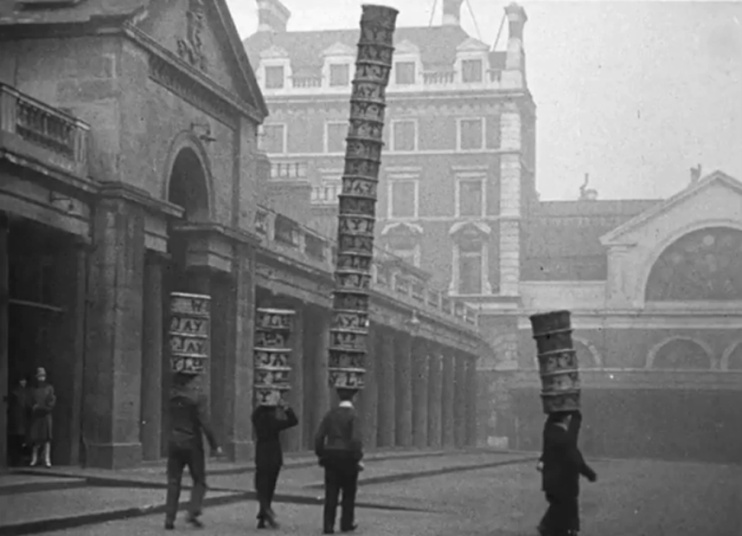
Covent Garden Porters (1929)

Attention amateur historians and nostalgic souls. The BFI has launched its Britain on Film project on the BFIPlayer, comprising around 2,5000 pieces of archive footage. It’s an incredibly easy way to lose an entire afternoon, or more of your life. But fascinating too. Simply type in a location, a decade or a subject, and the BFIplayer will throw some digitised (and contextualised) film right back at you.

I learned a lot about the fashions on sale in the local Co-Op in my hometown in the 1930s, and the story of how my High School came to have a swimming pool in the 1950s (sadly it had long since been filled in before I started there). Moving to my hood in London, I was offered footage of former local MP Clement Attlee talking about William Morris and socialism in the town hall. Not a bad selection at all.

So what of “Silent London”? At this link, you can find all the footage labelled “London” from 1890-1930 in the Britain on Film archive. That comes to 232 films, ranging in length from a few seconds up, but still more than a mouthful, even for someone as greedy as me.

But I did have a poke around, and I do already have a few favourites. Here are ten to try:

Continue reading Searching for Silent London: 10 highlights from the Britain on Film archive

Five films I saw at the 1st Kennington Bioscope Silent Film Weekend

https://instagram.com/p/4M177yOZ_W/

At this time of year, a silent film fan starts packing sun cream and sandals and contemplating a journey south to enjoy some warm weather and classic cinema in the company of like-minded souls. But there will be plenty of time to talk about Bologna later. This weekend just gone, I set forth in a southerly direction on the Bakerloo line, snaking under the Thames to the Cinema Museum in Kennington, south London. What I found there was very special indeed – and long may it continue. Everyone who was there with me will relish the idea of the Kennington Bioscope Silent Film Weekend becoming a regular thing, and for the lucky among us, an amuse-gueule for Il Cinema Ritrovato in Bologna.

We love the Kennington Bioscope, that’s already on the record, so the Silent Film Weekend is a lot more of a good thing. The team behind the Wednesday night screenings, with the help of Kevin Brownlow and a few guest musicians, have translated their evening shows into a two-day event. And with the added bonus of delicious vegetarian food courtesy of the café at the Buddhist Centre next door. It was a triumph all round.

The programme for the weekend, which you can read here, packed in quite a few classics along less well-known films. I was more than happy to reacquaint myself with Ménilmontant (1926) and The Cheat (1915) – especially on high-quality prints projected by the genius Dave Locke and introduced by knowledgeable types including the afore-mentioned Mr Brownlow. What a joy also, to see the BFI’s Bryony Dixon proudly introduce a double-bill of H Manning Haynes’s WW Jacobs adaptations: The Boatswain’s Mate (1924) is surely destined for a wider audience. And if you haven’t seen Colleen Moore channel Betty Balfour in Twinkletoes (1926) you really are missing out.

But for this report I have decided to focus on the films that were new to me. I appreciate that’s an arbitrary distinction for other people, but this way I can fold in the element of … SURPRISE.

Continue reading Five films I saw at the 1st Kennington Bioscope Silent Film Weekend

The Keaton Project: polishing the Great Stoneface

Buster Keaton's One Week (1920)
Buster Keaton’s One Week (1920)

Charlie Chaplin and Buster Keaton – the Beatles and the Rolling Stones of silent comedy. They say you have to pick one to love, but there is nothing to stop you admiring both. If you’re a Keaton devotee, though, you may have watched the progress of the Cineteca di Bologna’s Chaplin Project with green eyes. Though of course your expression will have been too deadpan to reveal your true feelings.

Over several years and many gala screenings, the Cineteca and the L’Immagine Ritrovata lab, working in collaboration with archives, labs and historians across the world, restored all of Chaplin’s works to the utmost technical standards. You can see the results of these labours in releases such as the recent Chaplin Mutuals Blu-ray, which really is worth adding to your Christmas list. Now it’s Buster’s turn. Using material from the Cohen Film Collection, the Keaton Project will set about buffing and shining all the silent shorts and features made by the Great Stoneface. It’s a mammoth task for the ladies and gents in the lab, but a massive treat for those of us who get to watch the finished films.

Continue reading The Keaton Project: polishing the Great Stoneface

On Yer Bike: a History of Cycling on Film DVD review: rattling wheels and retro charm

Lady Cyclists (1899)

London teems with cycles and cyclists. And though the sight of a pedal bike overtaking a double-decker always makes me chew my nails, this has got to be a good thing. While most of us are too sedentary, and too reliant on fossil fuels, cycling looks like a miracle cure for the whole human race. Heck, I have even been to a silent movie screening powered by stationary bikes hooked up to a generator. There may be something magical about these contraptions.

Which brings me to On Yer Bike, the BFI’s new archive compilation DVD of cycling throughout the years. Despite the exertions of Bradley Wiggins and co on their sleek carbon frames, cycling is decidedly retro. You couldn’t reach for a more solidly Edwardian image than a lady in a shirtwaist perched on a bone-shaker or a moustachioed gent atop a penny-farthing. And who doesn’t associate biking with their childhood? The pride when you lose your stabilisers; the terror when your parent lets go of the back of your tiny bike for the first time; a gleaming new cycle on your 11th birthday; or roaming around the local lanes with your best friends and a bag of sweaty sandwiches?

Continue reading On Yer Bike: a History of Cycling on Film DVD review: rattling wheels and retro charm

Second reel of Laurel and Hardy’s The Battle of the Century recovered: that’s better than a pie in the face

The Battle of the Century (1927)
Stan and Ollie in The Battle of the Century (1927)

A cream-filled pie landing – splash – in the face of an adversary is a popular trope of silent slapstick comedy, along with bumbling Keystone Kops and strategically placed banana peel. And now we hear that one of the classic piefights of all time has been rediscovered – the all-out epic splatterfest that crowns Laurel and Hardy’s silent film The Battle of the Century (1927).

That street brawl, involving a van full of pies and a cast of dozens, is gleeful, gore-free carnage – a classic movie moment in its own right. But until now, the fight, and the film it belongs to, have been truncated. The Battle of the Century was formed of two reels, and much of it has been missing since the silent era. The fight itself, or at least most of it, had been preserved, but the rest was not to be found. The first reel was discovered in the late 1970s, but the second reel, which contains the piefight, has been unseen for decades longer.

Continue reading Second reel of Laurel and Hardy’s The Battle of the Century recovered: that’s better than a pie in the face

Silents by Claire Crowther review: like watching a silent film for the first time

The Passion of Joan of Arc (1928)

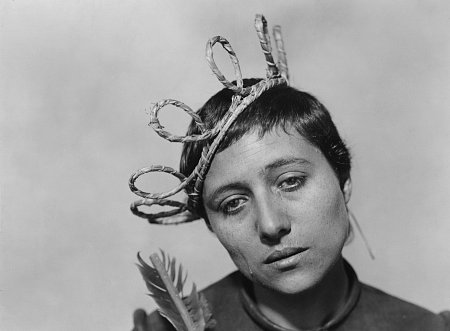
This book is the result of a powerful encounter that poet Claire Crowther had with a sublime silent film: The Passion of Joan of Arc directed by Carl Th Dreyer. The sadly prosaic truth of the matter is that Crowther’s first glimpse of Falconetti’s tear-streaked face was on YouTube, the result of typing “passion” into the search box, hoping to find an image to use in a poem. After seeing Joan, and being moved by it, Crowther set off on another search, however.

That YouTube moment sent Crowther on a silent spree, watching everything that she could find from cinema’s early years: from The ‘?’ Motorist to The Seashell and the Clergyman. Crowther was fascinated by the artistry of the films, by the mystery surrounding their production, and by the “gagged look” of the films’ stars.

Continue reading Silents by Claire Crowther review: like watching a silent film for the first time

London on film at BFI Southbank: walking these silent streets

Flowers of London
Flowers of London

Just a quick note to let you know about a season coming up at BFI Southbank, which promises to contain a few silent treasures. London on Film: The Changing Face of London runs from 1 July to 9 October 2015. I’m taken by the idea of a film programme devoted to our favourite city, and hoping that the BFI will make the most of the opportunity to show some great silent dramas, and actuality footage.

Here’s the official blurb:

The BFI present a three month season which celebrates London’s stories through a century of extraordinary film making from archive clips to more modern cinematic adventure. the programme will include over 200 films, from classic features to home movies, shot in London over the last 120 years. For Londoners this season will show the city they know and love, as they may never have known it before.

Already slated are screenings of Anthony Asquith’s Underground and A Night in Victorian and Edwardian London with Bryony Dixon. At the latter event, the BFI’s silent film supremo will introduce archive clips of the capital dated 1881 (!) to 1910. The evening will also include a screening of Joseph Ernst’s captivating short film inspired by Mitchell & Kenyon, Londoners.

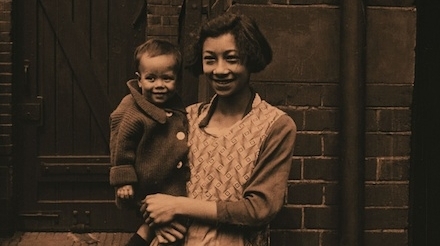
Cosmopolitan London (1924)

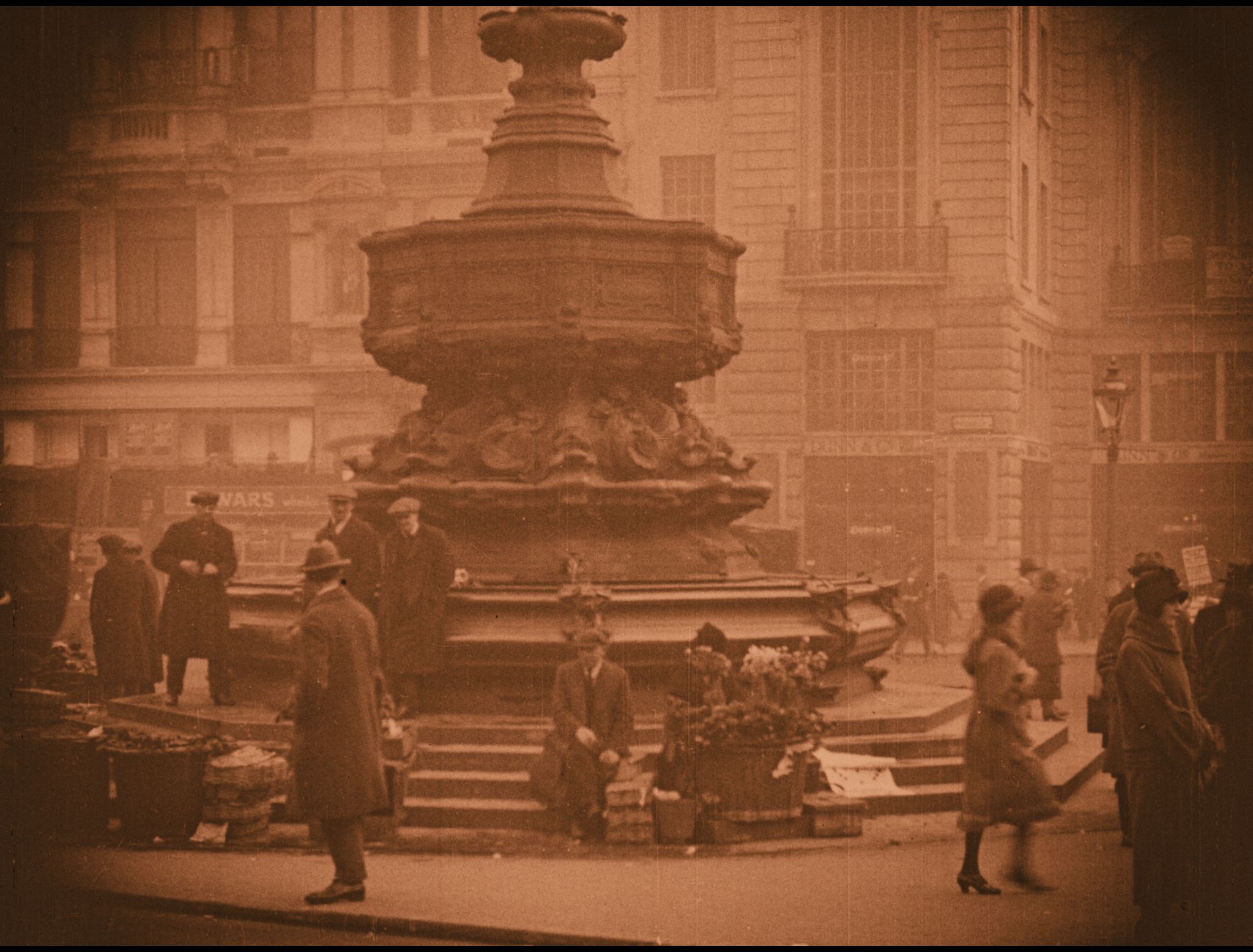
UPDATE: Over on Facebook, BFI head curator Robin Baker tells us we can expect films including: “Passmore family films from 1902 (part of London Home Movie Night), The Right to Live (1921), London Old and New (1924), Cosmopolitan London (1924), The Fugitive Futurist (1924), The Marriage of Miss Rose Carmel to Mr Solly Gerschcowit (1925) and Piccadilly (1929)”. Plus, the sound version of High Treason (1929)

Continue reading London on film at BFI Southbank: walking these silent streets

Wipeout: running into romance

Wipeout (2014)
Wipeout (2014)

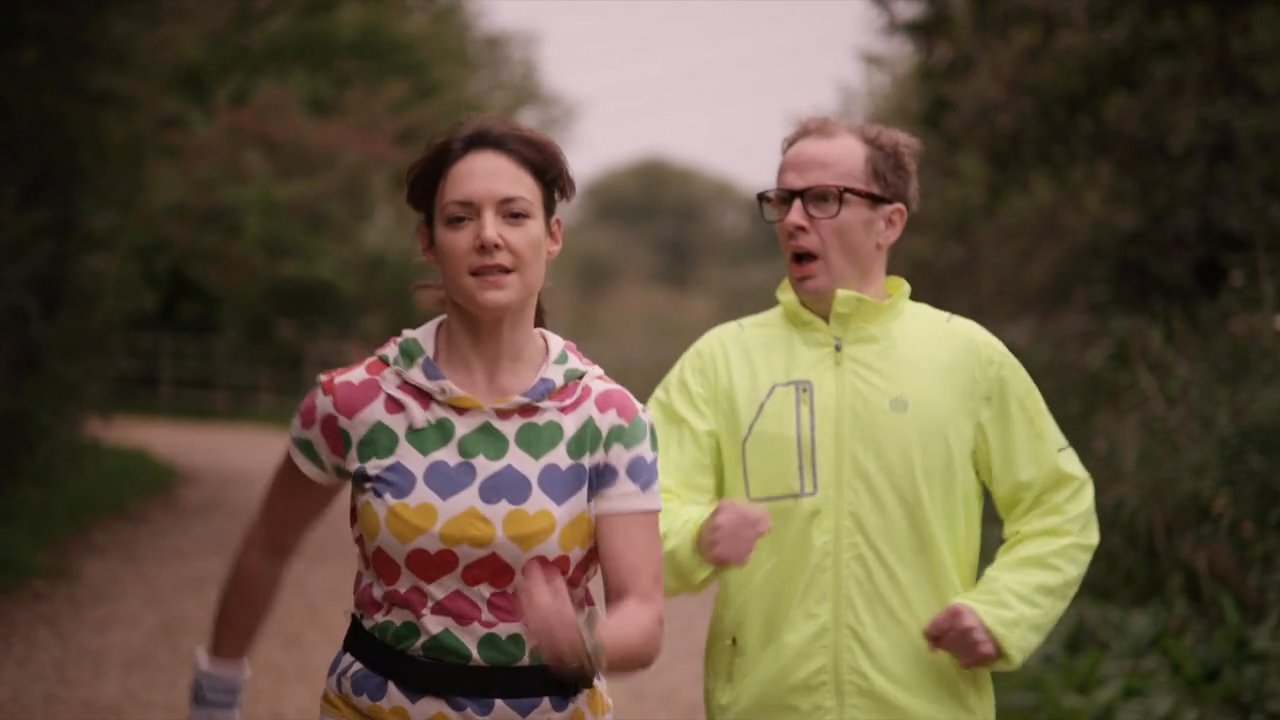
So, yesterday I spent the afternoon in the cinema watching 18 movies. Jealous, right? I was lucky enough to be part of the judging panel for the Walthamstow International Film Festival and we were watching the shortlisted works in order to hand out some prizes. It’s a fun job, and a great local festival that I am chuffed to be a tiny part of. All the entries are around five minutes or less, and while the festival encourages local film-makers, particularly young people, it is open to all, and this year we saw films from as far away as Australia, Argentina and Hong Kong. Our overall winner was the fantastically moving, and intriguing, Speed by Jessica Bishop – a film that interrogates the grieving process by counterpointing family photos and voices. A worthy winner indeed.

Continue reading Wipeout: running into romance

Charlie Chaplin: the Mutual Comedies DVD/Blu-ray review

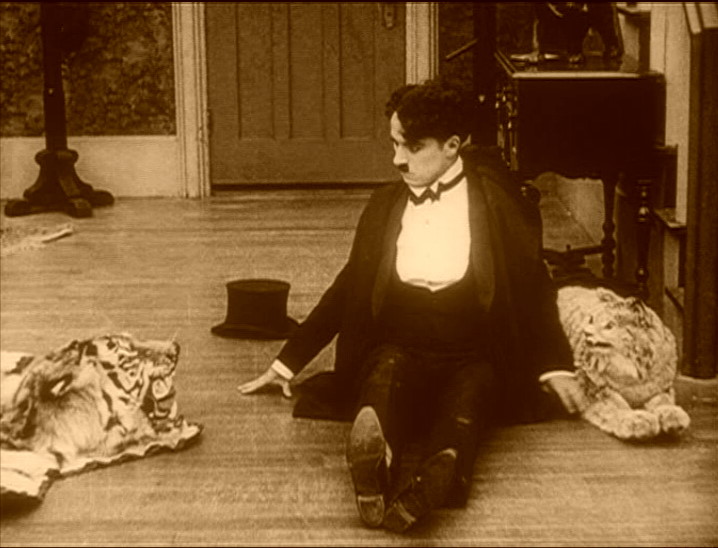
Charlie Chaplin in One AM (1916)

This is not just a box set, more a lifestyle choice. Anyone who wants to spend a couple of hours laughing and crying with Chaplin can watch one of the features. But this new collection of the short films that Chaplin made at the Mutual Company in 1916 and 1917 offers a longer-lasting relationship with London’s favourite silent son.

Even at first glance, the BFI’s latest Chaplin release is a tempting treasure. The Mutual period includes some of Chaplin’s best and funniest shorts for one thing – the drunken ballet of One AM, the social bite of The Immigrant and Easy Street, the glorious mayhem of The Adventurer and The Cure. For the first time in the UK, all 12 Mutual films are presented on Blu-ray – and they have been newly, and immaculately restored too. These discs are a pleasure to watch. It beggars belief that these films are approaching their centenaries, because everything on screen is beautifully clear and impressively filmic, with rich detail and velvety blacks. Comedy this timeless defies age, and now the image of that comedy is every bit as immortal. I don’t have the recent Flicker Alley release to compare, but the word is that this improves on the quality of that set.

Continue reading Charlie Chaplin: the Mutual Comedies DVD/Blu-ray review

Laura Rossi interview: ‘The music makes the images come alive’

Jane Shore (1915)
Jane Shore (1915)

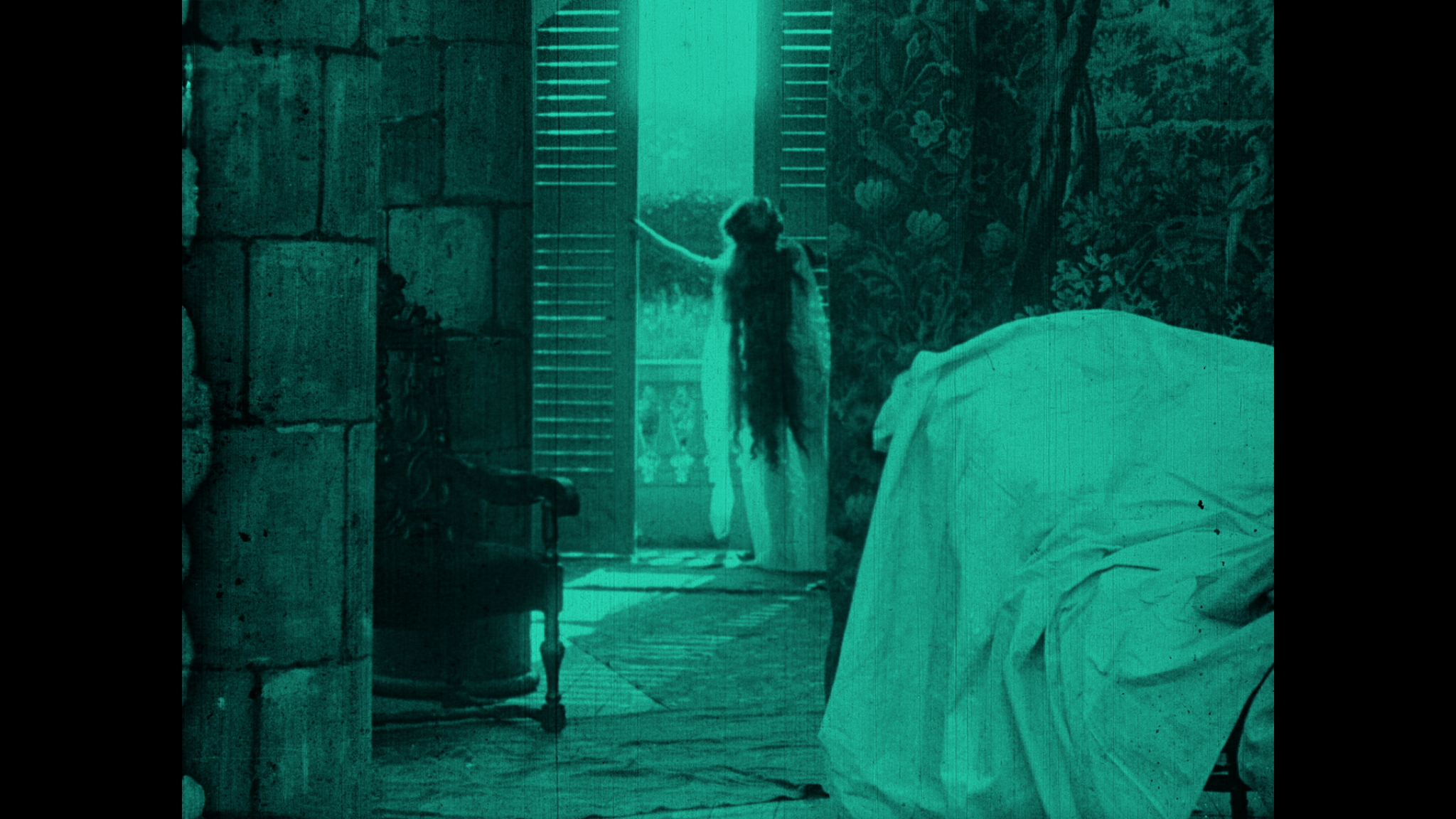
Jane Shore (1915) has been described as the first British epic, and one that rivalled the best productions coming out of Hollywood at the time. A cast of thousands is used to great effect by producer/cinematographer Will Barker (founder of Ealing Studios) in this ambitious retelling of the story of Jane Shore: one of the many mistresses of King Edward IV who described her as one of “the merriest, the wiliest, and the holiest harlots” in his realm.

The BFI has made a stunning new print of the tinted version of Jane Shore (recently discovered in its archives) for its centenary. Composer Laura Rossi has written a new score for the film, which is being performed on a tour of the UK. Here, she answers a few questions about the project, and her writing process.
How did this commission arise and how did you choose the film?

Classic Cinema Club – Ealing wanted to commission me to score a silent film for a live music and film screening at their cinema club. We decided it would be good (as I also live in Ealing) to try and find a silent film made at Ealing Studios. I approached Bryony Dixon at the BFI, who dug out a few films for me to view in a BFI basement room on an old Steenbeck machine.

I was taught how to use the machine and change the reels. It was a very magical day watching reels of footage filmed over a hundred years ago. Jane Shore seemed the perfect fit – a film made at Ealing Studios by the studio founder Will Barker.

For this centenary tour the BFI made a specially restored digital print of the tinted version of the film which looks stunning. We were lucky enough to secure a grant from PRSF Women Make Music fund for the commission and first performance, and an Arts Council grant to help fund the tour.

What do you think is so special about watching a silent film with live music?

Watching a silent film with live music is such a magical experience and can be enjoyed on many levels. The music makes the images come alive and fills the auditorium, giving a four-dimensional experience.

It’s not just about watching the film, but also being transported back to this era. It’s fascinating to see how people acted then, the exaggerated gestures, and the early techniques of making films.

Continue reading Laura Rossi interview: ‘The music makes the images come alive’

Two tickets for the price of one: the DW Griffith season at BFI Southbank

DW Griffith on set
DW Griffith on set

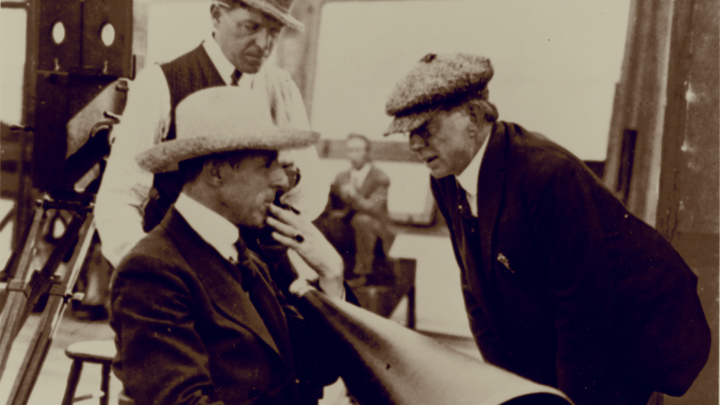
Last month we previewed the blockbuster DW Griffith taking place at BFI Southbank in June. This week, tickets went on sale! But before you start flashing your debit cards around, Silent London can save you a little cash, with a two-for-one ticket offer. You could buy twice as many tickets, or even bring a friend along, free, and share the greatness of Griffith at a bargain rate.

Continue reading Two tickets for the price of one: the DW Griffith season at BFI Southbank

Nitrate Picture Show 2015 review: putting the silver into the silver screen

nitrate picture show

This is a guest post for Silent London by Amran Vance, who runs the London Silent Film Meetup group and is part of the team behind the wonderful Kennington Bioscope.

Nitrate. Dangerous, volatile, endangered, nitrate.

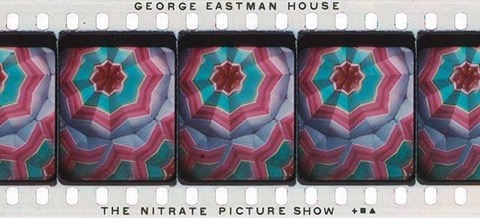
Its allure drew film curators, historians and cinephiles from around the world to the George Eastman House in Rochester, New York, last weekend, for the inaugural Nitrate Picture Show.

Nitrate, as a film base, was first developed in Rochester, by Eastman Kodak in 1889. It is a high-quality, but highly flammable, film stock which produces its own oxygen supply as it burns. A single spark from a torn frame during projection can set off a raging fire. Audience deaths from projection booth fires were not uncommon during the first few decades of cinema and nitrate’s ability to self-combust has caused several studio vault fires, including the tragic 1937 fire in which almost all of the Fox Film Corporation’s silent film holdings were lost.

Nitrate was discontinued in 1951 and strict regulations now govern its storage,transportation and projection. Only a few venues in the world are equipped to project it, including our venue, the Dryden Theatre.

Continue reading Nitrate Picture Show 2015 review: putting the silver into the silver screen

The Silent London podcast: a visit to the Regent Street Cinema

Regent Street Cinema
Regent Street Cinema – those plush seats, and a glimpse of the booth

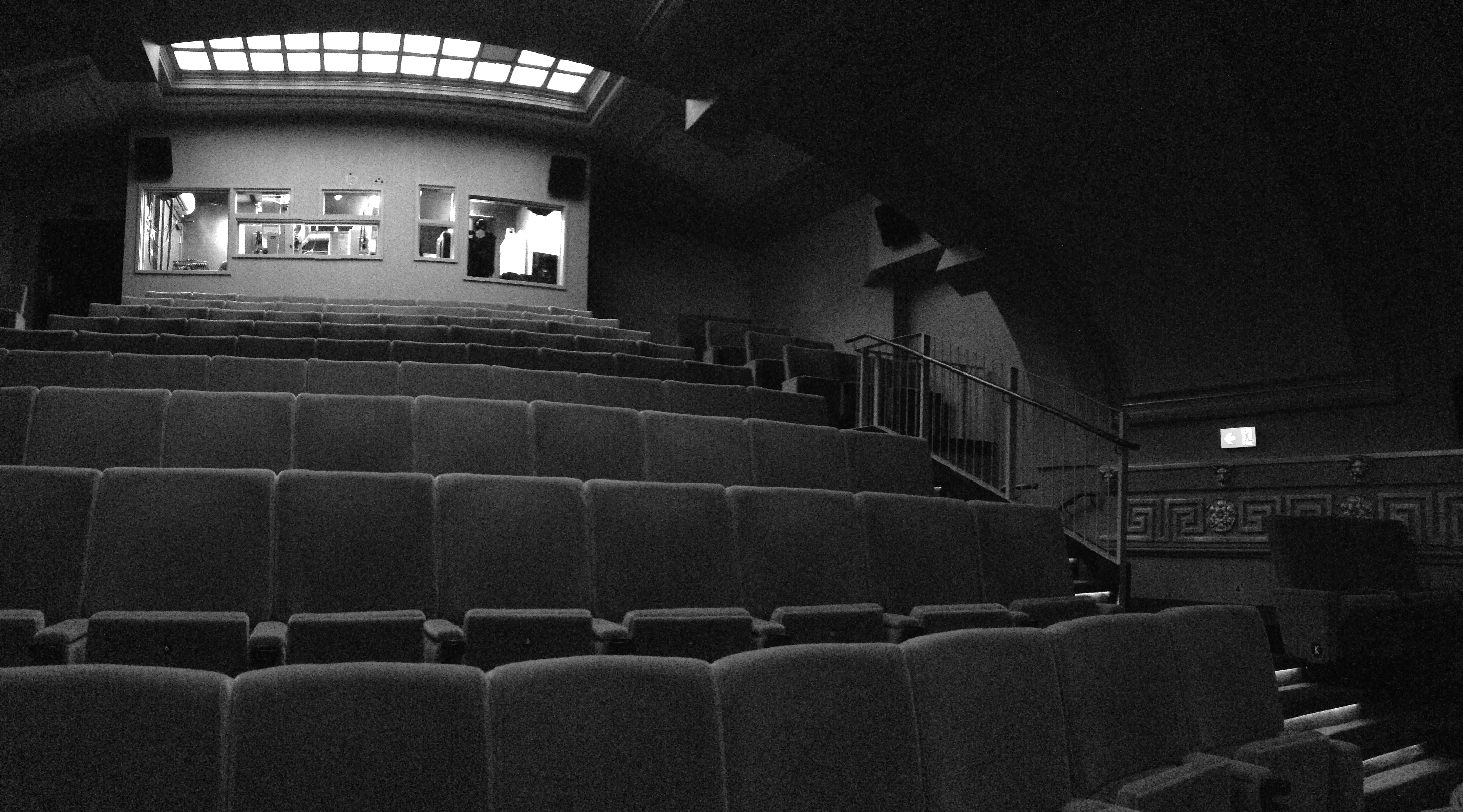
A trip to the cinema is not always worthy of a podcast, but the Regent Street Cinema in the West End of London is a little bit special. I first visited this cinema in October 2014, when it was still mid-refurbishment. This week, I was lucky enough to see it in all its splendour, just a whisker ahead of its official opening.

I had a good nose around, and spoke to the artistic director Shira MacLeod as well as Anna McNally from the university archives. Take a look around this picture gallery, and have a listen to the podcast, which explains the unique history of this building, and what we can expect from its forthcoming programme.

Continue reading The Silent London podcast: a visit to the Regent Street Cinema

DW Griffith: Cinema’s Greatest Pioneer at BFI Southbank, June 2015

True Heart Susie (1919)

Forgive me if I’m wrong, but it feels like a long time since we saw a solid silent retrospective in this town. No need to bleat about it much longer though, eh, as the BFI has just the thing. DW Griffith – still arguably the most important American movie director of all time – will inhabit the BFI Southbank for most of June.

The season concentrates on the feature films up to and including Abraham Lincoln (1930), Griffith’s first talkie. Especial care is taken over Griffith’s best-known, and still-controversial, film Birth of a Nation (1915), in its centenary year. The movie will screen with introductions on both occasions, and a special roundtable event will bring together keynote speakers from UCL’s “In the Shadow of Birth of a Nation” conference to discuss the film. To provide further context, on 7 June the BFI will screen all three parts of Kevin Brownlow and David Gill’s DW Griffith: Father of Film documentary.

The Birth of a Nation (1915)

This is one of those events that should have every cinephile in the city licking their lips. And you don’t have to be a silent nerd or a completist to understand why. There’s far more to DW Griffith than the awful things he believed and the clever things he is credited with doing first. Watching the films, especially on the big screen, is the best way to appreciate his genius. And look at the cast list here too: the season features several turns from the wonderful Lillian Gish, as well as Richard Barthelmess, Lionel Barrymore, Douglas Fairbanks and Mae Marsh.

Continue reading DW Griffith: Cinema’s Greatest Pioneer at BFI Southbank, June 2015

The Kennington Bioscope Weekender: a silent film festival for London

The Cheat (1915)
The Cheat (1915)

Well hello there, Elephant & Castle tube station. A few months back I wrote about the many wonders of the Kennington Bioscope – a regular silent screening event held at the Cinema Musesum, south London. Short version: it’s ace.

Now the Kennington Bioscope has gone one better than brightening up our Wednesday evenings. The Kennington Bioscope Weekender will take over the Cinema Museum for two days in the summer – 20 & 21 June – to screen a mouth-watering selection of silent films.

Two things to note straight away – first, the majority of these films will be shown on film, either 35mm or 16mm. The website makes it clear which is which. And second, the films have been chosen and will be introduced by an estimable group of film historians including Kevin Brownlow.

Continue reading The Kennington Bioscope Weekender: a silent film festival for London

Hitchcock Lost and Found review: in search of the Master’s MacGuffins

LostAndFound

Alfred Hitchcock may be the only British director of the silent era we don’t automatically label “underappreciated”, or “little-studied”. From Leytonstone to Los Angeles his fame is global, his influence inescapable. After the films themselves, and the TV series, the books, the biopics, the magazine articles and yet more books, there isn’t a cinephile alive who can’t pronounce with some authority on the Master of Suspense.

One subject that all Hitchcock “experts” can expand upon is the MacGuffin device – the pursuit of an elusive object that drives the narrative of a film forward, allowing the business proper to take place along the way. One way of looking at this new book by scholars Alain Kerzoncuf and Charles Barr would be that it is a magnificent MacGuffin hunt. Hitchcock Lost & Found: the Forgotten Films goes after the grey patches on Hitchcock’s CV, the abandoned, incomplete or a loosely connected works that linger largely unwatched and unappreciated.

As well as missing films, this book tracks down the films that Hitchcock scripted, or art-directed, or otherwise assisted on, or one where he jumped into the director’s chair halfway through shooting. The discovery of a few reels of The White Shadow (Graham Cutts, 1923) in 2011 proves that a film doesn’t to be Hitchcock through-and-through to raise the heart rate. And it’s surely not too much to hope that on the trail of these MacGuffins, a hardy Hitchophile could learn a thing or two about Psycho, Rear Window and the man who made them? Not to mention that impressive string of surviving silents running from The Pleasure Garden to Blackmail or Hitchcock’s famously “lost” film, The Mountain Eagle?

Continue reading Hitchcock Lost and Found review: in search of the Master’s MacGuffins

Music for Charlie Chaplin: Carl Davis on scoring ‘The Mutuals’

This is a guest post for Silent London by Carl Davis CBE to celebrate the 126th anniversary of Charlie Chaplin’s birth. Renowned as a composer, Davis is a conductor with the London Philharmonic Orchestra and also regularly conducts the Royal Liverpool Philharmonic Orchestra. He has written music for more than 100 television programmes, but is best known for creating music to accompany silent films – including his score for the Kevin Brownlow restoration of Abel Gance’s Napoléon.

In 2003 and 2004 the British Film Institute released, in two volumes, 12 comedy shorts by Charlie Chaplin, created by him at the contractual rate of one a month across the years 1916-1917. They are known today as “The Mutuals” after the company that produced them and, as in my case, they are often the first glimpse that people have into the art of Chaplin. My first adult look at this project occurred in 1983 while scoring the Thames Television three-part series Unknown Chaplin: virtually the entire first episode consisted of an analysis of Charlie’s working methods, brought to light after a hidden cache of Mutual out-takes had recently been discovered.

The next step forward occurred in 1989 after the successful experiment of transcribing the orchestral score and parts of the 1930 recorded soundtrack of City Lights for a live performance at London’s Dominion Theatre. The performance started a vogue, thriving today, of stripping the scores from the soundtracks of all manner of sound films and performing them live. After the London screening I found myself conducting City Lights around the world and subsequently I expanded my Chaplin repertoire with The Gold Rush and The Kid. Out of sheer enthusiasm I added the shorts The Immigrant and Easy Street to my list. But the real impetus to continue came in 2003 when I discovered that the BFI were planning to release the complete Mutuals. I declared my interest and our collaboration began.

Continue reading Music for Charlie Chaplin: Carl Davis on scoring ‘The Mutuals’