We have passed the halfway point of the Giornate now, but some would argue we have taken the long route round. Because Wednesday night was epic, you’d have to agree. Tonight we witnessed all five hours of Fritz Lang’s towering, geometric monument to mythic nationalism, Die Nibelungen (1924). And arguably, grandeur was the order of the day: from a spot of early morning swashbuckling to mist-covered mountains and a trip to the opera.
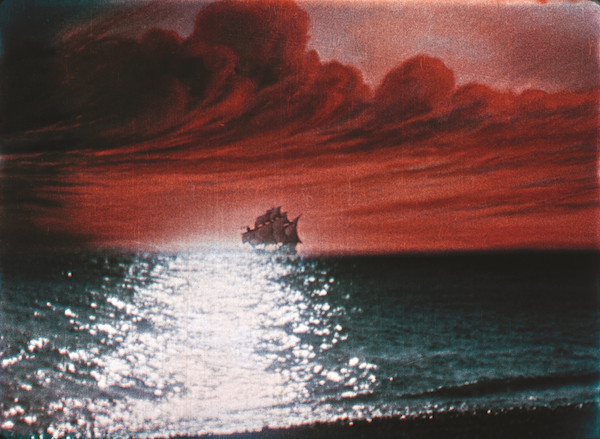
Waking to grey skies and a slick of drizzle on the pavements can only mean one thing here in balmy Pordenone. To merrie Englande! To Ye Olde London Towne, in truth, for The Glorious Adventure (J Stuart Blackton, 1922) – and I have a feeling that the cleansing flames that purged in the spider cave in Tuesday night’s Pansidong are about to smite these half-timbered streets. Do I spy Nell Gwyn and Samuel Pepys in yon King Charles II’s court, as well as carriages and banquets and taverns and bodices aplenty? Of course I do, but while this film’s only concession to realism may have been to cast a real-life aristo (Lady Diana Manners) in the lead role of Lady Beatrice Fair, it’s really far better than it sounds. Of course, the reason that The Glorious Adventure is on the schedule, and the reason it is notable, is that it was shot in Prizma Color – it’s a full-colour silent, of sorts. And while the colour work does have its flaws (mostly “fringing” on movement) the skin tones are realistic, and despite the limited spectrum the shades of dresses, fruit and foliage are mostly rich and clearly defined.
The Glorious Adventure (1922)
It’s a touch hokey in plot, with an earl hiding his true identity from his childhood sweetheart due to “an excess of chivalry” and such like. But the fight scenes are strong, particularly a clash of swords in The White Horse early on, and Victor McLaglen makes a memorable villain as heavy Bulfinch – more memorable than the real villain Roderick (Cecil Humphreys) for sure. And when the fire comes, the Great Fire of London that is, it’s really quite something: with pools of molten lead around St Paul’s Cathedral, and silhouetted timbers framing the rich reds and yellows that signal destruction. Sarah Street points out in her notes for the film in the Giornate catalogue that the fringing may actually enhance the effect of the flames – the perfect marriage of content and form. A veritable British triumph then, so can we have the Italian weather back now?
Midweek #GCM33. What with a late night Chinese 'spirit' film and early morning Prizmacolor feature I have now upgraded to 'doppio' espresso.
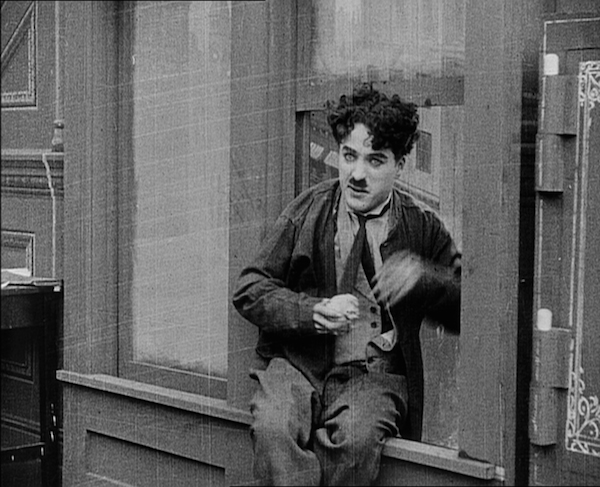
Charlie Chaplin is in the house. Naturally, this being his centenary year and all. Naturally, also, he is speaking Japanese. Because all the characters in Charlie Chaplin films speak Japanese – to a Japanese-speaking audience that is. And also to us lucky types in Pordenone tonight who saw a programme of Chaplin shorts with the accompaniment of Benshi Ichiro Kataoka along with Gunter Büchwald and Frank Bockius. Clearly they had all been in cahoots and the riotous combination of voice and music was expertly judged. A little Benshi can go a long way with me, but that’s how it’s meant to be I think: exuberance squared. The Japanese movie fragment that preceded the Chaplins, Kenka Yasubei (Hot-Tempered Yasubei, 1928) was an inspired choice – all the brawling and boozing of three or four Keystones packed into a frenetic half hour.
Pansidong (1927)
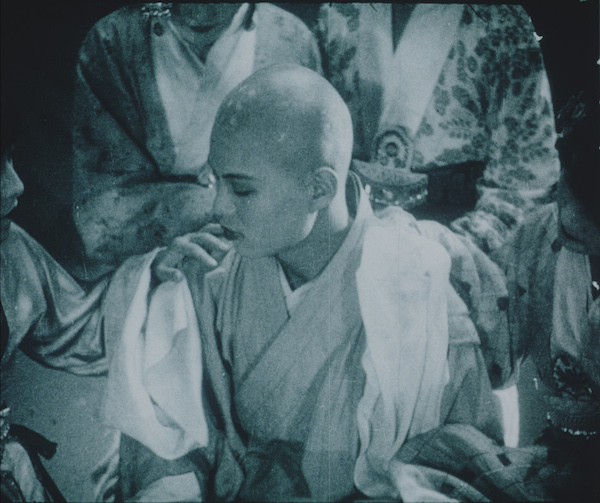
There was yet more exuberance to come at the end of the evening with Pansidong (The Spider Cave, Darwin Dan, 1927). This Chinese silent, once thought lost but recently rediscovered in Oslo, was introduced charmingly by the director’s grandson, who was seeing it for the first time tonight. I hope he enjoyed as much as I did: it was a silken concoction laced with surprises in which a glamorous girl gang of “spider-women” entrap a monk in their cave, among the spirits. There’s magic, and swordfighting, and some very witty subtitles. Mie Yanashita accompanied tightly on the piano and percussion, including a clattering cymbal that made many of us jump – right on the nose of that wedding-night moment.
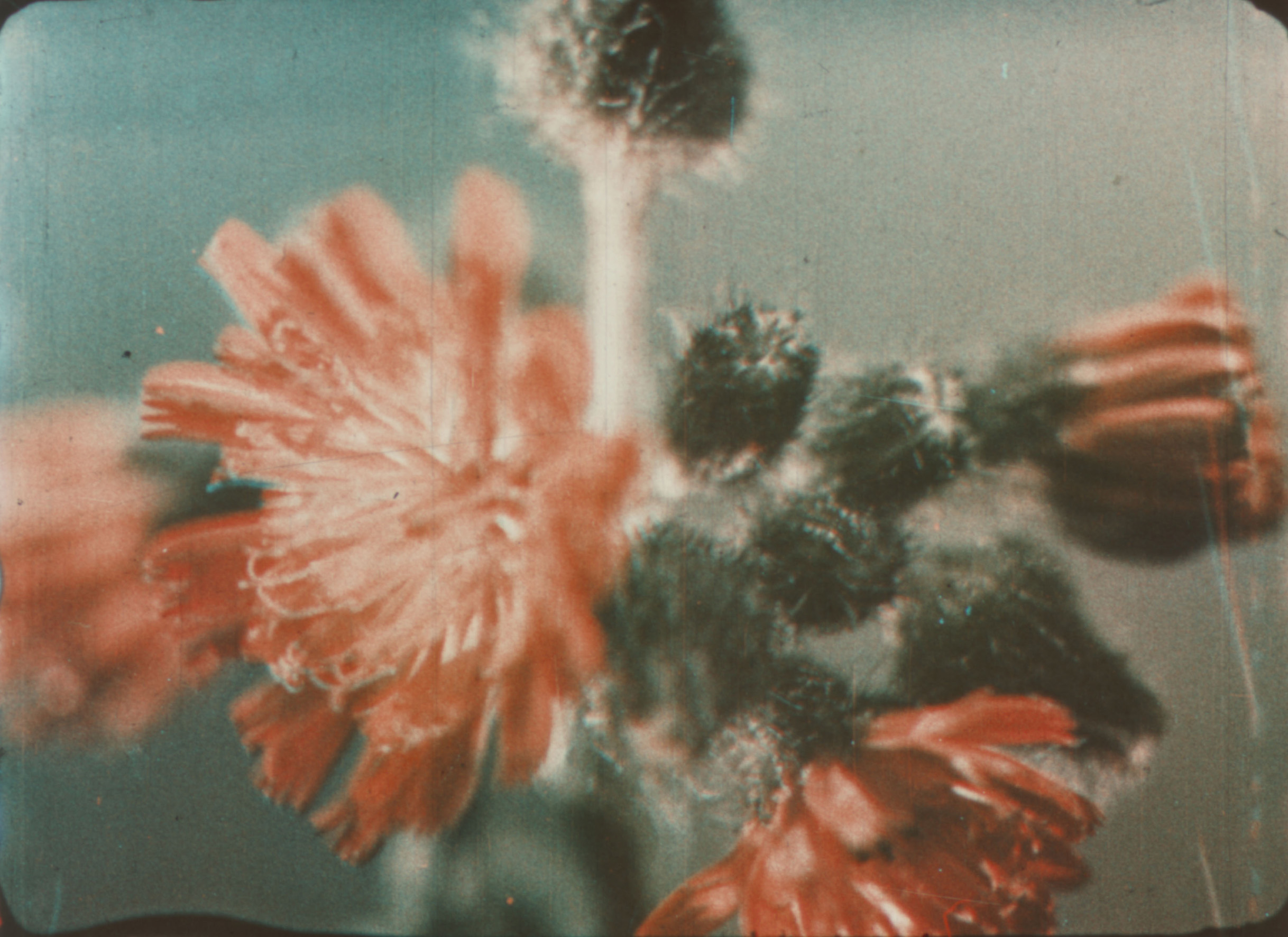
Keller-Dorian: Film Gaufré: Sonia Delaunay (1925)
But it’s not time for bed quite yet. Here’s what else happened today. The short version: lots. I’m going to begin with something really quite beautiful. Several things in fact.
The mountain footage in 'Colored Views from the Entire World' with musical accompaniment by Stephen Horne was particularly magical. #GCM33
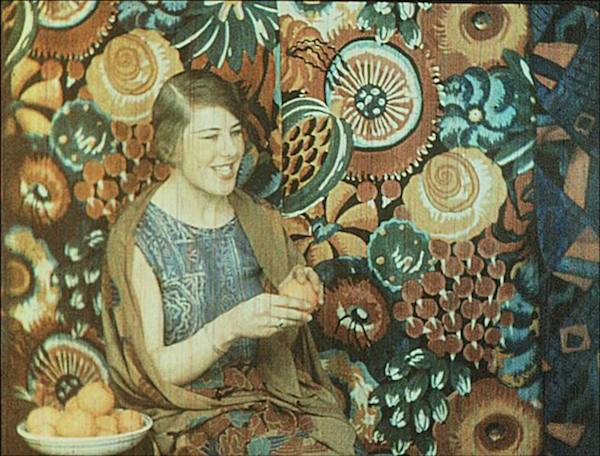
The leopard-skin trim on a Paul Poiret evening coat, scarlet fireworks in a sea-green night sky, vicious yellow flames engulfing a city tenement, a bowl of fresh oranges amid Sonia Delaunay’s sumptuous Orphist designs, gold sequins twinkling on a chorus line and a freshly dyed sugar-pink frock: the first shorts programme in the Dawn of Technicolor strand was a many-splendoured thing. Many different colour processes were on display from Kelley Colour to hand colouring to Natural Color to … far too many to name here. But this was as entertaining as it was instructional, and all beautifully and kaleidoscopically accompanied by Stephen Horne on piano, flute, accordion, and xylophone … at least. Married in Hollywood, the parting shot, was a Multicolor finale from a lost black-and-white sound feature. It must have been an impressive technical achievement, but it was also incredibly cheesy. Quattro formaggi.
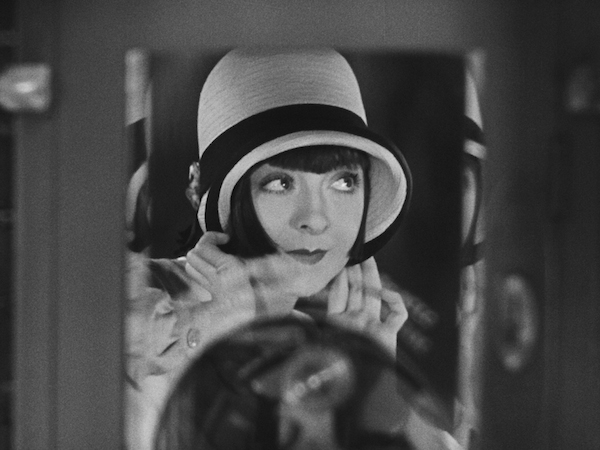
Colleen Moore, first among flappers, is so universally adored among the silent cinema crowd that she can get away with anything. Case in point: today’s screening of the irrepressible Synthetic Sin (1929), in which La Moore plays an aspiring actress whose talents lie further towards comedy than tragedy. So much so that she interrupts a dance show to perform a wigglesome, gigglesome routine of her own … in blackface. She wins the crowd in the movie, and perhaps a little more guardedly she repeated the trick in Teatro Verdi today. You can’t edit the past, and you can’t deny the crowd-pulling power of Colleen Moore.
Synthetic Sin was a winner today, a restoration courtesy of the Vitaphone project; this film has been primped back to its best, and even comes with a snippet of its original sound-on-disc score. That blackface moment wasn’t only thing that was “of its time” about the movie, but Moore’s personality, and charm, and sheer comic talent brook no obstacles. An early scene in which she mimics “Paderewski playing Rachmaninoff’s Prelude” was far funnier than such a skit had any right to be. A thunderous round of applause ensued, from a live audience 85 years too late to catch the real thing.
The Tailor from Torzhok (1925)
But Moore only arrived four screenings into the day. We’re calling this a Manic Monday, with three heavyweight movies in the morning alone: two Barrymores (Ethel and Lionel) and a treat from the Russian Laughter strand: Zakroischchik iz Torzhka (The Tailor from Torzhok, Yakov Protazanov, 1925).
Yes, the name of the Russian Laughter strand has raised some sniggers in the hotel corridors and café terraces of Pordenone already, but we don’t listen to haters here at Silent London. And we’re right, as usual, because The Tailor from Torzhok was a hoot. This is Soviet cinema’s first feature-length comedy, and it’s definitely western-style in its reliance on physical stunts and romance. It was intended to promote the state lottery, but enjoyably not a single likable character gives two figs for the lotto – the government bond is sold on, rejected, crumpled and, ahem, fixed to the wall with nasal mucus. Ick. Great comic work from Igor Illiinsky in the lead role, whether pratfalling or winningly rubbing shoulders with his pretty miss.
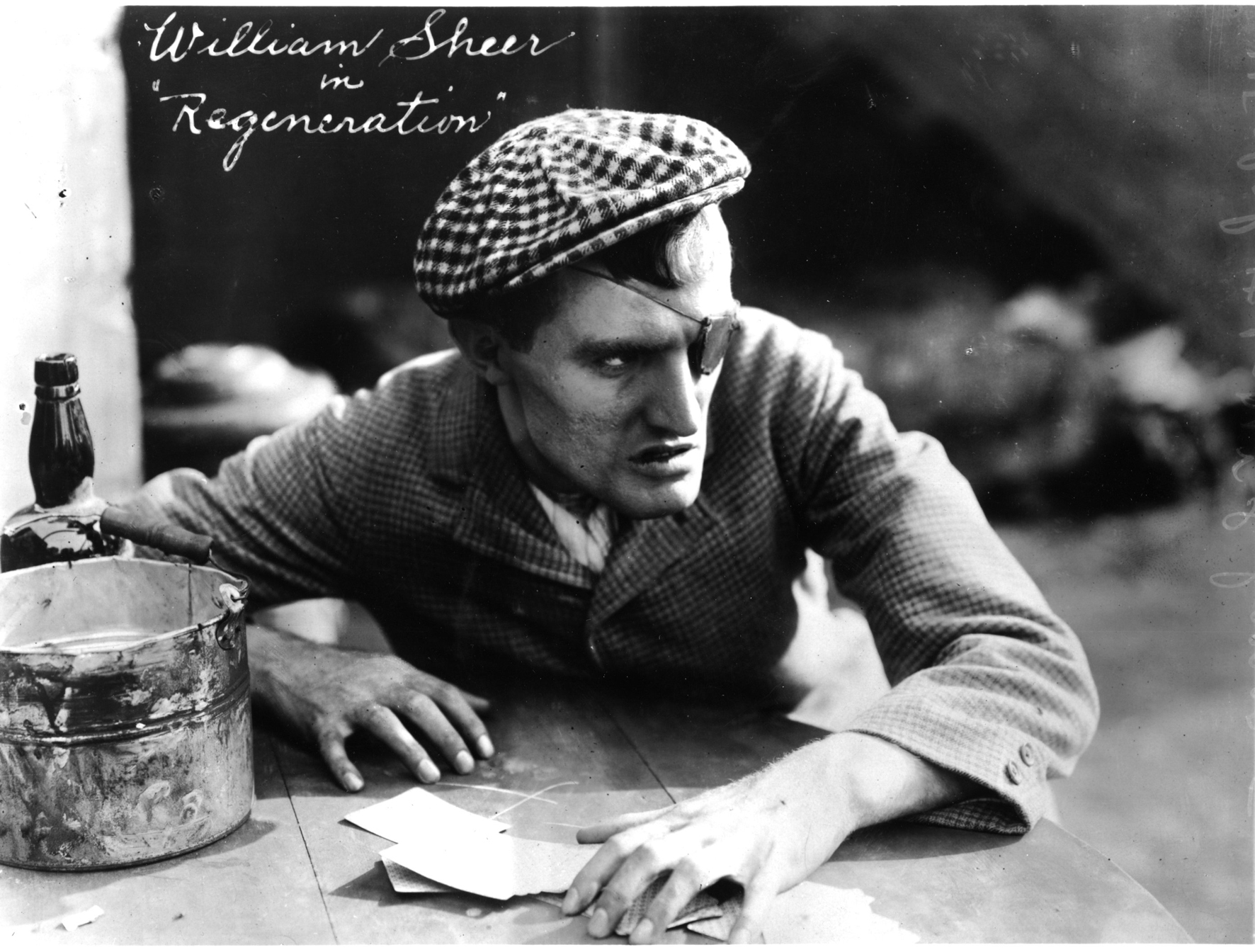
How much excitement can one person handle on a Sunday morning? For myself, the opportunity to see – finally – Raoul Walsh’s classic crime drama Regeneration (1915) and on 35mm no less, with music by John Sweeney, was more than reason enough to get out of bed. That it was preceded by a film packed with vice and violence (and fabulous clothes), made this a far-from gentle Sunday morning. But the biggest surprise of the day was to come later in the afternoon. Call that a cliffhanger, if you will.
To the vice and violence first, with Hans Steinhoff’s Das Frauenhaus von Rio (1927), a German crime saga adapted from a novel by Norbert Jacques. That the film is set mostly in Hamburg rather than Rio, and barely in the “Frauenhaus” (a particular kind of lady, a particular kind of house, if you get my meaning) at all, is hardly false advertising. Concerned with what was called the white slave trade in those days, and also that silent-movie staple, international jewel theft, Frauenhaus was florid, schlocky and tremendously good fun – and very niftily directed. French actress Suzy Vernon made a winning heroine, although Ernst Deutsch as a puckish chancer and Vivian Gibson as a tigress of a villain stole the show.
Regeneration (1915)
But Regeneration was the main event of the morning, and it did not disappoint. This story of a tenement toughie reformed by a guilt-stricken socialite soars past your cynicism, because it is so exquisitely, tenderly photographed. It’s realism, but editorialised. And those performances! Rockliffe Fellowes has the best name in showbiz, hands down, and is reminiscent of a young Brando here as the angsty hero. Anna Q Nillsson (yes, a “waxwork” from Sunset Boulevard) puts in a heartfelt turn as his goodhearted ladyfriend. And oh, the photography, those truncated tracking shots and oh, the ensemble cast of characterful and possibly threatening faces. Everything Scorsese ever did is here, and it’s compelling, enthralling to watch.
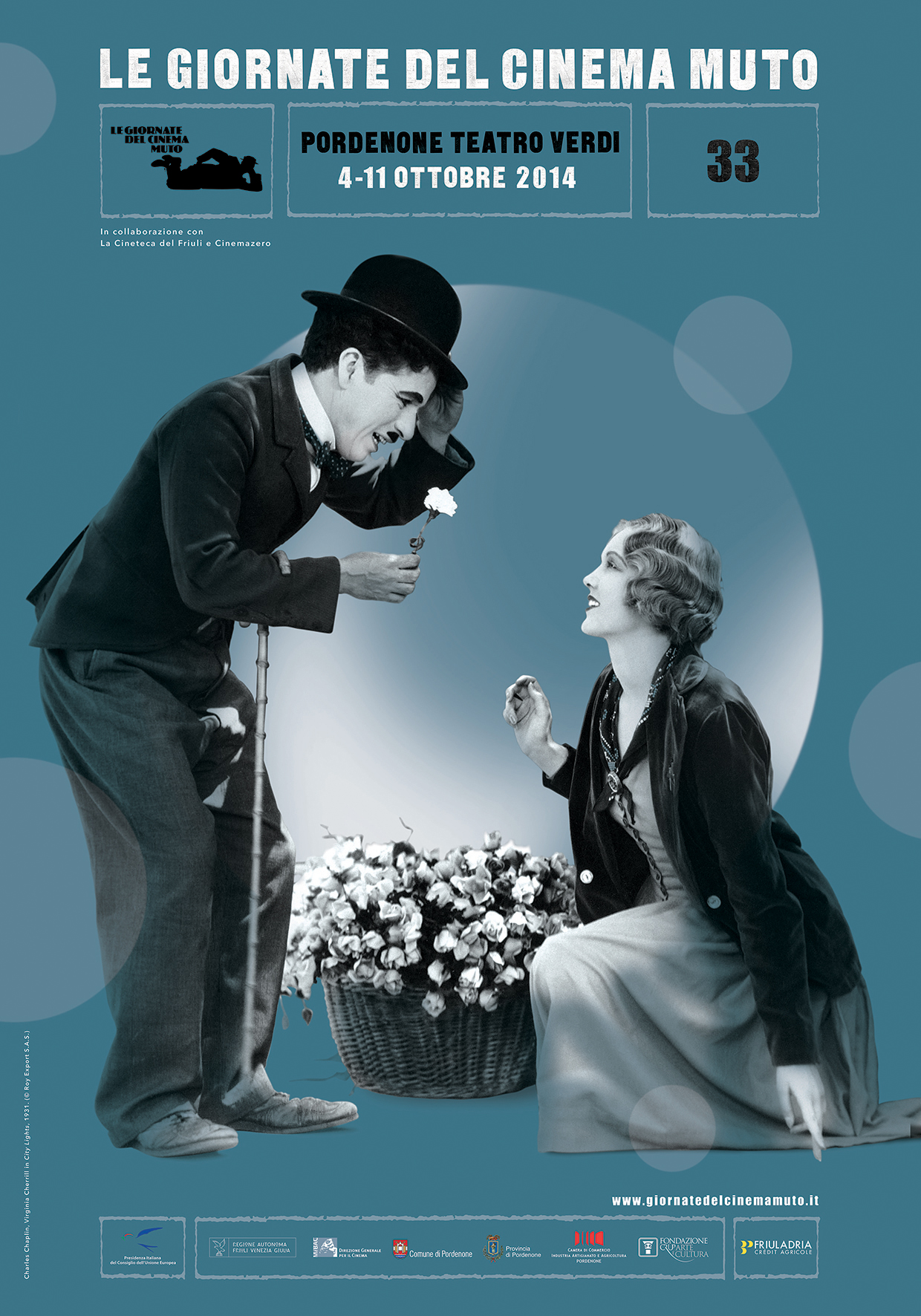
This season the colour to be seen in is a mid-blue, almost teal, with accents of lime green. The autumn collection also features motifs of a certain scruffy character with a square ’tache, and a charming floral detail. Hemlines are low, and hats are definitely “in” … Milan fashion week was so last month sweetie, I am reporting to you direct from the catwalks of Pordenone, instead, where the 33rd Giornate del Cinema Muto has begun, in fine style.
The stars of this year’s Giornate are yet to be decided, but the wise money goes on the Barrymores, an acting dynasty of stage and screen and recipients of their own retrospective at the festival this year. So starstruck are we all by the (virtual) presence of John, Ethel, Lionel et al that for Pordenone’s opening night, that we attempted an almighty feat – travelling through time and space (and the march of feminism) to New York, February 1927. But more of that adventure anon. Here’s how the first day unravelled.
The Feudists (1913) – Sidney Drew, far left
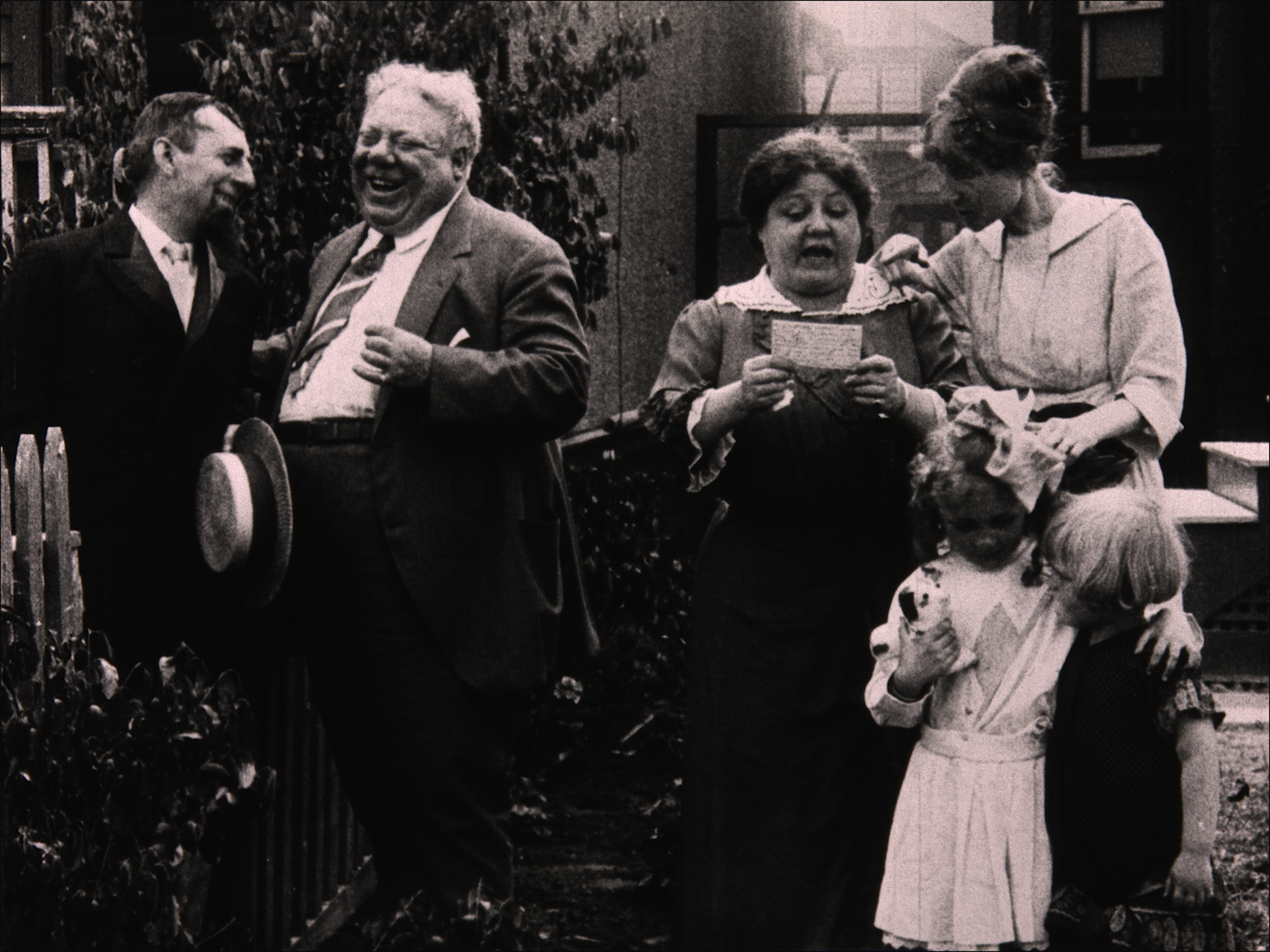
In anticipation of the Gala, the first session of the Giornate was devoted to The Drews, that is mostly Sidney Drew (uncle of John, Ethel and Lionel Barrymore), but often accompanied by his lady wife, in a series of mostly slight domestic comedies (and one roughly sketched drama about an elderly painter, his pretty niece and his young apprentice). Antiquated and inconsequential they might be, but don’t say that like it’s a bad thing. Of the films here directed by Drew himself, some parlayed familiar gags, as in Her Anniversaries (1917), a wordy skit in which a husband fails to remember the “special” days when his wife chooses to celebrate their relationship. But there were some enjoyably bizarre elements. Drew’s flexible features were stretched in A Case of Eugenics (1915) when his babyish husband outdoes the brattish, oversized child his wife is “sitting” for infantile antics.
In the strangest of the lot, Boobley’s Baby (1915), Drew is a harassed commuter, sick of giving up his trolley seat for parents of small children – so he totes around a doll, which unfortunately causes him problems with the ladies. The whole endeavour was just the right side of distasteful – for the most part. Kudos as ever, to expert accompanist and Barrymore/Drew expert Dr Philip Carli for some smart, witty playing for this selection – I particularly enjoyed the rock’n’roll diversion during a badly damaged segment of Boobley’s Baby.
As the night drew in, we snuggled up with a love letter to film archivism, film archivists and Pordenone itself. The Soviet silent animated cartoon Pochta or Post (1929) was shown at the Giornate last year and delightful it was too. This year, a two-part documentary, Searching for “Pochta”, explored the search for its sound 1930 remake, long thought lost. Richly detailed, and not afraid to scurry down rabbit-holes, but accessible and witty, this was a tribute to the stuff that film discoveries are really made of: diligence, chance, persistence and collaboration. You can order those however you think fit.
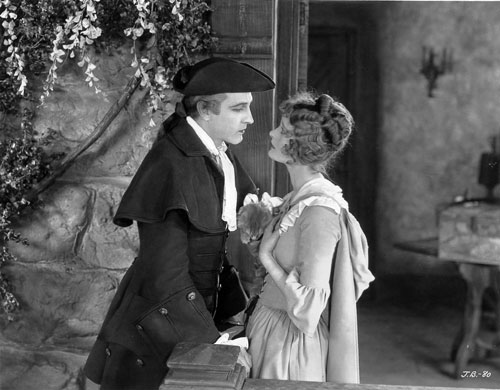
John Barrymore and Delores Costello in When a Man Loves (1927)
Have you booked your fights yet? The 33rd edition of the world’s most prestigious silent film festival in Pordenone, Italy is looming – it will take place from 4-11 October, and tantalisingly, a few details have already been released. There are a few screenings already listed on the official website, and a shiny new press release (written in Italian) too. With the help of Google translate, let me tell you what I learned on the internet.
I can tell you that there will be a gala screening on the last night of Chaplin‘s City Lights, with an orchestra playing the director’s original score, as reconstructed byTimothy Brock. Günter Buchwald will conduct. Elsewhere in the festival, four Chaplin shorts will screen with Benshi narration by Kenka Yasubei, who will also voice a classic Japanese film.
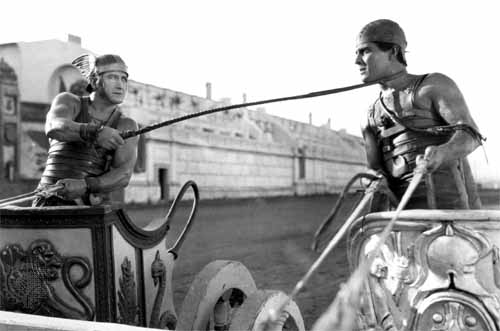
Ben-Hur (1925)
Did you know that this year marks the centenary of Technicolor? A dedicated strand at the Giornate will screen 30 full-length films and clips that showcase the pioneering colour technology. Watch out for The Black Pirate (1926) and Ben-Hur (1925).
Hollywood royalty will be celebrated at Pordenone with a showcase for the silent films made by the Barrymore acting dynasty, including Dr Jekyll and Mr Hyde (1920), The Copperhead (1919), The Beloved Rogue (1927) and Beau Brummel (1924) – plus the two surviving reels of The Eternal City (1922). Films starring John, Ethel and Lionel Barrymore will be shown across the week, with When a Man Loves (The Loves of Manon Lescaut), 1927, starring “the Great Profile” himself and Delores Costello opening the Giornate on 4 October. When a Man Loves will be presented with its original Vitaphone soundtrack, composed by Henry Kimball Hadley, and will be supported by a programme of Vitaphone shorts.
A section entitled Russian Laughter will present comedies directed by Yakov Protazanov, selected by Peter Bagrov of Gosfilmofond in Moscow.
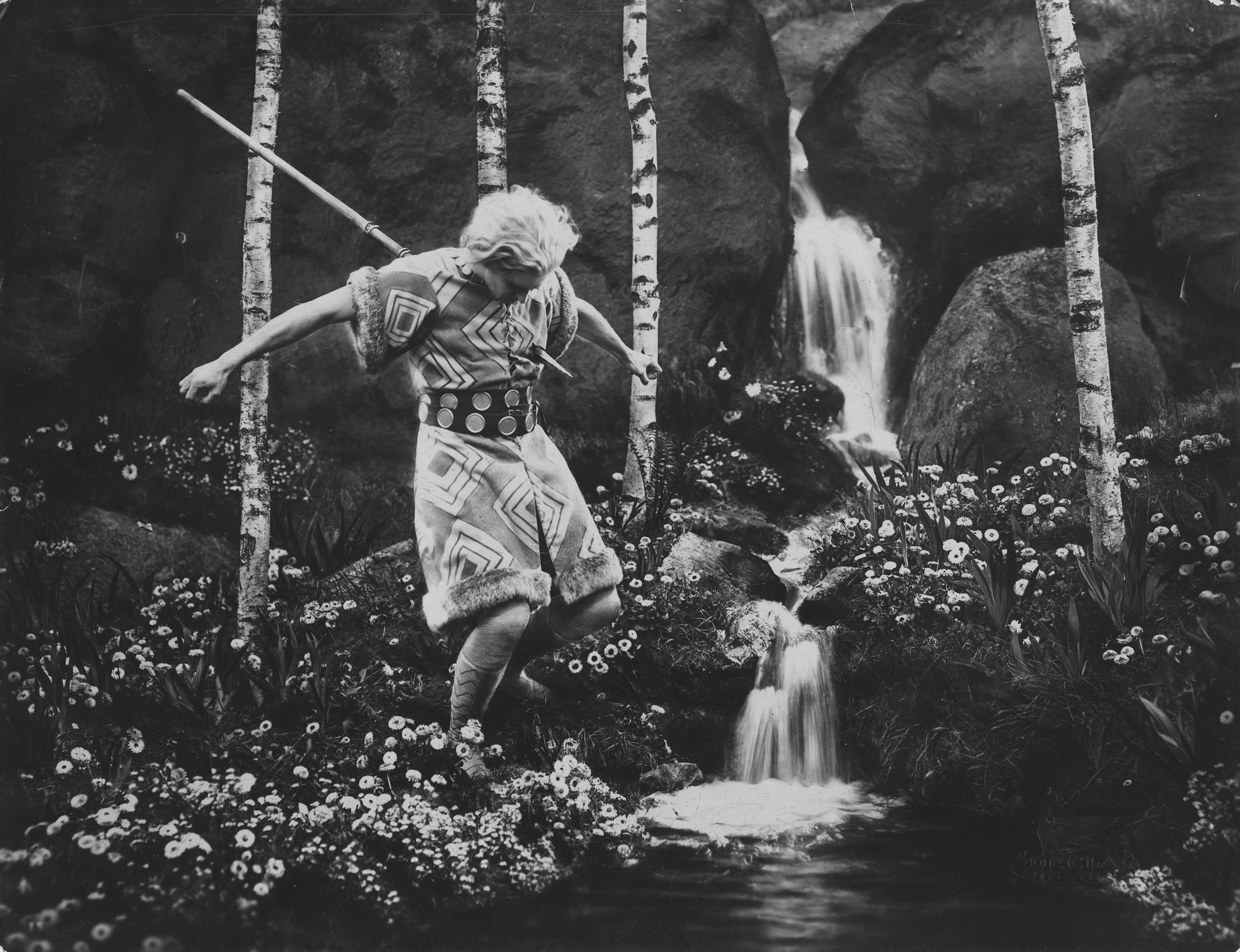
Die Nibelungen (1924)
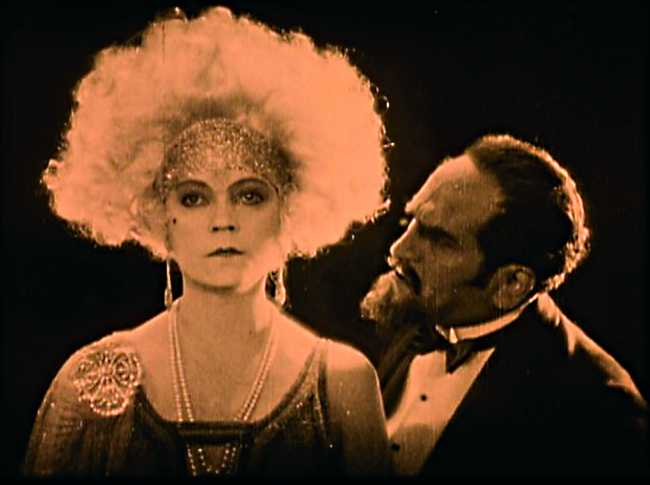
The Canon Revisited, curated by Paolo Cherch Usai, is always popular and this year will feature Raoul Walsh’s gangster drama Regeneration (1915), both parts of Fritz Lang’s Die Nibelungen (1924) and Pudovkin’s epic Storm over Asia (1928). Also: GW Pabst’s Die Liebe der Jeanne Ney (1927) and Mauritz Stiller’s Herr Arnes Pengar (1919)
Hand-coloured films by George Méliès will be shown by AIRSC .
New discoveries and restorations at the festival this year will include Conrad Wiene’s adaptaion of Tolstoy’s The Power of Darkness (1924).
Battleship Potemkin (1925)
And finally … the sound version, yes sound version of Battleship Potemkin – a 1930 German release with a soundtrack recorded on disc.
Want more? This Nitrateville post from a few weeks ago contains a few extra titles – some of which are very exciting indeed. Premature? Out of date? Who knows? More fuel for the rumour mill, anyway.
That’s all, folks. I don’t know about the other festival delegates, but I am utterly and completely scherben*. it has been a fantastic festival: eight days to wallow in the full diversity of what we call silent cinema. I have learned a lot, met some wonderful people and enjoyed many, many movies.
The final day began with rain, a sleepy trek to the Cinemazero and some really quite startling footage, completely unsuited to the tender hour. I am not talking about Felix the Cat, who entertained a select crowd with his adventures as a wildlife documentarian in Felix the Cat in Jungle Bungles (1928). I am talking about the new documentary feature by David Cairns and Paul Duane, Natan. This award-winning doc tells the truth, or attempts to, about Bernard Natan and his incredible life.
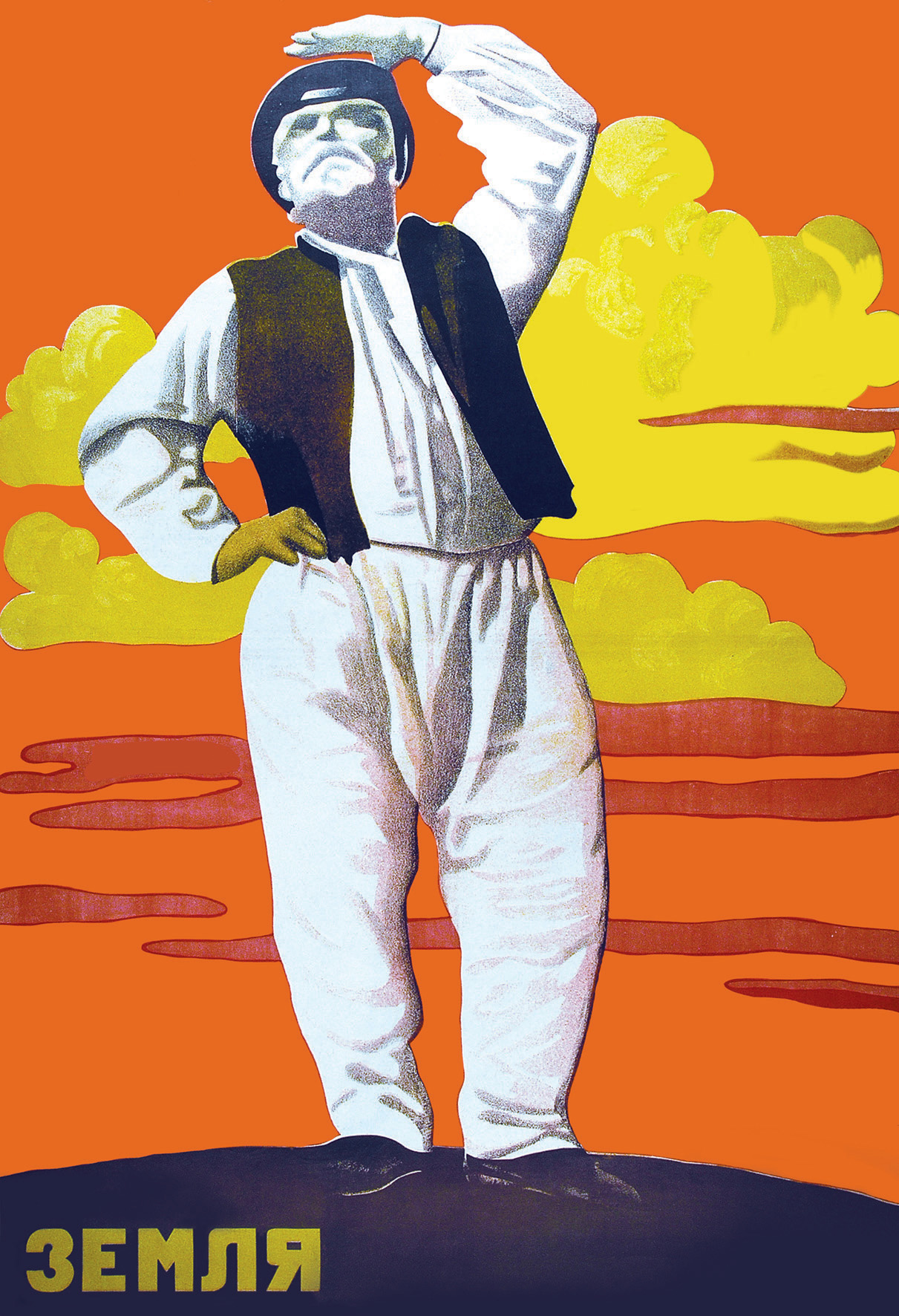
Earth (1930) Oleksandr Dovzhenko National Centre, Kiev
Lucky number seven. Today was a red-letter-day in Pordenone for many reasons. I rewatched one of my all-time favourite films, Anny Ondra finally came good, and I managed my first Felix-to-Ko-Ko shift (with a few breaks in between). No wonder I’ve got that Friday feeling.
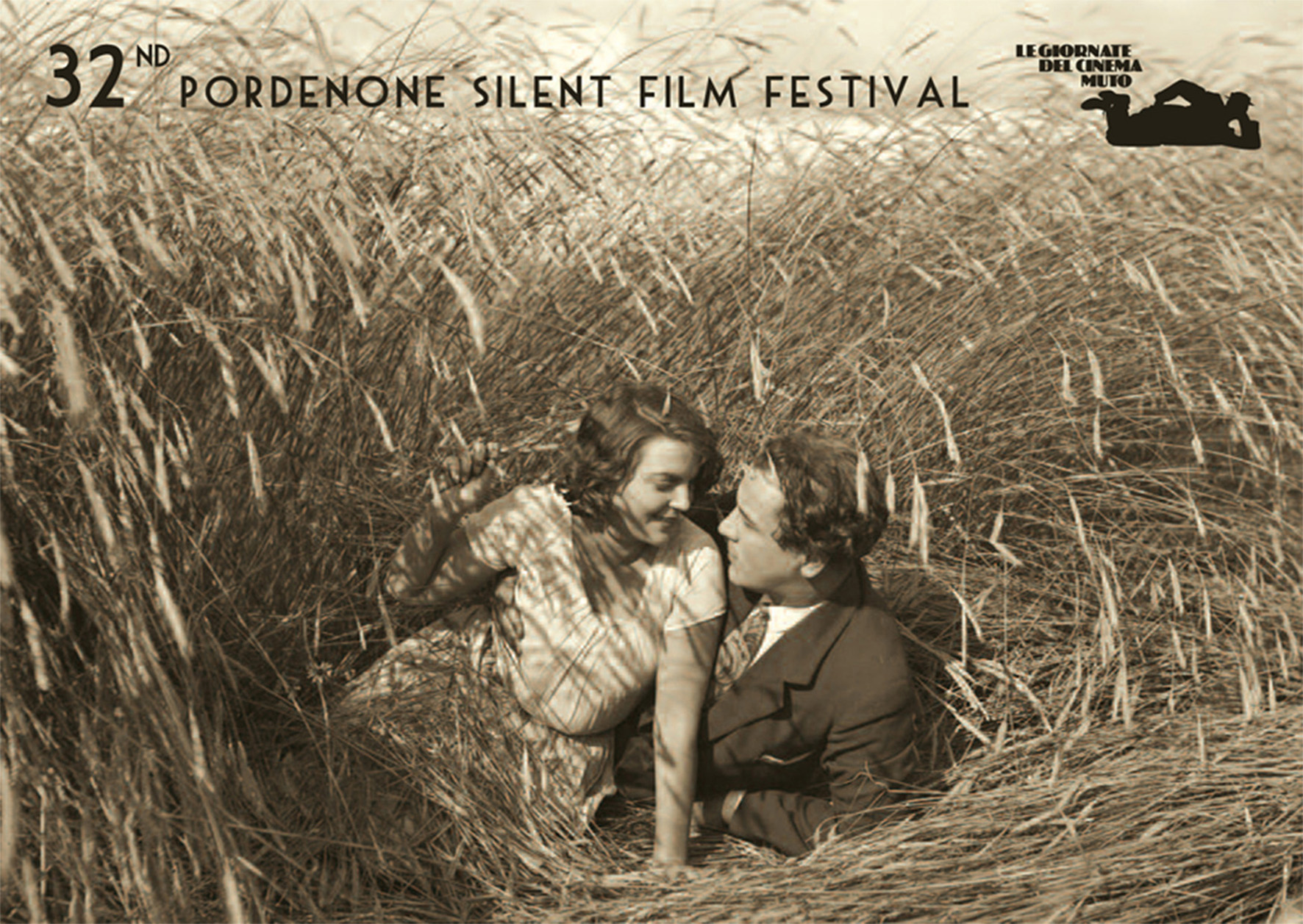
Excluding the charming cartoons (although strictly we shouldn’t) the day opened, and closed, with rippling cornfields. First up was Zemlya (Earth, 1930): Dovzhenko’s classic hymn to nature. It played in the Ukrainian strand, with an impressive recorded score by DakhaBrakha. Just sublime and well worth the early start.
Giornate del Cinema Muto 2013
The day’s final cornfields came courtesy of the Swedish programme, and Rågens Rike (The Kingdom of Rye, 1929): a sumptous rural romantic drama with extra mysticism, sex and violence. Very Thomas Hardy. Gorgeously photographed, with flashes of Expressionism, it was directed by Ivan Johansson and adapted from a Finnish poem. Like so many of these Swedish films, it concerns a couple happily in love and the complications keeping them apart. The ending is beautiful, but as we’ve come to expect, slooooooow. It couldn’t be much more different from Earth, but there was a pleasing unity to the day, really.
Another disappointing Anny Ondra performance – but in an unforgettable movie – two Mothers, a part-talkie that wants to be a silent, a Lamprecht with a happy ending, and Buster Keaton with a Benshi. Day six at Pordenone, coming right up.
Let us begin with Anny Ondra. It has been extremely stressful. On paper, a programme of early films made by the bewitching star of The Manxman and Blackmail, Czechoslovakia’s first true silent movie star, promised to be my festival highlight. The reality has been brutal. In these early roles Ondra has had terribly little to do and been physically encumbered by towers of curls on her head and tentlike, unflattering dresses too. She has also, I would venture, been horribly underdirected. Hitchcock may have been a brute, but he would not have stood for her gazing into the near distance, twiddling her hair, when the camera was turning. Maybe she just needed a decent part to get her teeth stuck into; maybe the Czech film industry just didn’t know what they had in her. Maybe …
Otrávené svìtlo (1921) árodní filmový archiv, Praha
Anyway, we’ve seen some enjoyable if occasionally hamfisted movies in this strand, and while there has been not as much as we hoped to see from Ondra, I am calling her sometime husband Karel Lamac as the hardest-working man in the Prague movie industry at the time. We have seen drama, action and slapstick from this chap. And he even directed some of these flicks, including today’s absurdity, which was admittedly early in his career. Otrávené Svetlo (The Poisoned Light, 1921) was a bizarre concoction almost like an adventure serial, with a meandering plot, ever-present danger and nonsensical movie-science of the highest order. Lamac stars as well as directs, in a story that contains much codswallop, but principally codswallop concerning a series of assassinations carried out via toxic lightbulbs. When the filament gets too hot, the glass shatters, releasing … poison gas! Thus, late in the movie, we have the threat of murder courtesy of a desk lamp. An anglepoisoning. Ondra appears to be tranquilised, Lamac is heaving the whole messy endeavour on his broad shoulders and, yes, the quarry sequences are quite nice. I bust a gut laughing: definitely in the so-bad-it’s-good-OK-maybe-it’s-just-bad-no-stuff-it-I’ve-not-had-this-much-fun-in-years camp. Camp being the operative word.
Today at the Giornate was dominated by the early evening show – the premiere of Orson Welles’s lost-and found experiment Too Much Johnson (1938). So much so that it gets its own post to itself. For everything else from day five at Pordenone, read on …
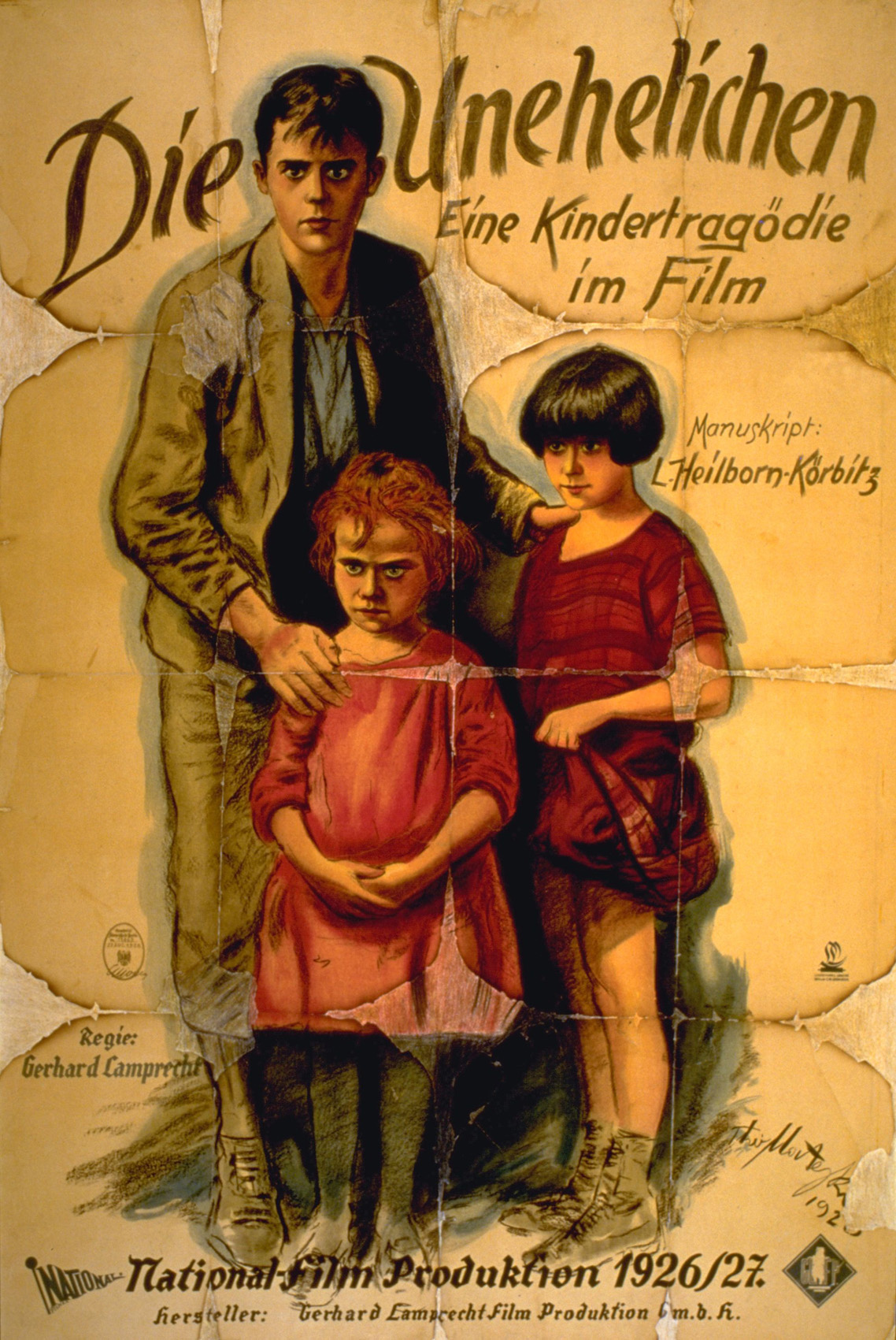
My Wednesday began, as Tuesday had ended, on the street corners of Weimar Berlin, with Gerhard Lamprecht. Die Verrufenen (The Slums of Berlin/The Fifth Estate, 1925) was not as immaculate as Unter der Laterne, which I adored, but it was close. It’s another social problem film – the issue here being the struggles faced by prisoners on release. Our hero is a middle-class engineer emerging from a short sentence for perjury: dumped, disowned and unemployed, he finds himself suddenly among the “outcasts” in the slum districts. You may raise a cynical eyebrow and suggest that the posh boy lands on his feet and does rather better for himself than his fellow down-and-outs. Your assumptions would be correct. A (mostly) vividly drawn cast of characters, some poignant confrontations and yet more wonderful child performances tugged at my heartstrings and overcame my scepticism, though. Excellent, excellent stuff.
A Day With John Burroughs (1919) George Eastman House Motion Picture Department Collection
It was another strong day, and an emotional one too, not least because we were saying our first farewells to the Corrick Collection. There’s just one more batch of these strange and vivid early films to go (on Saturday) before they depart the Giornate schedule for good.
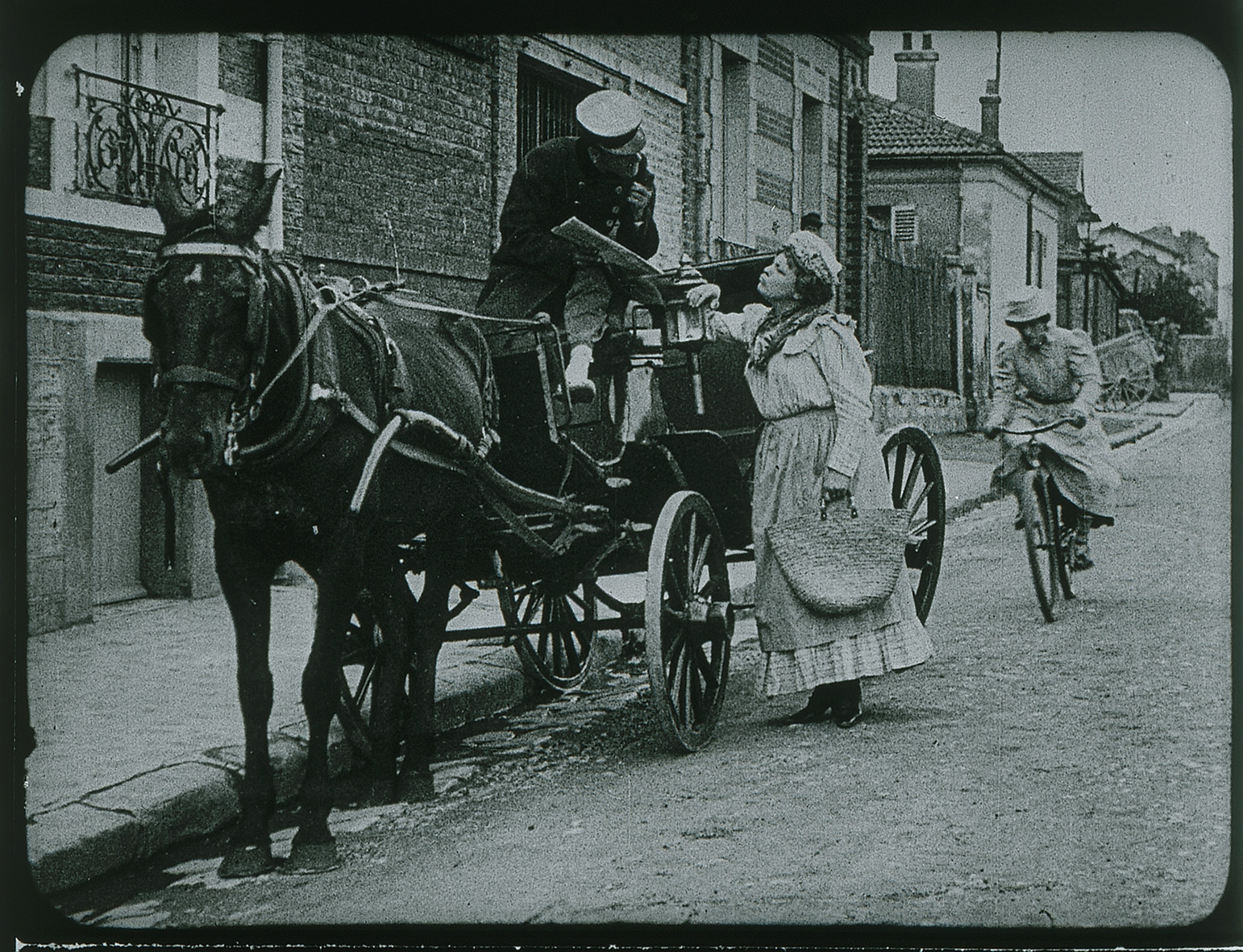
Première Sortie d’une Cycliste (1907) National Film & Sound Archive, Canberra
Today’s selection brought us an increasingly rare moment of comedy in the form of the three-minute romp Première Sortie d’une Cycliste (1907), fascinating early 1900s street scenes from China and Japan, a stencil-tinted biblical drama by Louis Feuillade (Aux Lions les Chrétiens, 1911) and some outrageous examples of animal cruelty, from quail-fighting to a brutal twist on archery in Distraction et Sport à Batavia (1911)
Shock of the day was short of Javanese 'sport' where they used a live duck as an static archery target. One right in the neck, yeesh. #GCM32
There was more early cinema to savour in Patrick Cazals’ documentary portrait of French star and film-maker Musidora. There was far more to her career than Les Vampires and Judex. She was a prolific writer (of letters, poems and scripts); a painter; a director; a film historian at the Cinématheque; a feminist icon; and yes, a muse to many. Where Musidora, la Dixieme Muse (2013) succeeded best was in interviewing her relatives – who could speak to her personality as well as her polymathic achievements. An affectionate hour. A recording of the woman herself included in the doc captured her opining that films should be produced like good books, with images worth revisiting 20 years after they are made. As the Verdi crowd watched, rapt, as clips of Musidora in her first screen appearance (Le Misères de l’Aiguille, 1913) played, we can fault her only on the scale of her ambition.
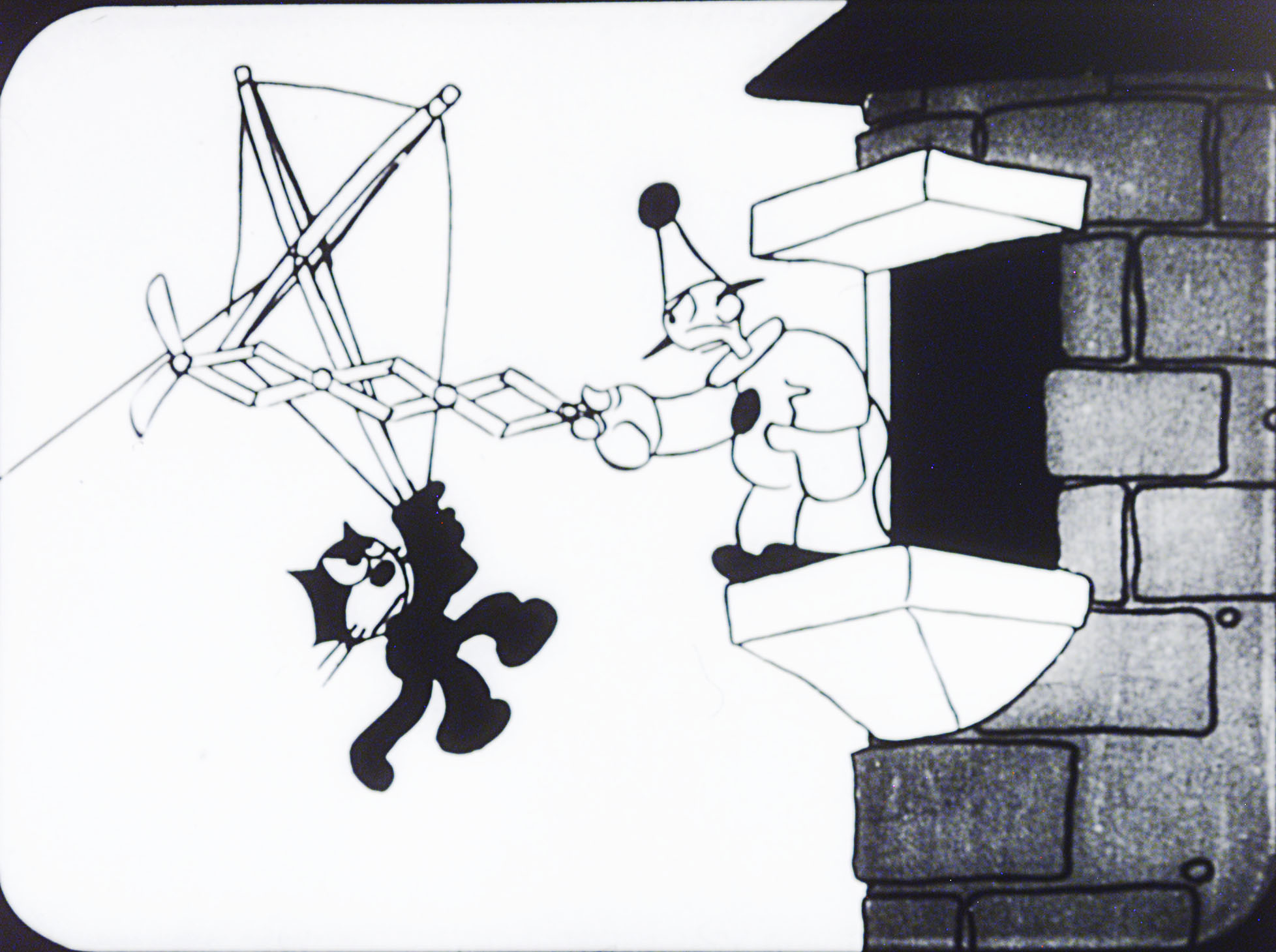
An outstanding day at the Giornate: a varied programme of astonishing films, and excellent musical accompaniment. So while it was drizzly and grey outside, inside the Teatro Verdi all looked bright, even if most of the films tended towards bleakness. After the delightfully sugary surrealism of Felix Trips Thru Toyland (1925) for breakfast, the Giornate hit us with some heavy emotional dramas today – and I relished them.
Felix Trips Thru Toyland (1925)
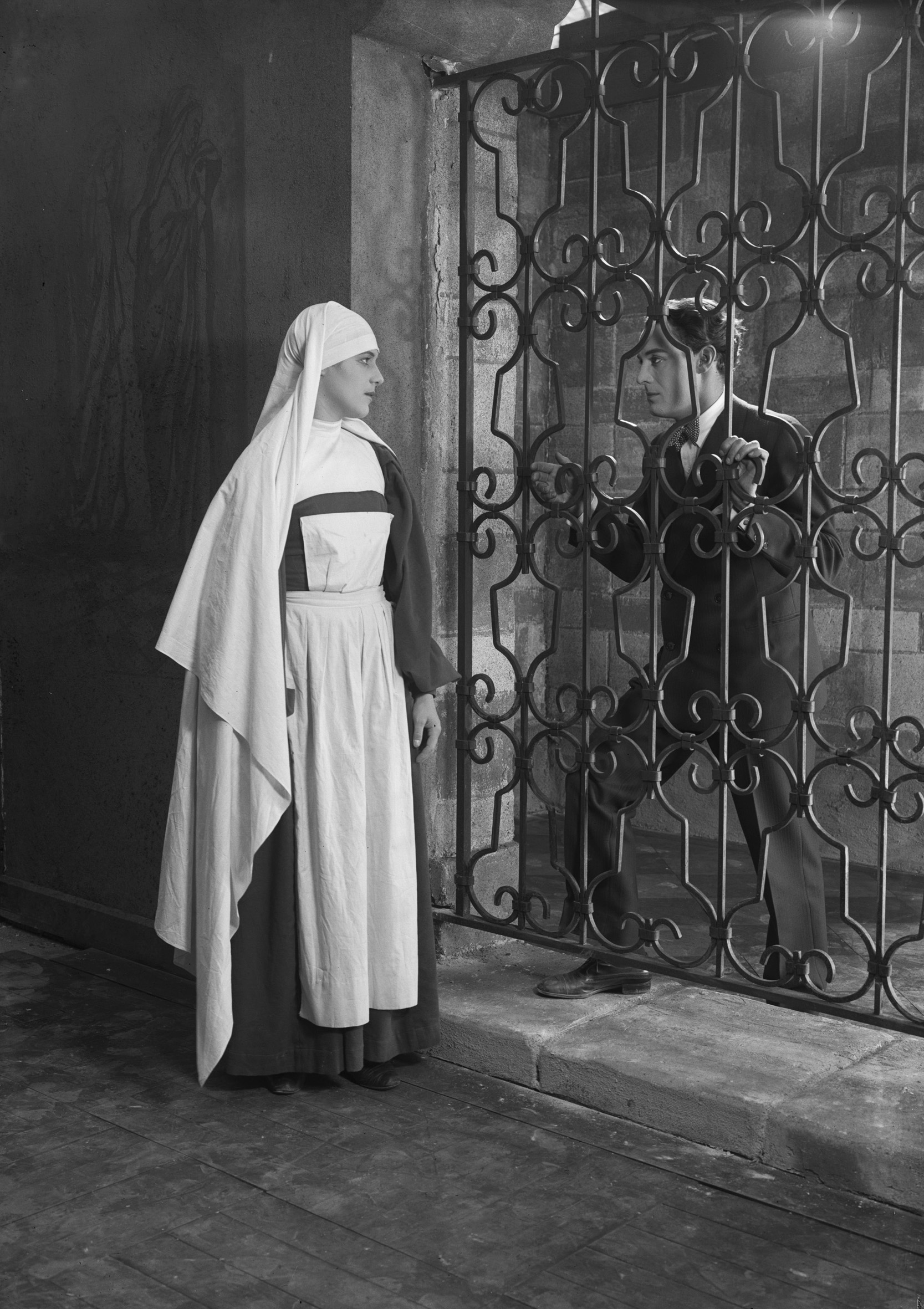
The slow but seductive tearjerker Förseglade läppar (Sealed Lips, 1927) is the title track of the Swedish strand and it was a real beauty, directed by Gustaf Molander. Karin Swanström, director-star of Flickan i Frack pops up again (all too briefly as a jealous wife) in this Italian-set romance between a convent schoolgirl and a married English painter. Misunderstandings, emotional repression and heartbreak reverberated against a backdrop of stunning scenery, and with a nuanced, textured score by Stephen Horne too. All I spoke to agreed that the show was stolen by Stina Berg (also seen in Polis Paulus Paskasmäll) as the snuff-snorting nun Sister Scolastica – at her best when engaged in a comedy double-cat with a recalcitrant donkey. The opening sequence, in which Scolastica attempts to take her young charge to the train station was a beautifully simple idea, warmly and expertly played out.
Förseglade läppar (Sealed Lips, 1927)
The second Swedish title of the day came with a warning attached: it starts slow, cautioned the Giornate programme, but soon warms up. Did it ever. In Den Starkaste (The Strongest, 1929) two sailors compete for the hand of the skipper’s daughter, and despite her clear preference for one, and via many complications, they take their macho competitive streaks out into the Arctic Ocean where they are hunting on rival vessels. Blood is spilt on the glaciers, most of it belonging to seals – and in the staggering last reel, polar bears. Polar bears! The Arctic photography is crisp and gorgeous (especially when soundtracked by John Sweeney on the piano), and comes courtesy of expert Swedish cinematographer Axel Lindblom – who is also said to have photographed A Cottage on Dartmoor, more of which tomorrow.
They say the world is divided between night owls and early-rising larks. Here at the Giornate, we split in two similar camps: are you up and at ’em first thing for Felix the Cat, who opens each day of the festival, or up all night with curtain-closer Koko the Clown? Your humble correspondent, it seems, is very much a cat person.
And by lunchtime today I was longing for the narrative simplicity of our lovable early morning Felix cartoon (Felix Loses Out, 1924). There was much to enjoy in the morning screenings, but either my mind was especially feeble or the plotting in some of the comedies was needlessly complex. First up, we had a Czech Anny Ondra double-bill. Chytÿte ho! (1925) was a romp and a half – Ondra plays a young lady whose guardian was a chronic gambler. There is a charming but dissolute artist, a gang of robbers and all kinds of shenanigans involving a stolen dowry. Ondra is all impish charm when in front of the camera, but most of the running time was taken up by male lead Karel Lamac undertaking a series of increasingly inventive comic stunts – the only shame was that the execution fell short of the imagination. Still lively stuff, and for me, preferable to the following film, Dáma S Malou Nozkou (The Lady with the Small Foot, 1920). A couple of amateur sleuths, one wily, one scrappy and dwarfish, attempt to recover a case of stolen money. It’s a strange film, made stranger by a missing length of film that renders one subplot barely intelligible. Strange too, in that it resists the expected narrative resolution. As it says in an intertitle, it’s a “comical piece about a detective, who discovered nothing, but found his true love”. Anny Ondra appears briefly as a young lady who has feet that are small, shapely and completely irrelevant to the plot. Anny, meet the “MacGuffin”, your friend Alfred will tell you more later …
Polis Paulus’ påskasmäll (1925) Filmografinr: 1925/11
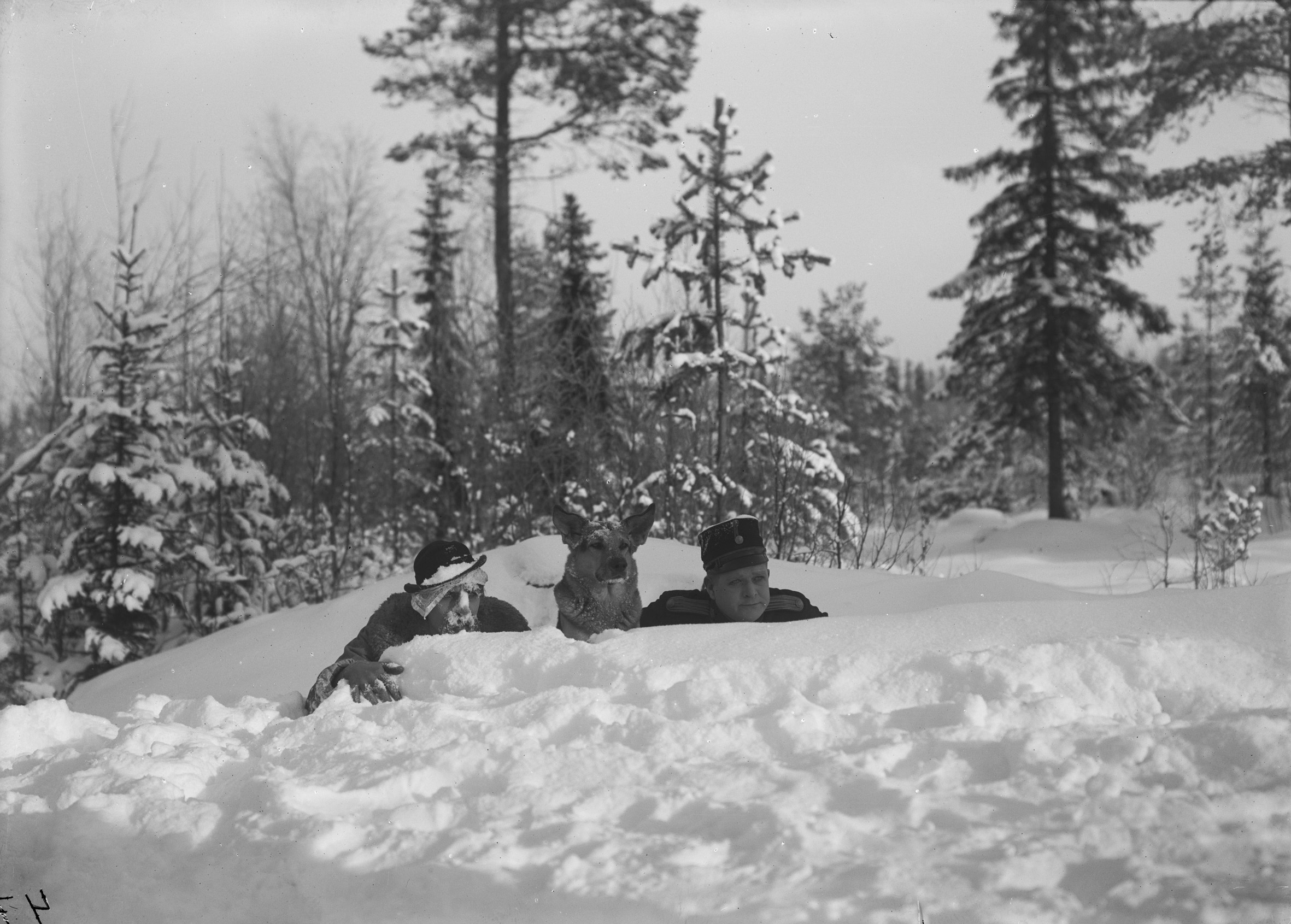
I had little time for Polis Paulus Paskasmäll (The Smugglers, 1925) in the Swedish strand, though others heartily enjoyed it. Its stars were a famous comic duo in Denmark, though as far as I could tell their humour was based on the fact that one was shorter and fatter than the other, who in turn had a ridiculous moustache. Bucketloads of plot here, too, as love affairs, criminal schemes and old rivalries cause havoc among the residents and staff of a ski hotel. There was some excellent slapstick here (a sequence in which the taller comedian dressed himself in a bearskin rub, notably) but though you may call me shallow for it, my favourite thing in this film was leading lady Lili Lani’s chic winter wardrobe.
Hello. Has it really been a whole year since this? Hold on to your bonnets, because we are back in Pordenone and it’s Saturday night. It’s time. To face. The silents.
Which is another way of saying the the 32nd Giornate del Cinema Muto has begun, and just a few hours in, we have have had a sampler of diverse treats to come.
Flickan i frack (1926)
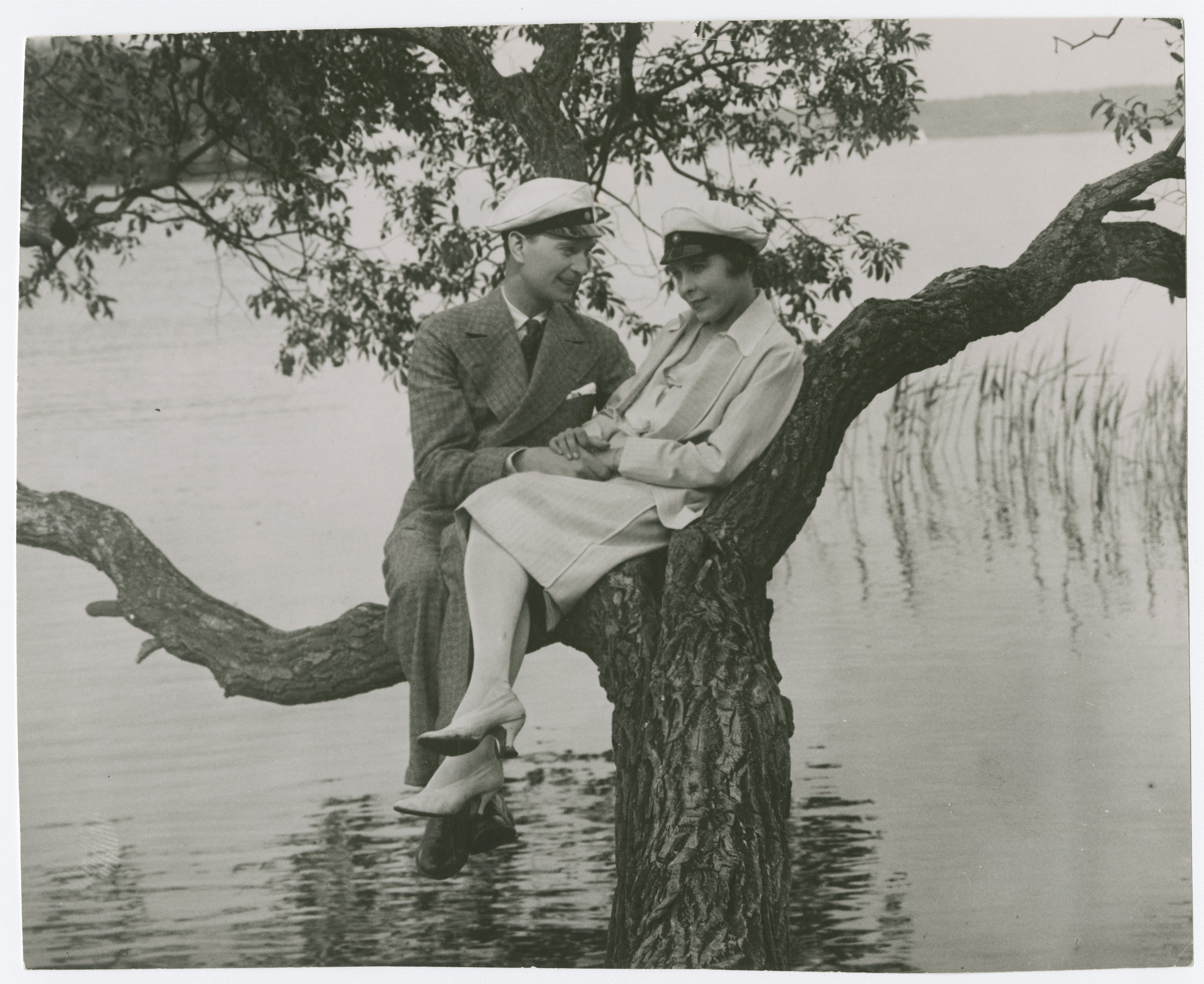
My highlight of the first day comes from Sealed Lips, the Swedish strand of the programme that I had big hopes for. Flickan i Frack (The Girl in Tails, 1926) is essentially a teen rom-com, but one saturated in enough intersectional goodness for a PhD dissertation or two. The population of a small provincial town get themselves into terrible muddles by going about various kinds of drag – dressing up or down socially, mostly, but there is also moral posturing, intellectual pretension and, crucially, some audacious transvestism in the mix. Despite such a heavy burden of subtext and inference, Flickan i Frack is light on its feet, witty and winningly romantic. It was directed by Karin Swanström, better known perhaps as an actress – and it is very much a female-oriented film, from its bright heroine who attends her graduation ball in a man’s dress suit (just to make a point, with seemingly no fear that her boyfriend might dislike it, and looking utterly fabulous) to the malevolent matriarch upon whom her future happiness depends (played brilliant by Swanström) and the “wild herd of learned women” who loiter ambiguously in the background.
Gilly poprv v Praze (1920)
But I am getting ahead of myself. My first glimpse of the festival, as I scurried in late to the first session, was of Anny Ondra, plonked on a hay cart and throwing a fit. The minutes I caught of Gilly Poprvé v Praze (1920) were a lively, rowdy introduction to the Giornate’s Ondra retrospective. It was also far shorter and sweeter than the following feature. Setrele Písmo (The Missing Letters, 1921), was a messy, rather over-extended and patchy film about (bear with me) two sculptors (one morally lax and successful, the other upstanding and impoverished) the former’s two models (one vengeful and brunette, one blonde and rather dull), a couple of palimpsests, some hidden treasure, the construction industry and public arts funding. Nice funicular sequence. Ondra, in an early and atypical role as the second model, was called on to do little more than pose on a pedestal, play with a puppy and pout prettily. To be fair to the film, as we must, it was the product of a garbled production process, incorporating footage from an earlier movie. No wonder its plot had as many layers as one of those palimpsests.
It’s an unbelievable discovery, “stranger than fiction” as Paolo Cherchi Usai of the George Eastman House told me. Orson Welles’s 1938 silent movie Too Much Johnson, believed to be lost, destroyed in a fire, has finally turned up. Not only that, the film, which is admittedly just a work print, was discovered in a warehouse in Pordenone, home of the prestigious Giornate del Cinema Muto.
Rejoice, if you are going to Pordenone this year, because Too Much Johnson will have its premiere at the festival, on 9 October 2013, before screening at the George Eastman House (where the film was restored) in the US the following week. Cast your eyes on this lovely video preview of the film – and then click here to read a short piece I wrote for the Guardian about the film and its rediscovery. In it, Cherchi Usai tells me that the Welles film this lost-and-found work reminds him most of … is none other than Citizan Kane.
Cléo de Mérode dances Photograph: Cinémathèque française / Gaumont Pathé Archives, Paris
This is a guest post for Silent London by Neil Brand.
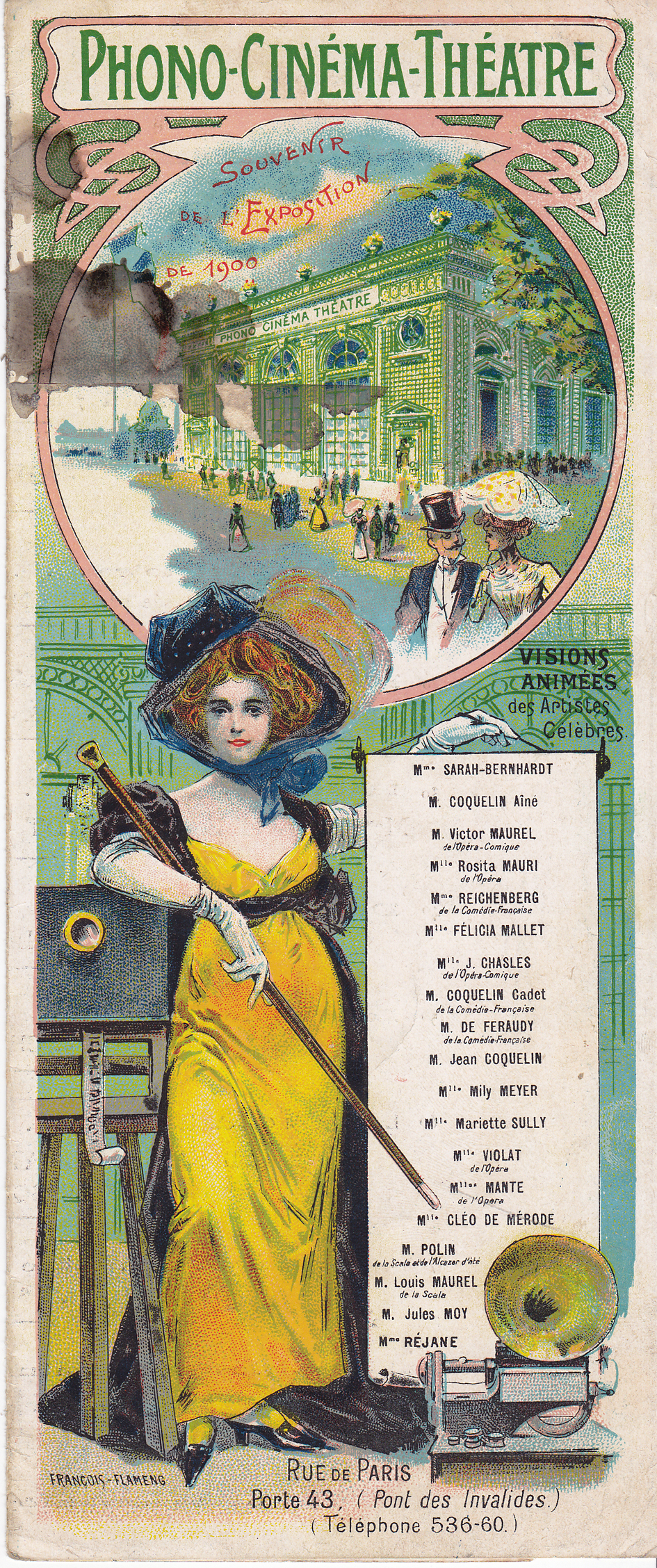
Among the gorgeously designed pavilions on the banks of the Seine at the Paris Exposition of 1900 was a small, ornate theatre called the Phono-Cinéma-Théatre, which contained a screen and a small musical ensemble. Across the screen moved the greatest actors, dancers, mimes and clowns of the day – they spoke, they sang, they moved to music provided by musicians playing live and they were often in exquisite, hand-tinted colour. Five years after the birth of cinema, film and recorded sound brought France’s finest theatrical artists to mechanical life for the lucky generation of fin-de-siècle Paris. It was ephemera among ephemera, Toulouse-Lautrec’s posters pulled aside to reveal the artists that inspired him, and, of course, not made to last – half a century of progress and war on an industrial scale would sweep away those films and the spirit of The Banquet Years, as well as millions of those lucky or wealthy enough to experience them, leaving the rest of us with just the books, the posters, a few photos … until last week.
Phono-Cinéma-Théatre poster. Photograph: David Robinson Collection
On Thursday last the Giornate del Cinema Muto in Pordenone, Italy, showed 23 surviving films of the 41 originally shot, most complete with their hand-colouring, many with their synchronised sound, almost all accompanied live by a small ensemble directed and arranged by John Sweeney. John had spent months finding as much of the original music to the dances and songs as possible, then rehearsed synchronising them to the pre-recorded singing and dancers’ steps, which were set in stone over a hundred years ago – the result was an astounding time-bridge that placed us all more viscerally in the Paris Exposition auditorium than any sound and image record could have done – the artists were now performing for us, their movements driven by John’s piano, their eyes returning our gaze and their efforts aimed at pleasing us.
It was all so relaxed – Little Tich missed a catch with his hat but just picked it up and carried on as if nothing had happened, the odd dance step was fumbled, but unlike the stiff subjects of so much still photography of the time, our performers did what they did for the camera just as they had done on stage for years (in some cases decades), blissfully uncaring of giving a “definitive” performance or of the legacy of our critical response from an unimaginable distance of posterity.
Sarah Bernhardt fought Hamlet’s duel beautifully, despite her 56 years, and with the addition of Frank Bockius’s uncannily precise sword clashes on triangle; Emilio Cossira sang Romeo’s aria from Gounod’s opera silently, his voice reproduced by Romano Todesco’s single notes on accordion, the intent of feeling vibrant in his features and his genial return for a second bow – Mariette Sully wrung genuine comedy out of singing and dancing “La Poupée” and Cléo de Mérode, La Grande Horizontale to many of the crowned heads of Europe, danced in the way that had turned those heads in the first place.
Sarah Bernhardt in Hamlet Photograph: Cinémathèque Française/Gaumont Pathé Archives, Paris
We found out what made 1900 audiences laugh, thanks to Jules Moy’s anarchic dancing master and Polin’s Troupier Pompette singing about, among other things, stroking a lady’s leg, wondering at the lack of resistance and, on raising her skirt, realising he is touching up the table leg. The entire 90-minute show was a triumph of 1900 and 2012 technology – I have worked with early film for 30 years, and never have I felt so privileged to see these wonders more clearly than any generation before, even the one for which they were intended.
Little Tich Photograph: Cinémathèque Française/Gaumont Pathé Archives, Paris
Above all, I now feel I understand turn-of-the-century Paris with a profundity that was impossible before last Thursday night – its potency, its sexuality, within which the highest arts of performance were also the most immediately sensual and arresting, its gaiety and love of sensation, the vibrancy and diversity of its entertainments. The combined efforts of the Cinémathèque Française, Gaumont, Lobster Films, Olivier Auboin-Vermorel and the historical and aesthetic energy of Pordenone director David Robinson have brought not just a corpse but a memory back to life – theatre as film as theatre, a heady concoction only available through the medium of “silent film” – in London, the equivalent would be seeing a complete night at the music hall from 1900, in full colour and with synchronised sound – for now, London must get to see this show, preferably in the perfect surroundings of Hackney Empire where the artists can emerge from the proscenium arch of a Matcham theatre – but maybe after Paris has seen its own long-lost child, this November at the Cinémathèque Française – and, of course, John Sweeney and his ensemble will be there to assist at the rebirth.
Greetings! I’m just back from spending a week at the 31st Giornate del Cinema Muto in Pordenone, Italy. Between sipping espresso and circling my favourite films in the schedule, I spoke to some of my fellow travellers about their experiences of this wonderful week of silent cinema. You’ll find full coverage of the festival on Silent London by clicking here, but in the meantime, enjoy this short podcast.
The choices we make in life define us, and this morning I got up bright and early for Viktor Turin’s Provokator (1927), but gave early Selig feature The Ne’er-do-Well (1916) a miss. Did I do right to choose Anna Sten’s anguished student and her revolutionary chums over Kathlyn Williams and the adventures of the rich and beautiful? I don’t know. Provokator, which marks Sten’s cinema debut, was occasionally stirring, but mostly on the pedestrian side, though a raid on the revolutionaries’ den was rather fine, boosted by terrific accompaniment from Gabriel Thibaudeau and Frank Bockius.
Walter Summers
Where I may have erred is in choosing such a downbeat opener on a day that was to close with GW Pabst’s heartbreaking social critique Die Freudlose Gasse (1925). However, I am getting ahead of myself. My afternoon was perked up considerably by the patriotic hubbub around Walter Summers’ lovely postwar tearjerker A Couple of Down-and-Outs (1923), introduced by the producer’s grandson Sidney Samuelson, who was seeing the film for the first time. What could be a very harrowing tale is handled with care, as Rex Davis’s Danny finds unlikely allies when he rescues his war horse from a foreign abattoir: manipulative, but charming with it.
The audience groaned in unison at the start of the next screening, as another tranche of German animated shorts kicked off with a toothpaste advert featuring the “tooth devil” cracking open a poor vulnerable gnasher with his drill. It was, as before, a diverting and diverse hour. In the name of commerce, all kinds of unlikely objects have been animated: detergent, rolling pins, matchboxes, kettles and even, in a sweet but fussy stop-motion ad for aspirin, a silent-film star and director (Im Filmatelier, 1927). Günter Buchwald at the piano followed with apparent ease the rapid changes of subject-matter, media and mood – as when a promo film for a department store dwelt proffered a new suit as a suicide-prevention measure (Der Hartnäckige Selbstmörder, 1925).
Asta Nielsen in Die Freudlose Gasse (1925)
I have a date with Greta Garbo in A Woman of Affairs (1928) on Saturday, but I spent Friday night with both Garbo and Asta Nielsen in the elegant but emotionally gruelling Die Freudlose Gasse (1925), giving a beautiful face to the seedy economic exploitation of women in 1920s Vienna. Both the lead stars are fantastic, and supported by a cast of wonderful character actors including Valeska Gert as a pixie-faced madam. Pabst’s direction veers between sober restraint and wild bouts of inventive, unchained camera excitement. This new print is not quite complete, but mostly crisp, with deep tinting, most especially effective in a fire scene towards the end.
Accidentally profound statement of the day: “The joyless street is long,” exclaimed I, when I read in the catalogue that Die Freudlose Gasse clocks in at 151 minutes long in its present state. It ran for closer to three hours at the Berlin film festival, apparently, but that was based on a projection speed of 16fps, as opposed to the Giornate’s 19fps. Phew.
For full details of these and all other films in the festival, the Giornate catalogue is available as a PDF by following this link.
An exceptionally strong and varied day at the Giornate: Soviet montage, German arthouse, a British drama, Dickens in Danish, early sound films and a big, fat two-strip Technicolor feature in the evening.
Anna Sten took centre-stage on Thursday morning in two very different films set in pre-revolutionary Russia. In The White Eagle (Yakov Protazanov, 1928) she plays a governess, working for a governor who orders soldiers to fire on a crowd of protesting workers. Sten is horrified, and while her boss has largely ineffectual pangs of remorse, she decides to take matters, and a pearl-handled revolver, into her own hands. Protazanov called the film a “low tide” but it’s actually very stirring and although it’s not Sten’s finest performance, by all accounts she had a strong working relationship with the director. It’s an engrossing film, which compares chains of command to chains of oppression and explores guilt and revenge in interesting ways. For example, the way the governor’s peers avoid him as soon as they learn he may be the target of a terrorist attack, while the Bolsheviks refuse to single out one victim for their vengeance.
The White Eagle is largely extant, but exists only in an incomplete print. We have even less of Merchants of Glory (Leonid Obolenskii, 1929), which is a shame, because it’s a strange, invigorating number, loosely based on a play by Marcel Pagnol and Pierre Nivoix. Henri Bachelet is a military hero, who died a noble death and is lionised by his family and community, so much so that his father is urged to transform his popular sympathy into political clout by running for office – and his wife marries a rich factory owner and sidesteps into a life of luxury. Only his quiet cousin (Sten) remains unchanged by Bachelet’s posthumous fame, and through her eyes we see injustices such as the way that wounded soldiers are treated by the regime they fought for. Wouldn’t the political bigwigs be surprised to learn that Bachelet was a communist sympathiser?
In the telling of this tale, Obolenskii gives us a sumptuous ball, battle scenes and even dance numbers. The finale, in which Bachelet, who has unexpectedly been found alive and well, defaces his own portrait and is attacked by his father’s friends, must have been magnificent, but is sadly almost all missing and relayed by still frames for the most part in this print.
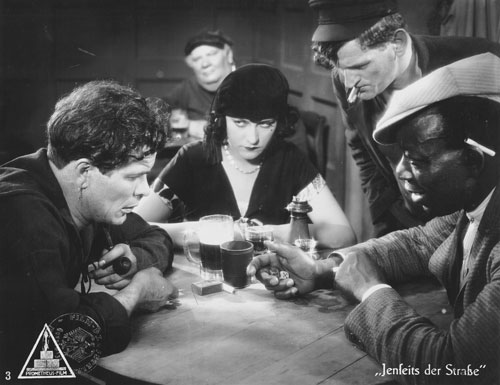
The two Stens made for a strong morning, but my highlight was a lyrical German film that came between them, called Jenseits der Strasse or Harbor Drift (Leo Mittler, 1929). A beggar nabs a pearl necklace from a puddle, and promises to share the profits on its sale with a new-found drifter pal, all the while a prostitute plans to take it, and sell it herself … Impressionistic, oddly noirish, tragic and ultimately dark-hearted, this is a real find. The film has been championed for a few years now by Stephen Horne, who accompanied it beautifully on piano, flute, accordion and zither. The recent discovery of the film’s previously missing reel makes this gem ripe for restoration, and a wider audience.
Sarah Bernhardt in Hamlet Photograph: Cinémathèque Française/Gaumont Pathé Archives, Paris
After lunch there was a chance to see The Unwanted (1924), a new find from the hand of Walter Summers. I had seen it in London, so skipped it, but was pleased that the film’s strengths (the Venetian opening, mountain scenes and burst of battle towards the end), played well on the big screen at the Teatro Verdi.
Lille Dorrit (1924), was a sumptuous Danish adaption though necessarily a simplification of Dickens’ weighty classic. A winsome Amy Dorrit (Karina Bell), a sprightly Maggy (Karen Caspersen) and an eccentric, avuncular “father of Marshalsea” (Frederik Jensen) combined with gorgeous sets – and benefited here too from a crisp, bright print. Dickens fatigue has not yet set in here and with beauties such as this one, it will be kept at bay a fair while longer.
The Viking (1928)
The evening’s fare was a story of the sublime and the ridiculous. The Phono-Cinéma–Théatre programme of aearly sound films from the 1900 Paris Exposition, recently discovered in a French archive and beautifully restored, was a hotly anticipated treat. Hand-coloured short films of famous performers from Cléo de Mérode to Little Tich to Sarah Bernhardt delighted the auditorium. In fact, Bernhardt performing the duel scene from Hamlet may well be the highlight of the festival for me – a film I have heard about for years, but never expected to see. You can read more about the night on the excellent Illuminations blog here. Special mention must go to John Sweeney for the accompaniment, taken from the original scores and working both in tandem with the wax cylinder soundtracks or instead of them. The dance shorts were a standout in this regard, including splendid Mérode’s Javanese and Slavic routines.
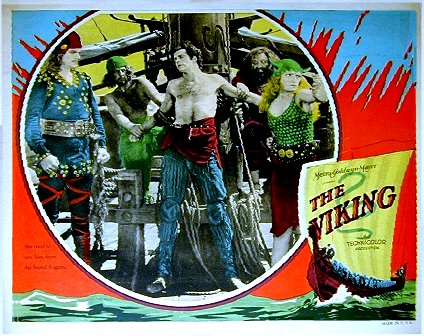
What to say about The Viking (1928)? Kitsch, unintentionally hilarious, and resplendent in the reds and greens of two-strip Technicolor, this was the very definition of a guilty pleasure. I’d like to say I was laughing with it, rather than at it, but it would be a fib.
For full details of these and all other films in the festival, the Giornate catalogue is available as a PDF by following this link.
My previous reports from the festival are here, here, here and here.
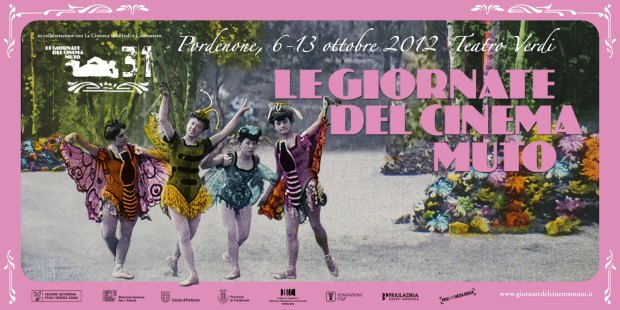
The fairies that adorn the Giornate posters are not fairies, but vengeful butterflies. In La Peine duTalion (1906), which concluded this afternoon’s gorgeous programme of early cinema, the dazzlingly costumed scamps take rather lighthearted revenge on a butterfly collector for all the times he trapped their friends and pinned them to a cork. Mystery solved!
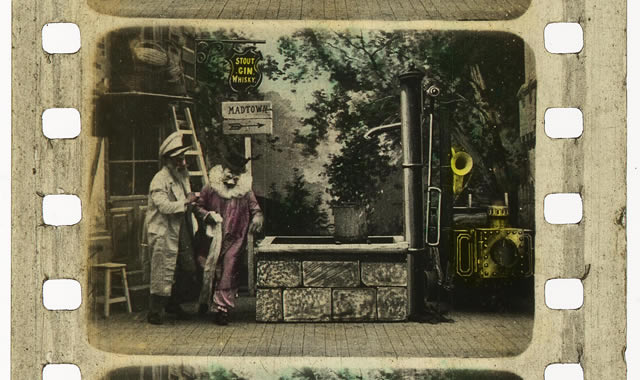
There were many more treats in that programme, including Méliès’ clown caper Automaboulisme et Autorité (1899), valiantly (I shall say no more) accompanied by Gabriel Thibaudeau and Frank Bockius, an extravagant serpentine dance (Danse de l’Eventail, 1897) and a loopily charming comedy about a girl so tall she can’t stand upright (Eugenie, Redresse-toi, 1911). The butterflies fluttered out of the Corrick Collection, along with the familiarly lurid delights of Dreams of a Rarebit Fiend (1906), a vividly coloured but sadly damaged L’Enfant Prodigue (1909), and a real crowd-pleaser: the cunning canine stars of Les Chiens Contrebandiers (1906).
Automaboulisme et Autorité (1899) Photograph: Cinématheque Française
A rare pleasure, the discovery of a precious Yevgenii Cherviakov film starring the luminous Anna Sten (in Buenos Aires) is a moment to be treasured. And although we only have a few reels of Moi Syn (My Son, 1928), transferred rather basically to DVD, it was enough to show us that the only director Dovzhenko admitted as an influence was a prodigiously talented film-maker. This is a poetic piece, with a devastating opening, as after a series of close-ups (which characterise the film), Sten turns to her husband and says, indicating the newborn in her arms: “This is not your son.” There is a fire, a lecture on childcare, and an infant funeral to follow but not in that order. Impressionistic, but frank, and subtly accompanied today by Neil Brand, Moi Syn is unforgettable even in its present state. I dearly hope the rest will be restored to us soon.
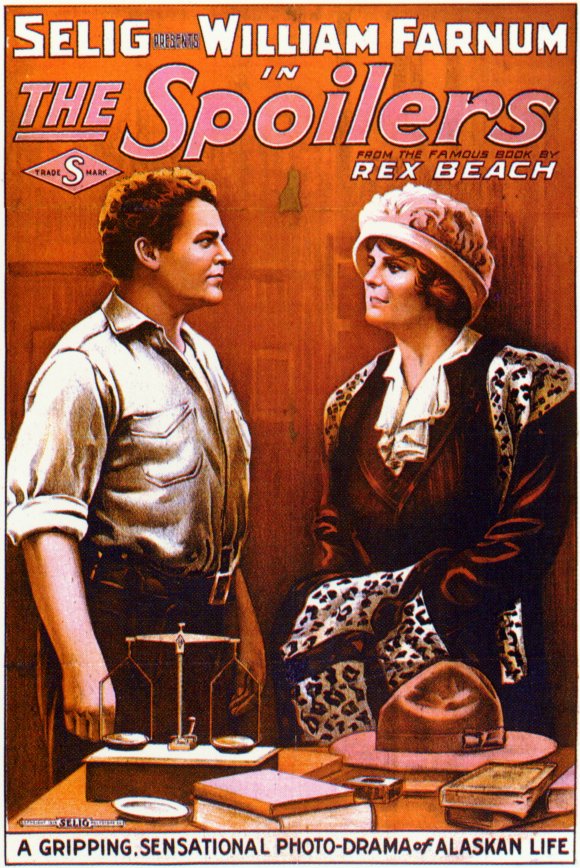
The Spoilers (1914)
Another landmark film, but of a very different kind, Selip Polyscope’s trailblazing feature The Spoilers (1914) was a diverting two hours. A gold mine, and a community, in peril; a maverick and his gal to the rescue; the Bronco Kid; corrupt politicians … there was perhaps an excess of plot, even for the running time, but who cares? Kathlyn Williams as Cherry Malotte, a good-time girl made good, stole the show, particularly in her outrageous costumes.
Less enjoyable was Familientag im Hause Prellstein (1927), an UFA Jewish comedy, directed by the notorious Hans Steinhoff. This convoluted tale of debt, divorce and double-dealing fizzled out after its opening 20 minutes or so.
Still, reports from La Passion de Jeanne d’Arc (1928), screening in the cathedral with a new score by Touve Ratovondrahety, were excellent, and the day’s action in the Teatro Verdi concluded with Manning Haynes’ lovable coastal comedy The Head of the Family (1922).
What we didn’t learn today: Helen in The Spoilers was “wrapped in a woof of secrecy”. Whatever that is. Answers on a postcard or in the comments field below, please.
You can read Nathalie Morris’s excellent report from the festival for the BFI website here.
I have also written an article for the Guardian film website about Méliès’ Les Aventures de Robinson Crusoé – it’s here.
For full details of these and all other films in the festival, the Giornate catalogue is available as a PDF by following this link.
My previous reports from the festival are here, here, here and here.










 Silent London