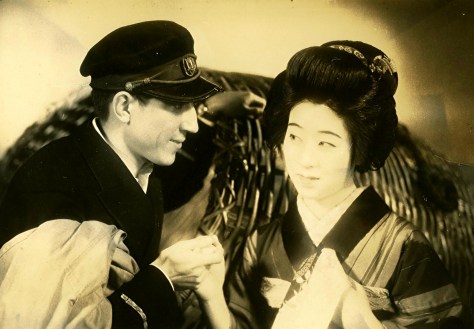
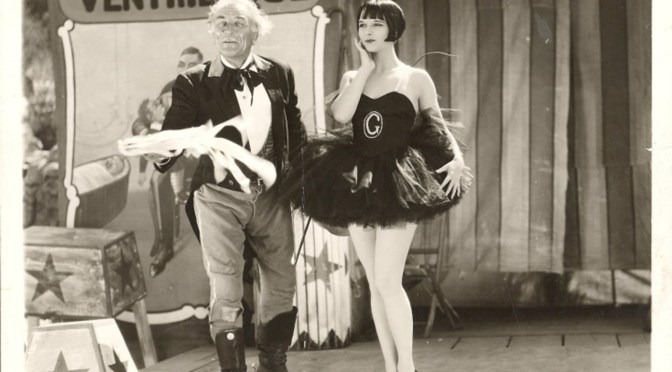
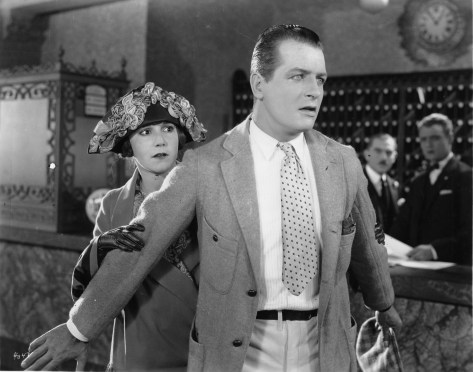
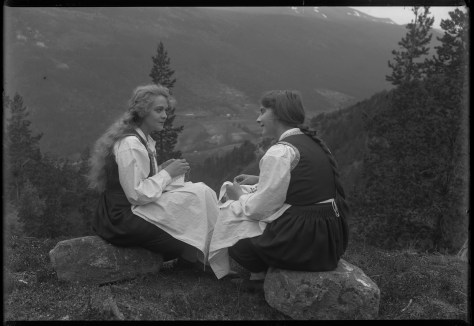
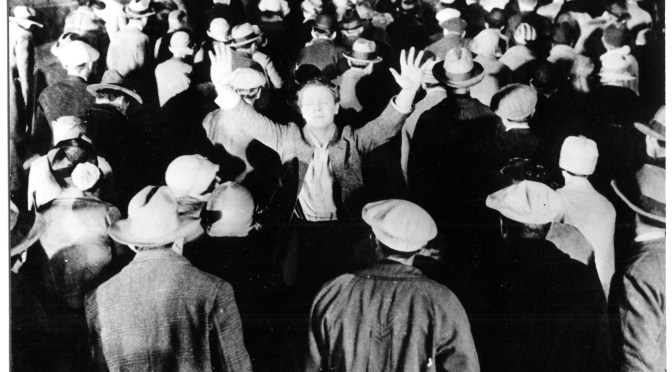
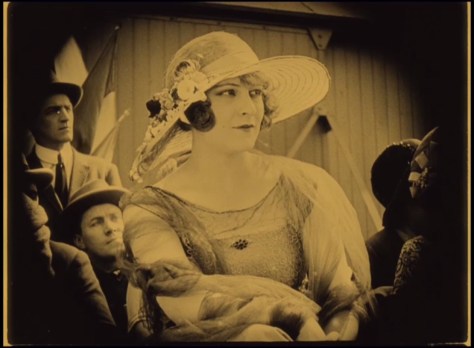
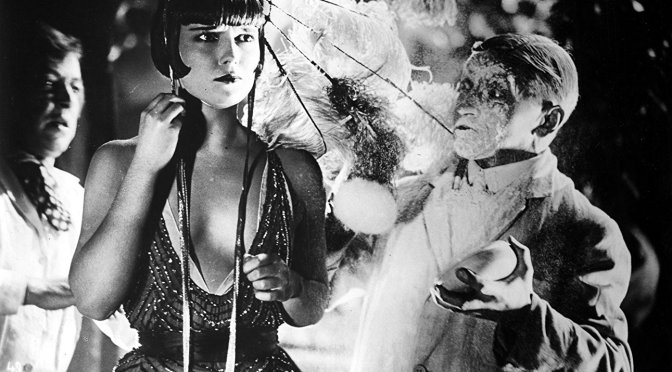
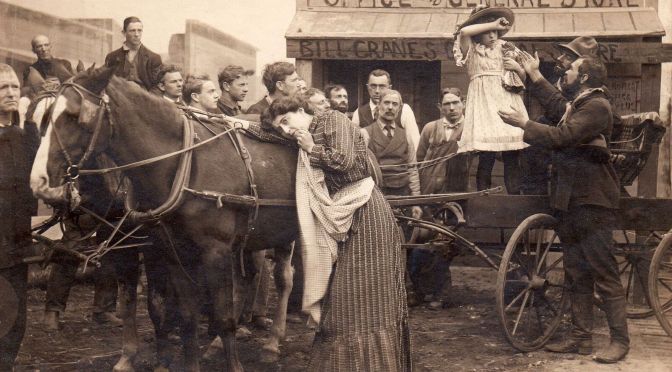
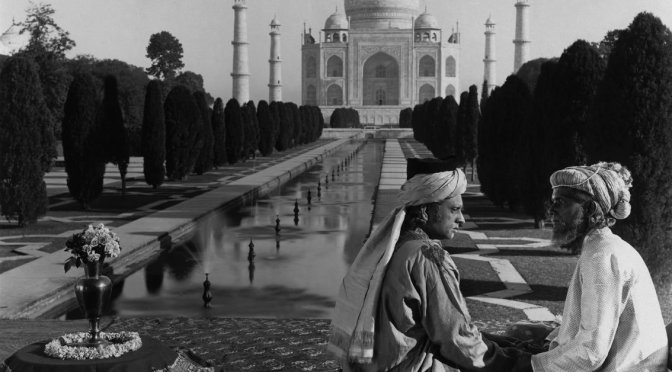
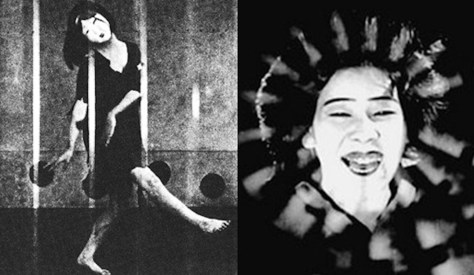
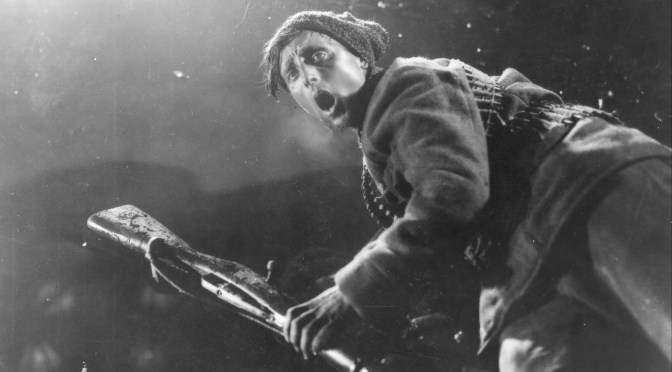
It was auteur day at Pordenone, with works by three silent master-directors scattered nonchalantly through the programme: Ozu, Murnau and Dreyer. But auteurism is anachronistic to silent cinema and anathema to many early film aficionados, so fittingly some of my favourite screenings today fell far from the canon.
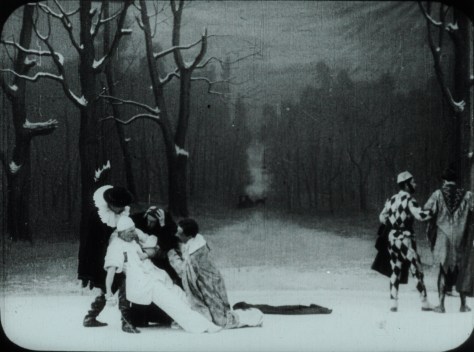
One of the best things I saw all week was Valentine Robert’s presentation of Tableaux Vivants in the early cinema strand. This was something very special indeed – like a video essay, but more expansive. The idea was simple: popular paintings were projected on screen before early films that mimicked their compositions. The effect was spectacular though, and very illuminating about narrative and visual culture in the early film period. As this presentation made clear, many narrative films at this time were also adaptations of images associated with historical, literary and biblical narratives, rather than the story themselves. Or both, at least. Erotic films too, as you might imagine, took their cues from paintings and sculptures. The care and detail in this presentation was very impressive and all served the argument beautifully. All this as well as Stephen Horne’s gorgeous accompaniment for a long, and very varied presentation, comprising 30-plus films and many more art works.
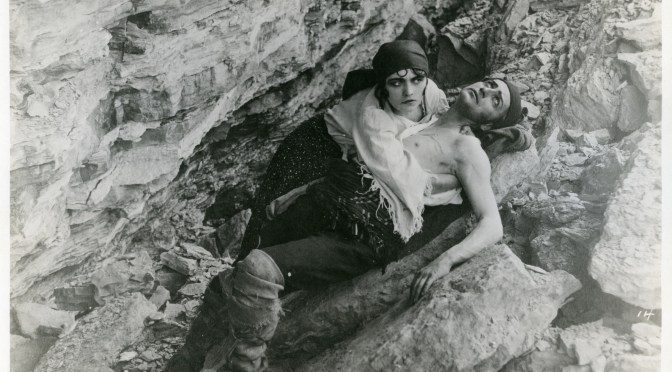
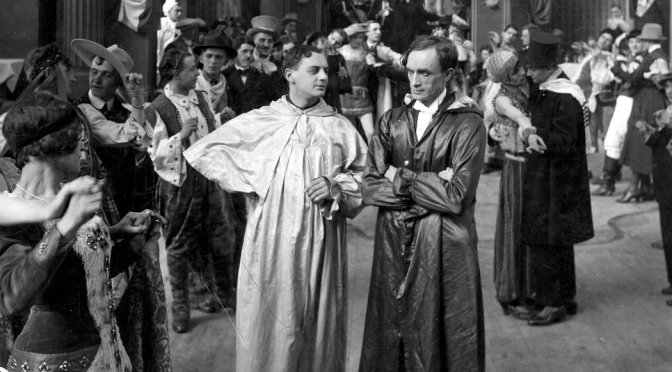
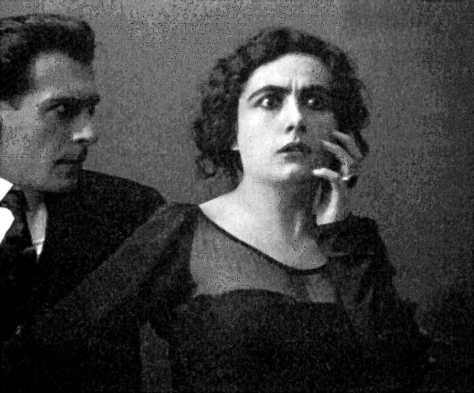
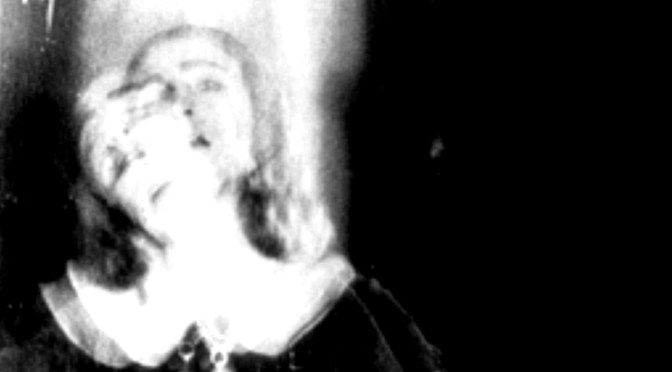
The double-bill of German films this afternoon featured some very familiar names. First there was Der Golem. No, not the 1920 one, but the 1915 original, long thought almost entirely lost. The bad news is that it is still lost, but some more fragments have been discovered and spliced together with titles to form something that is not really a film, but rather a suggestion of one. In this kinda prequel Paul Wegener’s clay man comes to life brilliantly and with just the most tender and slender of movements. Other scenes reinforce the sense that James Whale’s Frankenstein would be nothing without this silent-era antecedent. Utterly fascinating.
Continue reading Le Giornate del Cinema Muto 2017: Pordenone post No 6