Tag Archives: silent film

The 2nd Kennington Bioscope Silent Comedy Weekend: the laughter returns

It’s back, the perfect post-Pordenone pick-me-up: a weekend of giggles at the Cinema Museum curated by the inimitable David Wyatt. I heard great things about last year’s event, but this time you’ll have double the fun with a two-day festival. So ink 22 & 23 October 2016 into your diary and look out for tickets on sale in early September. Here’s what the Kennington Bioscope crew are promising for their second Silent Comedy Weekend:

Two days of (mostly) silent comedy – except for the audience laughter (judging from last year’s successful extravaganza) and live music from our world famous accompanists. 

Feature films with Eddie Cantor and Clara Bow, Harold Lloyd, Max Linder, Monty Banks, Syd Chaplin, Harry Langdon and more. Rare showings of Lupino Lane’s LAMBETH WALK and Walter Forde’s first feature WAIT AND SEE – long–neglected British stars in need of re evaluation – plus some equally forgotten funny females, European shorts from the early years and Laurel & Hardy as you’ve never seen them before! Plus presentations on Mack Sennett and Lupino.

Guest speakers are hoped to include renowned authors David Robinson, Geoff Brown and Brent Walker, legendary film archivist Bob Gitt and of course, our own Kevin Brownlow.

Please not that the programme is ‘subject to change’ as films are still to be confirmed. Please see websites for updates.

Tickets will be available at the Kennington Bioscope website from early September.

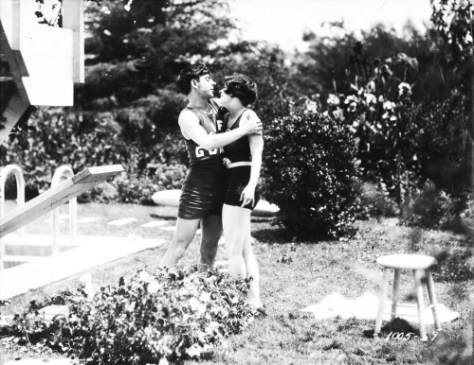
Eddie Cantor and Clara Bow in Kid Boots (1926)


Around China With a Movie Camera review: bewitching scenes from another world

In a very welcome turn of events, the BFI releases two archive DVDs this week, both with plenty to offer the early film enthusiast. The first is the dual-format edition of Play On!, an anthology of silent Shakespeare films with newly recorded music, of which more elsewhere. The second is Around China With a Movie Camera, a disc full of surprises.

CPmc8jZWgAEMMy1

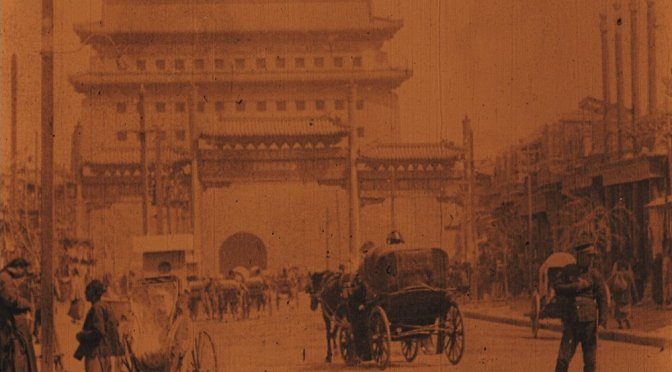
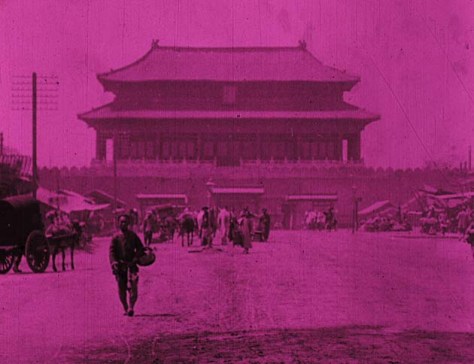
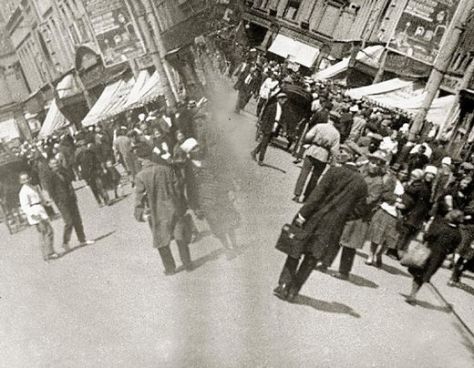
Around China With A Movie Camera is a compilation of archive film shot between 1900 and 1948, with shimmering, groovy music composed by Ruth Chan. I’ve never been to China, so I don’t bring any geographical expertise to this disc, but these are among the most bewitching early films I’ve ever seen. There are travelogues in the mix, but also newsreels, home movies, actualities, documentaries and footage shot by missionaries. Each frame is brimful of life and activity – the familiar and the unfamiliar mingled together. We begin in Beijing in 1910, with footage shot by an unknown cameraman on behalf of Charles Urban. The streets are thronged with people: workers, families, traders, drawing carts, alpacas, horses or rickshaws, carrying water or bundles of straw. The film is vividly tinted and between the blazing sunlight and the dusty road, the heat of the day burns up the screen. The locals smoke pipes, and shave each other’s heads.

beijing-china-travelogue-zeitgeist

A cut, and we see the same streets in 1925, the same crowds and rickshaws and market stalls. More industry here, if not quite high technology. Then, cut again, and it’s 1933. On and on, until we have travelled the country, and sped forward to 1948 and back again.

Continue reading Around China With a Movie Camera review: bewitching scenes from another world

The Passion of Joan of Arc at Shakespeare’s Globe: a film out of time

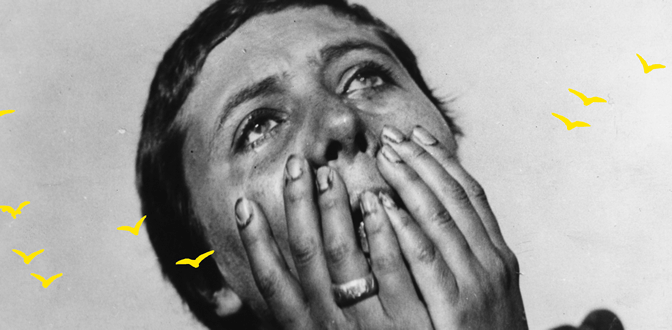
If you are reading this post and you have never seen The Passion of Joan of Arc, stop now. Skip to the end, click on the link to buy tickets and make your life better with just a few taps of the mouse. Then you can come back and read the rest of what I have to say. Passion is not just one of the very best films of all time, but one that has inspired some of the most exciting scores too – despite the director’s misgivings about it being accompanied by music at all. There have been many film adaptations of the story of Joan of Arc, but Falconetti’s haunting portrayal of the saint, in front of Dreyer’s unflinching camera, is unforgettably raw and moving.

In September, you can see Passion at one of London’s most fascinating venues, Shakespeare’s Globe, as part of a season of live music events called Wonder Women curated by Lauren Laverne and The Pool. The music for this screening is a very special score – it’s a mixture of choral singing, electric guitars, harp, horns and synthesisers, written by Adrian Utley (Portishead) and Will Gregory (Goldfrapp) and conducted by Charles Hazlewood. I’ve heard it, back in 2011 at the Queen Elizabeth Hall – and I really loved it. The ancient and modern elements suit this timeless film well. I reviewed that event for a now-defunct and much missed arts blog, so here it is, reprinted, if you like.

The Passion of Joan of Arc (1928)

For Jean Cocteau, The Passion of Joan of Arc was ‘an historical document from an era in which the cinema didn’t exist’. And somehow that makes sense. Carl Theodor Dreyer’s 1928 masterpiece about the trial and martyrdom of the Maid of Orleans claims fidelity to the 15th Century court transcripts, but has little in common with contemporary filmmaking. Continue reading The Passion of Joan of Arc at Shakespeare’s Globe: a film out of time

The First World War on film: at the BFI and beyond

Anniversaries are bittersweet at the best of times, but this summer marks an especially painful date. It is 100 years since the Battle of the Somme, the largest battle of the first world war, in which more than a million men were killed or injured. The date was marked publicly in the UK this weekend with tributes across the country.

Many people who read this site will know that relatives of their lost their lives in the First World War – almost all of us will have heard family tales of hardship and resilience from those four bruising years. The power of cinema, even during the war when it was only around twenty years old, is that it can show us the small human stories of the home front, as well as the epic tales of the battlefield. In fact, it can tell us the intimate, personal incidents of the trenches, as well as the soothing narrative of stoicism and sentiment back in Blighty. And on the cinema screen, these experiences can be shared with a crowd, and something therapeutic happens when we face our fears together. This summer, you can see some of the contemporary films from WWI, back on the big screen, and at the bottom of this post you will find a two-for-one ticket offer too.

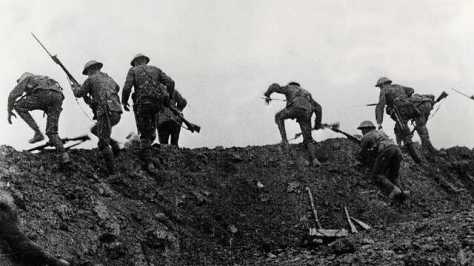
The Battle of the Somme (1916)

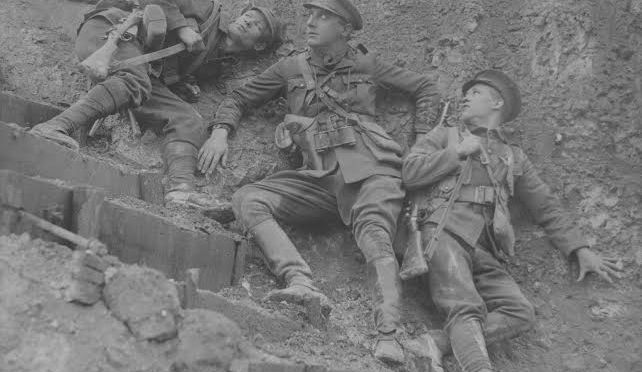
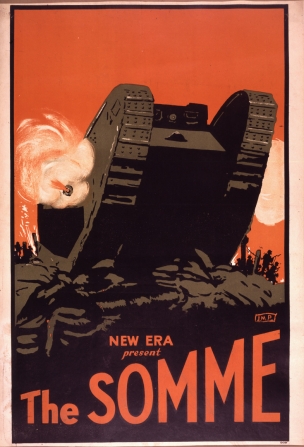
Back in 1916, millions of Britons flocked to the cinema to see The Battle of the Somme, a documentary that showed the families at home what their boys were facing on the front line. It’s haunting, sometimes terrifying, and always fascinating work – a letter home from the trenches to reassure and inform. A hundred years later, it has lost none of its power. If you want to know more about the film, I highly recommend Lawrence Napper’s article in the current issue of Sight & Sound, in which he calls it “one of the most extraordinary documents of our cinematic history”. Luke McKernan’s excellent Picturegoing site has also posted a contemporary review of the film, which says that it “shakes the kaleidoscope of war into a human reality”.

The Battle of the Somme is back in cinemas and concert halls across the world, to mark the centenary, with live orchestral performances of Laura Rossi’s wonderful score. You can read more about that, and find a screening near you, on the official website here. There will be 100 performances in the tour, so there is very likely to be one near you.

bfi-00n-sc3
The Guns of Loos (1928)

Continue reading The First World War on film: at the BFI and beyond

Sunrise and Sunset: Silent London speaks

As regular readers of this blog have probably guessed, I dwell in splendid isolation in a Hollywood mansion. Occasionally I kidnap a passing blogger to help me refine a post or two, but normally the only people I see are my pet leopard and Georg Wilhelm the butler. So it makes a nice change to be leave the house and talk about silent cinema in the presence of the beautiful people of London. I am doing that twice in the near future – so read all about it.

The fabulous Phoenix Cinema in Finchley is hosting a silent cinema festival on the weekend of 15-17th July, which promises to be very special. On the Saturday they are showing Steamboat Bill Jr, in a special kids screening,with Neil Brand, and also Why Be Good? with the wonderful Colleen Moore and a “live flapper performance”. On the Sunday, Ian Christie introduces a selection of archive films of north London with music by John Sweeney, followed by a screening of the cockney silent East is East, with Lillian Henley at the piano and Gerry Turvey introducing. On Friday 15th July, Stephen Horne is accompanying one of the greatest films of all time, the magical Sunrise: A Song of Two Humans, and I will be on introduction duty. Expect much inarticulate swooning from me, and sumptuous music from Mr Horne.

Read more about the event, and book your tickets here

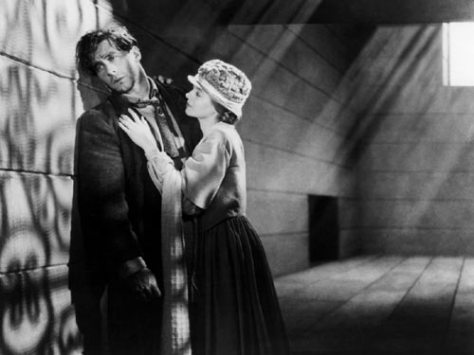
Sunrise (1927)
Sunrise (1927)

Continue reading Sunrise and Sunset: Silent London speaks

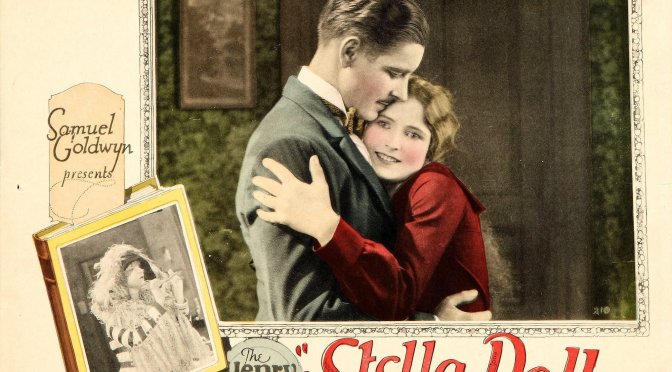
Stella Dallas (1925): a melodrama that quickens the pulse

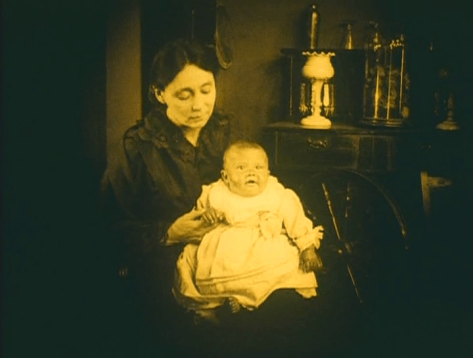
Olive Higgins Prouty’s 1923 novel Stella Dallas was destined to become a great movie. In fact, it has been adapted for the screen three times: in 1937 with Barbara Stanwyck in the lead role and in 1990 with Bette Midler, but before both of those in 1925 starring Belle Bennett as the unforgettable Stella.

Prouty’s novel is very cine-literate. It describes exactly the pleasure of a trip to the movies, but also the way that we can look at our real life as if it were a film. Sometimes we feel like an actor who is part of the spectacle, but at other times an onlooker, observing the action but not truly involved. Teenage Laurel, who is used to “standing on the outside” understands true love in real life because she has seen it in the movies: “Laurel had seen too many close-ups of faces not to recognize that look!”

The genius of this filmed Stella Dallas (Henry King, 1925) is that it captures the poignancy of watching life from the dark of the auditorium, but its emotional reach draws us in, even from the back of the balcony. The final scene of the film, in which Stella watches her daughter’s wedding through a lit window on the dark and rain-drenched street, is the perfect visual incarnation of Laurel’s horrified realisation, voiced early in the novel, that she had “become a part of the picture on the screen, while her mother was still in the audience, out there in the dark, looking on”.

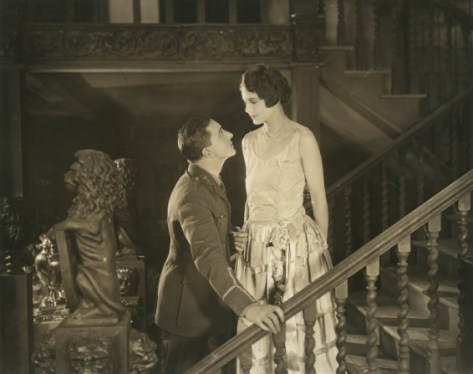
Stella Dallas (1925)

On its release, the Manchester Guardian’s film critic CA Lejeune described the “painful beauty” of Stella Dallas, saying: “We are stirred into sympathy with all these people because we cannot help identifying ourselves with them … the whole picture is full of the half-tones of which ordinary life is composed.” In the New York Times, Mordaunt Hall praised one of the romantic scenes in the strongest terms: “It is all so natural, so sweet and genuine, so true to life, so fervent and sincere, so tender.”

Stella Dallas was made by Samuel Goldwyn in 1925, and the mogul was determined that it would be his masterpiece. He would end up spending $700,000 on the film – which was twice his line of credit.

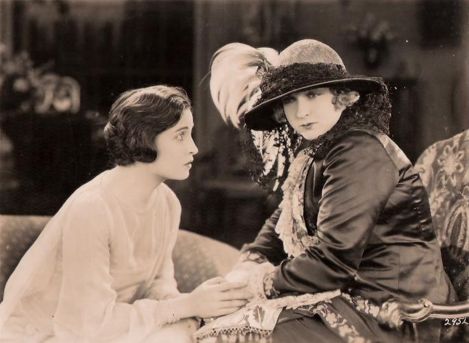
Stella Dallas (1925)

Key to the success of Stella Dallas is Frances Marion, the woman who wrote its sophisticated screenplay. Marion takes the events of the novel, which are jumbled by flashbacks to create the drama of suspense and revelation, and straightens them out into a flowing narrative that begins in a garden in spring and ends on a city street in the cold. She also takes a few discreet liberties, rearranging scenes and editing them slightly to emphasise the agonies that plague Stella and Laurel. Her screenplay for this silent adaptation became the basis for the subsequent sound film starring Stanwyck – making that film a true remake rather than a second adaptation. And the film is beautifully directed by Henry King, who tells the story visually, exploring the novel’s concern for appearances both contrived and mistaken, but who also coaxes excellent performances from his cast.

Continue reading Stella Dallas (1925): a melodrama that quickens the pulse

Love and Friendship and intertitles: the archaic and the modern


As if the prospect of Whit Stillman adapting Jane Austen for the screen wasn’t enough to tickle my fancy, a glimpse at Peter Bradshaw’s five-star review for Love and Friendship in the Guardian made it a must-see. Yes, he liked the film, a lot, and called it “hilariously self-aware”. More specifically, he mentioned “arch intertitles”, saying that Stillman uses them “as a kind of visual archaism, almost like a literary silent movie”. This had me scanning the room for the nearest couch to swoon on. I confess I first misread that as “visual anarchism”, which didn’t surprise me at all in relation to intertitles, but “visual archaism” is another concept that intrigues me. Likewise, a “literary silent movie”, which may have been intended as an oxymoron or a joke, is perfectly plausible, although it is a form that has confounded many a critic.

The question I want to raise is this: are intertitles archaic? They were introduced in early film and widely understood as a way to circumnavigate the “problem” of having no audible dialogue, so surely they must be. But I would argue that they didn’t die out with the coming of sound. In the silent era, intertitles provided exposition, character introduction, geographical and chronological markers – and ready laughs. They still do. First, the quick, compact wit found in intertitles transformed into the quickfire comic dialogue of comedies from the screwball era to the finest romcoms by Nora Ephron, Woody Allen, et al. There’s many a modern film that begins with a title card, too, the most famous and best-loved being the scrolling scene-setters in the Stars Wars films. And you’ll see practical intertitles of many kinds popping up in modern films, from captions to introduce characters in a freeze-frame (think Trainspotting and its many imitators) to a kind of punctuation, used either for a gag or to mark a shift in time and space (“New York, ten years later”, that sort of thing). Despite the expository potential of dialogue, modern films still rely on cards of sorts to impart all kinds of information. An excellent recent example is The Big Short.

l_f
Love and Friendship (2016)
More intriguingly, modern technology means that intertitles, or the intertitle tradition, are having a renaissance. Honestly. It’s all to do with mobile phones, really. Many of us spend increasingly large portions of the day engrossed in long-running, silent conversations: from text messages and Whatsapp, to chat forums and Facebook threads. Text alerts interrupt our browsing to tell us about breaking news, or a “like” on Instagram or interaction on Twitter. I love all this, it means we live in a world of words and conversation. It doesn’t appear very cinematic, though. We look down, at a small gadget, instead of outward, and upright, facing the world. We’re a little like Love and Friendship‘s Frederica, constantly hunched over a book, with the firelight reflected on her face recalling the glow of a phone or tablet. Cleverly, film and TV makers have incorporated this trend and made it work on screen, from the floating text messages in BBC’s Sherlock to the grainy screen close-ups of Catfish. We now expect to see text on screen at the cinema again. And I hear there is a particularly spooky use of SMS in Olivier Assayas’s Personal Shopper, which debuted recently to excellent reviews at Cannes.

Continue reading Love and Friendship and intertitles: the archaic and the modern

Nitrate Picture Show 2016 review: intoxicating celluloid

This is a guest post for Silent London by Amran Vance, who runs the London Silent Film Meetup group and is part of the team behind the wonderful Kennington Bioscope.

When I wrote about the inaugural Nitrate Picture Show at the George Eastman Museum, Rochester, New York, last year I ended with the slightly pessimistic hope that we would get to see a silent film on nitrate next time around. My fear was that shrinkage issues with such old prints might prevent that from happening. I am delighted to report that my cynicism was misplaced as this year’s festival ended on a sensational high, an American silent film from 1928! But more about that later.

As with last year, the festival organisers kept the 2016 programme under wraps until the morning of the first day of the festival. I know this approach is controversial. Potential attendees have complained to me that they are reluctant to incur the not inconsiderable expense in traveling to upstate New York when they have no idea what films will be screened. I have a lot of sympathy with that view but there is something undeniably exciting about opening the brochure on the first day and seeing what treats lie ahead of us. There is also merit in the organisers’ position that it is the physical condition and pictorial beauty of the prints that governs their selection, with the quality and reputation of the works coming next. Personally, I favour a middle ground, perhaps naming three or four films in advance and keeping the rest secret.

The Dryden Theatre at the George Eastman Museum, our venue for the festival

I suspect that few, if any,who made the journey to Rochester were disappointed with the films presented to us. I was initially sorry to see that no silents were listed but was keeping my fingers crossed that the final screening of the festival, our Blind Date with Nitrate, might possibly fulfill that wish. And so it did.

The festival kicked off with a selection of short films – my favourites were a colorful Julius Pischewer animation Cent Ans de Chemins de fer Suisses celebrating 100 years of the Swiss railway system and a delightful 1934 Universal animation Jolly Little Elves featuring doughnut-loving kindly elves.


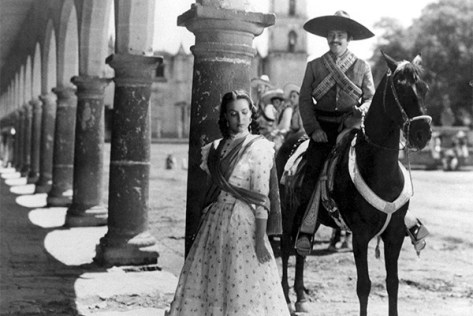
These were followed by one of the highlights of the festival and a film I had not seen before, Enamorada (1946) a tempestuous romantic drama set against the background of the Mexican revolution. Featuring the masterful framing of the legendary cinematographer, Gabriel Figueroa, the film looked gorgeous, especially the exterior shots of the Mexican town in which the story is set. María Félix, probably Mexico’s most famous actress, was beguiling as the feisty female lead and Figueroa makes masterful use of light and shade, given added depth and texture by the nitrate print.

Enamorada (1946)
Enamorada (1946)


Our final film on the first day was the classic noir, Laura, which we were told was a pre-release version that included footage that was cut for its theatrical distribution. Nobody I spoke to could spot the additional material, however, and although the print was good there were only moments when the benefit of nitrate showed through.

Continue reading Nitrate Picture Show 2016 review: intoxicating celluloid

Instant expert: Man with a Movie Camera (1929)

Name: Man with a Movie Camera

Date: 1929

So is this like Buster Keaton’s The Cameraman? Well yes a little, but mostly, very much no.

Not a comedy then? Not American either, it’s a Soviet documentary, a City Symphony in fact.

I know about those – which city does it portray? Erm. Moscow, Kharkov and Kiev. And Odessa. But you’re not always sure which is which.

A fake then? No, it’s art.

Which means it’s not a factual film at all? Well that is a tricky question. A group of Sight & Sound critics recently voted it the greatest documentary of all time. So that’s that, but I’d argue it isn’t really a documentary at all. As is often the case, I agree with David Cairns, who calls it a “Non-fiction Film Thing” in a new video essay.

That is not so catchy. How about just “Film” then? The stated intent of Man With a Movie Camera was to make a film that owed nothing to the other arts, literature, theatre, painting. Check out the opening intertitle. “This new experimentation work by Kino-Eye is directed towards the creation of an authentically international absolute language of cinema – ABSOLUTE KINOGRAPHY.”

Man With a Movie Camera (1929)

That sounds amazing. It is, full of astonishing cinematic tricks and playful philosophizing and passion. It is the most filmic of films and you should watch it, which is kinda the point of this conversation.

You always have an ulterior motive. Yes, I am sneaky that way. Man With A Movie Camera, my forgetful friend, was released last year in the cinema and on Blu-ray – my review is here.

I’ll read that later, I’m really busy. Asking silly questions must take up a good deal of your time. The TL;DR version of that review is that the cinema release of the movie was great, a gleaming restoration with a dazzling score by the Alloy Orchestra, but the Blu-ray release was not quite up to the same standard (although fans of the Michael Nyman score might overlook that).

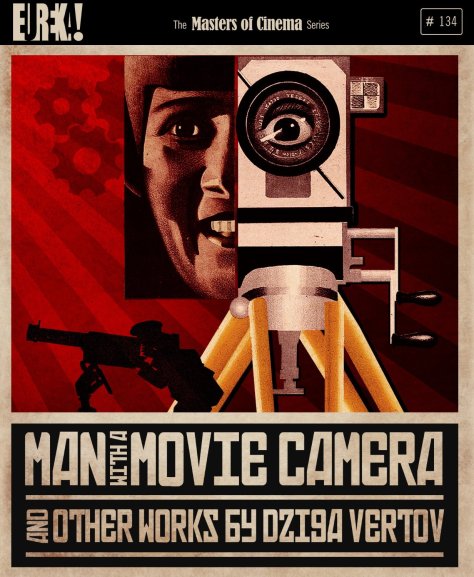
I’ve missed my chance then. No. There is a new Blu-ray of Man With a Movie Camera in the shops – and it is the theatrical version that knocked my socks off last year. Put simply I recommend that you buy this version, from Masters of Cinema, forthwith, without delay.

Anything else to sweeten the deal before payday? LOTS. The aforementioned video essay by Davis Cairns and Timo Langer, and the not insubstantial matter of four of Vertov’s other important works (Kino-Eye, Kino-Pravda #21, Enthusiasm, Three Songs about Lenin). Plus an audio commentary by Adrian Martin, an interview with Ian Christie, a booklet crammed with treats from the archives. And a very nice box.

91ZcGd1Z1KL._SL1500_

You can read more about the Masters of Cinema release here and buy it from lots of places including here.

Book now for the British Silent Film Festival Symposium

You heard it here first …  but now the details of April’s British Silent Film Festival Symposium have been released. You can peruse the lineup of speakers and films (I’m picking favourites already, natch) and even more excitingly you can book your ticket now. The two days of papers and films comes in at a very reasonable £20 and I am confident that I can confirm a resounding YES to the “Will there be tea and biscuits?” question.

The Somme (1927) (Image: BFI)

Check out the lineup here:

Thursday 28 April 2016
Arthur and Paula Lucas Lecture Theatre

2pm – LAWRENCE NAPPER Welcome (no registration needed on this day)

2.10 – TONY FLETCHER ‘Sound Before Blackmail’ – a programme of early sound-on-disc films matched with their discs (30mins)

2.40 – SCREENING KNOCKAGOW (Fred O’Donovan, 1918) (80mins)

4pm BREAK (30 mins)

4.30 – DAVID ROBINSON ‘Leopoldo Fregoli, Superstar and Progenitor of Montage’ (40 mins)

5.10 – SCREENING MAISIE’S MARRIAGE (Walter Summers/ Alexander Butler, 1923) (95 mins)

6.45 BREAK (30 mins)

7.15 SCREENING THE SOMME (M.A. Wetherell, 1927) (109 mins)

9pm END

The Life Story of David Lloyd George (1918)


Friday 29 April 2016
Nash Lecture Theatre (K2.31)

1918 AND ALL THAT (9.30-11)
1. Ellen Cheshire – Charlie Chaplin in the British Press
2. Lucie Dutton – The Life Story of David Lloyd George: New Findings from the Archives
3. Gerry Turvey – Doing the Economics: A Post-War British Company Takes on the American Market
4. Charles Barr – British Silent Cinema: How Does Ireland Fit In?
K2.31

IN THE AUDITORIUM (11.30-1.00)
5. Stephen McBurney – Arrested Beginnings of Colour Cinema in Inverness
6. George Barker – On Smells in the Auditorium
7. Mara Arts – The Royal Family on the London Screens
8. Nyasha Sibanda – Directing The Kingsway Cinema (Birmingham), 1927

1920s BRITISH CINEMA (2.00-3.30)
9. Esther Harper – Women Jockeys: From Films to Fact?
10. Henry K Miller – In Northcliffe Jail: Iris Barry, Film Journalist
11. Rachel Moseley – ‘Picturing Cornwall’ in early Promotional and Amateur films
12. Amy Sargeant – Boarding House Blues K2.31

PRE-SOUND AND SOUND 4.00-6.00
13. Joe Evans – The Depiction of Sound in Animated Film from the Silent Era
14. Julie Brown – Listening at the ‘Silent’ Cinema
15. Geoff Brown – Al Jolson, The Singing Fool and the advance of the talkies in Britain)
16. Laraine Porter – ‘The Americanisation of England’
17. Rebecca Harrison – All Quiet on the Home Front: Child Evacuees and a Silent Cinema Revival in the Second World War
18. CLOSING REMARKS

Continue reading Book now for the British Silent Film Festival Symposium

Hippfest ever after: the 2016 Hippodrome Festival of Silent Cinema

When the glasses were clinking and plans were being made at the close of the Hippodrome Festival of Silent Cinema this year, there was one thing that gave us pause. A sobering thought among the celebrations…

2016, it seemed, was the year of the unhappy ending. From the high tragedy of Stella Dallas, to the poignancy of Peter Pan, the sweet irony of Exit Smiling, and the apocalyptic predictions of Wunder der Schöpfung – there was not a happy-ever-after in sight. And don’t get me started on Variety, Mania or Daybreak

But despite that, I was grinning like a loon for most of the weekend. Hippfest offers a warmer welcome than most film festivals, but crucially, it has the quality to match its quirkiness. An excellent range of films, screened with accompaniment from some of the world’s best silent cinema musicians. The vintage cinema may be cute, but the festival itself is seriously credible. Here’s a flavour of the fun we had in Bo’ness this year.

See you next year!

L’Inhumaine (Marcel L’Herbier, 1924) Blu-ray review: the high art of cinema

L'Inhumaine, Fernand Léger, 1924
L’Inhumaine poster designed by Fernand Léger, 1924

In the silent era, films were far more ephemeral than they are today. The fragile nitrate was unspooled for a few shows in each cinema that rented them, and then sent away, re-used, melted, left to crumble and decay or burst, suddenly, into flames. It was a time before retrospectives and archives and museums of the moving image. Now we see films in very different way. In the digital world, although the films seem to have lost their physical presence, becoming data streamed or downloaded on to screens of all sizes, they have the illusion of permanence. Central to this is the arthouse home video market, which packages films like books, as objects to be cherished, or maybe hoarded. A shelf full of gleaming Criterion Blu-rays is as imposing as a line of leather-bound novels – talismans of high culture and prized possessions. We don’t just watch films now, we expect to own them: explore them rewind and freeze and read around them.

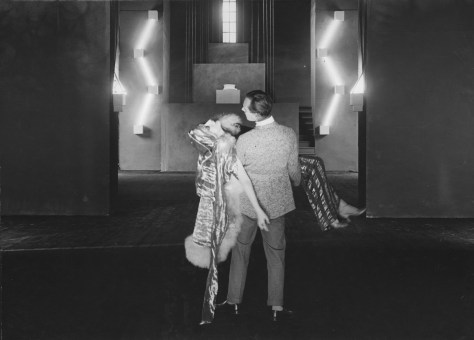
Marcel L’Herbier’s Art Deco science-fiction drama L’Inhumaine is as much an art object as a film, and as such, it is the perfect Blu-ray movie. This glittering feature was designed to be admired from all angeles, its intricate and self-consciously beautiful design is the 1920s equivalent of 4K high-definition. I dare you to watch it without your finger itching for the pause button.

007-l-inhumaine-theredlist

The inhuman woman of the title is a lady who knows a thing or two about being admired from all angles. Claire (played by soprano Georgette Leblanc) is an opera singer who lives in a stunning modernist home, which she opens to a select group of guests, a fawning salon of important men who jostle for her attentions. Everything about Claire’s world is both chilly and extravagant. The dinners she hosts are served at a dining table surrounded by an indoor moat. A drift of swans putter around the guest, more of Claire’s captives, but the only ones present who are indifferent to her beauty. When Claire hears that one of her admirers, Einar (Jaque Catelain) has killed himself after she rejected him, she experiences a slow awakening of her passions, and a more literal resurrection of her body, via a poisonous snake and an electric re-animation machine.

Continue reading L’Inhumaine (Marcel L’Herbier, 1924) Blu-ray review: the high art of cinema

Win tickets to see Shooting Stars

Welcome, wherever you are … Shooting Stars, Anthony Asquith’s bittersweet movie biz satire, is screening at the BFI Southbank on Thursday 3 March 2016. As you no doubt know, this is the gorgeous new restoration that graced the London Film Festival Archive Gala in October. Also, at this screening, there will be live music, courtesy of John Altman’s jazzy new score. It’s a fantastic British film, and a glorious treat for all silent movie buffs. Think of it as a forerunner to Hail, Caesar!, but with Brian Aherne in a stetson rather than George Clooney in a toga.

If you’re quick, you could win two tickets to this screening, so listen up.

Shooting Stars (1928)
Brian Aherne in Shooting Stars (1928)

To be in with a chance of winning some tickets, email Filmcompetitions@bfi.org.uk with STARS in the subject header by Wednesday 2 March at 9am. Tickets are limited to one pair per person and it is first come first served.

You will only be contacted by if you are successful.  In which case, your name will be added to a guest list and you will receive an email  by 7pm on 2nd March.

Sonic Cinema Presents: Shooting Stars with live score from John Altman and the Live Film Orchestra An unmissable screening of Anthony Asquith’s silent film set to live music.


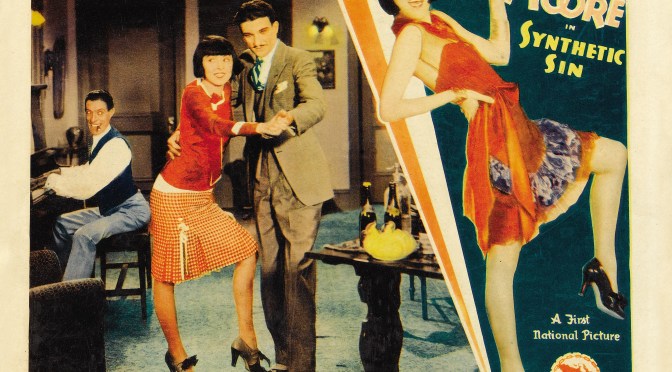
Synthetic Sin (1929): Colleen Moore and the joyful noise of the Jazz Age

Synthetic Sin (1929) is an artefact from a time long gone. That is to say that this film is delightful, glamorous, witty … And they really don’t make them like this any more. It’s typical of this movie that the title is a roaring twenties in-joke, a bit of jazz-age wordplay on “Synthetic Gin”. That’s not a phrase you hear too often these days, but this prohibition-era film sloshes with bathtub hooch. In fact, this is the kind of wisecracking romp where a gal can say to a fella: “Let’s you and I make hey-hey while there’s moonshine!”

When the twenties roared, there was mischief to be made. In the inner cities, in real life, gangsters took advantage of the prohibition laws to make plenty of illicit cash hawking illegitimate booze. But in the movies, and in the anxious imagination of Middle Americans, the flappers, a new breed of confident young women with bobbed hair and short hemlines, were wreaking just as much havoc.

Synthetic Sin has all the hallmarks of a classic flapper film, even though its heroine, aspiring actress Betty Fairfax, is really quite an innocent. Betty is played by Colleen Moore, an impish natural comedienne who was the first of Hollywood’s bright young starlets to bob her hair and embody the newest, freshest way to negotiate the path between girlhood and womanhood. If any writer encapsulated the spirit of the Jazz Age, it was F Scott Fitzgerald, and he doffed his fedora to our star. “I was the spark that lit up Flaming Youth,” he said. “Colleen Moore was the torch.” And if you love Louise Brooks, Clara Bow or Jean Harlow, then you need to know Moore.

Colleen Moore

Preternaturally youthful and vivacious, Moore defined the flapper, the modern, sexually liberated young woman, in terms that high-school girls could love and emulate. After Moore’s mother cut her hair into her trademark fringed bob (“whack, off came the long curls. I felt as I’d been emancipated”), teenage girls across the US rushed to the salon. She was unthreateningly friendly and funny, but a beauty too. Moore has a cute charisma that works instantly on the audience, like a fast-acting drug. She is both irresistible and unforgettable – and she was a huge star in the 1920s. But the sad fact is that many of her films have now been lost, which means that most people don’t know her work at all. Synthetic Sin itself was only recently rediscovered and restored. So this film is a very precious chance to see Hollywood’s foremost flapper in action.

“Moore created comic heroines who are as engaging in their failures to be glamorous as they are in their often accidental triumphs in love and career,” wrote Molly Haskell. That’s Synthetic Sin in a nutshell.

Here Moore plays a young girl desperate to grow old too quickly, to become a “woman of the world” with the necessary life experience to be a serious dramatic actress. All flappers want to push the boundaries imposed by their old-fashioned parents, so Betty runs away from her comfortable home to a fleapit hotel in the big city, in the name of art, and of love. The audience is in on the joke from the beginning: Betty is wonderful just as she is. Her improvised show at the family piano early in the film is Grade A comedy, and the steps she takes to widen her horizons bring her into dangerous territory: grubby, sleazy, violent. A place where this flapper might just encounter a gangster or two.

Continue reading Synthetic Sin (1929): Colleen Moore and the joyful noise of the Jazz Age

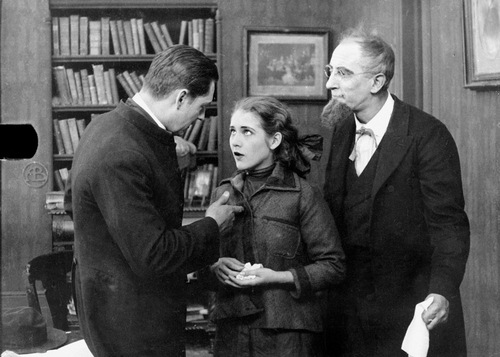
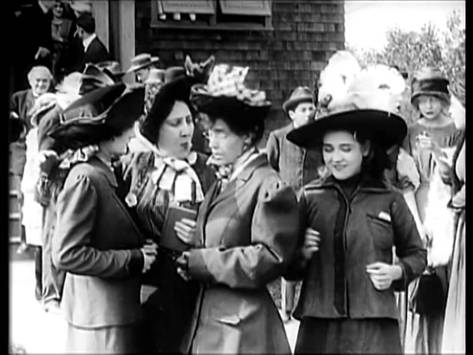
The New York Hat (1912): what women want 

This is a very slightly fleshed-out transcript of an introduction I gave to The New York Hat at the Kennington Bioscope as part of an evening dedicated to women in silent film.

It’s quite old, and very short, but The New York Hat (DW Griffith, 1912) is one of my favourite films, and I’d really like to explain why. As with Shoes (Lois Weber, 1916), this film looks at the lives of women and their finances through the lens of  consumerism, but the ramifications run deeper than the shop window.

The first reason that I love The New York Hat is that it is an early woman’s picture and I mean that in a fully feminist sense. Today we talk a lot about the Bechdel Test, which is basically a test to ascertain whether the women in a film are fully realised characters and not just appendages to the blokes. To pass the Bechdel Test, two named female characters have to have a conversation with each other about something that isn’t a man. Sounds simple. In the field, films that pass this test are rarer than hen’s teeth. It’s really hard to map the Bechdel test back on to silent films in the first place, and so many modern films fail it that you have to assume that older ones will struggle.

However, The New York Hat passes not just the letter but the spirit of the Bechdel test with flying colours, because its narrative is driven entirely by what women want, by what women understand about the world and the values that women have. We have the mother who wants the best for her daughter, the “bits of finery” that she craves, and the daughter who wants to grow up. Then we have some more women, the gossips, who create a conflict for her.

We have two male characters: the father is a no-good man who doesn’t really understand or care about women, and the minister who is a very good man, but also fails to understand women and their world.

The New York Hat (1912)
The second reason that I love The New York Hat is that even though it was made in 1912, it is like a glimpse at the future, at Hollywood in the height of the 20s. If you are interested in the history of silent cinema then this film is going to give you a real kick because everyone is in it. If The New York Hat were a pop band it would be a rock supergroup. The scenario for The New York hat was written by Anita Loos, who would go on to have a fabulous Hollywood career, writing films and intertitles and also the hilarious novel Gentlemen Prefer Blondes. The New York Hat is pure Loos – it’s very sharp on the way that women interact with each other and it also contains two of her favourite hobbies: fashion and gossip. When the lead character wears her new hat, the gap between the impression she thinks she is making and the one she really is, is a bitterly dark example of Loos’s vicious humour. It’s also a very poignant moment – and those mixed emotions are part of the magic of this enduring film.

Continue reading The New York Hat (1912): what women want 

Hippfest returns: the 2016 Hippodrome Festival of Silent Cinema

It might be the northern welcome, it could be the gorgeous vintage cinema, but it’s probably the combination of great films and first-class music … the Hippodrome Festival of Silent Cinema is a highlight of our calendar. This year’s festival runs from 16-21 March 2016 and excitingly, the programme has just dropped!

Exit Smiling (1926)
Exit Smiling (1926)

This means you can start booking your tickets now and believe me, these events often sell out, so act fast.

Mania: History of a Cigarette Factory Worker (1918)

The full programme is online here, so you can have a proper browse, but the lineup includes:

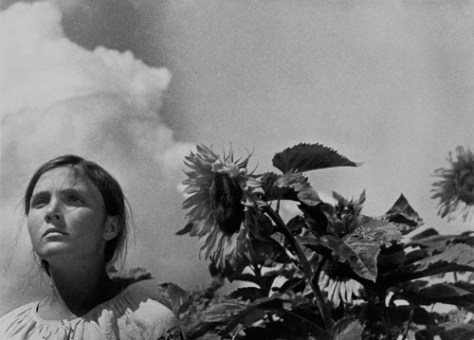
  • One of the greatest films of all time, Dovzhenko’s Earth, is the opening night gala, with a brand new score from Jane Gardner and Hazel Morrison.
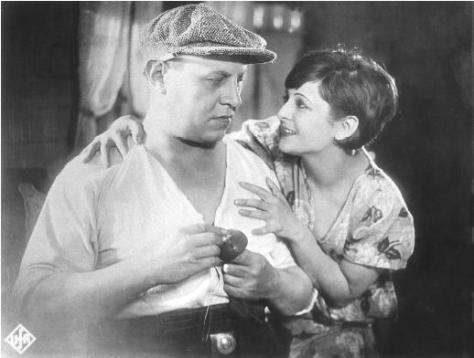
  • Camera acrobatics in Dupont’s thrilling love-triangle drama Varieté starring Emil Jannings and Lya di Putti, with Stephen Horne and Frank Bockius providing excellent, multilayered accompaniment.
Variety (1925)
Variety (1925)
  • The hilarious Exit Smiling starring Beatrice Lillie (“the funniest woman of our civilisation,” according to Noël Coward) as an aspiring stage star in a shabby touring company, with the ever-brilliant Neil Brand on the piano. That’s the Friday night gala with an introduction by Bryony Dixon – and the perfect excuse to dress up.
  • The unbeatable tearjerker Stella Dallas (the 1925 version), with a new score by Stephen Horne performed by himself and Elizabeth-Jane Baldry, and an introduction by your own humble correspondent.
Peter-Pan-1924
Peter Pan (1924)
  • Intergalactic German space documentary Wunder der Schöpfung screens with a wild soundscape score by Herschel 36 (who will be talking about how they wrote their score in another event at the festival) on Saturday night.
  • Late Chinese silent Daybreak, starring Li Lili, with accompaniment by John Sweeney. This screening will be supported by a talk on early Chinese Cinema, which is sure to be illuminating.
Earth (1930)
Earth (1930)
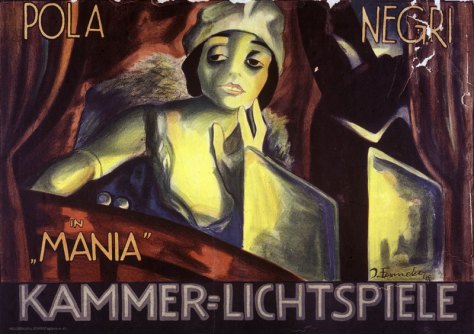
  • My own favourite film star, Pola Negri, in one of her early German films, Mania, with music from kraut-rock band Czerwie.
  • Reel rations – Bryony Dixon’s tour of British propaganda films from the Great War.
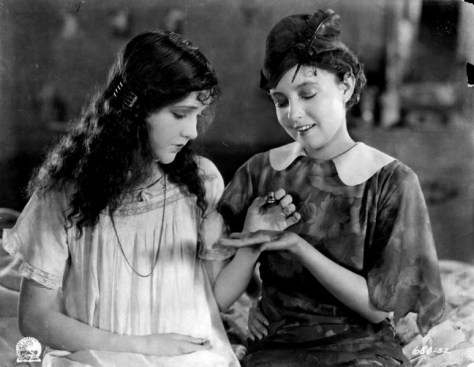
  • Herbert Brenon’s charming, inventive Peter Pan, with an acclaimed live score by harpist Elizabeth-Jane Baldry.
Stella Dallas (1925)
  • British train crash drama The Wrecker – screened at Bo’ness train station!
  • Comedy! Courtesy of a Laurel & Hardy triple-bill, as well as Buster Keaton in My Wife’s Relations and Anita Garvin and Marion Byron in A Pair of Tights.

To book for any and all of these events – head to the Hippfest website.

Toute la Mémoire du Monde 2016: a weekend in the city of cinema

When I first began to fall in love with the movies, I watched French New Wave double-bills at my local arthouse cinema. I saw the kids in Quatre Cents Coups and Bande à Part dashing across Paris and thought nothing could be more cinematic, more evocative of youth and passion and adventures in the city of light. Nearly two decades later and I, too, am sprinting down Parisian streets, and all in the name of le septième art.

At Toute la Mémoire du Monde, a sprawling festival of restored cinema hosted by the Cinémathèque Française, there are always far more films playing than you could hope to see, at screens across the city. So occasionally you have to forgo that customary pause and sigh of happiness at a film’s heartbreaking conclusion, grab your bag and leg it like Léaud to catch the Métro.

The Outlaw and his Wife (Victor Sjöström, 1918)

On my first day at the festival, as Marlene Dietrich ditched her heels and trudged across the desert to prove her devotion to Gary Cooper in the plush new Les Fauvettes rep cinema, I set out on my own speed-march back to the Cinémathèque to catch Fred Astaire getting his shoes shined. Then, of course, as I wandered back to my hotel across the Seine with ‘That’s Entertainment’ ringing in my ears, I had all the more to reflect upon.

I’m trying to explain why this festival offers a rush of blood through the veins, and that I felt ever so slightly light-headed all weekend. Doubtless, the effort of translating French intertitles in my head also gave my brain as much of a workout as my poor old feet. This is a French-language festival – all the sound films are “version originale” with French subs, and for silents, the only intertitles you can guarantee will be French ones. But the good news is that even though I am far from fluent in French, I understood about 80% of  the captions just fine. So if you are wondering whether the language barrier would come between you and this festival, well bonne chance!

The Band Wagon (1953)

It’s difficult not to feel close to the cinema in Paris, the city where the projection of moving images first began. The Cinémathèque, and the other screens I visited, are a long way from the upscale Boulevard des Capucines where the Lumières first unspooled their magic. But catching a programme of French shorts from the 1900s and teens gave me a little historical thrill. Not least when Oscar (Oscar au Bain, Léonce Perret 1913) whisked his ladylove around the capital in a taxi. And even the later films I saw, from The River of No Return (Otto Preminger, 1954) to Robocop (Paul Verhoeven, 1987), all owe their existence to those first flickers, it’s true.

Herr Arnes Pengar (1919)
Herr Arnes Penningar, 1919

It’s in the nature of an archive festival to be eclectic, but had I been strictly silent all weekend, it’s a fair bet that I would have seen mostly Swedish films from the teens and early twenties by Mauritz Stiller and Victor Sjöström, courtesy of the L’école suédoise strand. I stretched my wings a little further than that, but still made time to see haunting, brilliant films by both directors: Stiller’s Herr Arnes Penningar (1919) as well as Sjöström’s Berg-Ejvind och hans hustru/The Outlaw and His Wife (1918) and Körkarlen/The Phantom Carriage, (1921). All three heart-wrenching experiences of the best kind – pitching the viewer into a world that is physically tough and spiritually fraught. Continue reading Toute la Mémoire du Monde 2016: a weekend in the city of cinema

Bringing back Frances Marion’s lost novel Minnie Flynn

This is a guest post for Silent London by Ben Smith.

When Kevin Brownlow was in LA in the 1960s, interviewing cinema veterans for his unrivalled history of the Hollywood silent era, The Parade’s Gone By, there was one important figure who declined to be interviewed, Frances Marion. Brownlow admits he would have pursued her much more vigorously if he had only known then what he does now. At that time Marion was writing her memoir, Off With Their Heads!

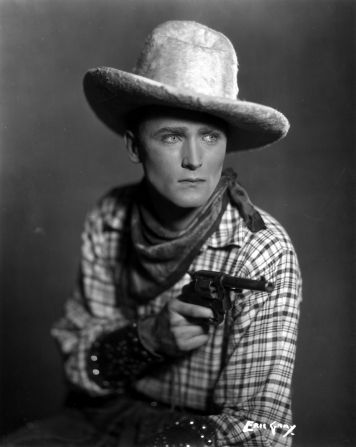
Marion wrote some of the silent era’s biggest hits, among them screenplays for Mary Pickford and Douglas Fairbanks. Early on she established an extremely successful working relationship with Irving Thalberg, and became MGM’s premier screenwriter. She found love with a former Presbyterian Minister, Fred Thomson, and helped build his career as an actor who starred in 24 westerns. Thomson’s fame in 1927 was second only that of Tom Mix, but his stardom was cut short by a contract wrangle with the banker and film financier Joseph Kennedy (JFK’s father and a man who both simultaneously swindled and reformed the studios).

Fred Thomson’s death in 1928 – variously recorded as the result of tetanus, gallstone surgery and tuberculous – left Frances Marion a bereft widow and the single parent of two children. Marion, was more than stoic in her refusal to be held back by tragedy and continued to stay at the front of her craft, being the first woman to get a solo screenwriting academy award for The Big House (1930) and another for The Champ (1931).

Mary Pickford in Rebecca of Sunnybrook Farm (1917)
Mary Pickford in Rebecca of Sunnybrook Farm (1917), which was written by Frances Marion

In 1925, the year that F. Scott Fitzgerald published The Great Gatsby, Marion published her debut novel Minnie Flynn, the story of an uneducated working class girl who gets a break in the New York movie world before finding fame and fortune in Hollywood. Like Gatsby it was a story about new money, unfettered morals and collapsing class boundaries. Unlike Gatsby it wore its debt to melodrama on its sleeve. This unusual book, unique among the quietly burgeoning genre of the Hollywood novel for depicting the New York/New Jersey film industry, has been forgotten by history.

Continue reading Bringing back Frances Marion’s lost novel Minnie Flynn

Dreaming schoolgirls to film pioneers: Silent Women at the Kennington Bioscope

The next Kennington Bioscope event is one very close to my heart. On Wednesday 10 February, the Bioscopers will celebrate the achievements of early female film-makers. It’s all in aid of a new book on the subject called Silent Women, featuring contributions from writers including Bryony Dixon, Shelley Stamp and Kevin Brownlow

Inspirational and informative, Silent Women will challenge many people’s ideas about the beginnings of film history. This fascinating book roams widely across the era and the diverse achievements and voices of women in the film industry. These are the stories of pioneers, trailblazers and collaborators – hugely enjoyable to read and vitally important to publish.

Dorothy Arzner calls the shots

One of the most eye-catching chapters in the book is an interview with the wonderful Dorothy Arzner, by Kevin Brownlow. Arzner’s career spanned the silent and sound eras and she hasd a notably close working relationship with Clraabow, so she certainly had some tales to tell. It’s a fascinating read, covering so much ground, but this quote really appealed to me – and I think you will enjoy it too:

I was always known as a dreaming schoolgirl who wanted to do things that were impossible to do. Later it was done, but I was reaching all the time for something unusual. I always had something unusual in my pictures if I could catch it.

Continue reading Dreaming schoolgirls to film pioneers: Silent Women at the Kennington Bioscope

Garbo and Gilbert in Love at the Royal Festival Hall

War and Peace is nearly at an end (the raunchy BBC TV adaptation, that is). But don’t despair – Tolstoy up your life with Greta Garbo and John Gilbert. Hollywood’s hottest ever on-screen couple ™ starred in the sumptuous Anna Karenina adaptation Love (Edmund Goulding, 1927), which is showing at the Royal Festival Hall this month.

Yes, the Royal Festival Hall – with the Philharmonia orchestra (featuring violinist Vadim Repin) playing a brand new score for the film written by Aphrodite Raickopoulou. You may remember that she wrote a very lush, romantic score for a similarly grand screening of Faust a few years back.

The even better news is that tickets for this event now begin at £5 – which is unbeatable value really. This screening is the premiere of the new score and will kick off the 2016 UK-Russia Year of Language and Literature here in London. The film and score will then embark on a world tour, taking in Russia, Japan and South Korea. But you’ll see it here first in London.

LOVE POSTER

Love, a Carmen Zgouras production, screens at the Royal Festival Hall on Thursday 25 February 2016 at 7.30pm.